The Sanctuary & The Stance
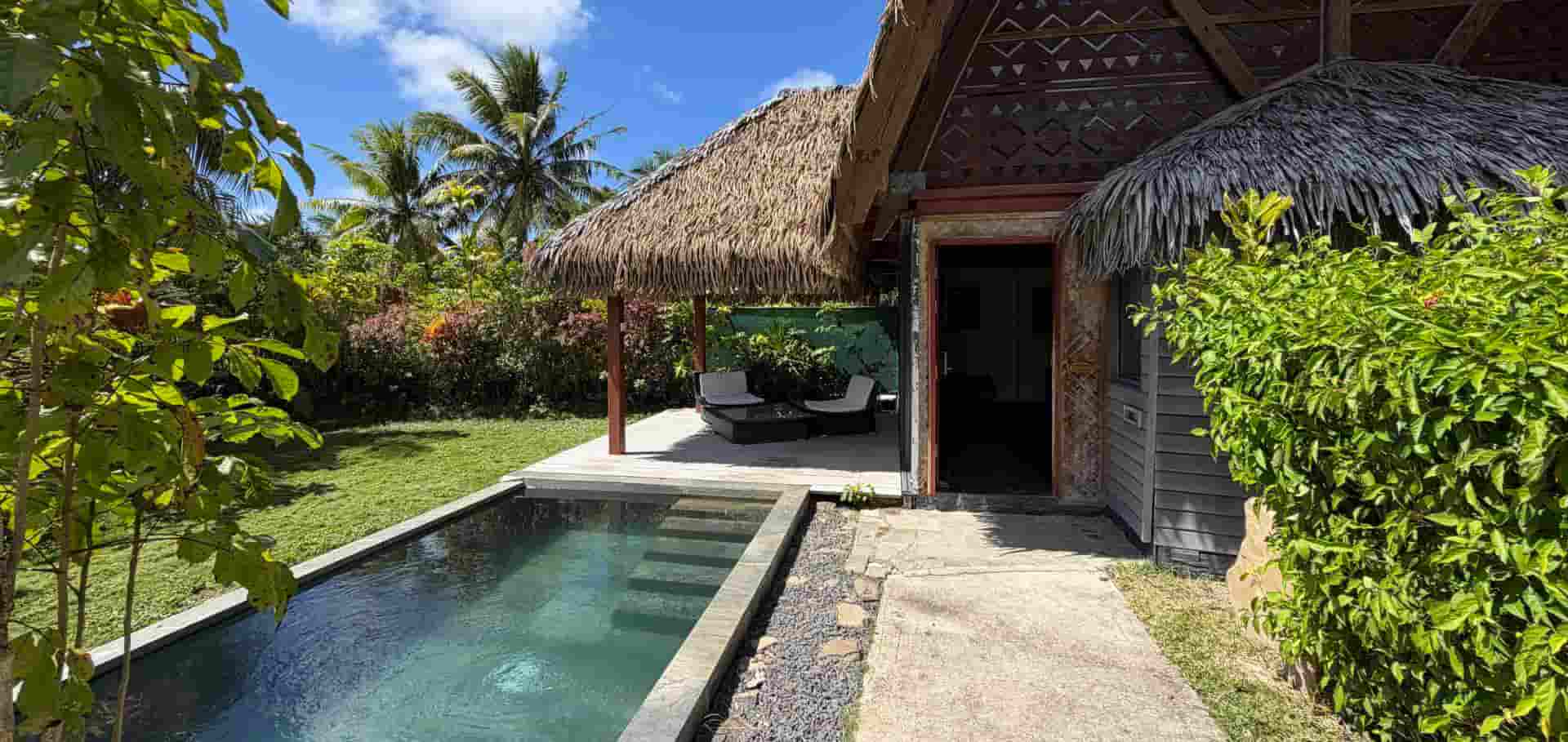
Maitai Lapita Village does not attempt to conquer the wild topography of Huahine; instead, it surrenders to it. This eco-lodge stands as an architectural essay on spatial humility, where individual bungalows dissolve into a dense canopy of hibiscus and ancestral flora. By rejecting the defensive, fortress-like posturing of high-luxury Tahitian resorts, the property positions itself as a fluid, open conversation with the land—a sanctuary designed not to shelter the traveler from the island, but to sensitize them to its breathing, humid reality.
Context & Geography
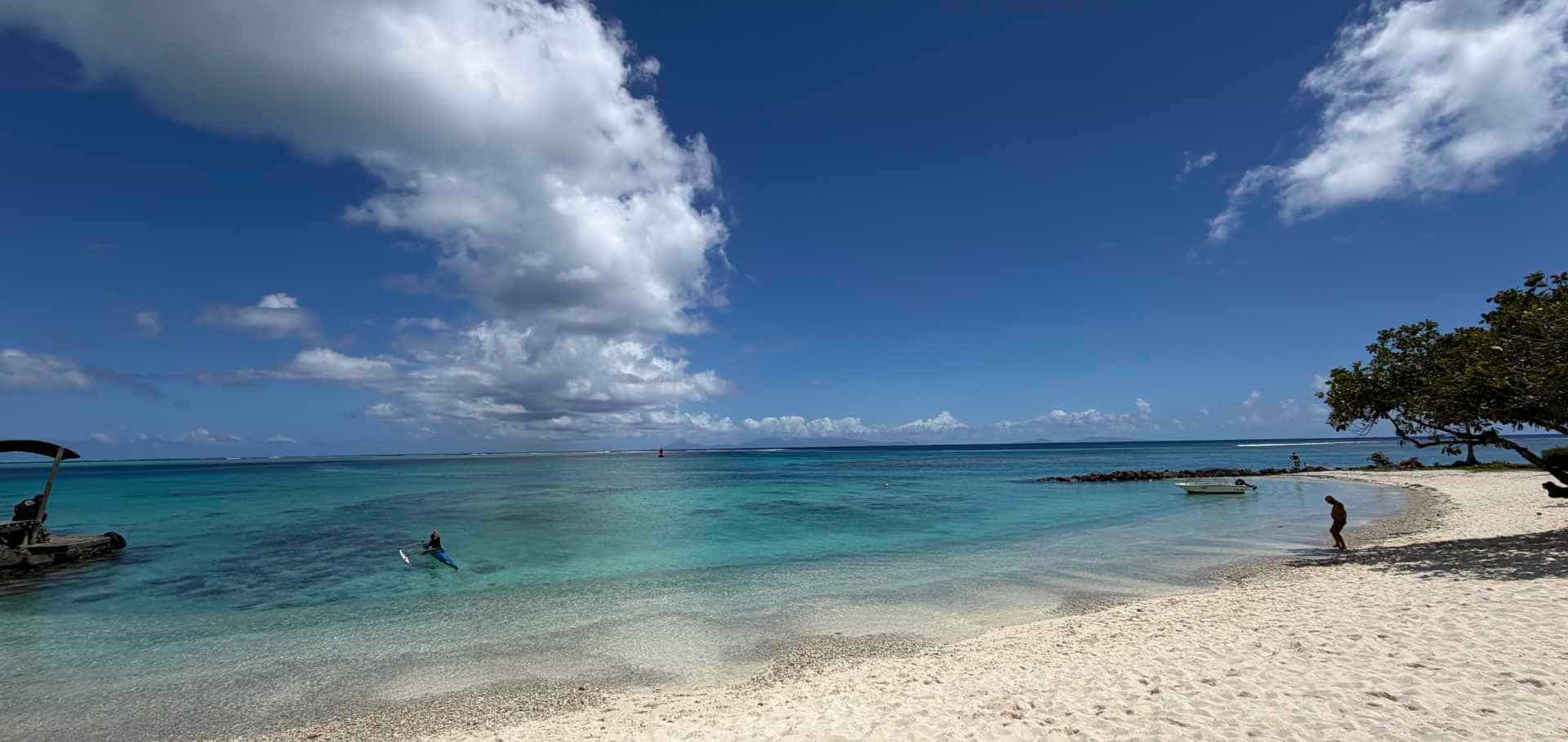
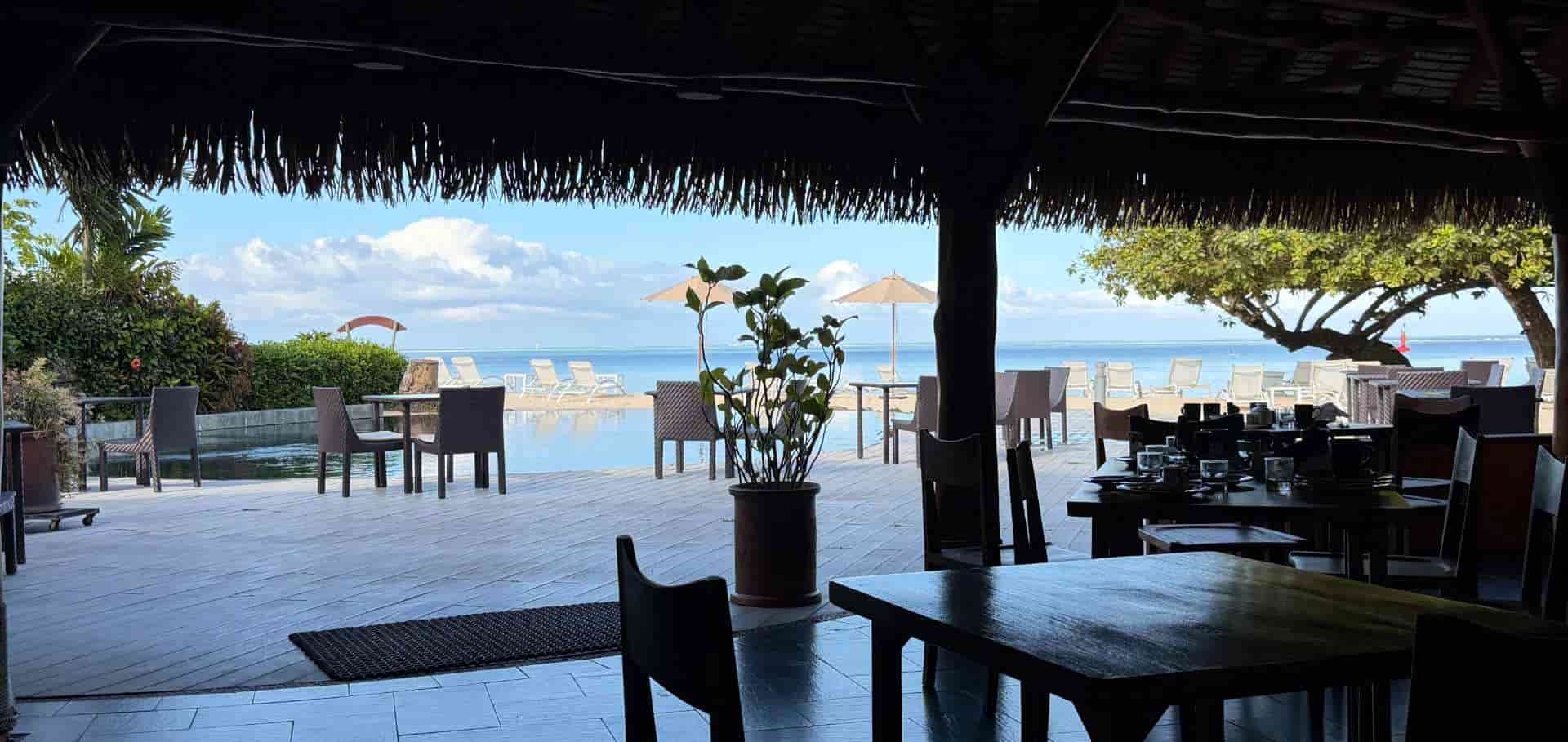
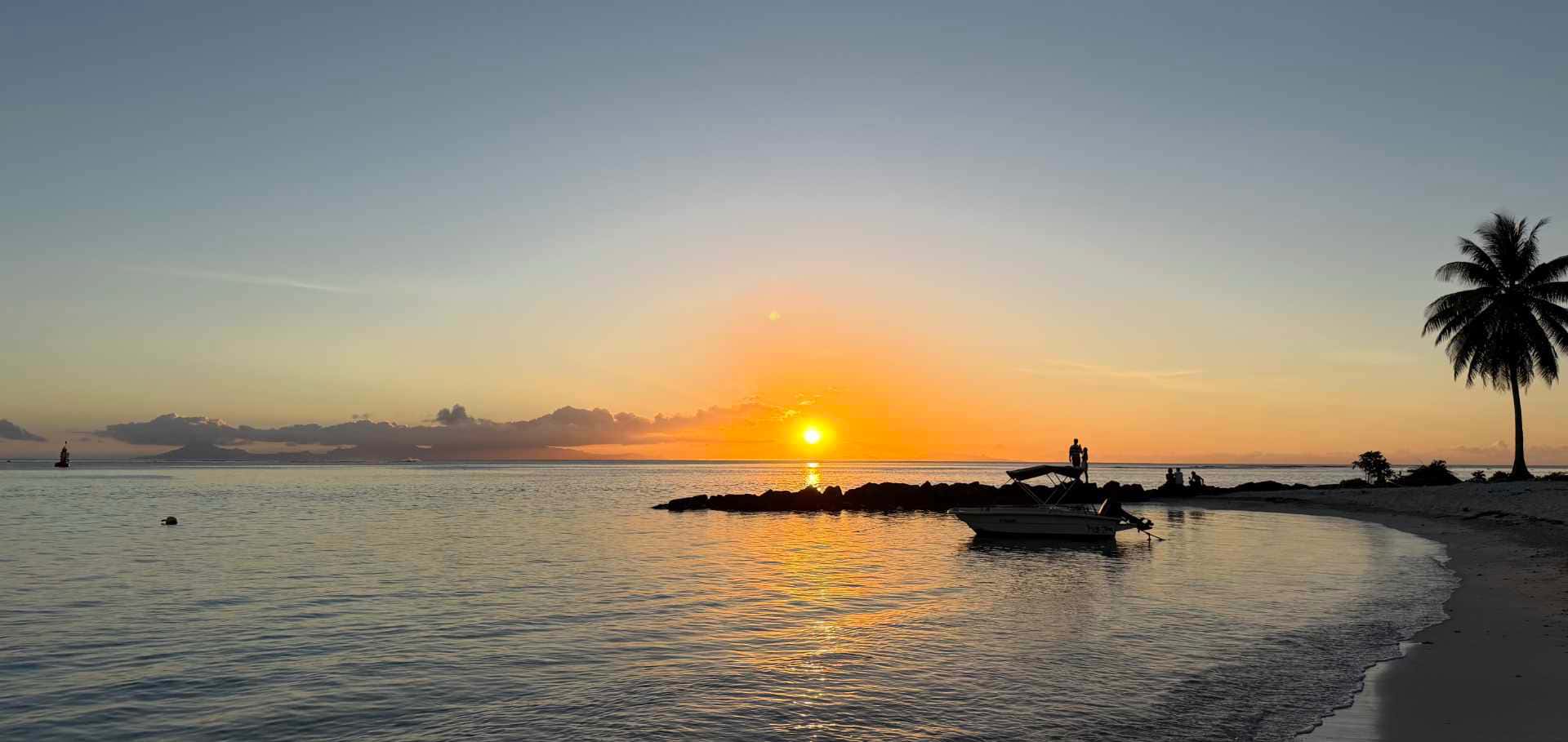
The resort occupies a historical footprint, built upon ancestral lands where the ancient Lapita people once traded. The architecture honors this heritage through material honesty: soaring roofs thatched with pandanus fiber, stout structural pillars fashioned from raw wooden trunks, and localized volcanic stone framing the aquatic margins. This structural dialogue with the landscape is highly convincing, save for a singular, frustrating compromise—the heavy cement paths connecting the bungalows. Where native, crushed basalt or volcanic flagstone would have preserved the terrestrial transition, these gray veins of concrete strike a modern, urban note that briefly ruptures the primeval illusion. Yet, the overall geography works; nestled behind a screen of hibiscus trees, the lodge establishes a quiet buffer between the island’s singular coastal road and the empty, sun-bleached beach, framing Huahine as an untamed, slow-tempo alternative to its over-curated sister islands.
Arrival, Space & Choreography
Arrival here is a masterclass in atmospheric decompression. You turn off the road onto a green lane flanked by hibiscus, immediately dropping your pace. The threshold is crossed via a high-vaulted sail bridge spanning a freshwater lake choked with blooming white water lilies. Under the deep shade of the thatched entryway, the harsh equatorial glare softens into amber tones, and the heavy scent of crushed blossoms fills the air. Service is delightfully unscripted; local staff, wearing native prints and fresh tiare flowers behind their ears, bypass bureaucratic check-in formalities, offering cold floral infusions and shell leis while you lounge over the water. It is an unhurried, magnetic choreography that feels entirely human.
The Room Physics & Sanctum
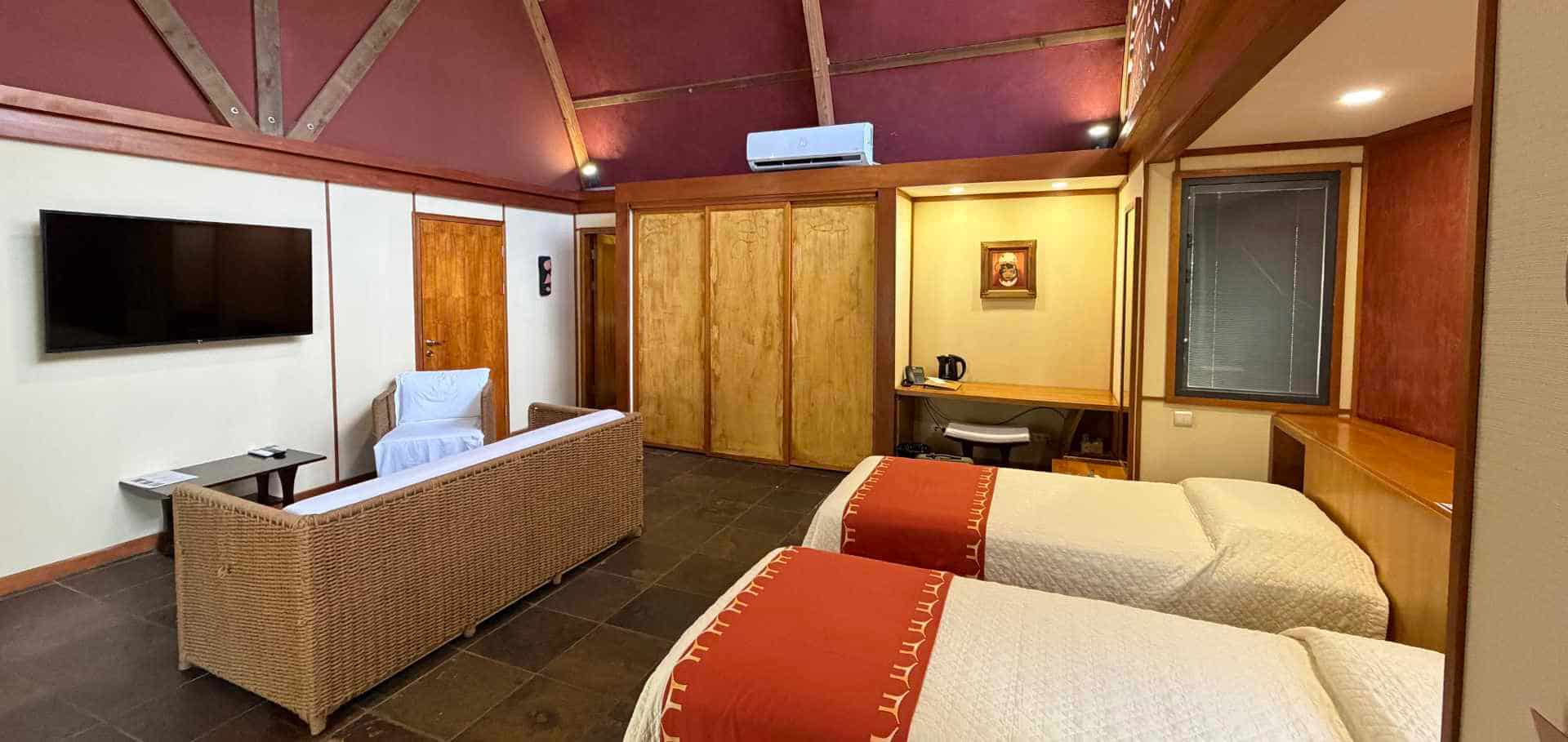
Inside Room 303—a spacious, detached bungalow overlooking the central lily pond—the aesthetic leans heavily into dark wood tones and tropical minimalism. The sleep architecture is honest but basic. The twin beds feature firm, spring-laden mattresses that cry out for a plush topper to soften their structural rigidity; the linens are clean, crisp white cotton that functions adequately in the heavy humidity but lacks tactile indulgence. Acoustic isolation is the room's primary vulnerability. Lacking thick double-glazing, the envelope allows the early morning territorial crows of wild roosters and the low thrum of distant scooters to penetrate the sanctuary, reminding you of the island's working-class vitality at the expense of deep sleep.
Blackout efficiency is moderate; manual drapes slide over sheer panels on wooden rods, though some ambient light leaks around the edges during the brilliant dawn. Climate control is a dual affair. A large, wooden ceiling fan does magnificent work circulating the heavy air with a gentle, hypnotic hum. For deeper cooling, a wall-mounted AC split unit performs effectively, though its compressor introduces an intrusive acoustic hum. Managing this climate requires juggling three distinct, weathered plastic remote controls—one for the fan, one for the AC, and another for the television—a minor haptic frustration in an otherwise analog world.
The physical touchpoints reveal the building's age; the wooden entry doors lack weight and show the weathered grain of the tropical climate, requiring a firm push to latch. Underfoot, the dark wood transition yields to cool, textured local stone in the bathroom. The water hydraulics here are commendable: the shower delivers robust, stable water pressure and rapid thermal response, though the heavy brass fixtures feel stiff and demand physical effort to calibrate. A heated towel rail is a thoughtful touch in this damp climate, though the overall lighting scheme within the dark-walled washroom would benefit from a warmer, more precise illumination path.
The Third Places (F&B & Social Fabric)
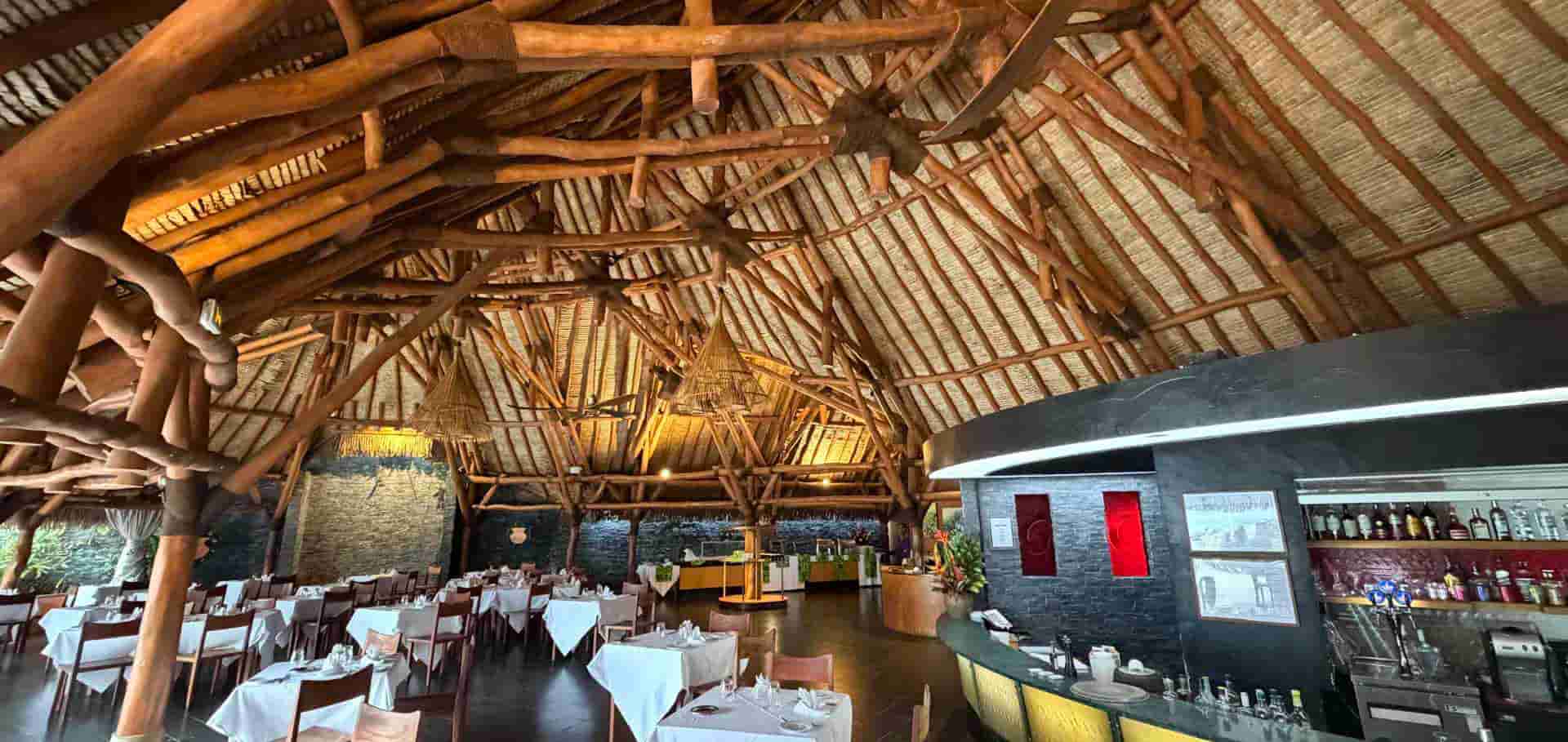
The dining pavilion sits at the ocean’s edge, a towering cathedral of woven timber and thatch that frames the crashing surf. While the dinner menu offers simple, authentic Polynesian-French fare, the breakfast program falters, exposing the operational limits of remote hospitality. The morning buffet feels institutional: watery, pre-scrambled eggs sweat in a metal bin over sterno flames, with no option for a-la-carte preparation. Most egregious is the aging, refrigerated display housing the tropical fruits and yogurts; its cracked glass panels and worn metal frame strike a discordant, neglected note. Yet, as night falls, the space redeems itself, illuminated by low-kelvin uplighting that paints the high-vaulted ceiling in dramatic shadows.
Calibration (Cost-to-Soul Ratio)
At this price point, Maitai Lapita Village offers a favorable cost-to-soul ratio for those seeking raw natural immersion over polished, sterile luxury. The standout memory remains the sensory decompression of crossing the lily-draped bridge at dusk. The primary friction point is the breakfast execution—a simple culinary amenity that requires urgent restoration. Ultimately, the property succeeds because its architectural soul is deeply rooted in Huahine’s fertile soil, offering a rare, unpretentious dialogue with French Polynesia.
Weighted Analytical Scorecard
- Architecture & Sense of Place: 4.8 / 5.0
- Service Choreography: 4.7 / 5.0
- Room Physics & Sanctum: 4.7 / 5.0
- Third Places & F&B: 4.2 / 5.0
Experior Travel Composite Score: 4.6 / 5.0