The Thesis Hook
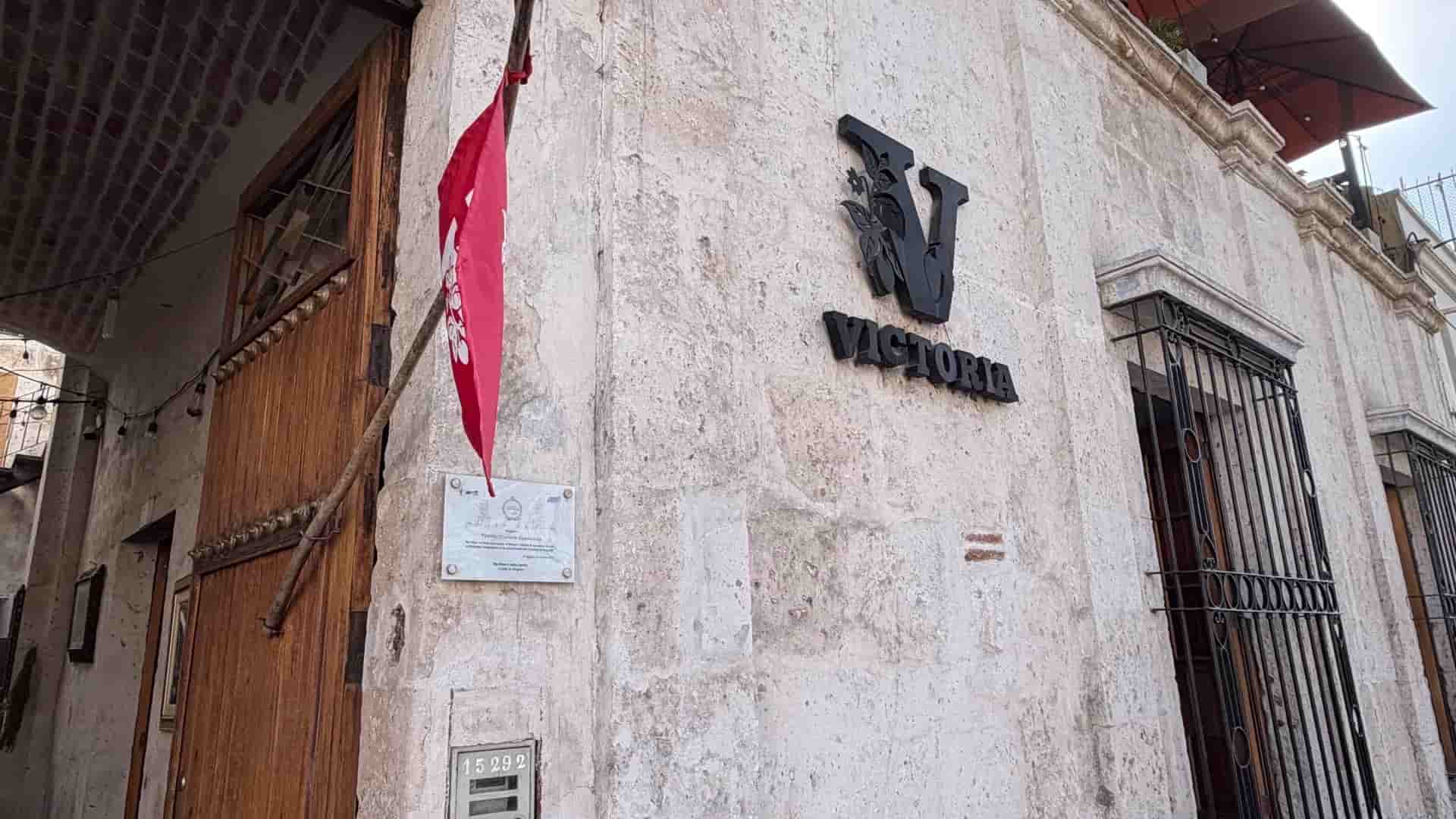
At 2,400 meters above sea level, gastronomy is an act of survival turned into art. Victoria Picantería Democrática does not merely serve food; it acts as a cultural safehouse, defending the complex culinary vocabulary of Arequipa against the eroding tides of globalization. This is not a sanitized tourist theater but an intellectual reclamation of the picantería—historically a democratic space where class dissolved over chicha and chili. It asserts that the deeply regional, heat-driven cooking of the dry Andes deserves the same rigorous technical preservation as any classical European canon.
Context & Geography
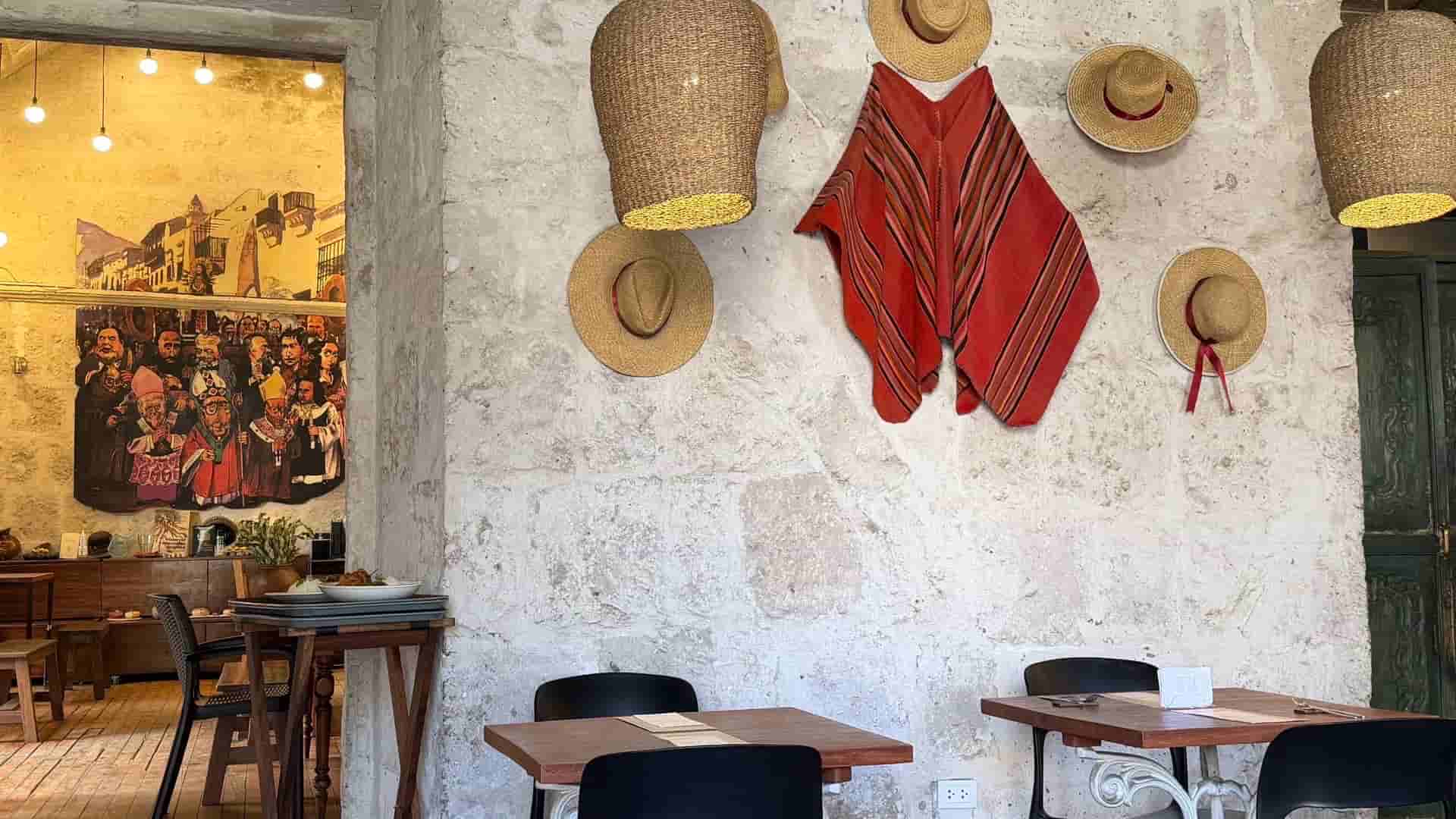
Located along Calle Zela, overlooking the stone-quiet Plaza San Francisco, Victoria interfaces directly with Arequipa's unique volcanic geography. Built from the very sillar—the white volcanic ignimbrite—that defines the city's architectural identity, the restaurant exists as a physical extension of the landscape. The kitchen harnesses the high-altitude atmospheric pressure, which dictates unique boiling points and fermentation kinetics, to coax deep expressions from indigenous ingredients. It stands mere blocks from the bustling Plaza de Armas, yet operates in a quieter, contemplative pocket. Here, the chef’s philosophy centers on the preservation of Arequipeño biodiversity and historical memory, turning a simple midday meal into an exploration of agrarian calendars and ancestral trading routes that connected the dry coast to the high altiplano.
Atmosphere & Choreography
Inside, the high-ceilinged rooms offer immediate thermal relief from the biting Andean sun. The acoustic landscape is a hushed, civilized hum, punctuated by soft traditional Peruvian strings rather than the clamor of modern tourism. Servers dressed in crisp, light-colored uniforms and traditional agrarian sombreros move with a deliberate, quiet dignity. Their service style avoids the false intimacy of contemporary hospitality, favoring an expert, educational choreography. They explain the provenance of each dish with the quiet pride of curators. The rustic, pristine wooden tables and long windows framing the plaza create a sanctuary that is both deeply grounding and intellectually refined.
The Meal (The Progression)
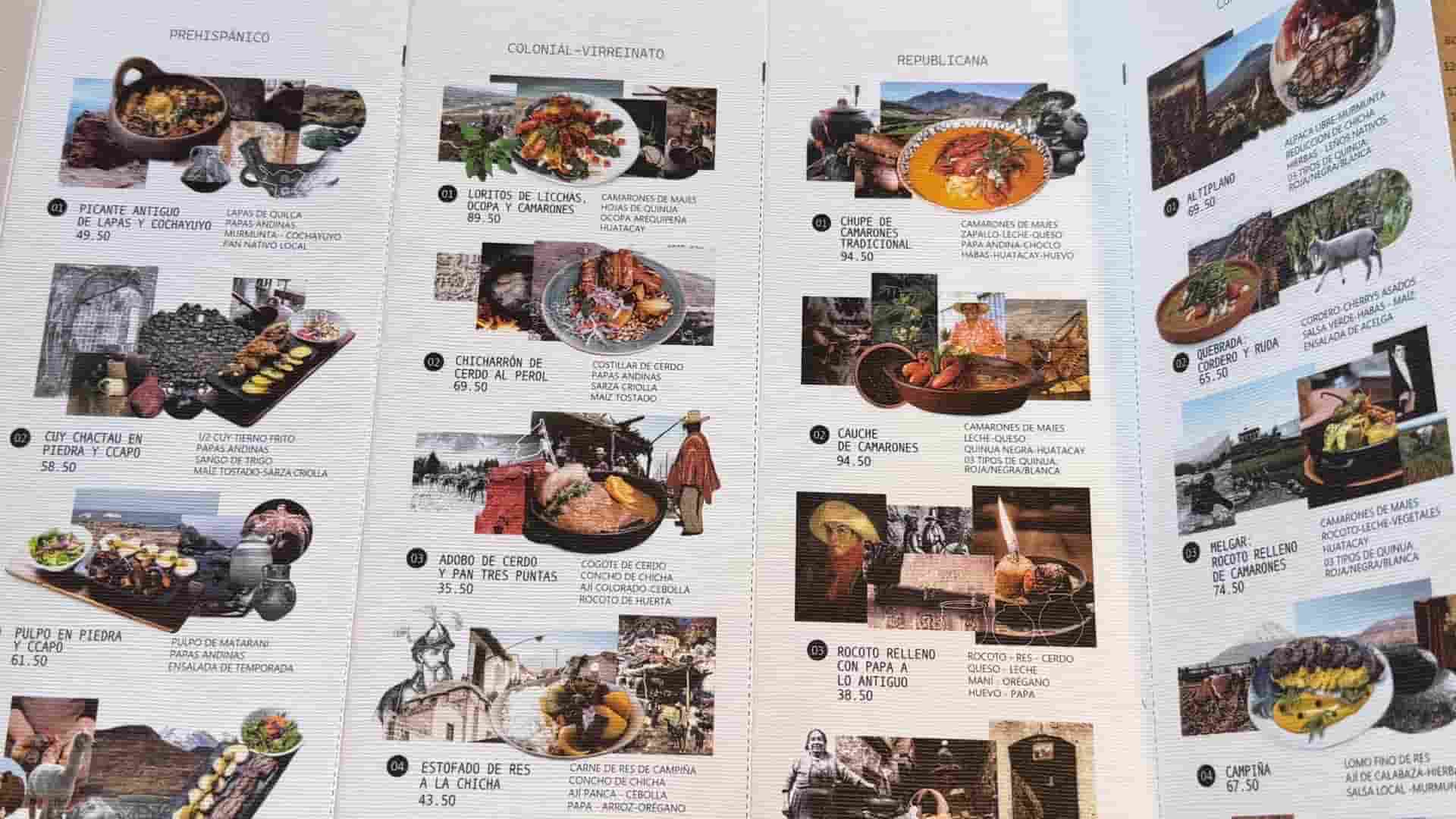
The menu's progression eschews globalist fusion trends, opting instead for a highly structured, heat-driven narrative that mirrors the thermal realities of high-altitude life.
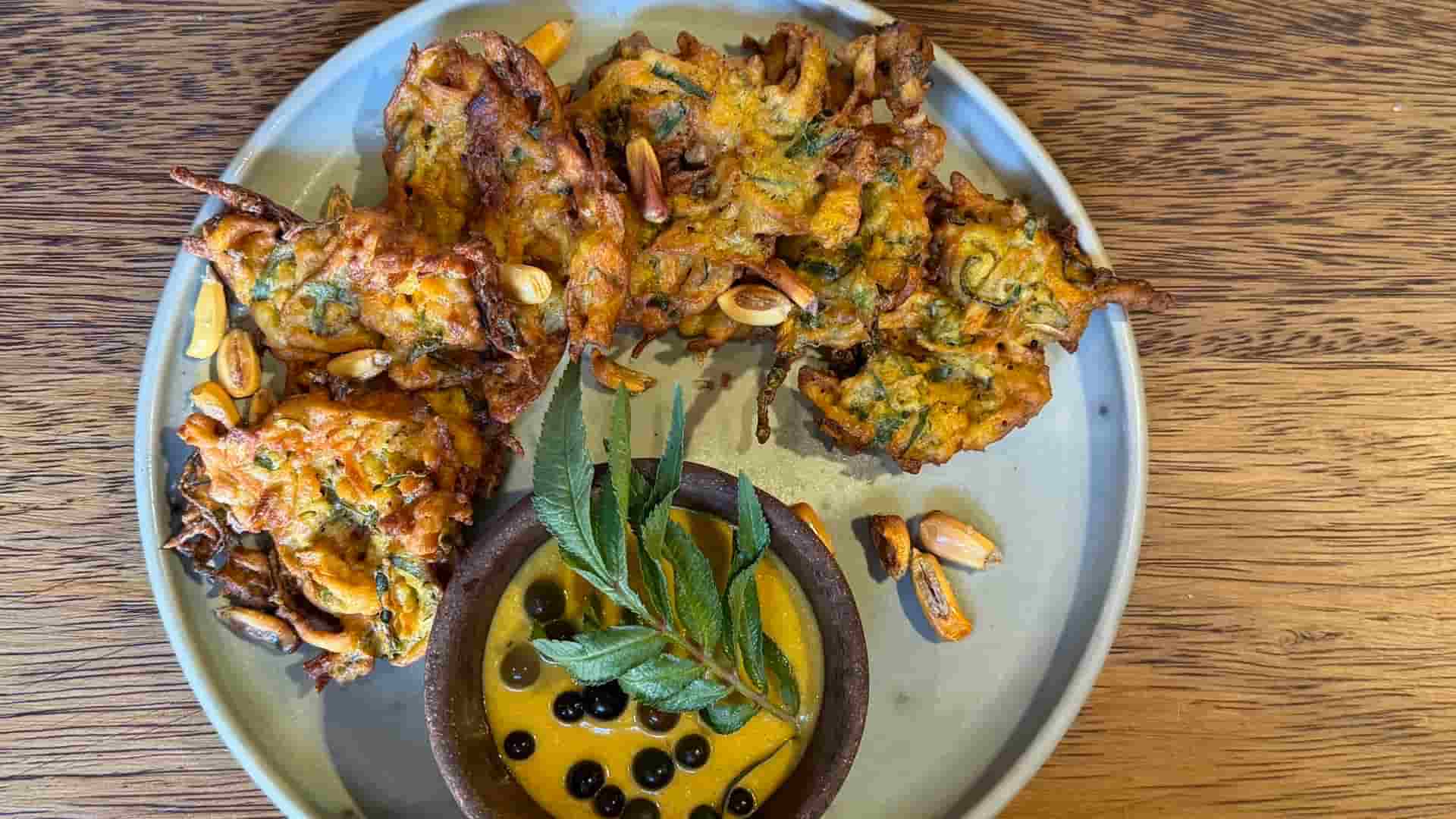
The Gateway: The meal commences with the Verdura Friars, a dish of small, popple-style fried vegetables that serves as a masterclass in texture. The kitchen employs a light, aerated batter to encase seasonal greens, flashing them through high-temperature oil to lock in moisture. This is paired with an emulsified sauce infused with cochayuyo—a nutrient-dense, sun-dried seaweed harvested from Lake Titicaca. The sauce is a technical triumph of marine minerality, though it lacks a crucial, high-acid finishing note—such as a splash of native limón sutil—to fully shear through the oil-rich batter and refresh the palate.
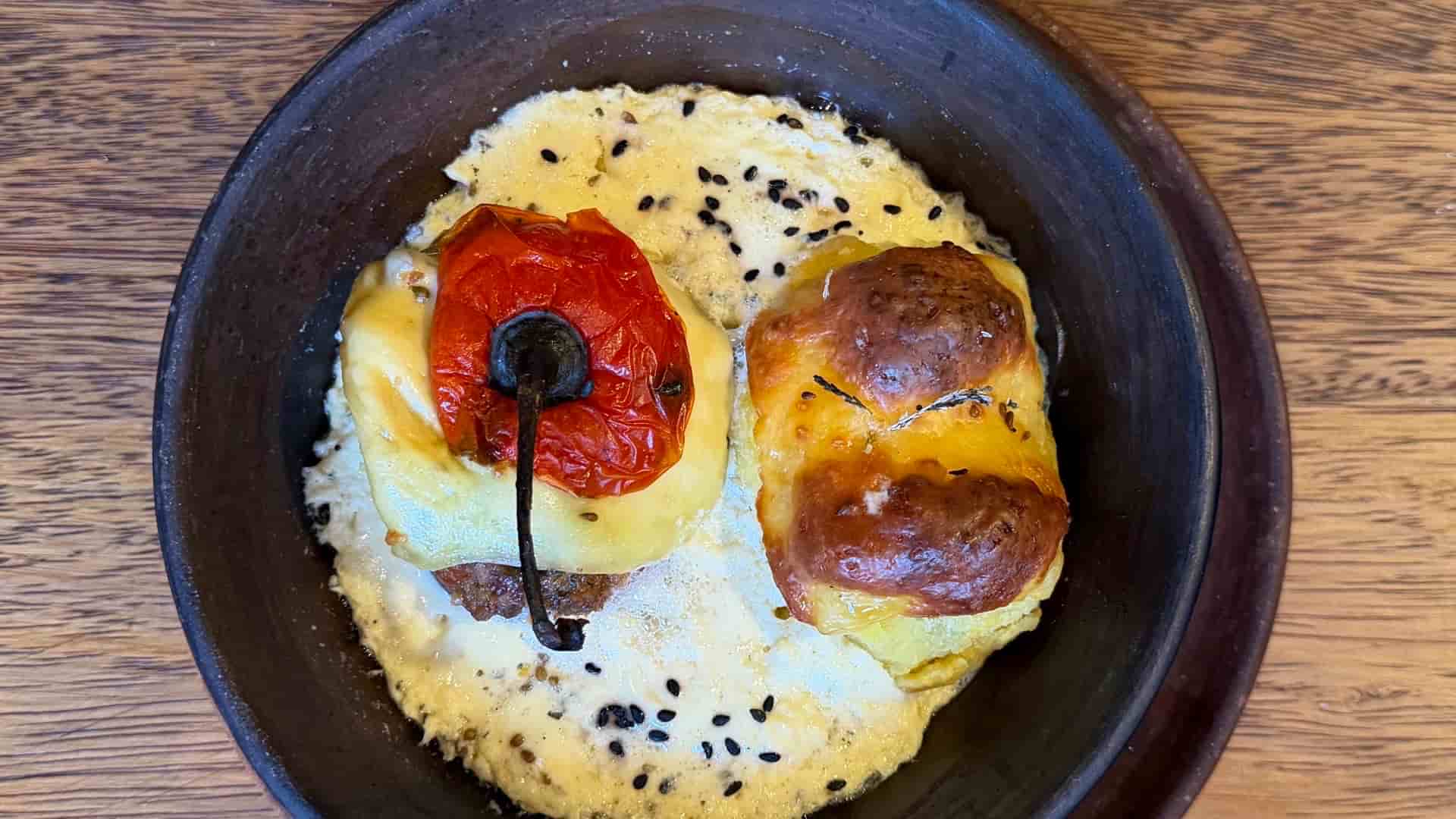
The Apex: The undisputed peak of the meal is the Rocoto Relleno con papa a lo antiguo. Here, the kitchen deconstructs and honors a regional icon. The fiery capsicum is meticulously deseeded and blanched in a series of vinegared water baths to temper its capsaicin intensity while preserving its structural integrity. It is stuffed with a hand-minced, knife-cut beef loin, seasoned with cumin, raisins, and native herbs, then capped with a slice of local unpasteurized cheese that melts into a golden crust under the broiler. Served alongside heritage potatoes—dense, low-water tubers with a high starch density—the dish achieves a perfect thermodynamic balance. The earthiness of the ancient potato absorbs the rich, savory fats of the beef and the residual, warming heat of the pepper, showcasing a brilliant understanding of ingredient mechanics.
The Flaw: If there is a limitation in this narrative, it lies in the physical execution of the fried batter in the starter. While intellectually compelling due to the inclusion of altiplano seaweed, the batter's structural integrity degrades quickly in the thin, dry mountain air. Within minutes of arriving at the table, the initial crispness yields to a slight chewiness, revealing a vulnerability in applying standard frying techniques at high altitudes without adjusting hydration ratios.
The Beverage Narrative
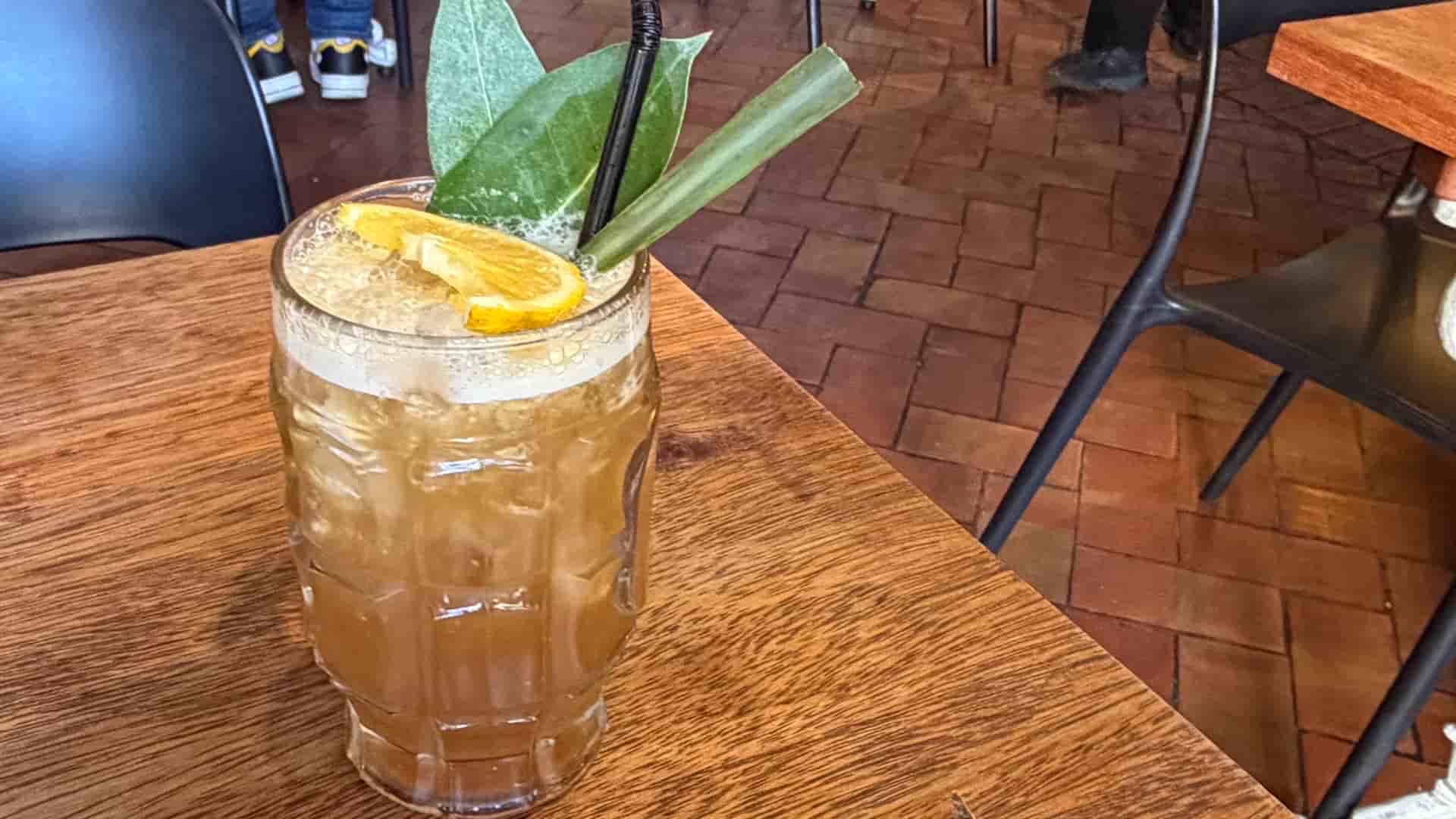
The liquid program at Victoria is an exercise in thoughtful non-alcoholic and regional curation, designed to offset the intense capsicum heat of the kitchen. Rather than relying on standard commercial sodas, the beverage program champions indigenous ingredients. A standout mocktail featuring fresh maracuyá (passion fruit) serves as an essential palate cleanser. The sommelier balances the fruit’s high, tropical acidity with a subtle herbal infusion that tempers the sweetness. This acidity performs a vital structural function, cutting through the rich fats of the cheese-capped rocoto and resetting the palate between courses, reflecting a deep understanding of beverage-to-food harmony.
Calibration (Service & Value)
At a highly accessible price point, Victoria Picantería Democrática offers an extraordinary return on investment for the culturally curious traveler. The execution-to-cost ratio is heavily skewed in the diner's favor. Guests are treated not just to a technically precise meal, but to a preservation project, capped by a parting gift of a signed seasonal culinary calendar book. The operational rhythm is seamless, reflecting a disciplined kitchen and a front-of-house team that understands hospitality as cultural diplomacy. It is a rare, democratic triumph.
Weighted Analytical Scorecard
- Food & Cuisine: 4.6 / 5.0
- Service & Choreography: 4.8 / 5.0
- Wine & Beverage Program: 4.7 / 5.0
- Composite Score: 4.7 / 5.0