The Thesis Hook
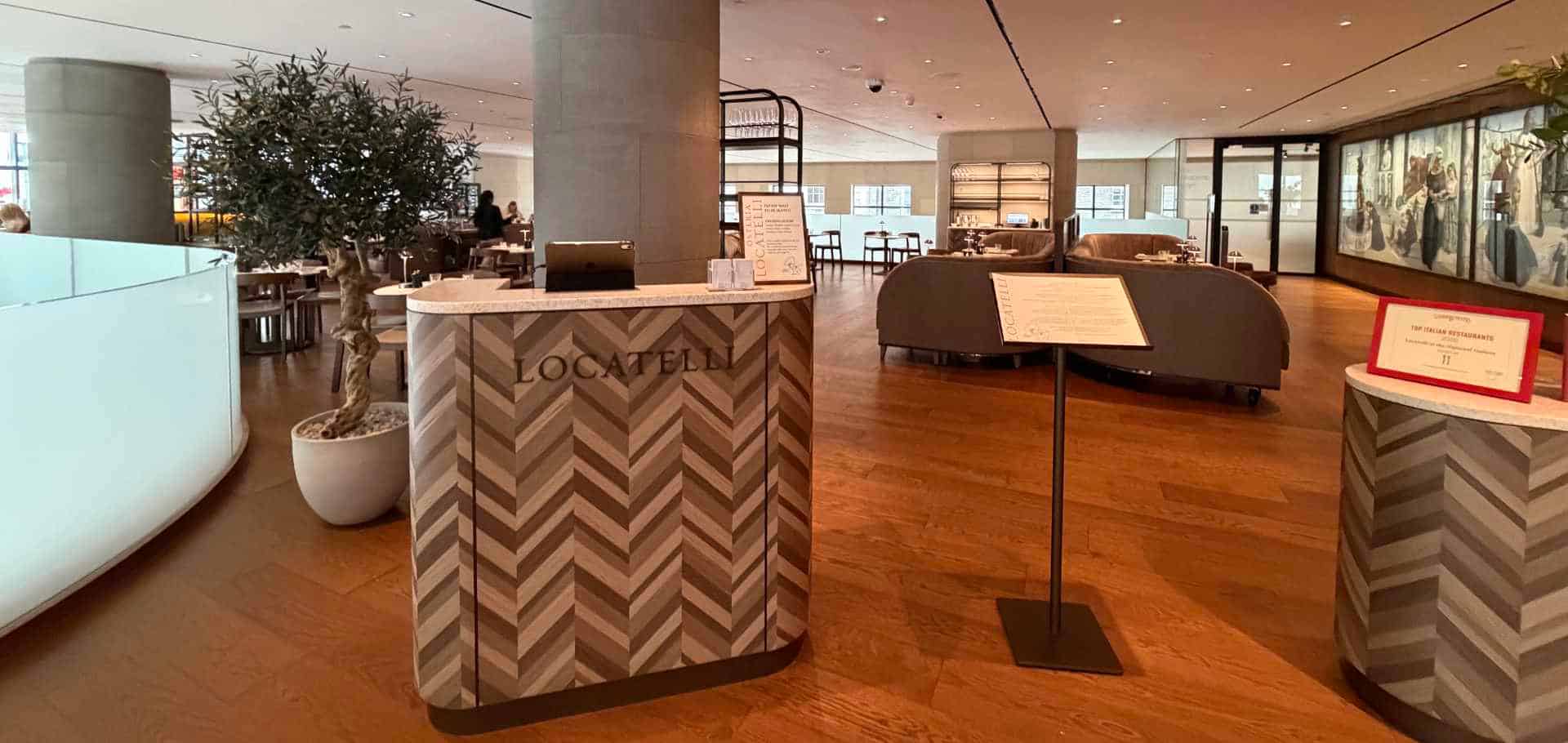
Dining in a museum is historically fraught—a transactional compromise where culture is traded for convenience. Giorgio Locatelli’s room at the National Gallery challenges this paradigm, positioning itself not as a brief respite for weary tourists, but as an intellectual extension of the frames hanging nearby. Here, the kitchen seeks to translate centuries-old artistic precision into structural plates, using minimalist Italian gastronomy to echo the balance, shade, and light of the masterpieces hanging mere yards away.
Context & Geography
Located in London's historic heart, Trafalgar Square, the National Gallery houses seven centuries of European genius. Giorgio Locatelli, a pioneer of refined Italian cooking in the United Kingdom, steps into this monumental space with a philosophy of calculated restraint. The restaurant, opened in May 2025, acts as a bridge between the Renaissance masterworks on the walls and the plates on the table. It is no accident that this exists in London—a metropolis that demands both hyper-modernity and preservation. Locatelli uses high-starch pasta emulsions and pristine regional ingredients to ground the dizzying cultural weight of Leonardo and Caravaggio into tangible, digestible geography, offering a sanctuary from the kinetic chaos of the capital outside.
Atmosphere & Choreography
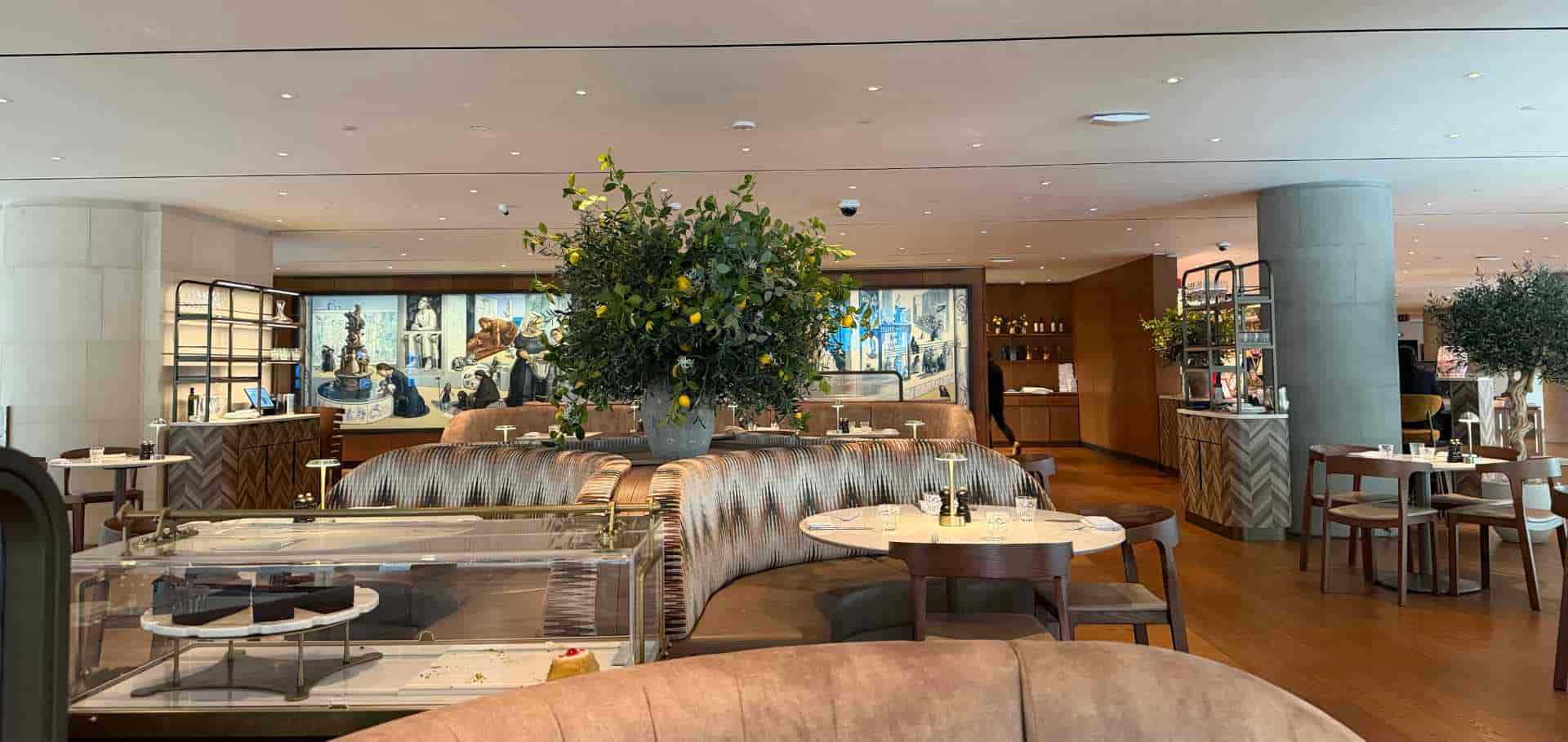
The dining room is an exercise in acoustic and visual sanctuary. Under high, vaulted ceilings, the hushed murmurs of art enthusiasts mingle with the discreet clink of fine china. Lighting is soft, designed to mimic the chiaroscuro of the surrounding galleries, casting gentle shadows across linen-draped tables. The service avoids the stiff, reverent tropes of Michelin-starred protocol, opting instead for a casual-expert choreography. Staff move with quiet efficiency, guiding the room's eclectic mix of international curators and London tastemakers through the menu with a calm, intellectual charm that reflects the setting's gravity without feeling austere.
The Meal (The Progression)
The culinary narrative at Locatelli is paced with deliberate, painterly composition, moving from vibrant structural starters to deep, savory emulsions.
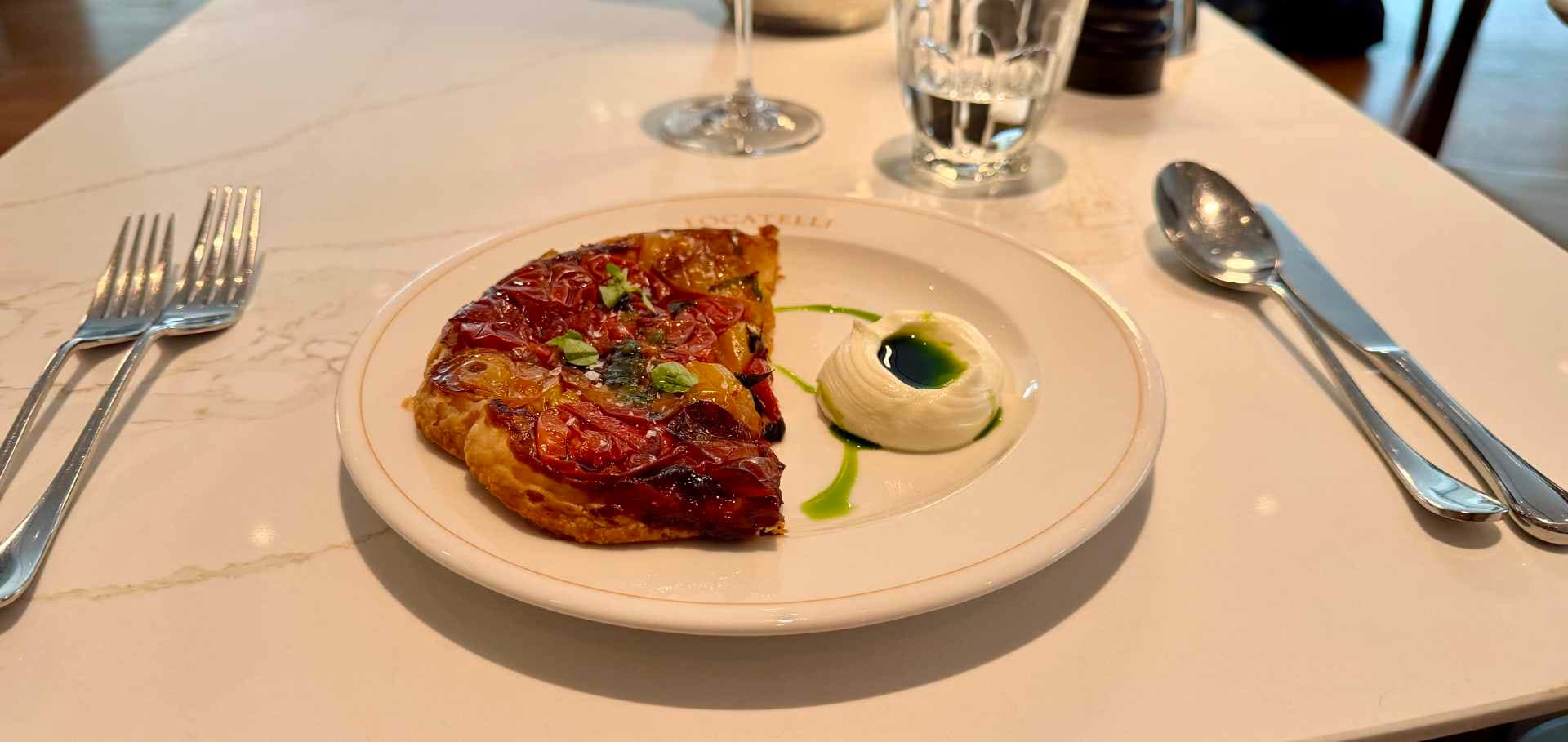
The Gateway: The meal opens with the Tomato Tatin, paired with a Ricotta Mousse and Basil Oil. This dish is a study in structural pastry mechanics. The inverted puff pastry base relies on high-fat butter lamination to resist the moisture of caramelized heritage tomatoes. The tomatoes are slowly dehydrated, concentrating their natural glutamates, then offset by a lactic, ultra-whipped sheep's milk ricotta mousse. The plate is finished with a vibrant, chlorophyll-dense basil oil, extracted via high-speed shearing to preserve its bright, volatile aromatic compounds.
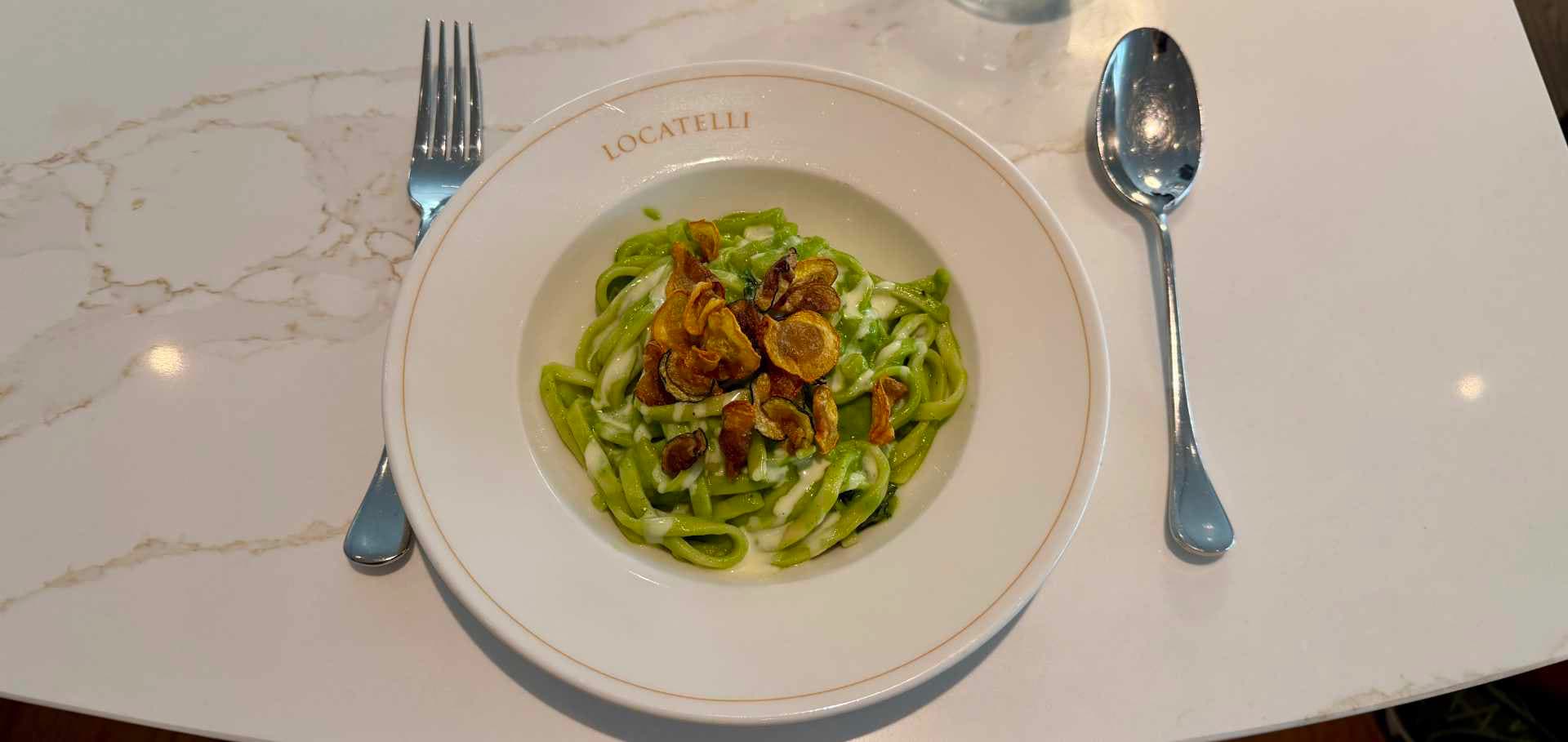
The Apex: The peak of the menu arrives in the form of Scialatielli Pasta with Provolone Cheese, Fried Crispy Courgette, and Fresh Basil. The scialatielli—a thick, hand-cut Neapolitan pasta—possesses a superb, high-gluten al dente resistance. The kitchen achieves a velvety, low-temperature emulsion of Provolone Valpadana and starchy cooking water, avoiding any fat separation or graininess to coat each strand perfectly. Shards of fried, dehydrated courgette are flash-fried at 190°C, providing a sharp, shattering textural counterpoint. It is a stunning architectural balance, where the creamy, sharp, and crisp elements exist in flawless thermodynamic harmony.
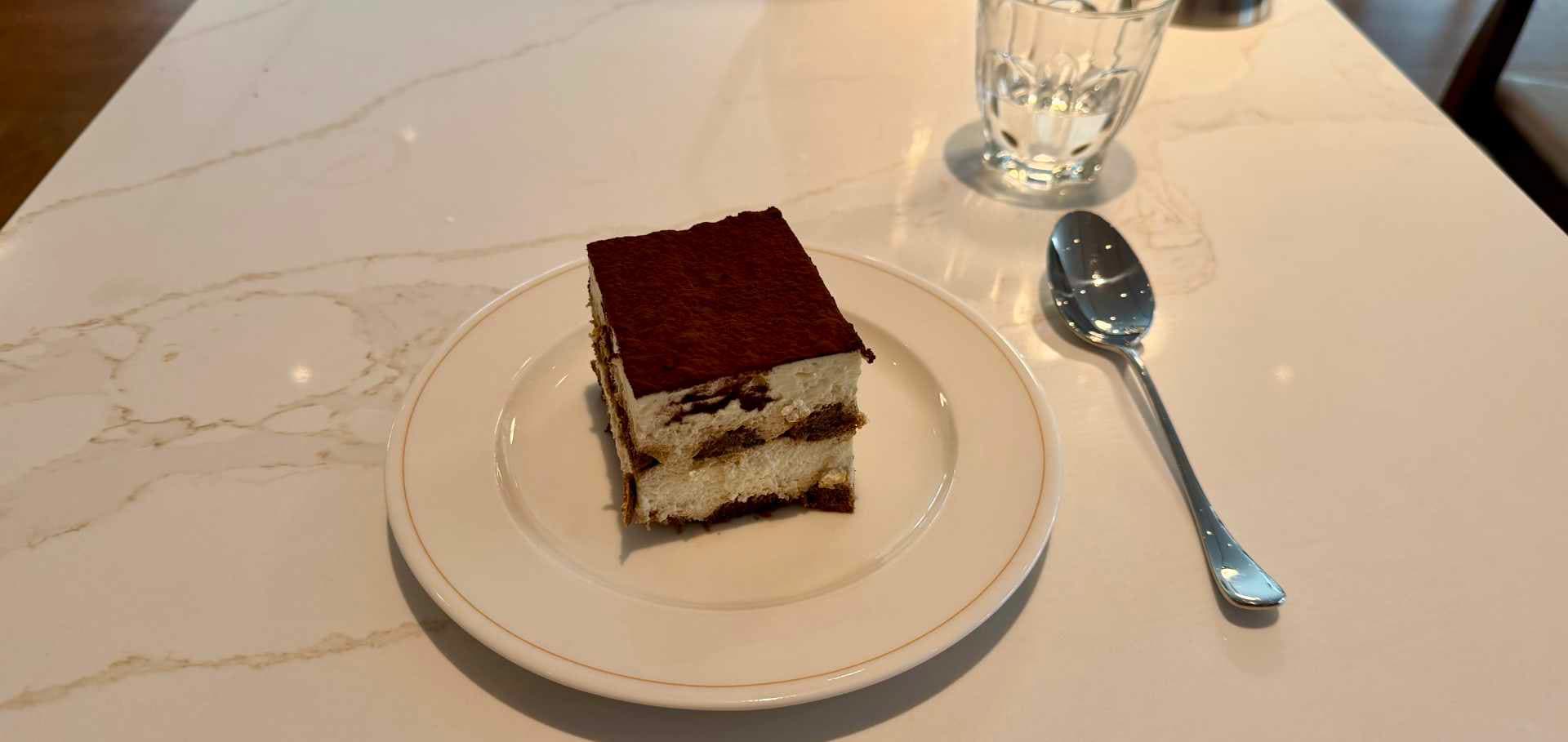
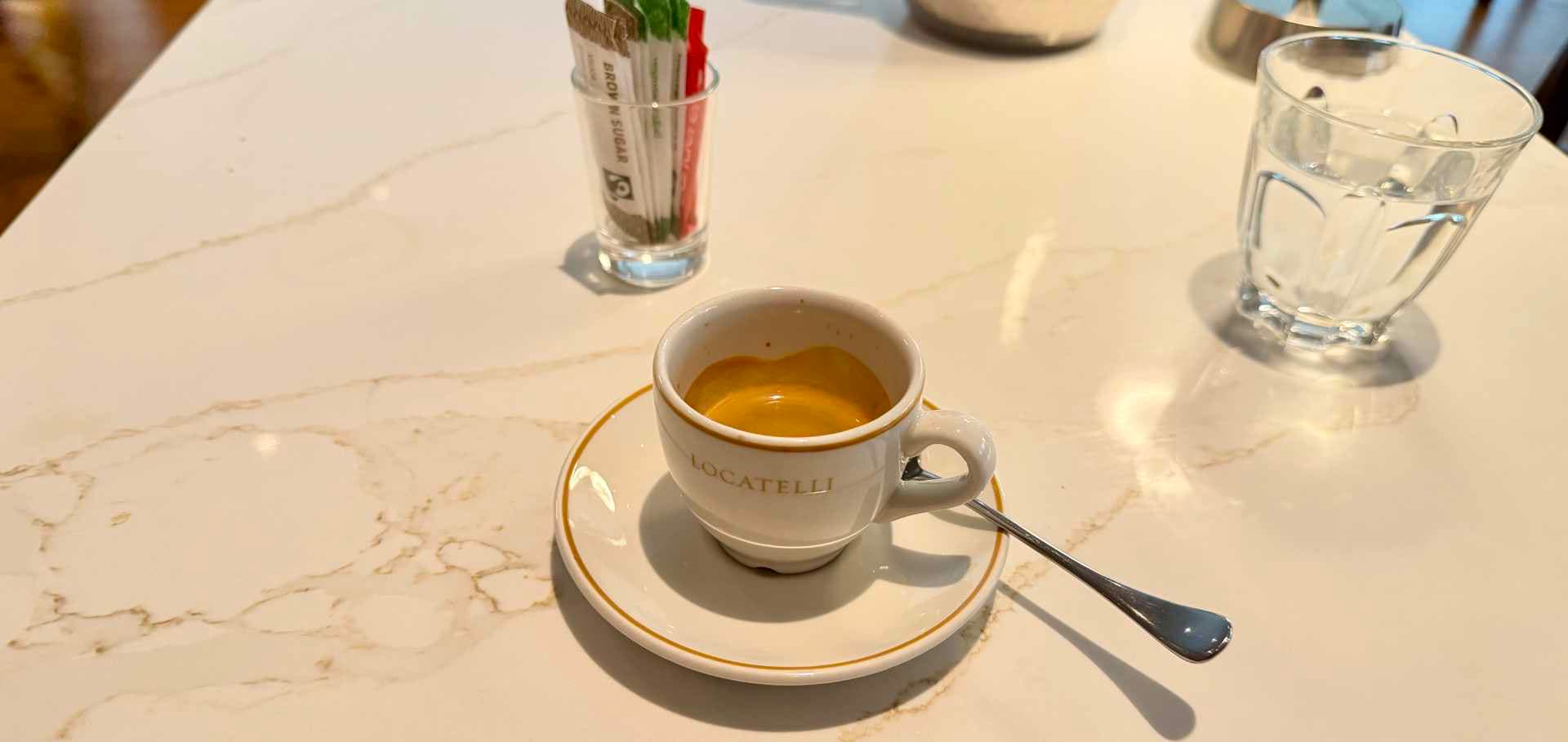
The Flaw: While satisfying, the Tiramisù displays a minor structural compromise. The savoiardi biscuits suffered from slightly uneven hydration; somewhat too soaked, muting the bitter complexity of the single-origin espresso soak. The mascarpone sabayon, light and aerated, balanced the excess of the espresso soaking, rebalancing the custard-like integration essential to a truly transcendent interpretation of this classic dessert.
The Beverage Narrative
The beverage program is a thoughtful exercise in regional Italian typicity, deliberately curated to align with the historical gravity of the setting. The 2024 Fantini Montepulciano d'Abruzzo serves as a compelling anchor for the afternoon. It showcases a dark ruby profile rich with black cherry, wild plum, and a subtle herbaceous undertone. Its moderate, finely grained tannins and bright, food-friendly acidity effortlessly slice through the rich provolone emulsion of the scialatielli. The sommelier's approach is remarkably unpretentious yet deeply knowledgeable, preferring narrative context over dry technical data, grounding each vintage within its cultural landscape.
Calibration (Service & Value)
Locatelli at the National Gallery represents a highly successful calibration of execution and environment. To dine here is to pay for both technical precision and spatial sanctuary. The price point reflects its premium location, yet the kitchen avoids the lazy short-cuts typical of museum outposts. The operations hum with a disciplined, rhythmic efficiency that respects the guest's time without rushing the narrative flow of the meal. It is an exceptional value for those seeking a highly sophisticated, sensory-driven dialogue between art and gastronomy.
Weighted Analytical Scorecard
- Food & Cuisine: 4.8 / 5
- Service & Choreography: 4.8 / 5
- Wine & Beverage Program: 4.7 / 5
- Weighted Composite Score: 4.8 / 5