Navigating the volcanic grit of Magna Graecia, the vertical exposure of the Amalfi cliffs, and the intellectual weight of the eternal capital.
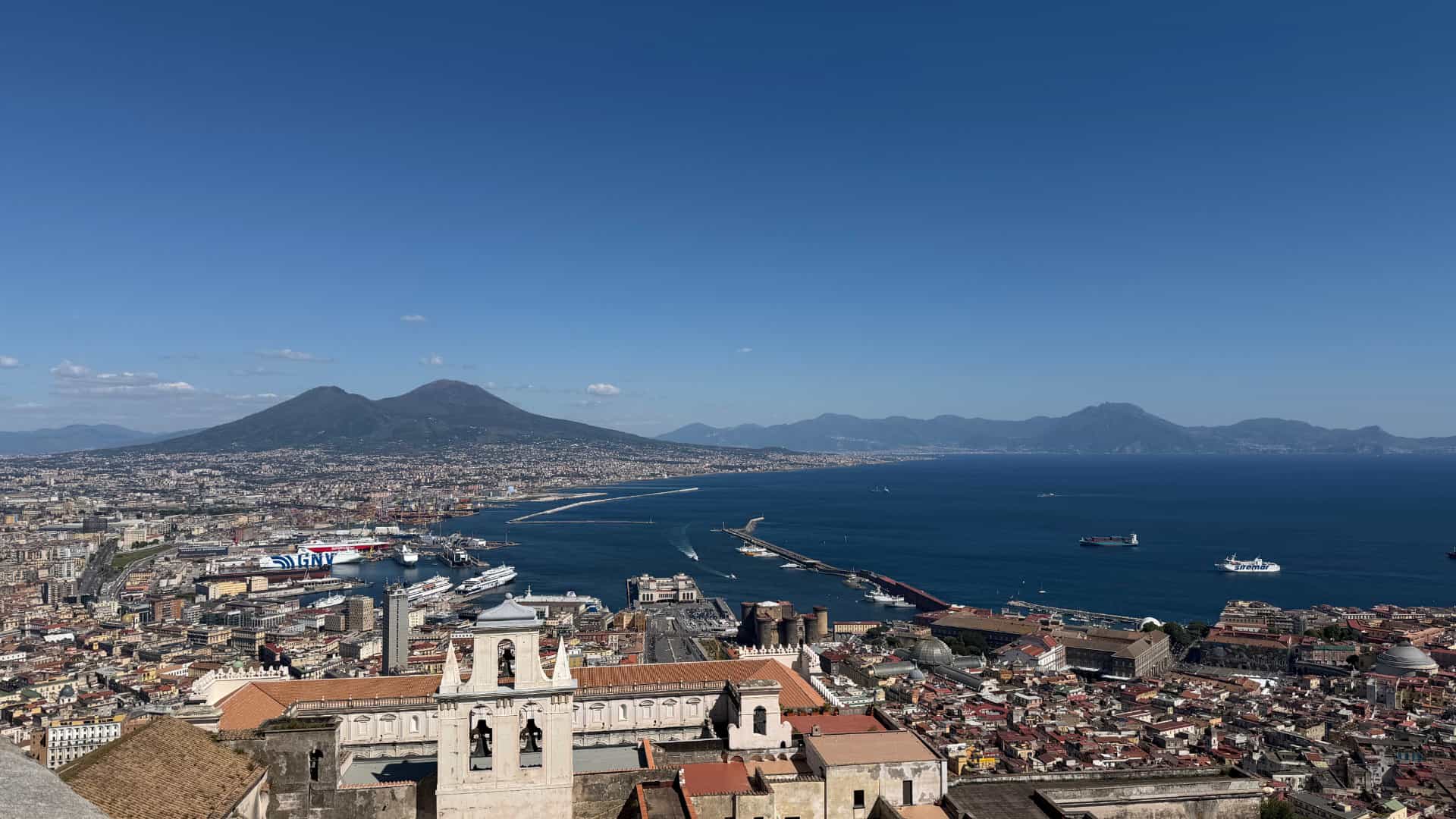
Dawn on the Gulf of Naples. The sulphur-heavy breath of Campi Flegrei hangs cold over the harbor, mixing with the sharp scent of morning diesel, wet volcanic stone, and roasting espresso beans. The Circumvesuviana train screams on its tracks in the distance, a metallic screech cutting through the low, humid hum of early commuters. Ahead lies the Tyrrhenian, its surface not blue, but a bruised violet, churned by a stiff force-four wind. Here, the soft romanticism of Italy is violently stripped away. The tarmac of the coastal road is slick with salt spray and the residual grease of a million engines, demanding absolute mechanical focus.
Geography & The Stakes
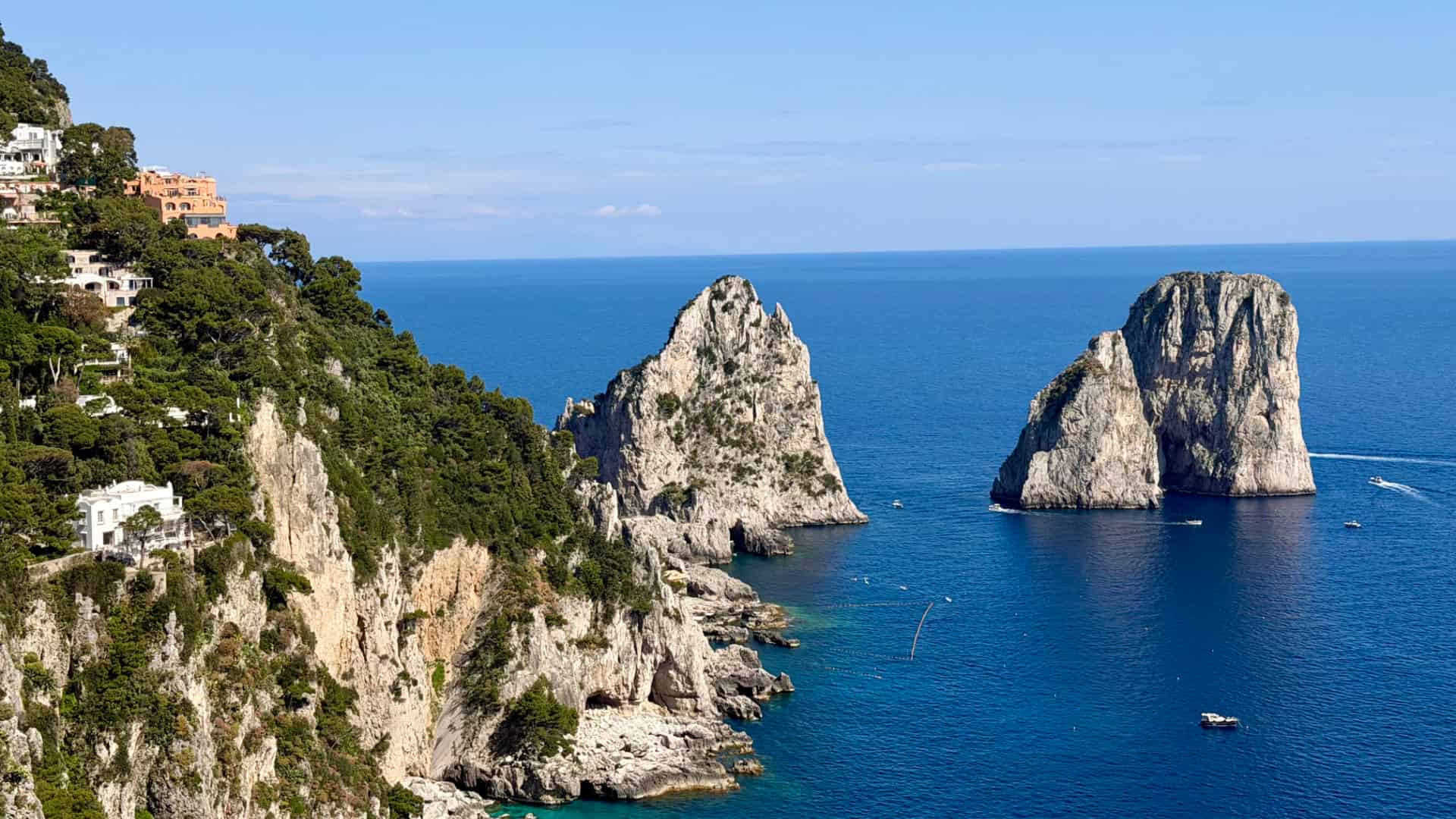
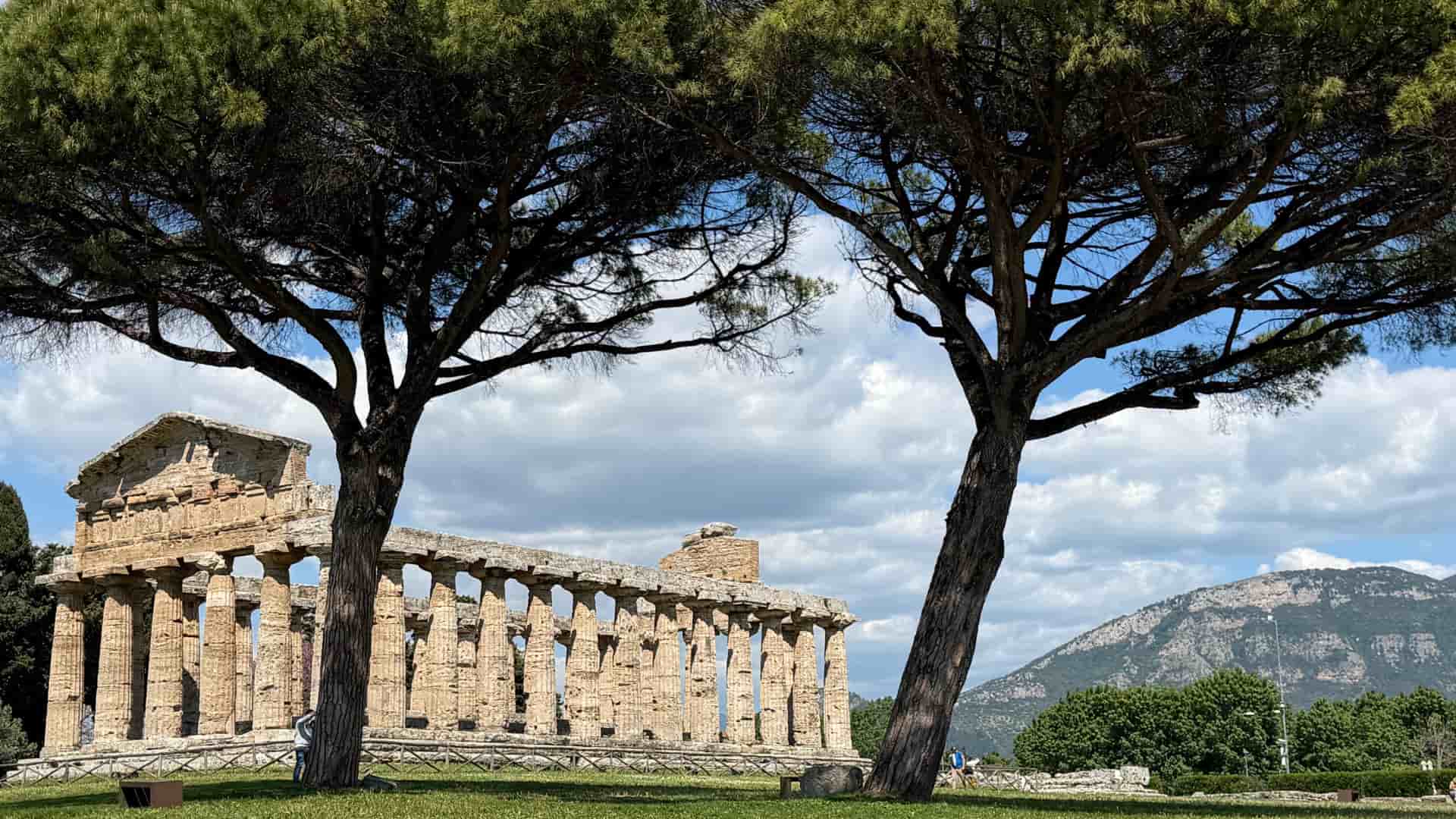
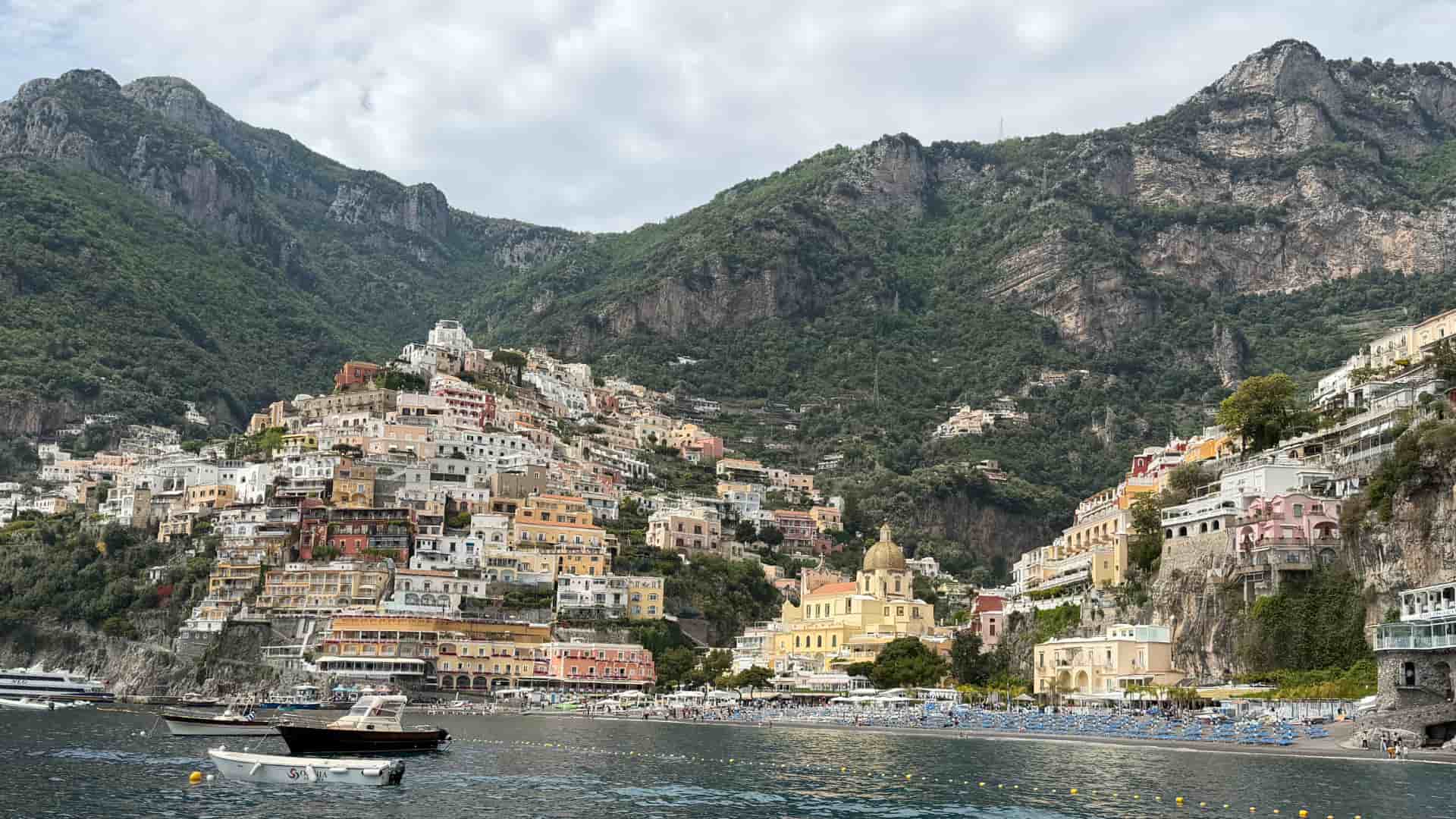
This corridor—stretching from the limestone drop-offs of Capri and the vertical citrus terraces of the Sorrentine peninsula down to the ancient Greek bedrock of Paestum—is a geography of tectonic friction. To travel it is to confront a landscape sculpted by violent compression and imperial ambition. The limestone cliffs of Amalfi do not slide gently into the sea; they drop sheer, plunging hundreds of meters into deep ocean trenches. Historically, this terrain acted as both a maritime shield and a crucible. The Greek colonists of 600 BC chose the swampy, fever-ridden plains of Paestum not for comfort, but to anchor Magna Graecia against barbarian incursions, erecting Doric temples of travertine that have withstood twenty-six centuries of seismic tremors. It is a route that leaves no room for casual wandering or mechanical failure.
The Logistics & The Movement
Navigating this trajectory requires a cold calculation of machinery, physics, and timing. Our journey began at Naples’ National Archaeological Museum, cataloging the heavy bronze weight of Roman artifacts, before plunging into the chaotic traffic artery heading south. We utilized a rear-wheel-drive sedan with a stiffened chassis—crucial for managing the body roll on the SS163, a narrow rib of asphalt carved into the cliff face where passing a local SITA bus requires millimeters of precision and mirrors folded flat.
From the high-friction tarmac of the Amalfi coast, we shifted our logistical theater to the sea. Crossing to Capri meant managing a rigid-hulled inflatable boat against a chopping cross-swell, forcing the hull to slam violently against the Tyrrhenian currents. On the island, we bypassed the tourist plazas, climbing the sheer Phoenician Steps—921 steps of uneven limestone—demanding relentless quad-burning endurance to reach the high-altitude solitude of Anacapri.
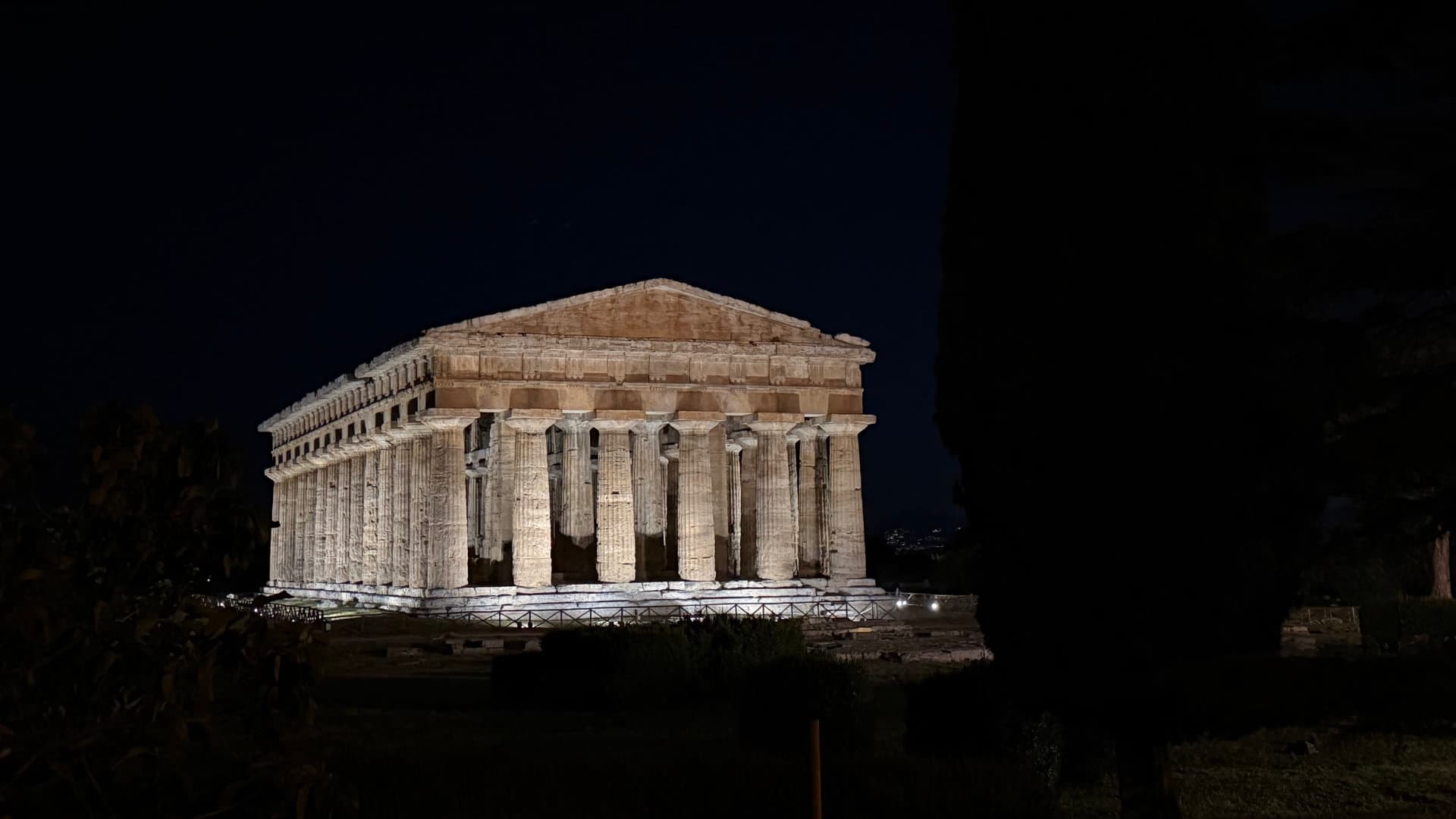
The logistical pivot came at Paestum. Here, the air changes from marine salt to the rich, damp earth of the Sele River plain. We timed our arrival with the moonrise, observing the massive columns of the Temple of Hera. The limestone blocks, pitted by millennia of wind, glowed with a pale, bone-like radiance under the lunar light. From there, the push inland to the Certosa di Padula—one of the largest cartographic footprints of monastic isolation in Europe—demanded a rigorous high-altitude drive through the Cilento national forest. The winding asphalt rises to over 1,000 meters, testing the car’s braking system on steep, unlit descents. Finally, we turned north toward Rome, trading the raw mountain passes for the high-speed Autostrada del Sole. The transition from the ancient, massive stone blocks of the south to the modern, acoustic-treated wood and concrete of Renzo Piano’s Auditorium Parco della Musica in Rome was a masterclass in structural evolution, proving that human movement is always governed by the materials we conquer.
The Human & Cultural Echo
Beneath the physical friction of the landscape lies a complex human stratigraphy. In Naples, this manifests in the Esoteric Baroque of the Sansevero Chapel, where the marble of the Veiled Christ appears so fluid it challenges the limits of human handiwork. It is a tension between the sacred and the profane, mirrored in the nearby cloisters of Santa Chiara, where 18th-century Majolica tiles depict scenes of rustic, earthly life amidst monastic silence. Further south, the human footprint becomes agricultural and resilient. At Tenuta Vannulo, we observed the meticulous husbandry required to produce authentic buffalo mozzarella, where the animals are kept in highly regulated, stress-free environments to yield milk of precise fat content. Along the Amalfi terraces, the human element is one of sheer physical defiance: farmers carrying hundred-pound crates of IGP lemons down thousands of vertical steps. This is not pastoral leisure; it is a brutal, ancestral pact with an unforgiving topography, preserved through muscle memory and generational willpower that refuses to yield to the steepness of the world.
The Calibration & The Horizon
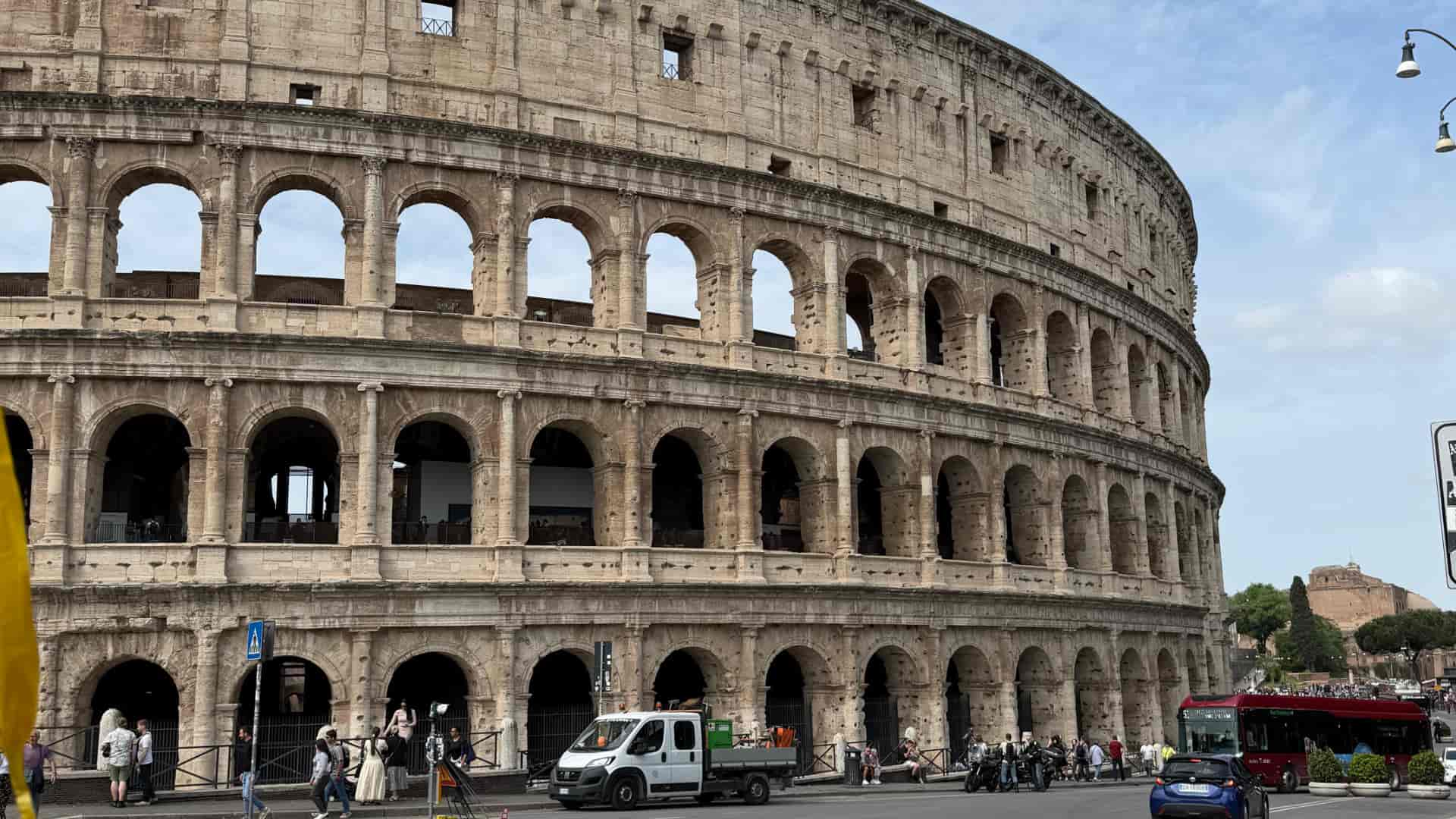
The final calibration occurs in Rome, where the raw physical toll of the southern coast meets the intellectual weight of antiquity. This journey does not offer easy comfort. It demands physical endurance, navigational precision, and a willingness to confront the heavy, sometimes suffocating layers of history. The reward is not a collection of digital images, but a profound recalibration of one's internal compass. To stand before the towering Doric columns of Paestum or navigate the narrow cliffside ledges of Amalfi is to realize that true travel is an act of friction—a deliberate testing of self against the stubborn, magnificent permanence of the earth.