
Sailing the Borderlands of Limestone, Katabatic Storms, and Deep-Draft Reality
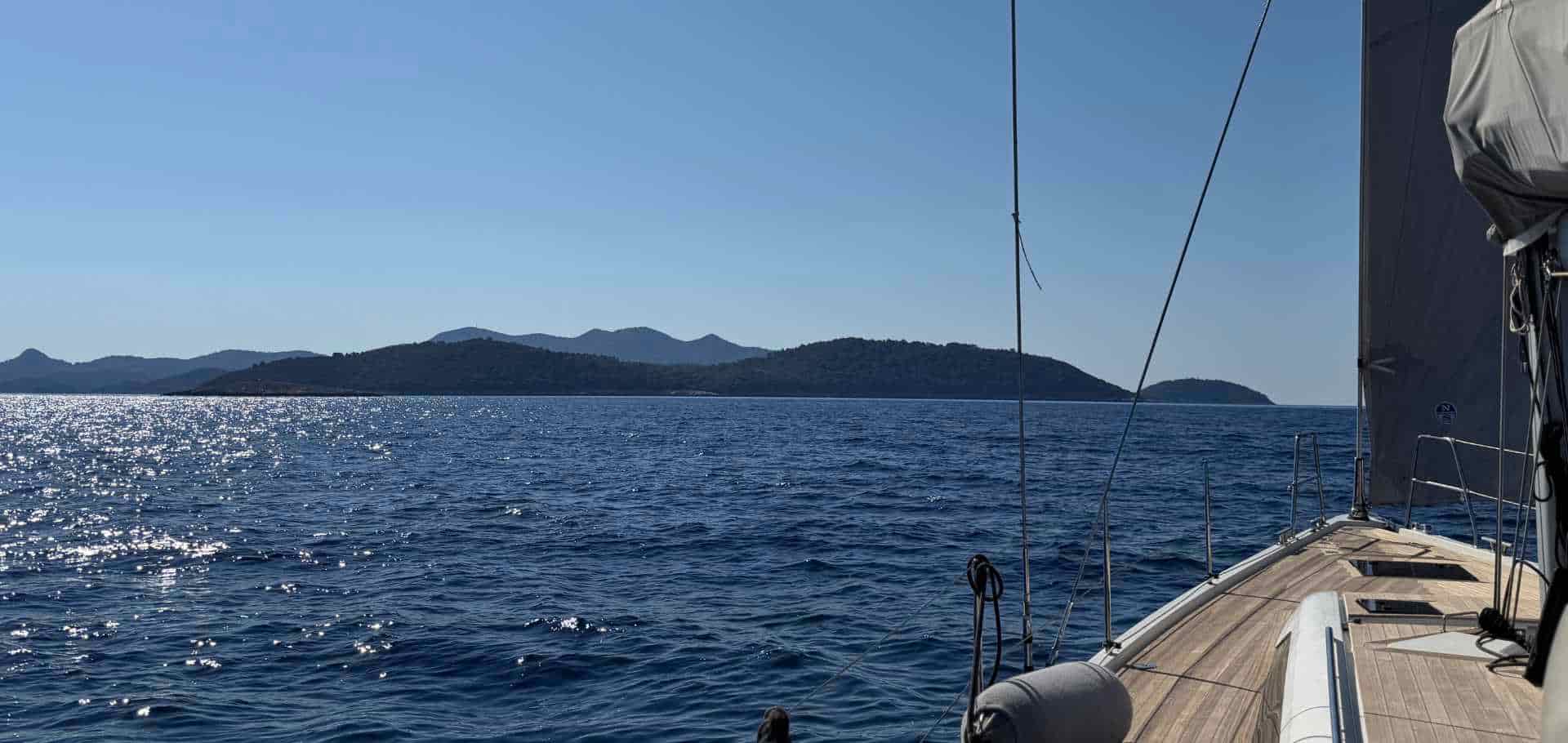
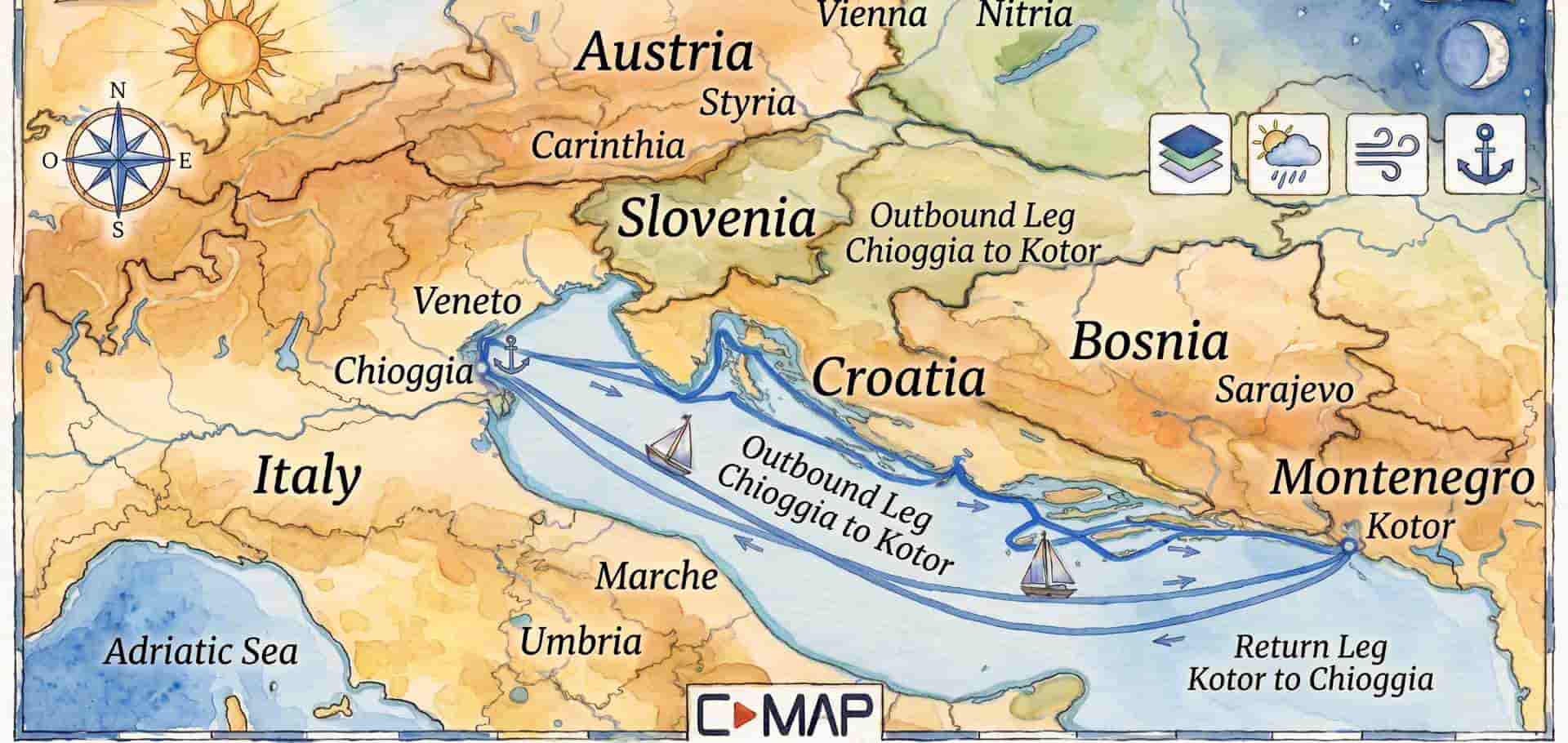
At 06:00 on June 7, 2026, the mooring lines of the Solaris 44 Sloop Experior slipped from the damp cleats of Porto San Felice in Chioggia. Ahead lay the northern Adriatic shelf, a shallow, fifty-meter-deep basin of deceptive calm. The morning sun broke through a haze of diesel exhaust and brackish lagoon air, illuminating a mirror-flat sea. There was no sailable wind, only the rhythmic drone of the Volvo Penta engine and the silent, mechanical tracking of the autopilot. Sixty nautical miles of open-water transit stretched toward the limestone spine of Istria—an unyielding horizon testing both patience and structural preparation.
Geography & The Stakes
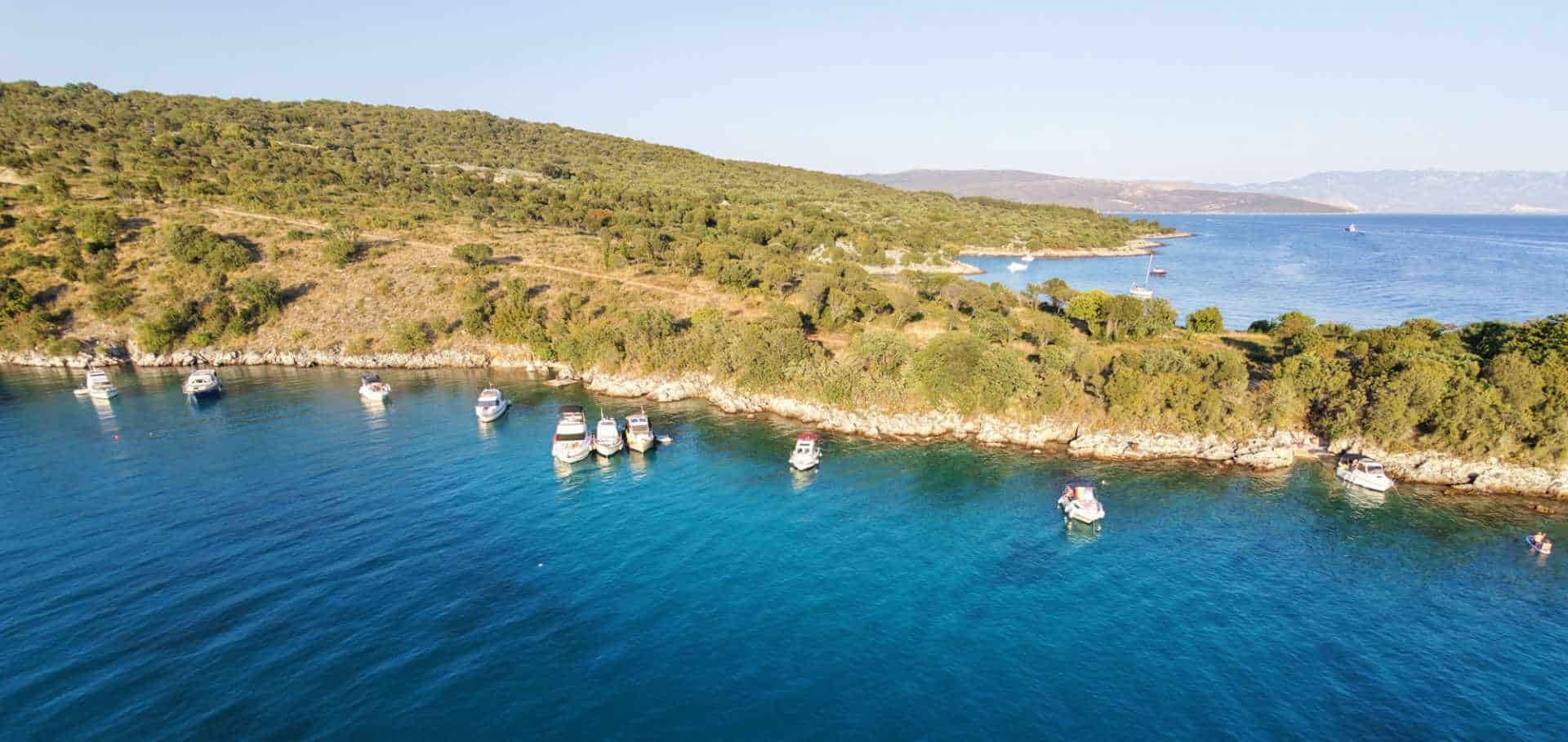
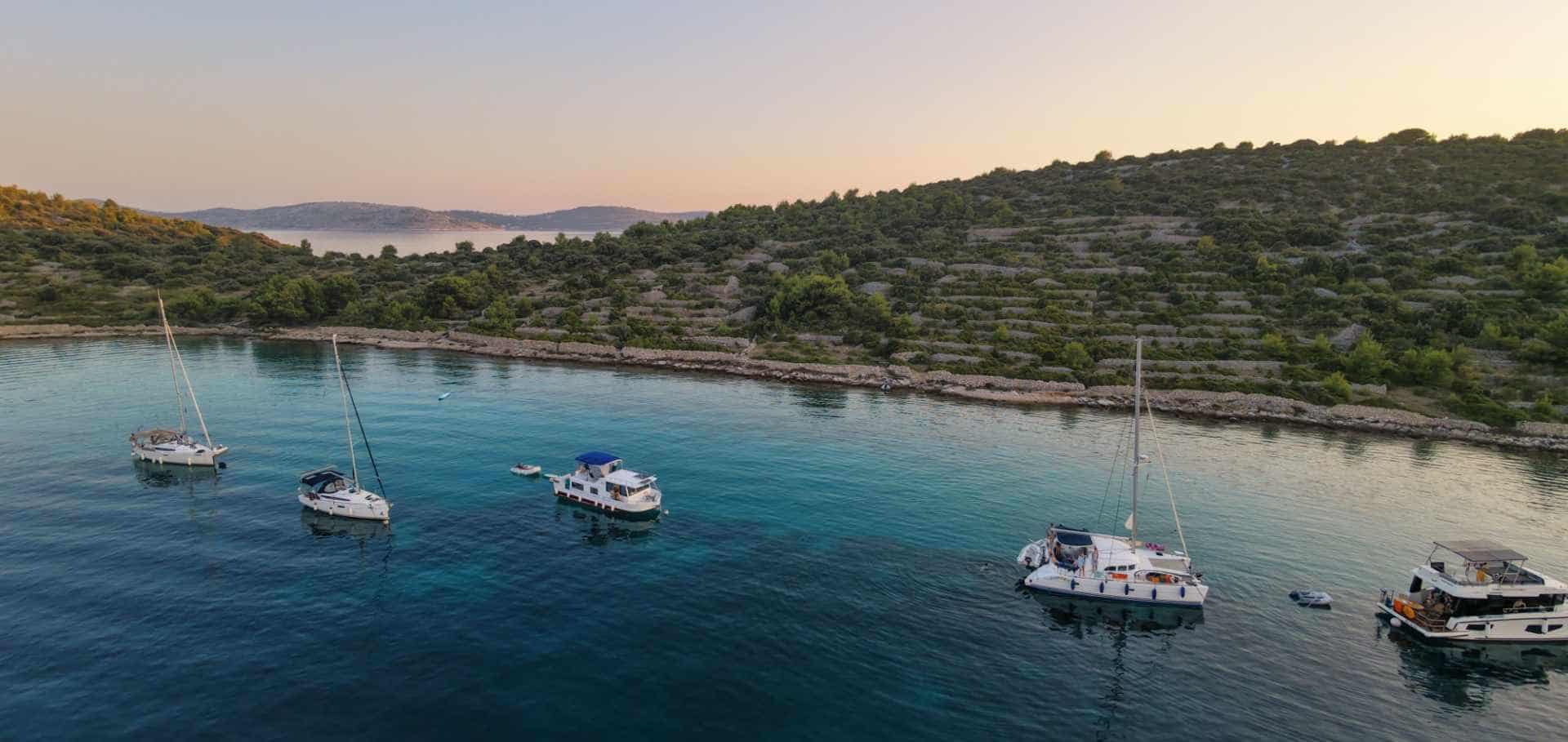
This thousand-mile loop is no leisurely coastal cruise; it is an unforgiving navigation through tectonic collision zones and severe microclimates. The eastern Adriatic coast is an intricate maze of over a thousand drystone islands, where deep-draft hulls must negotiate narrow, shallow passages like the Ilovik channel, shifting sandbars, and unpredictable depths. The stakes are governed by geography: the towering 1,000-meter cliffs of the Bay of Kotor form a dramatic tectonic ria that funnels sudden, howling katabatic winds. At any moment, the notorious Bora can scream down from the coastal mountains, transforming peaceful anchorages into chaotic lee shores. Here, the sea-bed is a graveyard of Roman timber and modern fiberglass, demanding absolute navigational vigilance and structural respect from any vessel drawing over two meters of water.
The Logistics & The Movement
To command a modern sloop through these waters requires relentless technical vigilance. On Day 5, off Ilovik, the hull kissed a shifting sandbar; only a precise masthead tow maneuver, heeling the yacht to reduce our draft, freed the keel from the sandy shoal. Farther south, near the Zadar archipelago, an engine-room inspection revealed seawater pooling in the bilge—a failed, non-spec anti-siphon valve. We rigged an emergency catchment bottle, pumping the bilge dry on a strict ninety-minute monitoring watch until we could source a certified Volvo Penta technician in Šibenik.
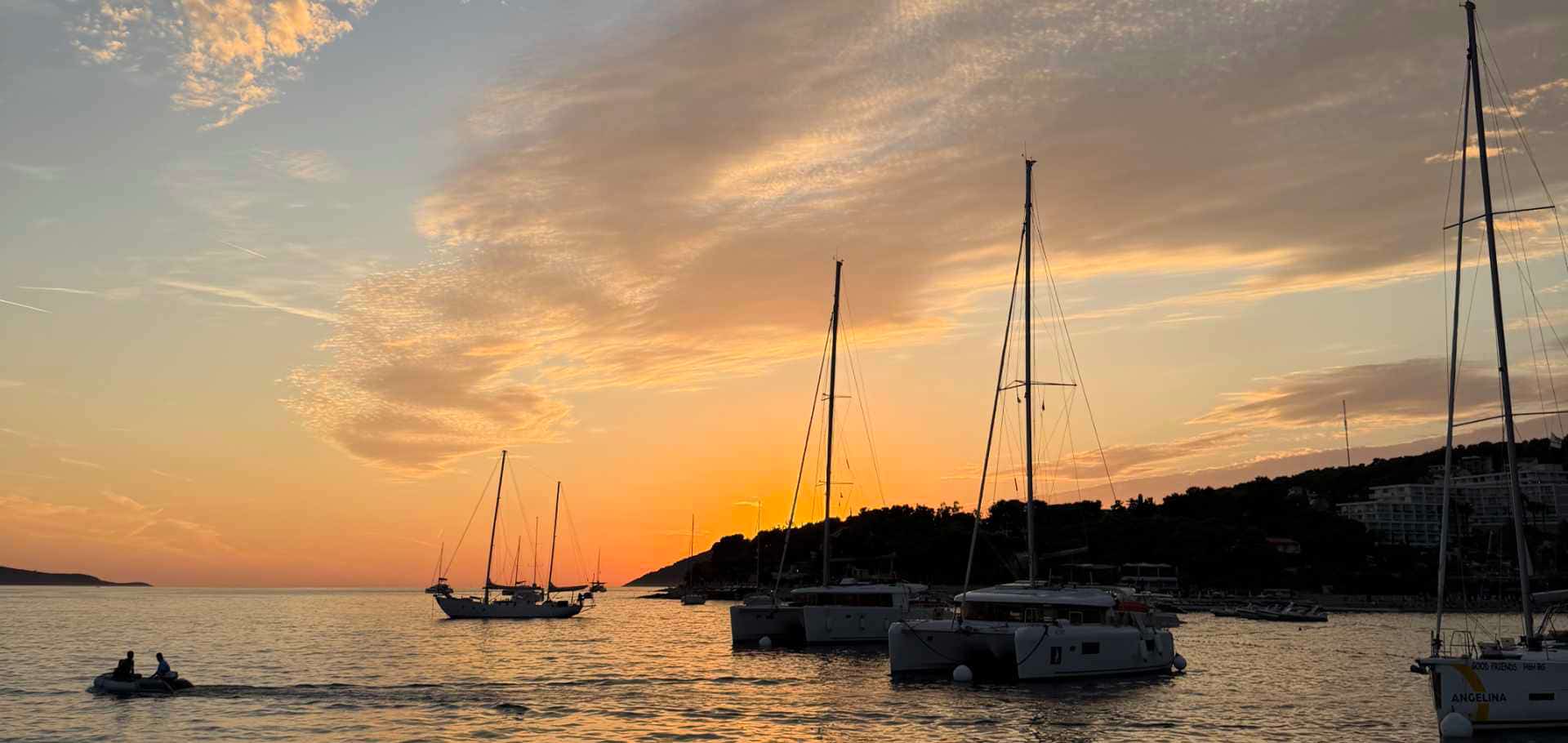
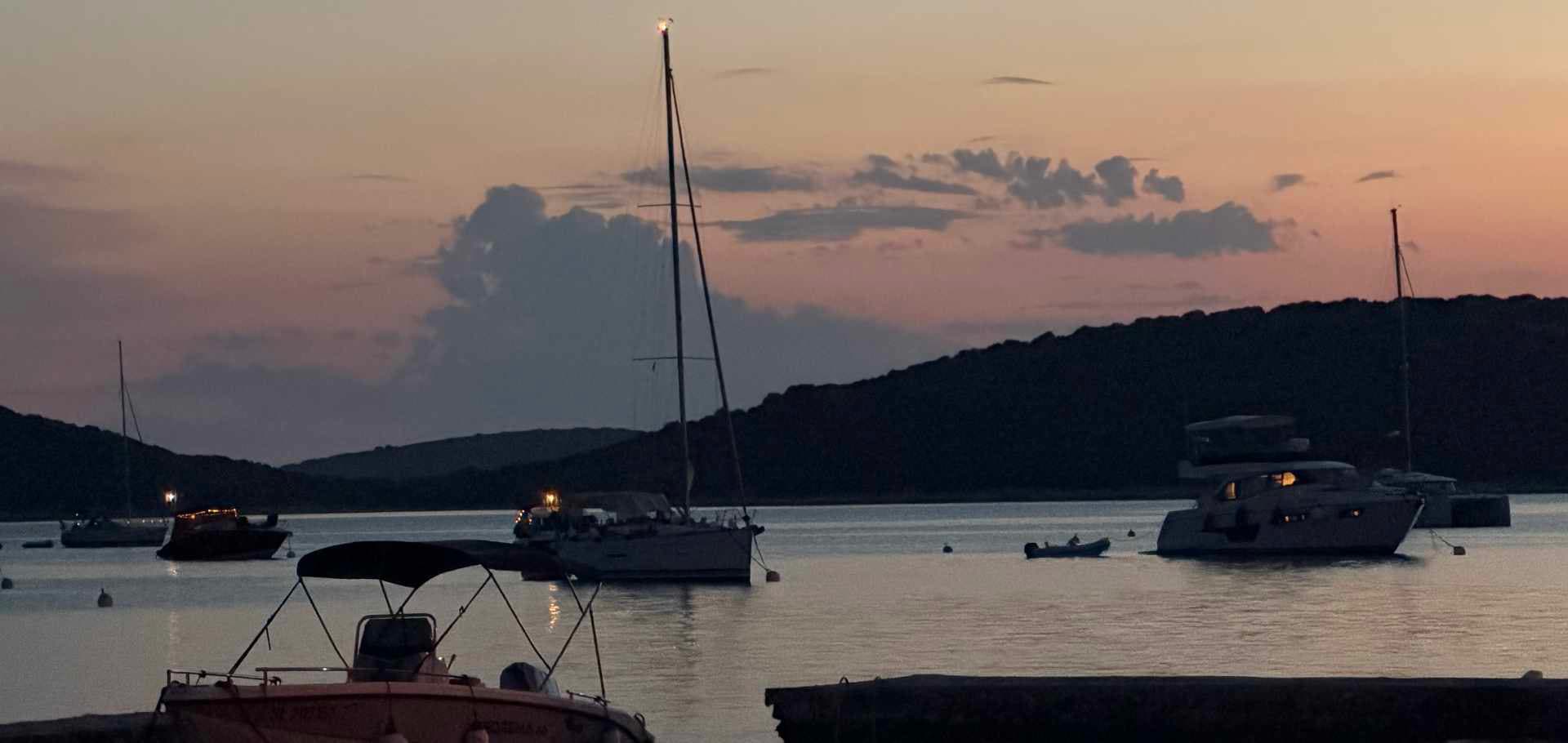
But the true tactical crucible arrived in Trogir on June 29. The house battery bank collapsed, dropping to a critical 12.1 volts. Rejecting a predatory marina replacement quote of 3,500 euros, we launched a self-sourced refit. Over two scorching days, we executed ten local transport runs across fifteen suppliers in Split and Trogir, manually hauling 130 kilograms of heavy-duty Leoch AGM batteries into the tight locker quarters. We rebuilt the 12-volt DC architecture: overhauling the six-millimeter solar panel wiring with heat-shrink tubing, upgrading terminal studs to robust M8 fittings, and crimping seventy-millimeter charger lines. This mechanical self-reliance was instantly tested on July 4 at Šeget Vranjica Bay. A sudden Bora gale lashed the hull with sustained thirty-five-knot gusts. We deployed fifty meters of heavy chain backed by a two-meter nylon snubber line to protect the windlass gypsy. Through the peak storm surge, we maintained hourly anchor watches; the ground tackle held with surgical precision.
The return crossing on August 12 was a masterclass in offshore movement. Leaving Veruda, the Experior logged a seventy-three-mile open-water passage back to Venice. We carved through a choppy northeast swell under a reefed main and jib, hitting an exhilarating 8.3 knots on a ninety-degree beam reach. Reaching Venice, we navigated an unseasonably shallow 2.1-meter tide at the Certosa Marina entrance with mere centimeters of clearance beneath our keel bulb—a tense, high-stakes conclusion to a high-performance voyage.
The Human & Cultural Echo
The Adriatic is a living archaeological archive. Beneath the modern keel lies the dust of empires. In Rovinj, we made landfall beneath the sixty-meter bell tower of Saint Euphemia, constructed in 1736 to mimic Venice’s Campanile. In the Kornati National Park, we cruised beneath the sun-bleached karst slopes and the towering limestone ramparts of Byzantine fortresses that once monitored the ancient trade routes. Dropping ground tackle in Mljet’s Polače Bay, the anchor set in mud directly before the massive, crumbling stone arches of a fifth-century Roman Palatium. Diving into the translucent depths, one swims over sunken Roman harbor masonry, a visceral reminder of those who sought shelter in these exact coves two millennia ago. The human element survives in subtle, ancient rhythms: from the elderly rower selling fresh apricot cake in Veruda to the dark-sky canopy of Lastovo, where the lack of light pollution reveals the same Milky Way that guided Venetian galleys home. It is a coast where stone, wind, and human history remain indissolubly linked.
The Calibration & The Horizon
A voyage of this magnitude calibrates the soul. The effort-to-reward ratio is not measured in sun loungers or tranquil afternoons, but in the grit of midnight bilge repairs, the tension of shallow-water navigation, and the raw thrill of a well-balanced sail plan under a stiff beam breeze. The Adriatic tests the voyager's self-reliance, demanding a rare synthesis of mechanical mastery and maritime patience. As we rigged the final home berth mooring tackle back at Porto San Felice in Chioggia, the true horizon became clear: we do not conquer the sea; we merely earn its temporary consent, discovering our own limits in the process.