
From the Desiccated Dunes of the Namib to the Silt-Choked Arteries of the Chobe River
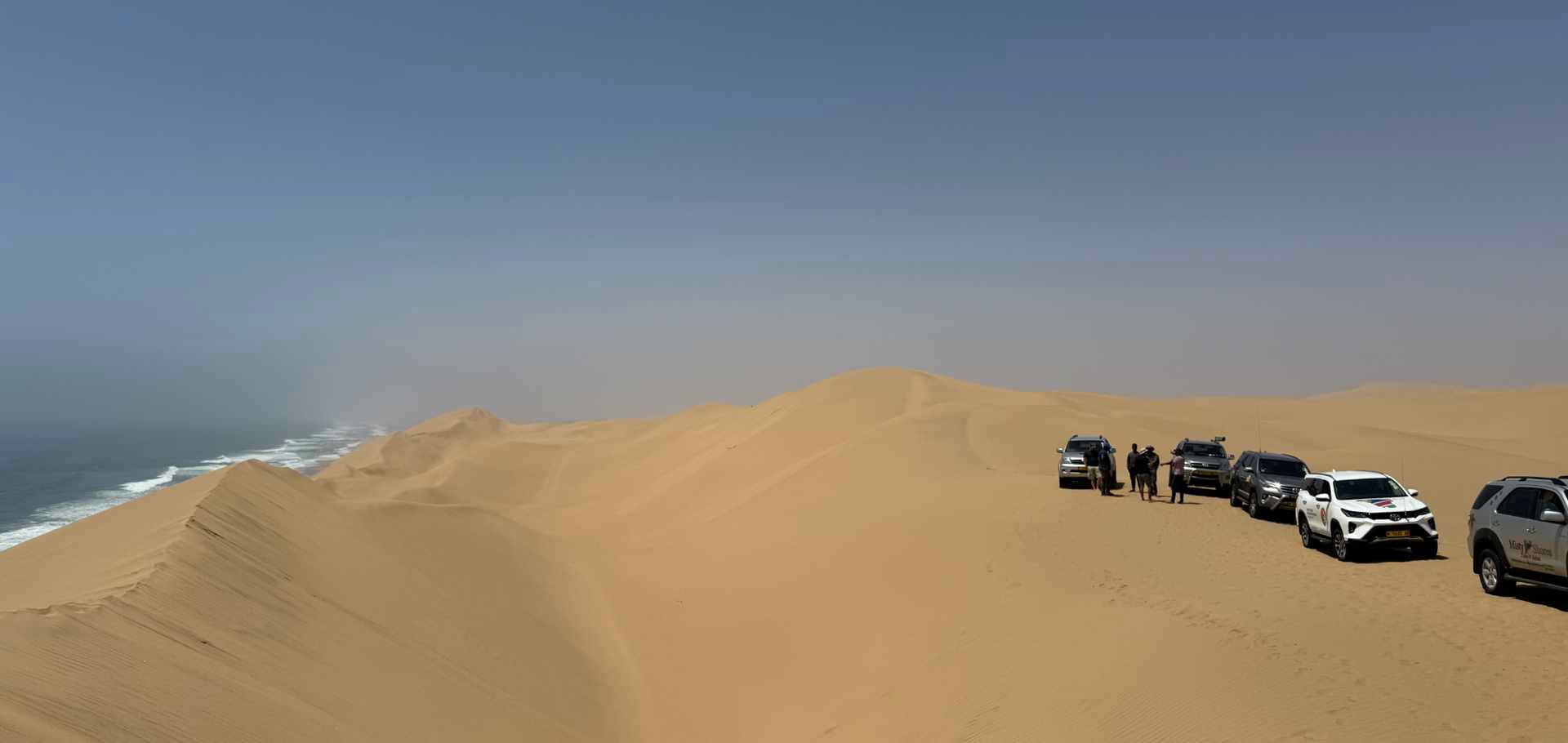
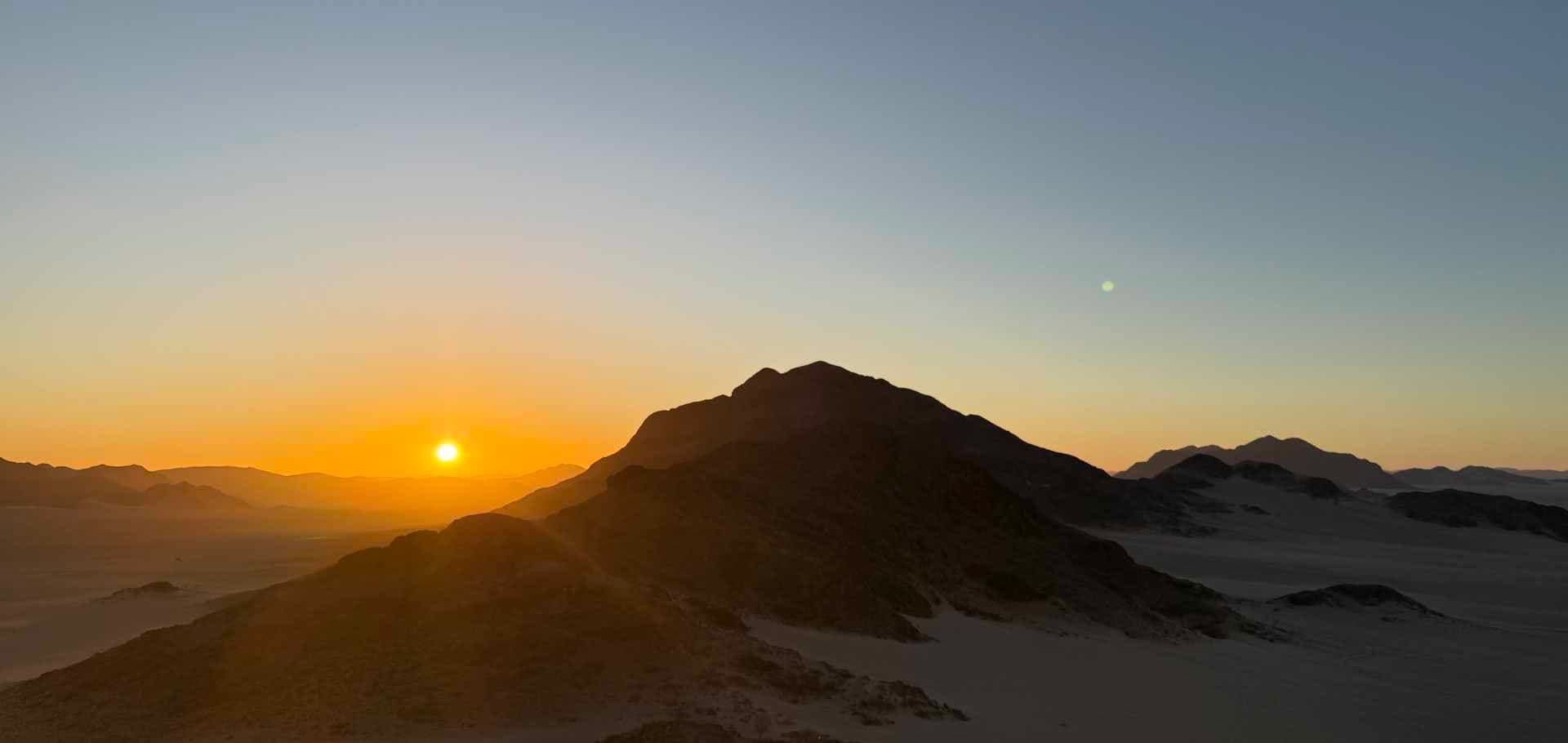
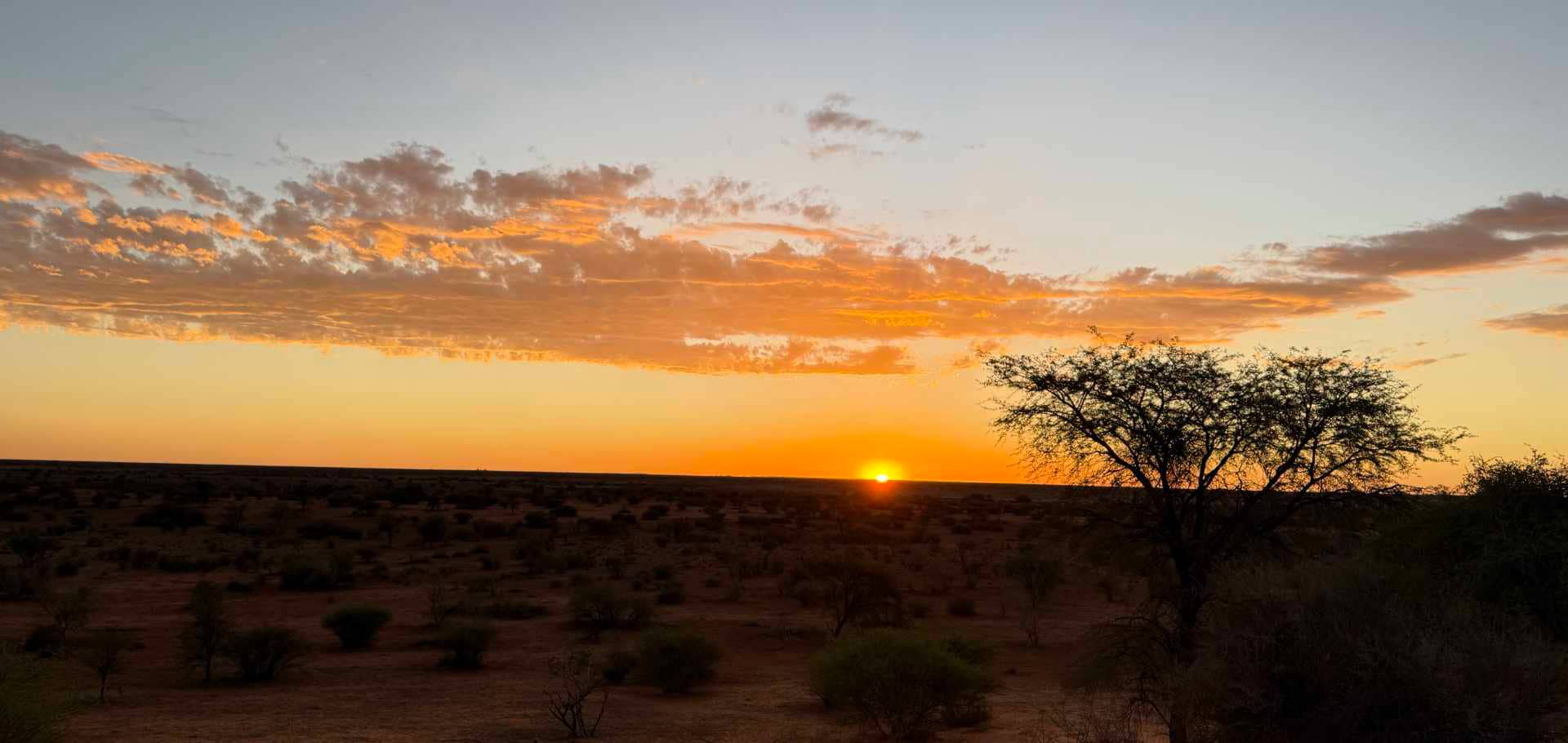
The ignition of the 5.6-liter V8 breaks the cold predawn silence of Windhoek at exactly 05:00. Outside, the highland air is thin, sharp with the scents of dry acacia and cold basalt. Ahead lies four thousand kilometers of Southern Africa’s rawest, most unforgiving meridians. Engaging the four-wheel-drive low-range transmission, the tires bite into the first rust-colored sand waves of the Kalahari. Dust, fine as pulverized brick, immediately coats the windscreen, a constant abrasive companion. There is no gentle transition on this continent; the terrain demands immediate physical adaptation as we transition from high-altitude plateau to the hyper-arid wastes of the ancient Namib, where the desert wind howls like iron against glass.
Geography & The Stakes
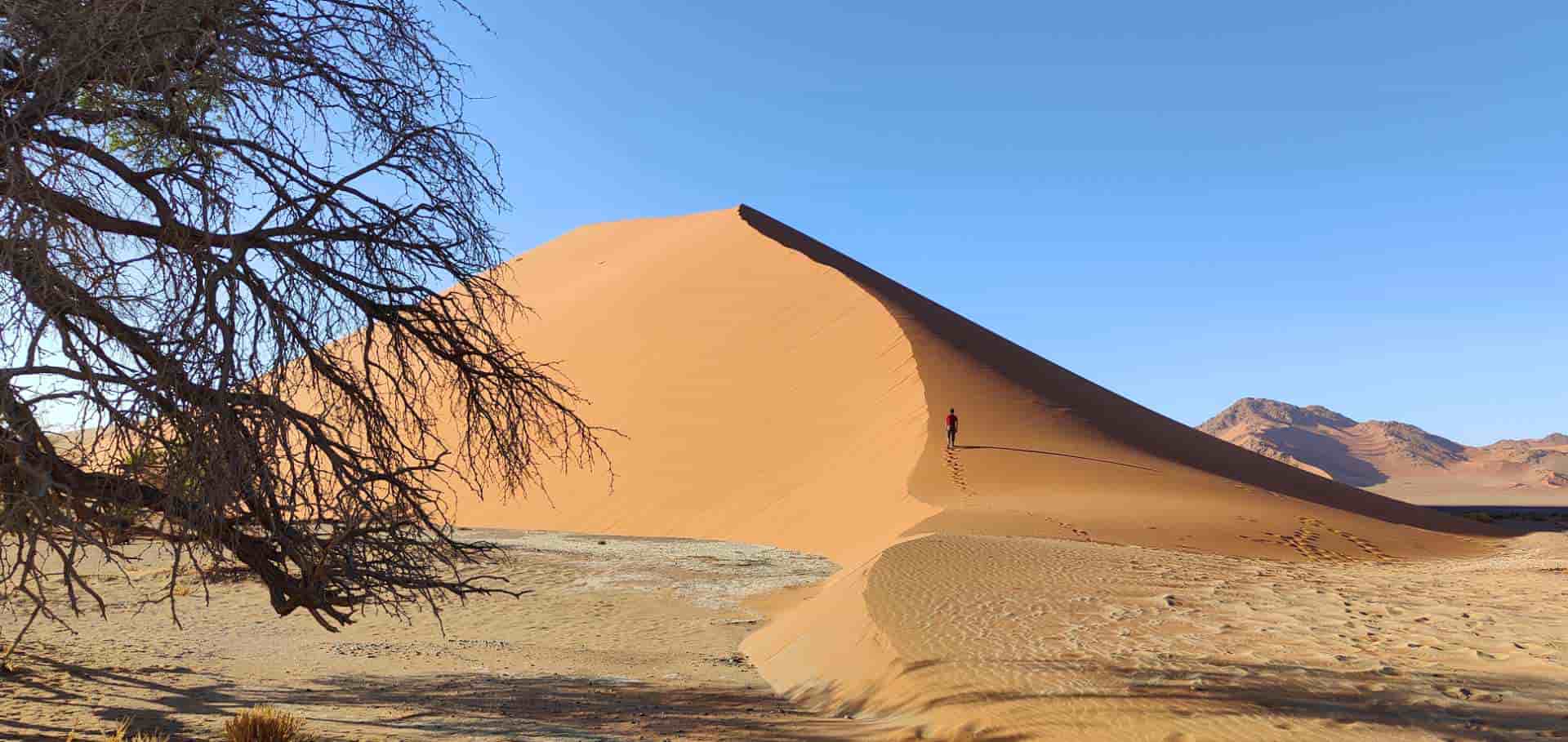
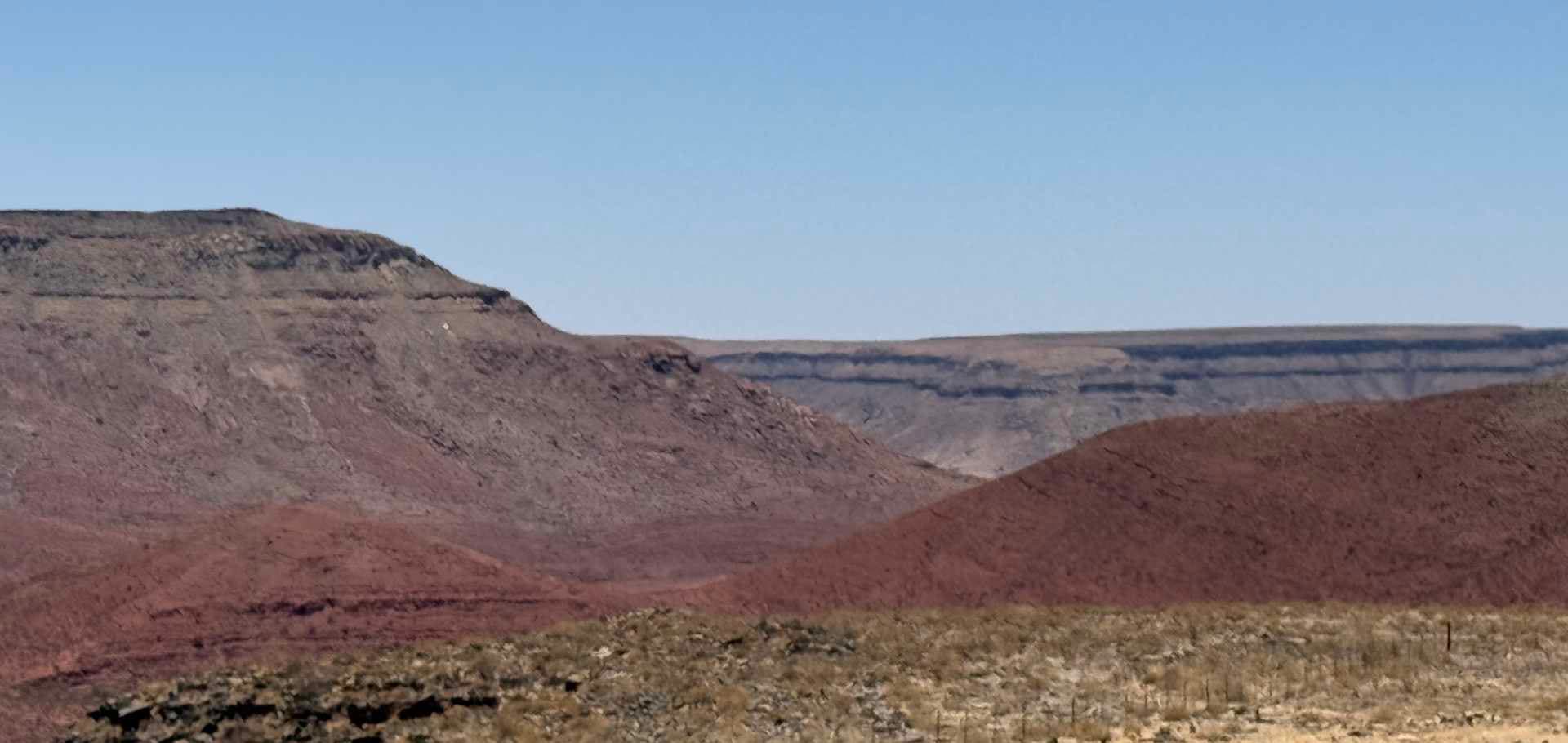
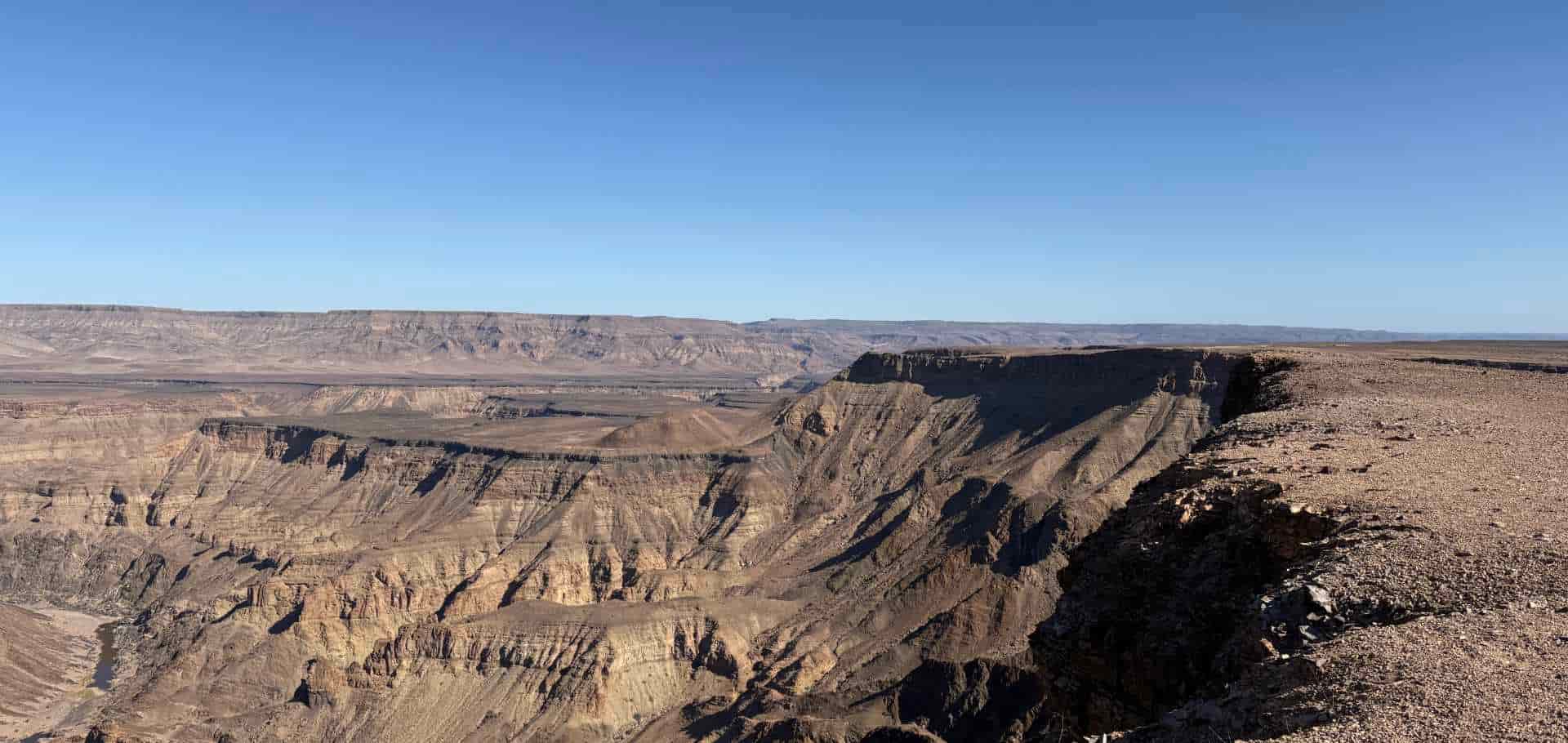
This route is a geological gauntlet shaped by radical tectonic rifting and hyper-arid microclimates. The Namib, an eighty-million-year-old desert, presents a towering wall of shifting silica dunes shaped by fierce Atlantic gales. To its south, the Earth tears open into the Fish River Canyon—a massive, jagged abyss plunged five hundred meters into the southern Namibian plateau, exposing primeval basement complex rocks dating back two billion years. To miscalculate tire pressure on these sharp shale tracks, or to misjudge fuel burn rates between remote outposts, is to court catastrophic mechanical failure in absolute isolation. The stakes are defined by this environmental hostility: the freezing Atlantic ocean to the west offers no reprieve, while the interior is a furnace of sun-baked hardpan and igneous rock that tests human endurance to its absolute limit.
The Logistics & The Movement
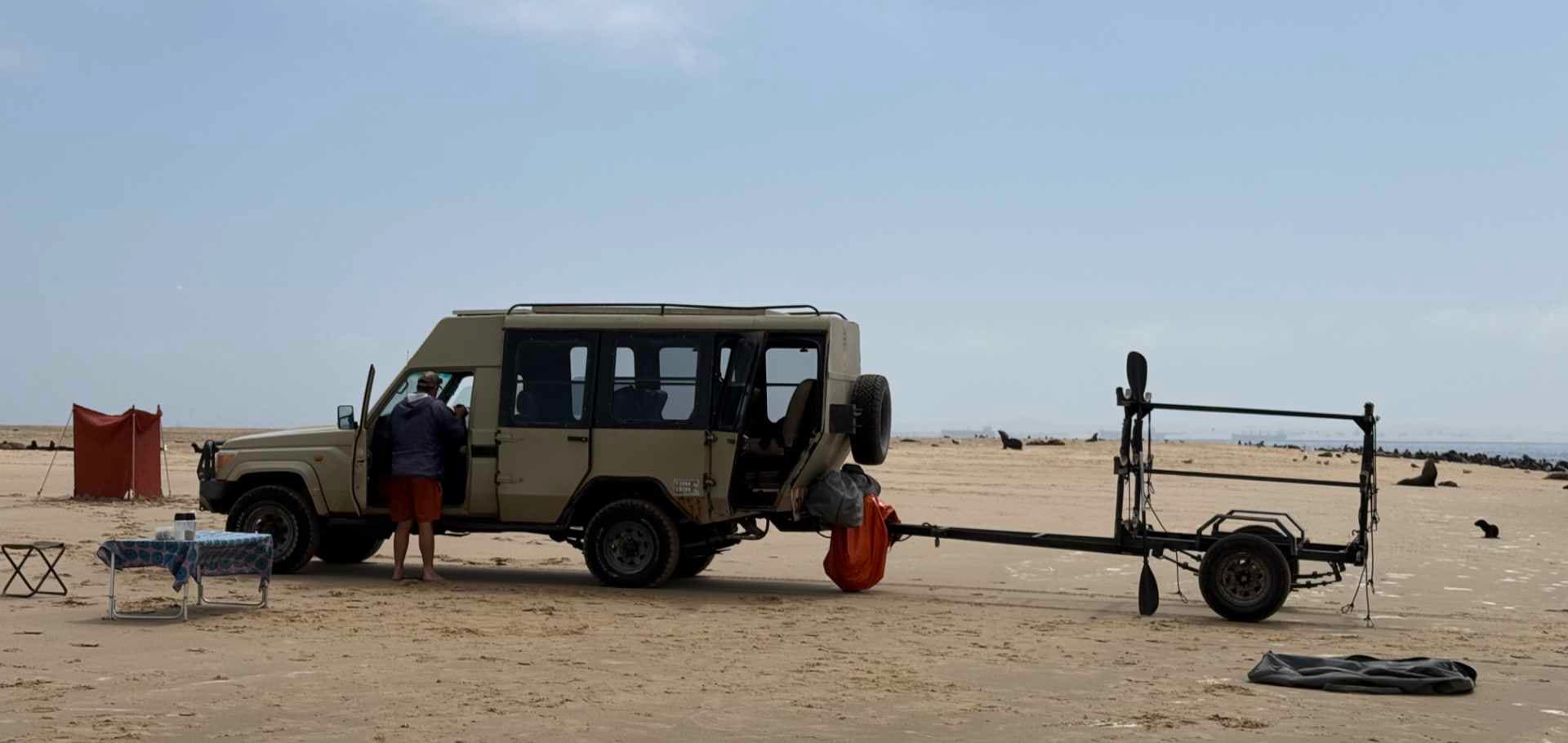
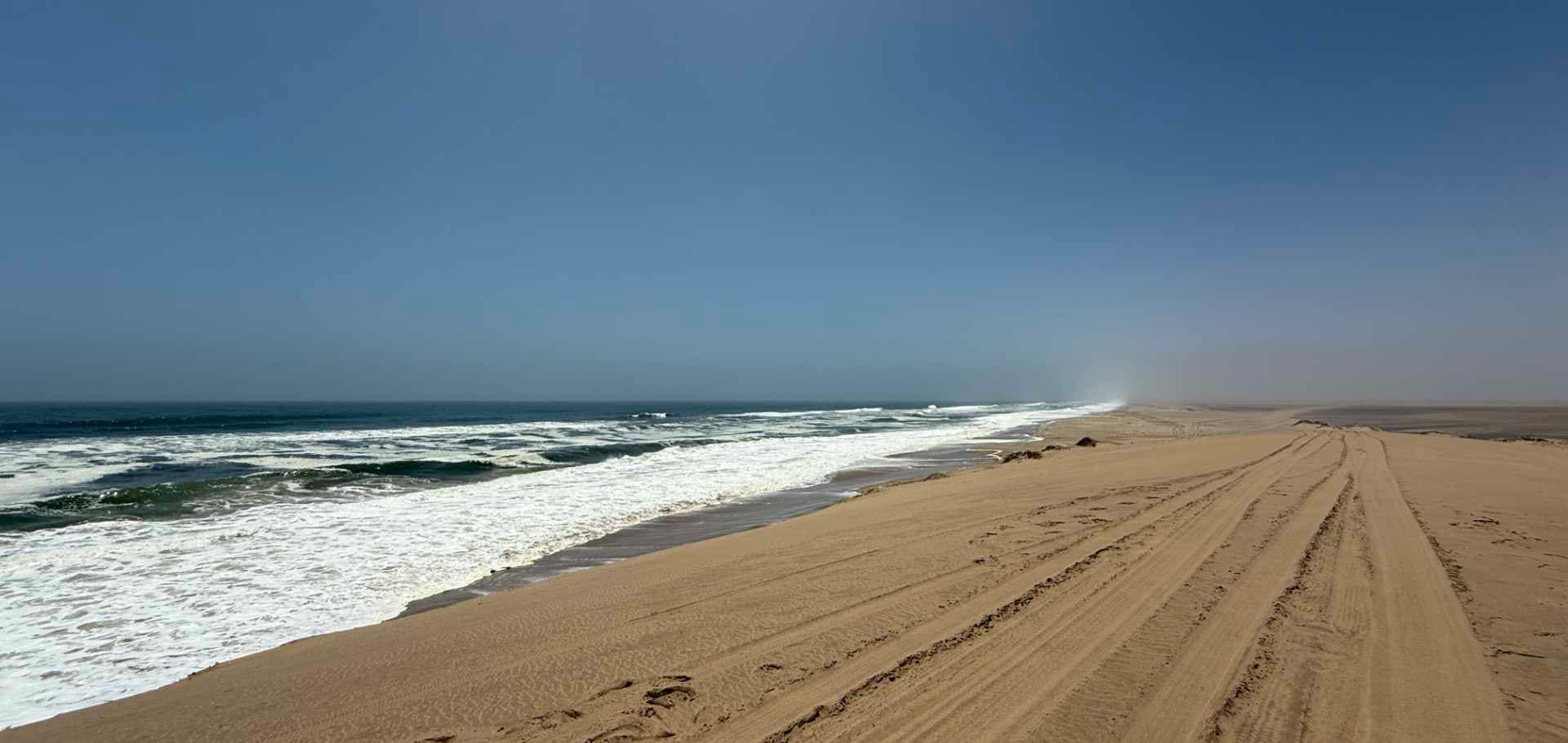
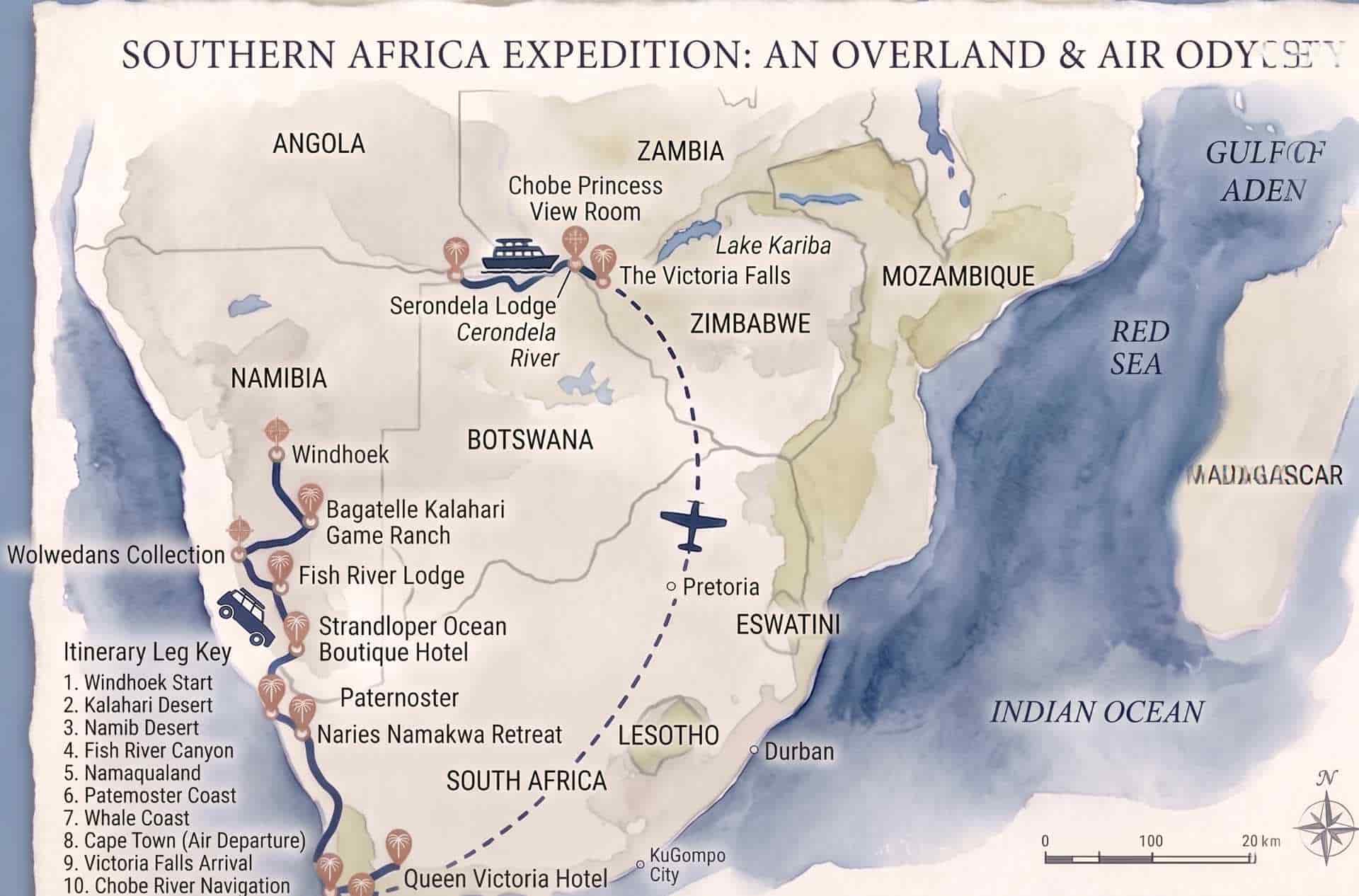
Tactical precision dictates survival when traversing this multi-state corridor. Our mechanical platform, a heavy-utility Nissan Patrol V8, serves as both shield and battering ram. Across the shifting tracks of Wolwedans, tire pressures are dropped to 1.2 bar to expand the contact patch over loose sand. Navigation requires constant vigilance; we trace the C12 route south toward the Fish River Canyon, where the terrain shifts to razor-sharp shale. Here, tires are reinflated to 2.4 bar to protect sidewalls from puncture-prone metamorphic rock.
Crossing the Orange River into Namaqualand, the dry heat of Namibia gives way to the moisture-laden Atlantic headwinds of South Africa’s Western Cape. At Paternoster, the cold Benguela Current pounds the granite shoreline, filling the air with heavy brine and diesel fumes from local fishing dhows. The route then demands a massive logistical pivot: a northeast transcontinental push bypassing urban bottlenecks to reach the basalt plateaus of Zimbabwe.
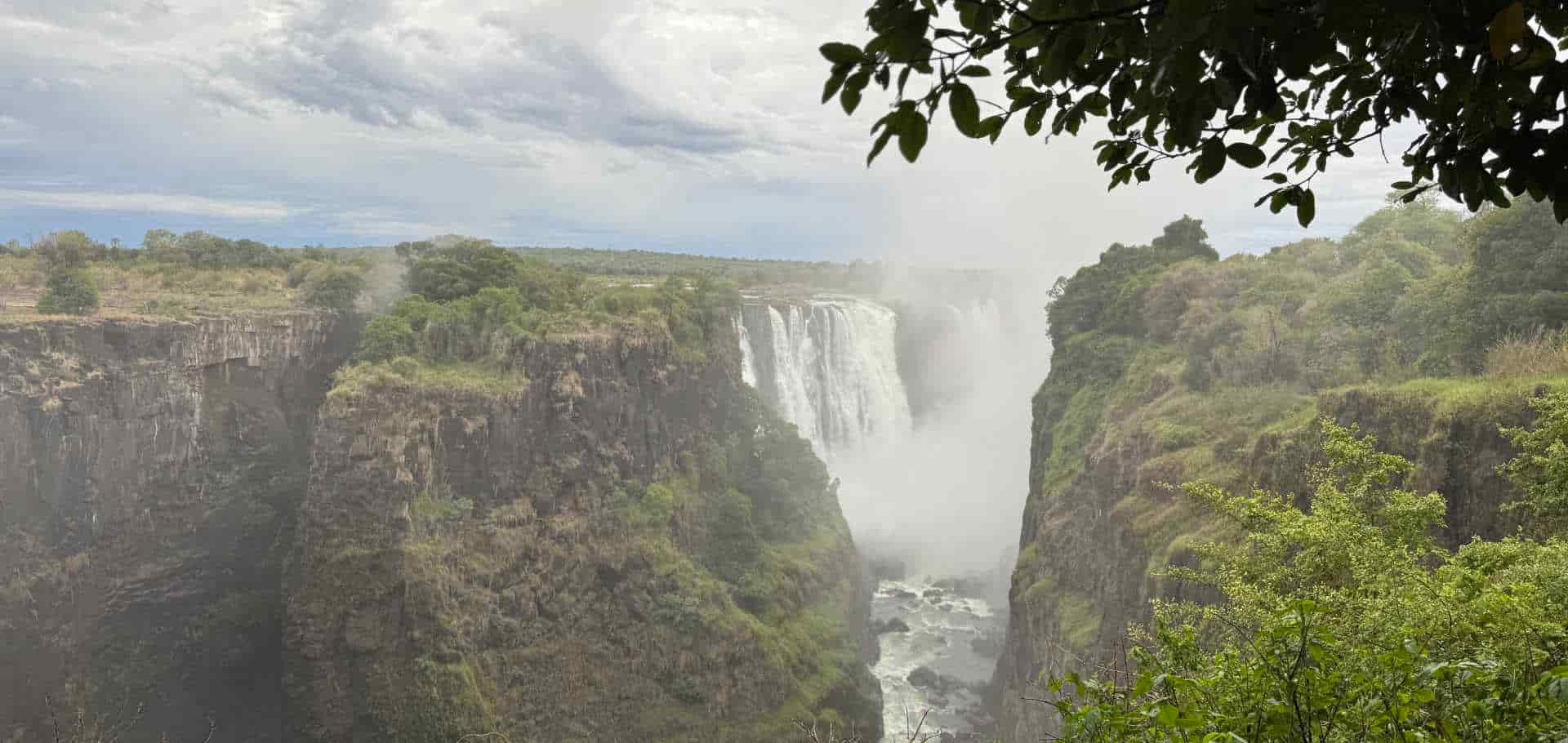
Arriving at Victoria Falls, the sheer physical scale of Mosi-oa-Tunya dominates the senses. Here, the Zambezi River drops over a hundred meters into a sheer basalt chasm, throwing up columns of high-velocity spray that saturate the air for kilometers. The tactical challenge shifts from dust filtration to water management, protecting delicate electronics from the dense, mineral-rich mist.
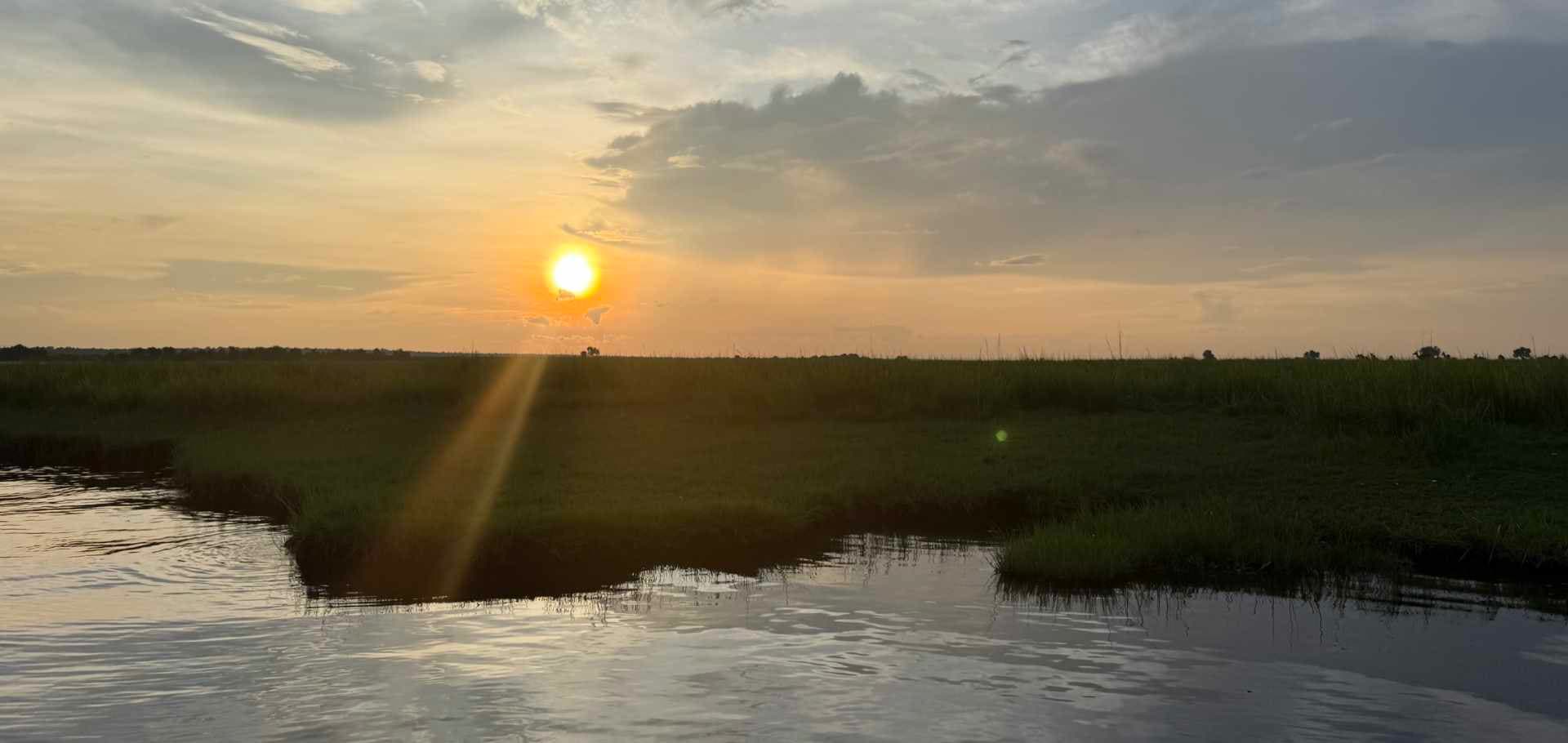
Finally, we transition to watercraft on the Chobe River along the Namibian-Botswanan border. Navigating a flat-bottomed aluminum skiff through reed-choked channels requires constant reading of the river current. Engine trim must be adjusted continuously to avoid the thick weed beds and submerged sandbanks that define the Chobe’s shifting hydrology. Here, the hum of the V8 is replaced by the low thrum of a marine outboard, maneuvering through territories dominated by territorial pods of hippopotami and massive breeding herds of elephants wading through deep channels. Every kilometer traveled is a study in ballast, fuel conservation, and mechanical resilience.
The Human & Cultural Echo
To traverse this raw frontier is to walk among ghost footprints left by those who mastered this terrain through sheer endurance. In the desert scrub of the Kalahari, we find the ancestral hunting tracks of the San, whose deep understanding of subterranean water sources allowed them to survive where modern machinery fails. Along the cold, wind-blasted Atlantic coast, the archaeological shell middens of the ancient Strandlopers reveal a centuries-old maritime subsistence strategy etched into the dunes.
Further north, near Victoria Falls, the grand colonial stone of the Victoria Falls Hotel stands as a monument to late-nineteenth-century engineering hubris, built where early European explorers once struggled against malaria and dense riverine scrub. Today, this historical layer merges with the living cultures of the Lozi and Tonga people, whose lives remain tethered to the seasonal pulse of the Zambezi. This is not empty wilderness; it is a hard-won habitat, a cultural palimpsest where human survival has always depended on reading the subtle shifts of wind, water, and animal migration.
The Calibration & The Horizon
After thousands of kilometers of punishing corrugations, blinding salt pans, and drenching river mists, the journey leaves an indelible mark. This expedition is not a passive escape; it is a physical and mental recalibration. The constant friction of the African terrain strips away the superficial, testing the limits of mechanical endurance and human patience. What remains on the horizon is a sharpened clarity. We do not conquer these ancient landscapes; we merely endure them, emerging from the dust and water-spray with a profound respect for the uncompromising laws of the natural world.