
A Rigorous Autopsy of Wind, Reef, and Reef-Graven Solitude in the Wake of Ancestral Polynesian Voyagers
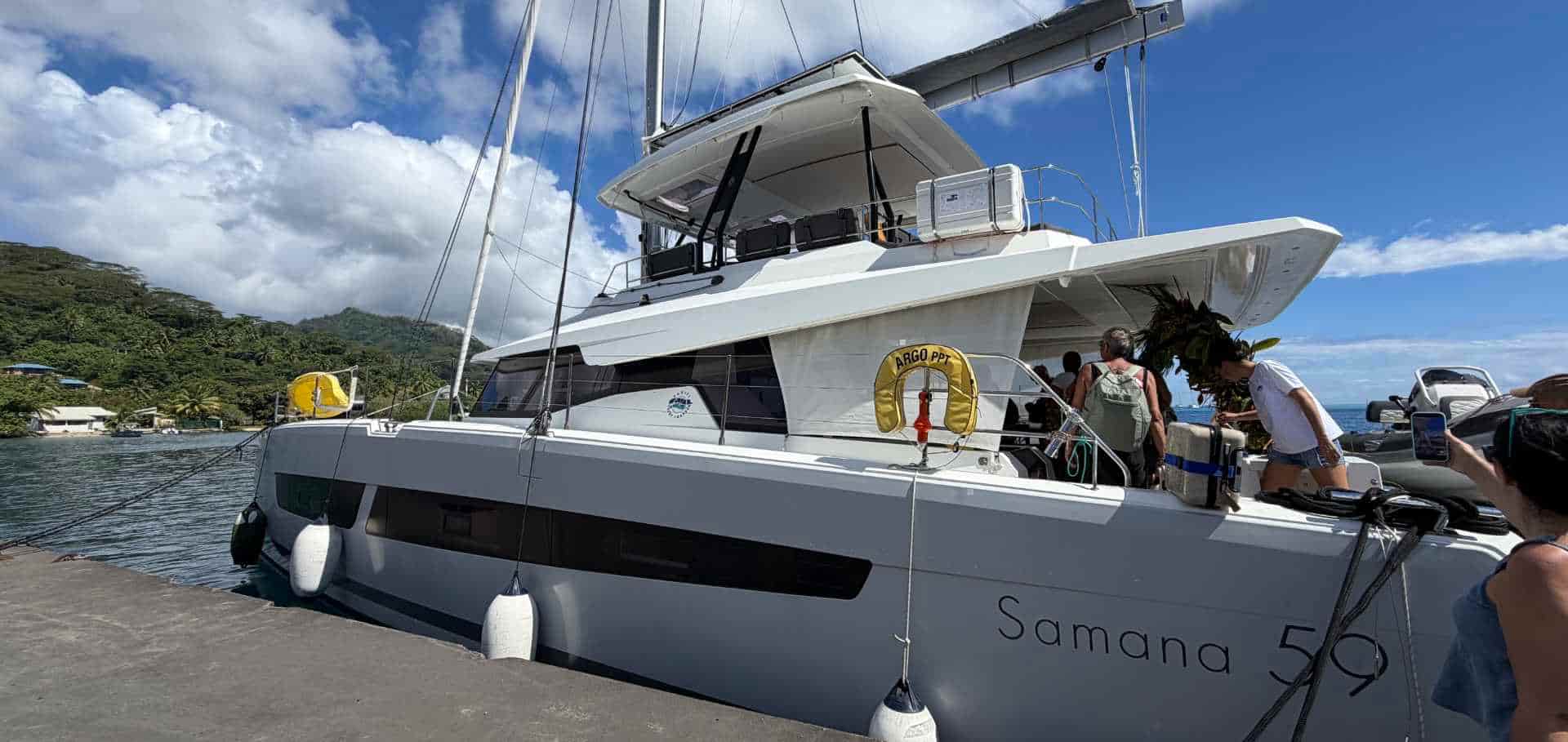
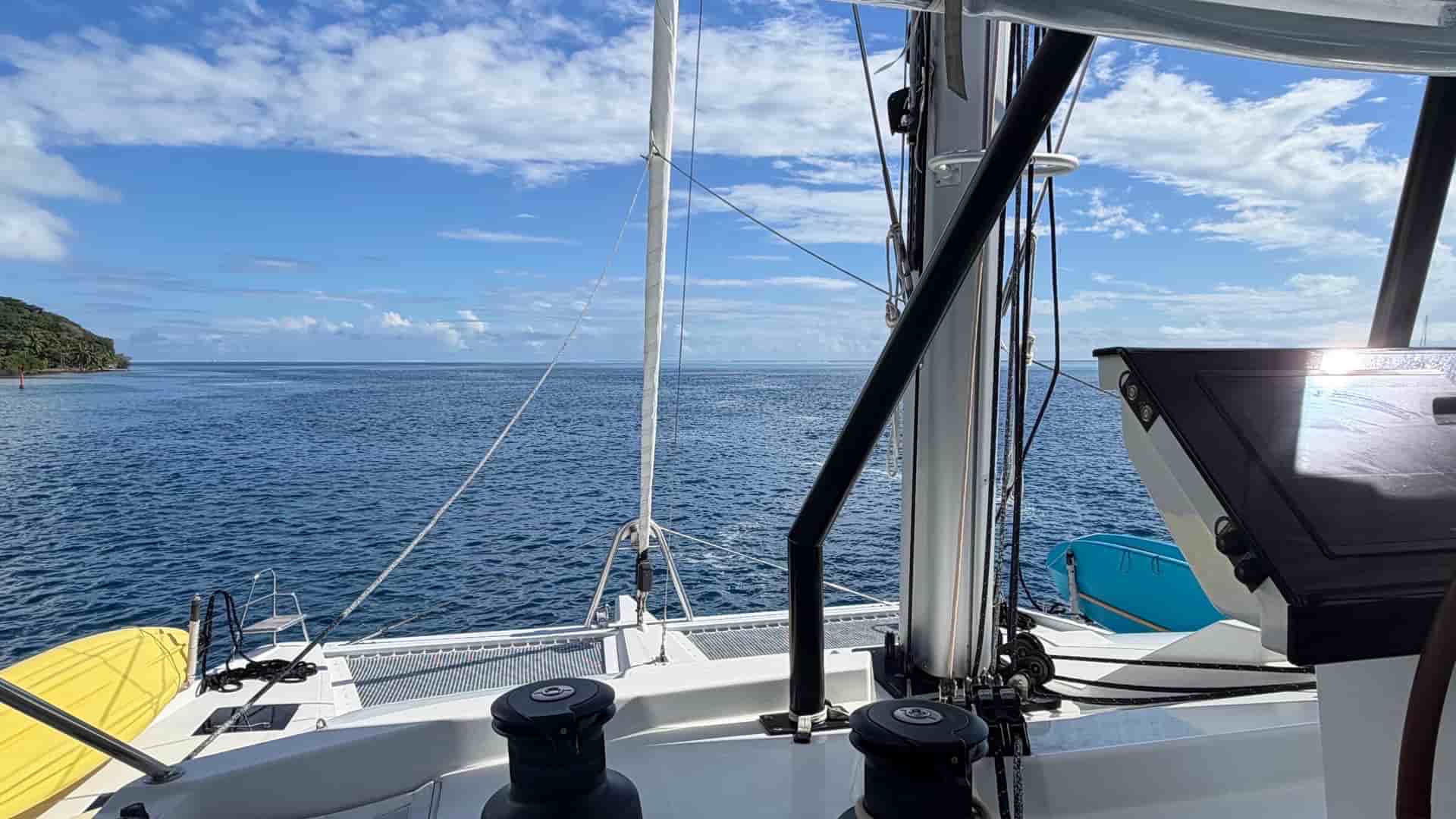
The hull of the 59-foot Fountaine Pajot catamaran shuddered as we cleared Passe Avapehi, leaving the flat, deceptive sanctuary of Huahine's lagoon behind. Instantly, the Pacific Ocean asserted its authority. A six-foot head sea, driven by fifteen-knot easterly trade winds, slammed into the fiberglass bows, throwing cold, mineral-heavy spray over the flybridge. The twin Yammar diesels hummed at 2,500 RPM propelled our transit across the deep-blue slot. Here, the water drops to depths of three thousand meters—an ink-black abyss where the surface swell rolls uninterrupted from Antarctica, testing both the rigging and the stomach.
Geography & The Stakes
The Leeward Islands—Huahine, Raiatea, Taha’a—are not postcard fantasies; they are the jagged volcanic remnants of a dying hotspot, violently carved by wind and sea, and guarded by formidable barrier reefs. To navigate these waters is to confront the legacy of the maohi wayfinders who sailed double-hulled outriggers across this exact seascape by stars and swells. The channels between these massifs are notorious marine choke points. Ocean currents squeeze through narrow passes like Passe Teavanui and Passe Avapehi, creating treacherous standing waves and shifting eddies that test the limits of modern hull structures. Here, the margins for navigational error are razor-thin. A miscalculated entry through an active reef pass can drag a vessel’s carbon-reinforced rudders onto unforgiving basalt or razor-sharp brain coral within seconds.
The Logistics & The Movement
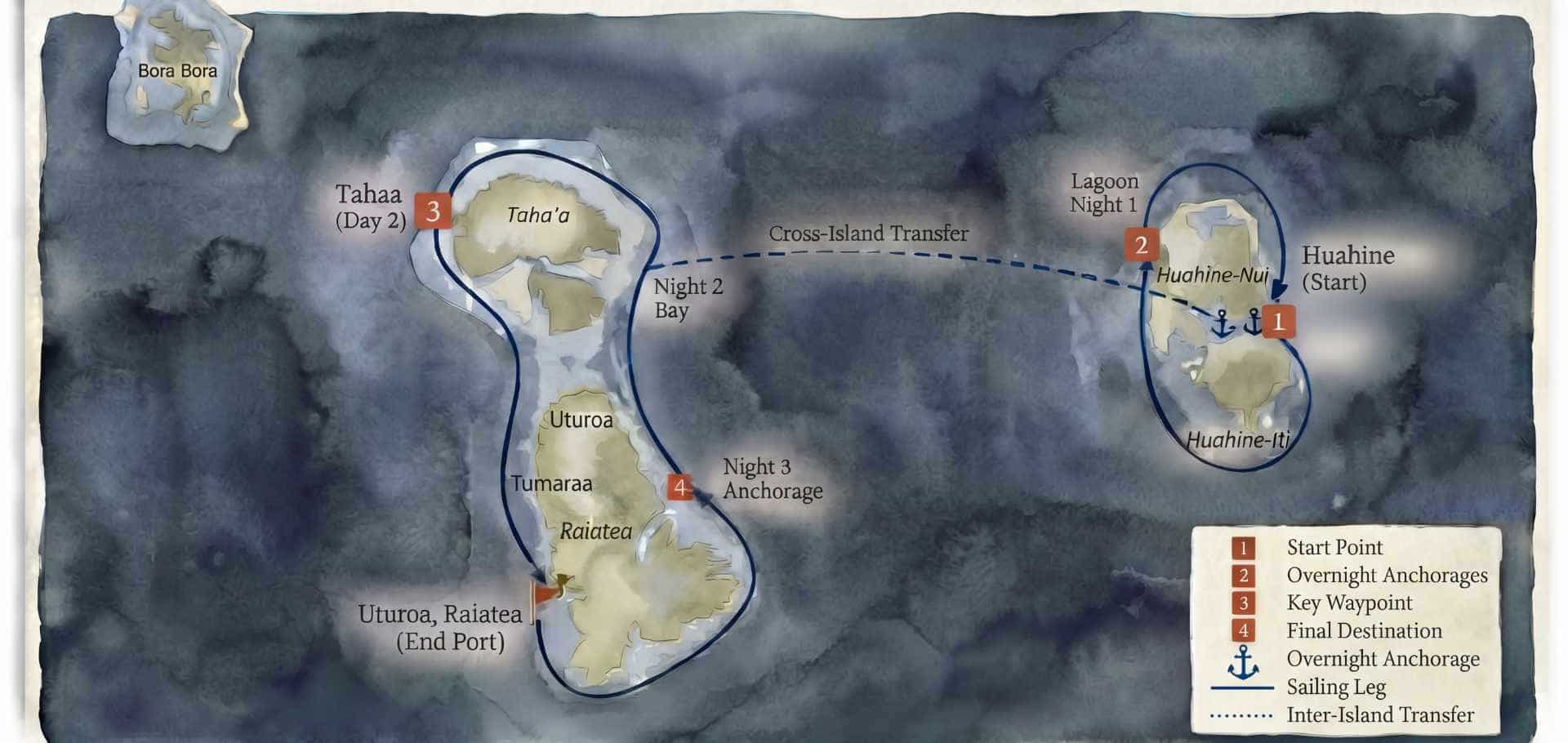
Our expedition demanded tactical vigilance from the moment we slipped our mooring lines at the Port of Fare on Huahine. Operating a catamaran of this scale—fifty-nine feet of fiberglass and carbon reinforcement, drawing nearly five feet of water—requires constant, active interpretation of water depth and seabed composition. We monitored the radical transition from the five-thousand-meter indigo depths of the ocean shelf to the pale, sandy turquoise of the inner lagoons, where shifting sandbars require visual navigation from the flybridge.
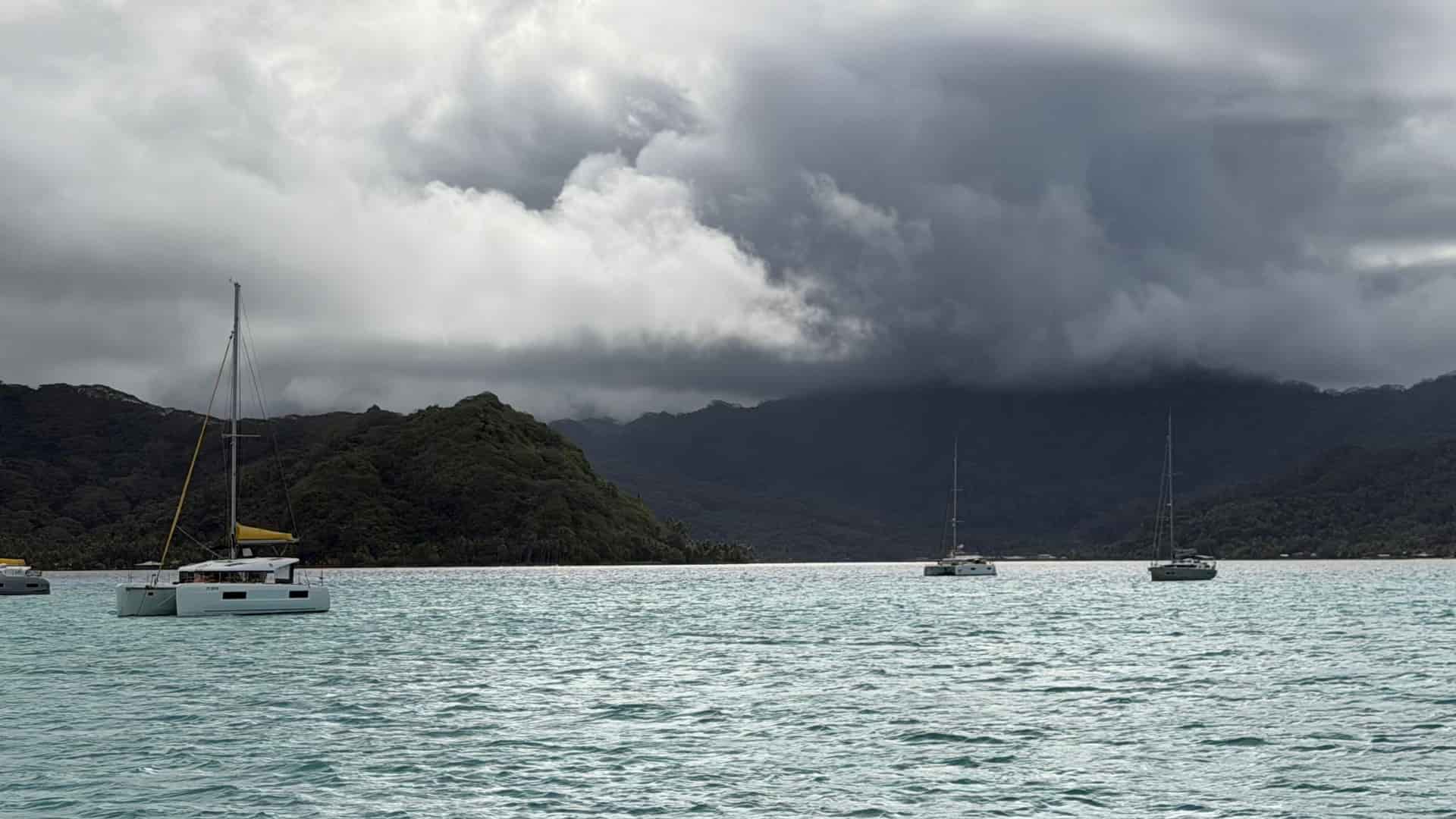
During our crossing to Taha'a, weather systems forced an immediate operational pivot. As heavy, grey rain-curtains dropped over the volcanic silhouette of Mount Temehani, reducing visibility to less than half a mile, we abandoned our planned course to Faaroa Bay on Raiatea. Instead, we headed north toward the relative lee of Taha’a to secure a stable holding ground. Anchoring in these lagoons is an exercise in mechanical precision; we dropped forty meters of galvanized chain in ten meters of depth over a patch of sticky volcanic mud, verifying our hold with a hard reverse-throttle burst at 1,800 RPM on both Yammar diesels.
The mechanical systems of the yacht became our absolute lifeline. Watermakers translated raw seawater into fresh drinking water at ninety liters per hour, while our 60-horsepower auxiliary rigid inflatable boat navigated the shallow, current-ripped channels of Motu Tautau. Here, we executed a high-friction drift snorkel. Slipping into the water at the reef crest, a two-knot current propelled us through a narrow coral canyon. The physical exertion was immediate—constant, micro-corrections with split-fins were required to avoid the venomous spines of slate-pencil sea urchins and the abrasive surfaces of massive porites corals, all while schools of orange-spine unicornfish navigated the slipstream beside us.
By night, the vessel transformed into a floating marine laboratory. Deploying blue LED underwater hull lights at our anchorage off Taha’a, we watched three-foot blacktip reef sharks slice through the illuminated water column. The spectacle was silent and predatory—a sharp reminder of the raw wilderness pressing against our hull.
The Human & Cultural Echo
Beyond the hydrodynamic challenges, the Leeward Islands preserve a deep-seated cultural archaeology that refuses to be commercialized. At the Champon Pearl Farm on Taha’a, we observed the precise, almost surgical technique of pearl grafting—a delicate, human-induced symbiosis where a skilled technician inserts a nucleus of Mississippi river-mussel shell into the gonad of a black-lip oyster. This demands years of muscle memory, absolute physical stillness, and pristine water conditions to ensure a high survival rate.
Further inland, the salt air shifted to the heavy, sweet scent of fermenting sugarcane and crushed vanilla beans at the rustic Distillerie Pari Pari. Here, the islanders extract pure juice from heirloom cane varieties using vintage copper stills, producing a fiery, high-proof agricultural rum that tastes intensely of volcanic clay, wild yeast, and green vegetation. This is not a culture preserved for show; it is an active, hard-scrabble relationship with a demanding tropical soil, where ancestral memory is distilled into physical labor and modern commerce.
The Calibration & The Horizon
This voyage does not offer easy comfort. It extracts its toll in sunburned shoulders, salt-encrusted skin, and the cognitive strain of navigating shifting winds and sudden travel delays, such as our late-night transit to Bora Bora under ink-black night skies. Yet, the reward is an absolute recalibration of the self. To feel the surge of a blue-water swell beneath your feet, to chart your course by the contours of ancient volcanic peaks, and to run a reef pass under sail is to reclaim a primitive, necessary autonomy. It proves that we are at our most alive when we trade the security of the shore for the uncompromising truths of the sea.