Testing the limits of human movement and architectural scale along the high-speed Northeast Corridor.
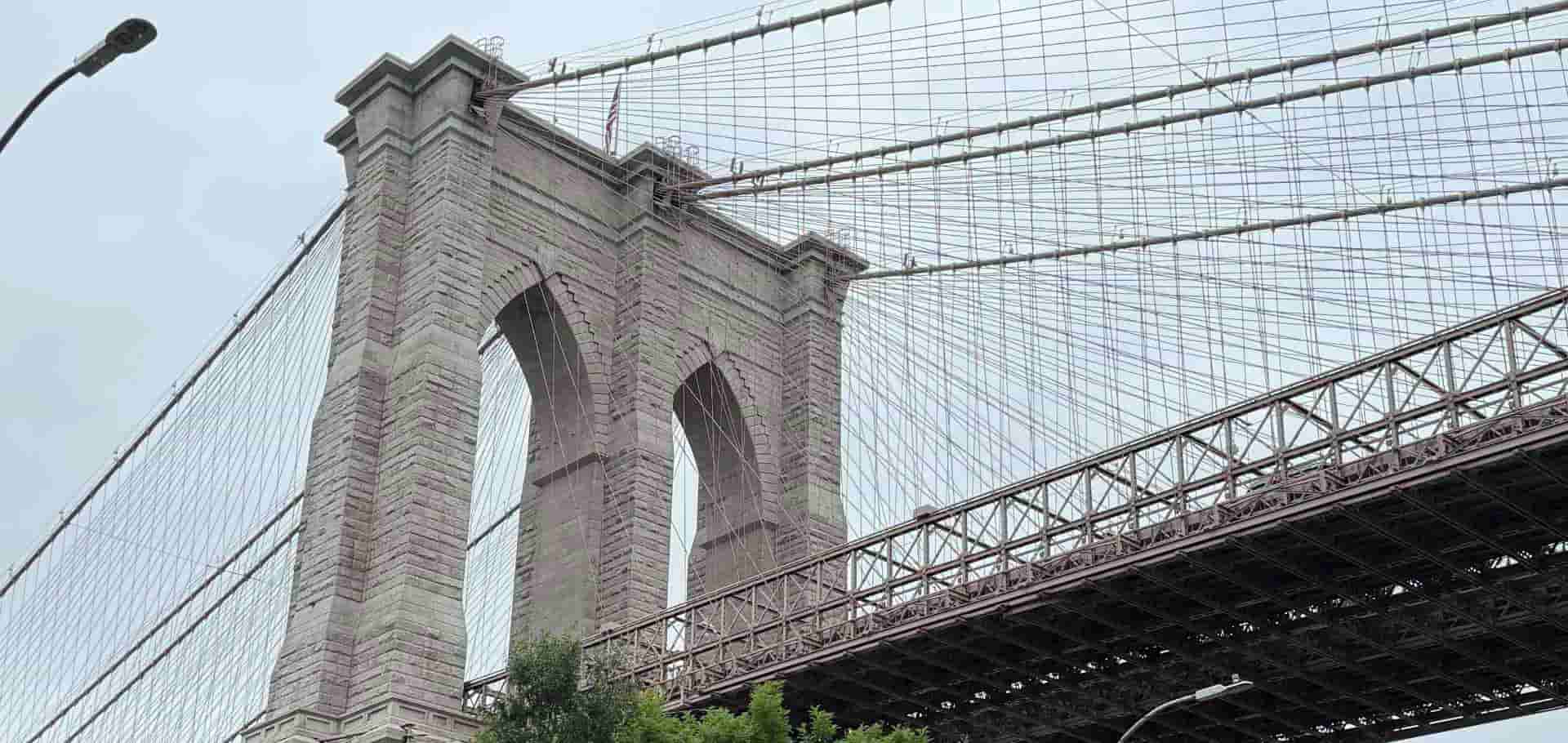
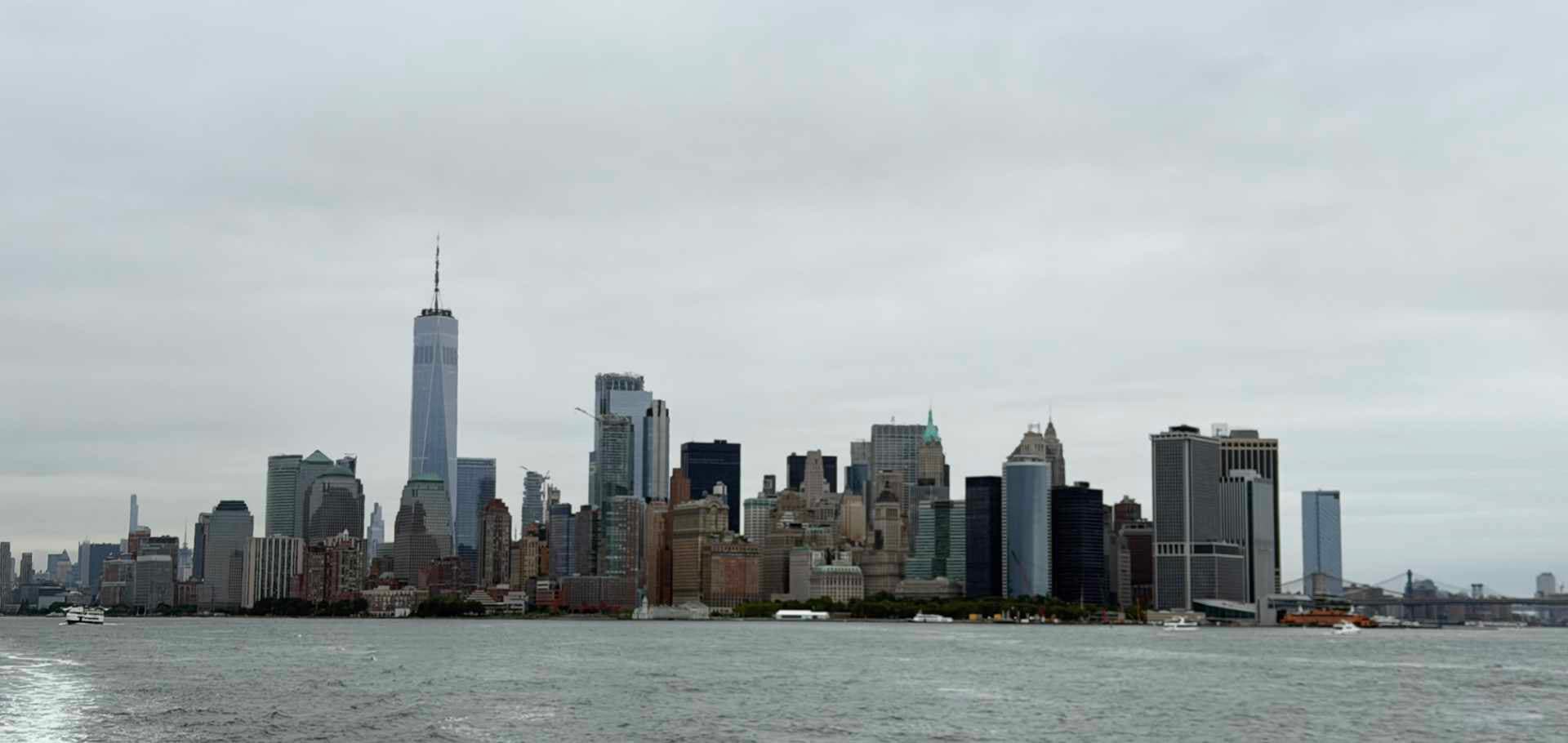
The wind off the East River does not negotiate; it shears past the steel suspension cables of the Brooklyn Bridge with a low, metallic hum. At 0600 hours, the granite towers of this 19th-century engineering marvel loom in the autumn mist, a monument to human sweat and heavy masonry. My boots strike the wet timber planks of the pedestrian walkway, matching the rhythmic thrum of commuter traffic vibrating through the iron girders below. Behind me, the jagged vertical horizon of Lower Manhattan rises like a volcanic basalt formation through the grey Atlantic vapor. This is not a casual stroll; it is a tactical encounter with the sheer mass of the American machine.
Geography & The Stakes
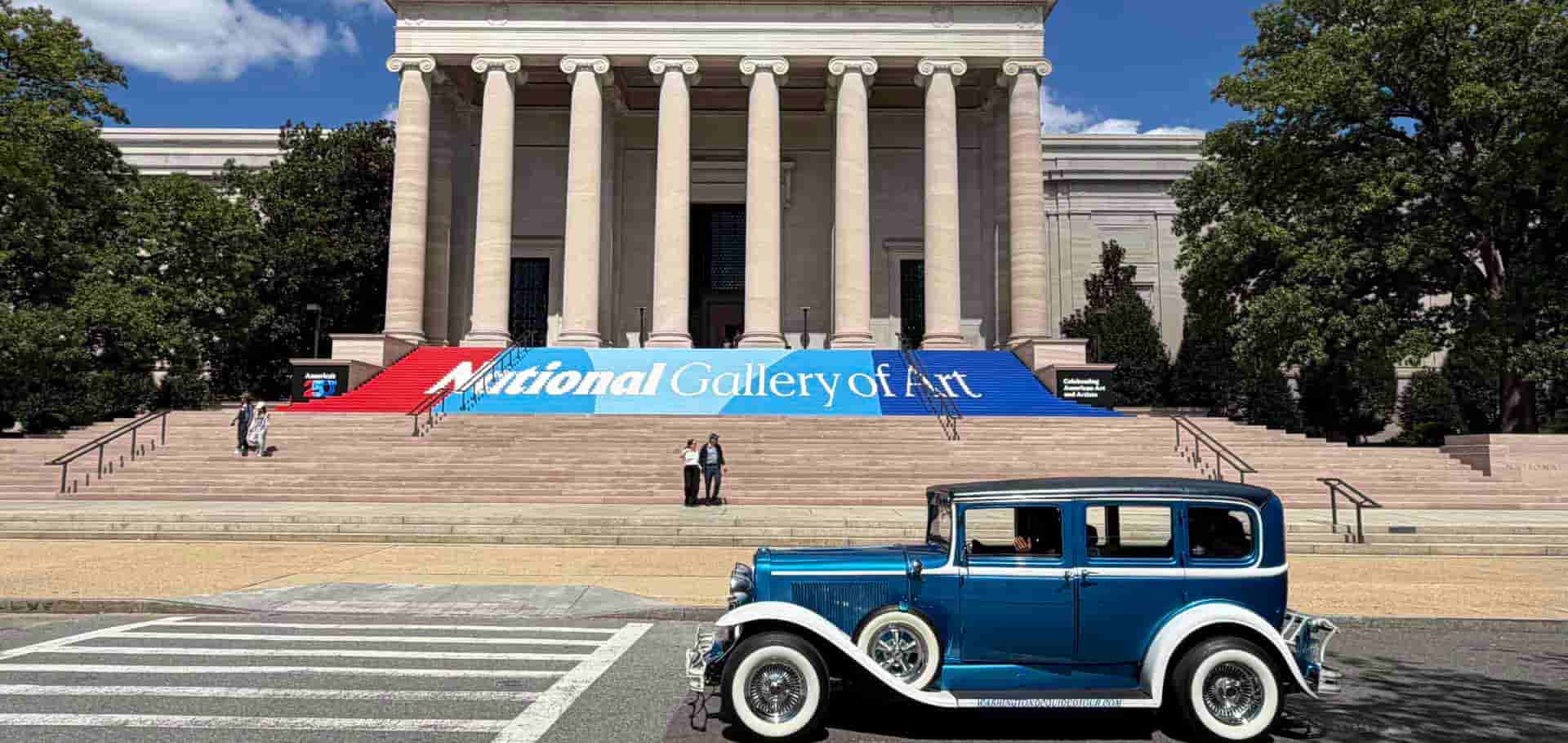
To traverse the 225 miles separating the mouth of the Hudson from the mudflats of the Potomac is to chart the dual nervous systems of the Western world: raw commerce and institutional power. Manhattan’s architecture is dictated by its geological spine—the hard, ancient Manhattan schist that allows skyscrapers to claw 1,400 feet into the stratosphere, defying gravity with steel and glass. Conversely, Washington, D.C. was carved from a swampy basin, its neoclassical monuments built on a horizontal axis, engineered in white marble and limestone to project the calculated, stoic permanence of a modern Rome. Navigating this corridor requires more than endurance; it demands an intellectual reckoning with how built environments shape human ambition, and how the friction of dense urbanization tests the traveler's psychological reserves.
The Logistics & The Movement
The operational rhythm of this expedition demands rigorous logistical discipline. In New York, movement is a matter of vertical ascent and rapid foot-level navigation across the Midtown grid. From a base at NoMad, the route cuts north to Summit One Vanderbilt, where three-inch-thick structural glass sheets project over the asphalt canyons, forcing a visceral confrontation with altitude and spatial disorientation. Descending back to sea level, the tactical medium shifts to the water. We board the NYC Ferry at Pier 79, utilizing the heavy diesel vessel to bypass gridlocked streets, navigating the churning, salt-heavy currents of the Hudson and East Rivers to reach the cobblestones of DUMBO.
Transitioning south requires mechanical precision. The leap from the mercantile capital to the political capital is executed via the Amtrak Acela high-speed rail. Boarding at the cavernous, steel-arched Moynihan Train Hall, the train accelerates to 150 miles per hour along the Northeast Corridor, a blur of industrial wetlands, decaying manufacturing hubs, and interstate arteries. The transit is smooth but fast, a kinetic transition completed in exactly two hours and fifty minutes.
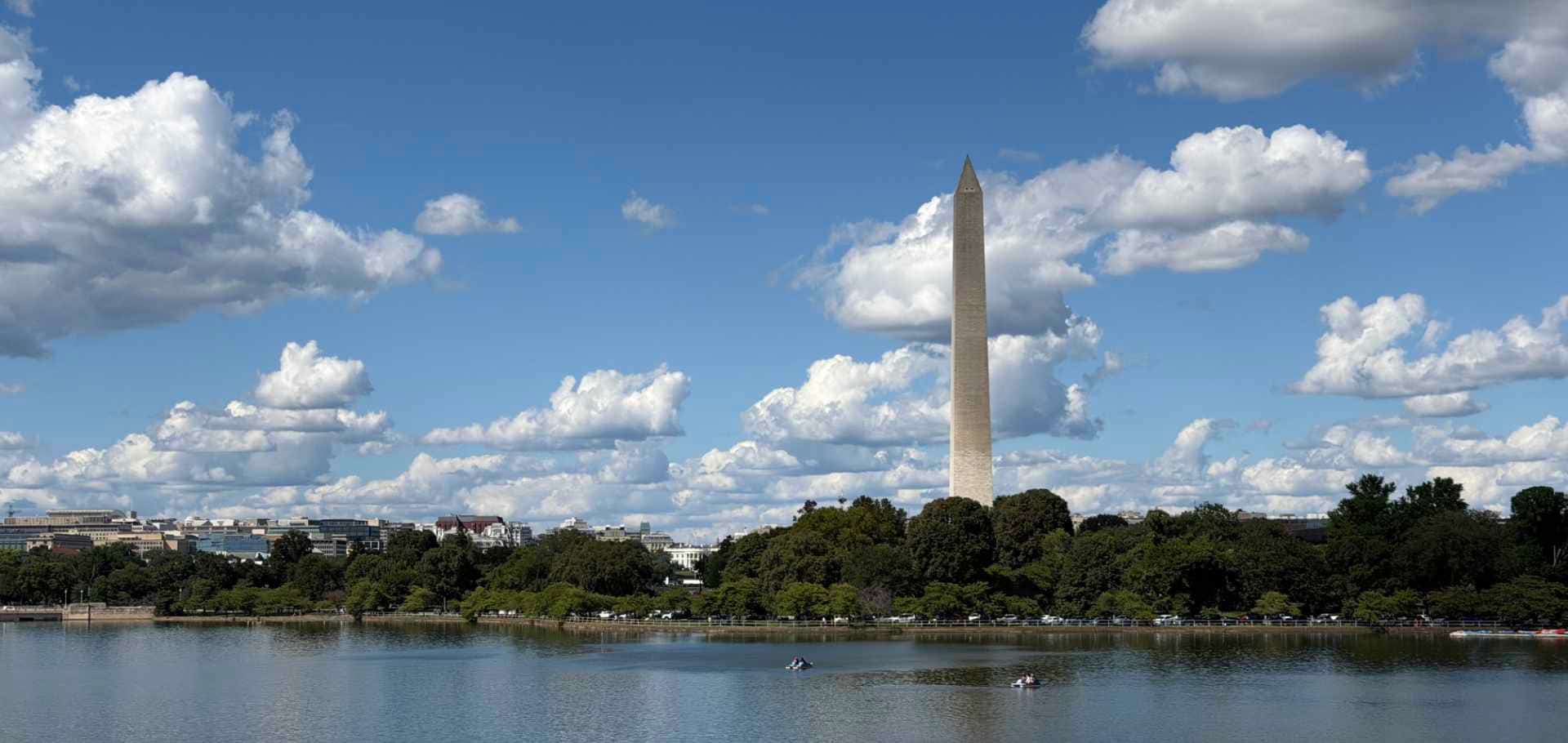
Arrival at Washington Union Station immediately triggers a shift in tactical mobility. To master the horizontal scale of the federal city, we abandon rail for two wheels. Utilizing heavy-duty Lime e-bikes, we negotiate the wide, radial avenues radiating from Dupont Circle down to the National Mall. Operating these heavy-framed electric cycles requires constant vigilance along the high-impact asphalt of Embassy Row, climbing the steep gradient toward the neo-Gothic mass of the Washington National Cathedral. We track the odometer closely: eighteen miles of urban cycling, balancing the heavy machine against crosswinds near the Tidal Basin, where the white dome of the Jefferson Memorial reflects off the dark, brackish waters. This is mobility stripped of its soft edges—demanding physical exertion, mechanical reliability, and rapid environmental adaptation.
The Human & Cultural Echo
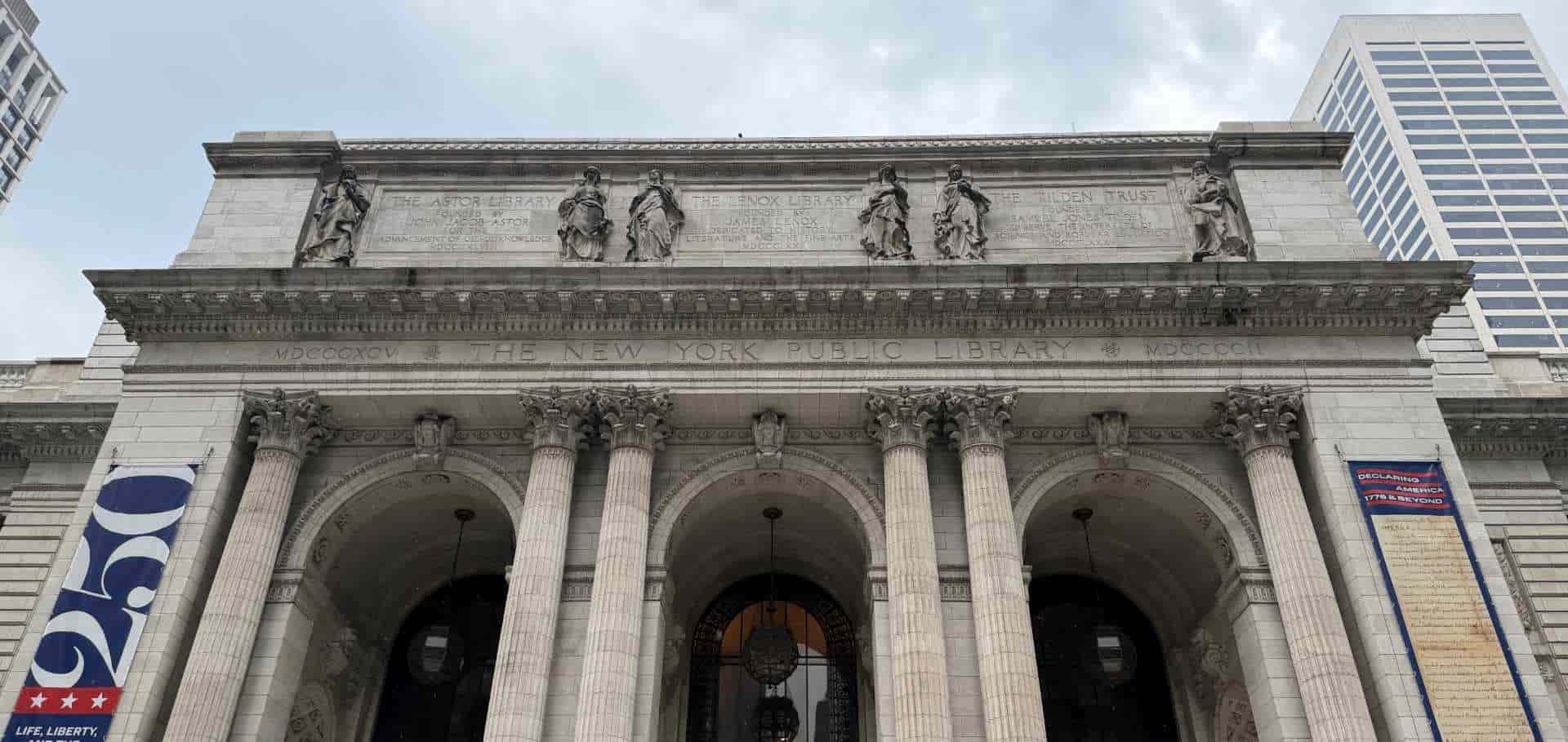
Beneath the granite and marble lies the human sediment of this corridor. In New York, this manifests in the quiet, climate-controlled galleries of the Metropolitan Museum of Art and the Frick Collection, where the brushstrokes of Rembrandt and Vermeer survive amidst the roar of the surrounding metropolis. These spaces are sanctuaries of human intellect, preserved at constant temperatures of 70 degrees Fahrenheit and 50 percent relative humidity to halt the decay of history.
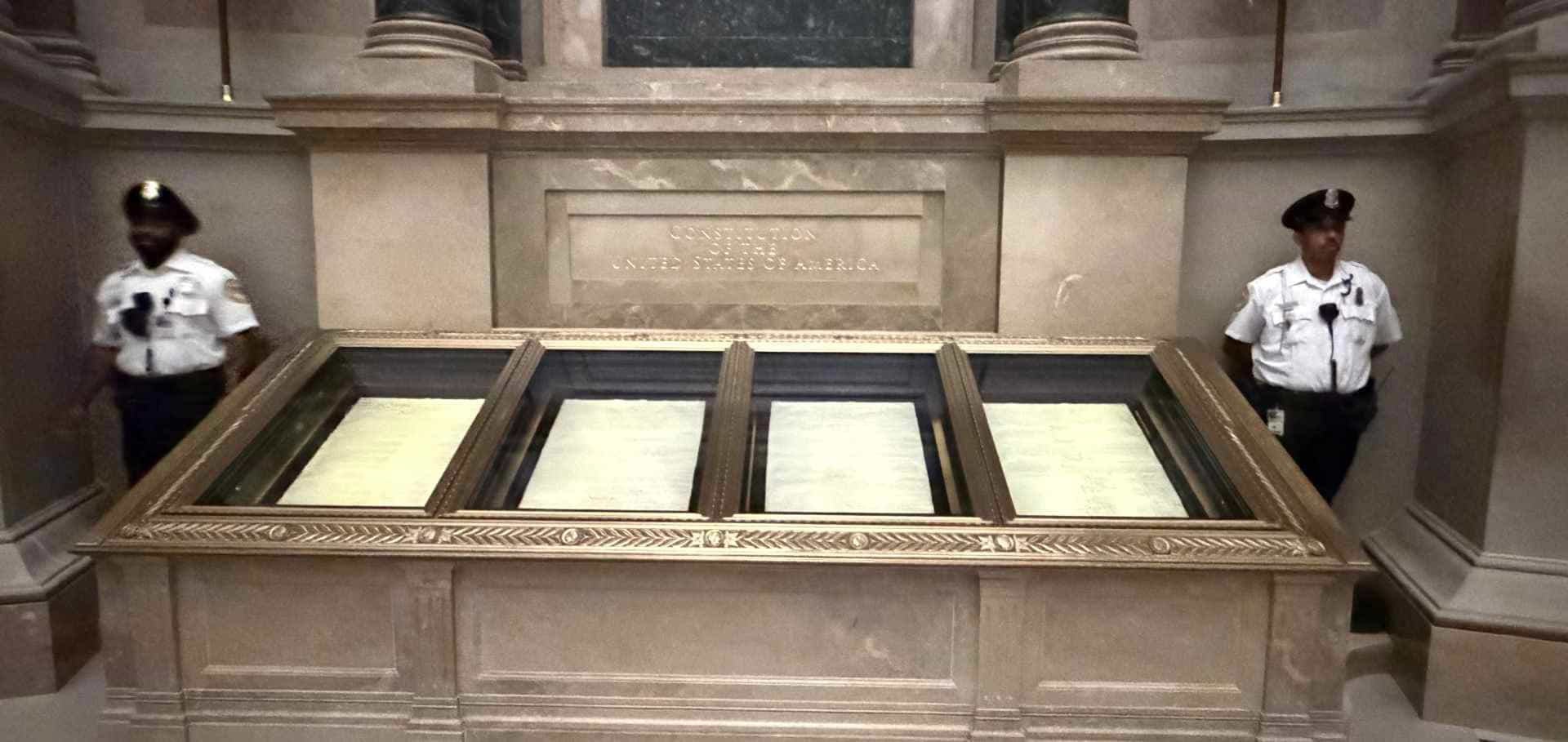
In Washington, the cultural echo is more austere, anchored in the rule of law. Standing inside the bronze-clad rotunda of the National Archives, the eye falls upon the faded, iron-gall ink of the United States Constitution and the Declaration of Independence. These parchment sheets, secured under heavy ballistic glass and argon gas, are the ultimate blueprints of the modern democratic state. To stand before them after negotiating the chaotic, multi-ethnic culinary hubs of Georgetown and the migrant-driven kitchens of Dupont Circle's Amparo Fondita is to understand the profound tension between abstract founding ideals and the raw, living reality of the human frontier.
The Calibration & The Horizon
The Megalopolis corridor is not a destination for the passive observer. It is a grueling, high-tempo theater that tests one's capacity to absorb immense scale and historical weight. The effort-to-reward ratio is demanding: the physical strain of walking twenty miles of concrete, cycling through heavy traffic, and digesting centuries of cultural evolution yields a rare, unfiltered clarity. It recalibrates the mind, stripping away modern trivialities and leaving the traveler with a profound respect for the sheer willpower required to raise these monuments from the swamp and the stone. We depart not rested, but hardened and intellectually awake.