A tactical expedition through the dense, high-friction corridors of historical genius.
The transition is violent. One moment you are battling the humid diesel exhaust and predatory yellow cabs of Fifth Avenue; the next, you step through limestone arches into a vault of dead empires. The air shifts immediately, turning dry, filtered, and heavy with the static pressure of ancient dust. Beneath your boots, the marble is unyielding, transmitting cold vibrations up through your calves. Before you lies a colossal labyrinth of five hundred thousand square feet, a physical confrontation with five millennia of human defiance. There is no soft acclimatization here; you either commit your senses to the assault or drown in the sheer scale of the accumulated genius.
Geography & The Stakes
This is not a passive gallery walk; it is a high-altitude ascent of human consciousness. The Met is a jagged geography of stone, bronze, and oil, where every gallery represents a distinct chronological shelf of survival. We tread on the bones of cultures that burned hot and vanished, leaving only their hardest materials—granite, tempered iron, and baked clay—as testimony against oblivion. The stakes are profoundly existential. To navigate this grid is to confront the reality that civilizations are temporary, but the urge to carve meaning out of chaos is permanent. Here, you measure your own brief mortality against Roman busts that have stared down twenty centuries of ruin.
The Logistics & The Movement
Survival in this colossal archive demands rigorous tactical execution. To attempt a five-hour transit without a strict operational plan is to invite mental fatigue and sensory paralysis. Your equipment must be minimal: hard-soled leather shoes with structural support to withstand the brutal, continuous impact of the travertine floors, a notebook, and a highly disciplined pace of two kilometers per hour.
The route begins at the base of the Great Hall, cutting straight into the wing of the Pharaohs. Here, the target is the Temple of Dendur, a monument of Aeolian sandstone completed around 15 BC, salvaged from the rising waters of the Nile. The architectural engineering here is staggering; the glass enclosure mimics the stark light of the Nubian desert, forcing you to adjust your eyes to the harsh glare before moving westward.
From this ancient anchor, you execute a sharp tactical pivot into the Greek and Roman galleries. Here, navigation becomes an exercise in crowd-avoidance; you timing your movement to exploit the gaps between tour groups, tracing the development of anatomical realism in marble. The weight of the stone dictates the rhythm of the march. Each statue, carved from fine-grained Pentelic marble, requires a slow, three-hundred-and-sixty-degree orbit to appreciate the tool marks of long-dead sculptors.
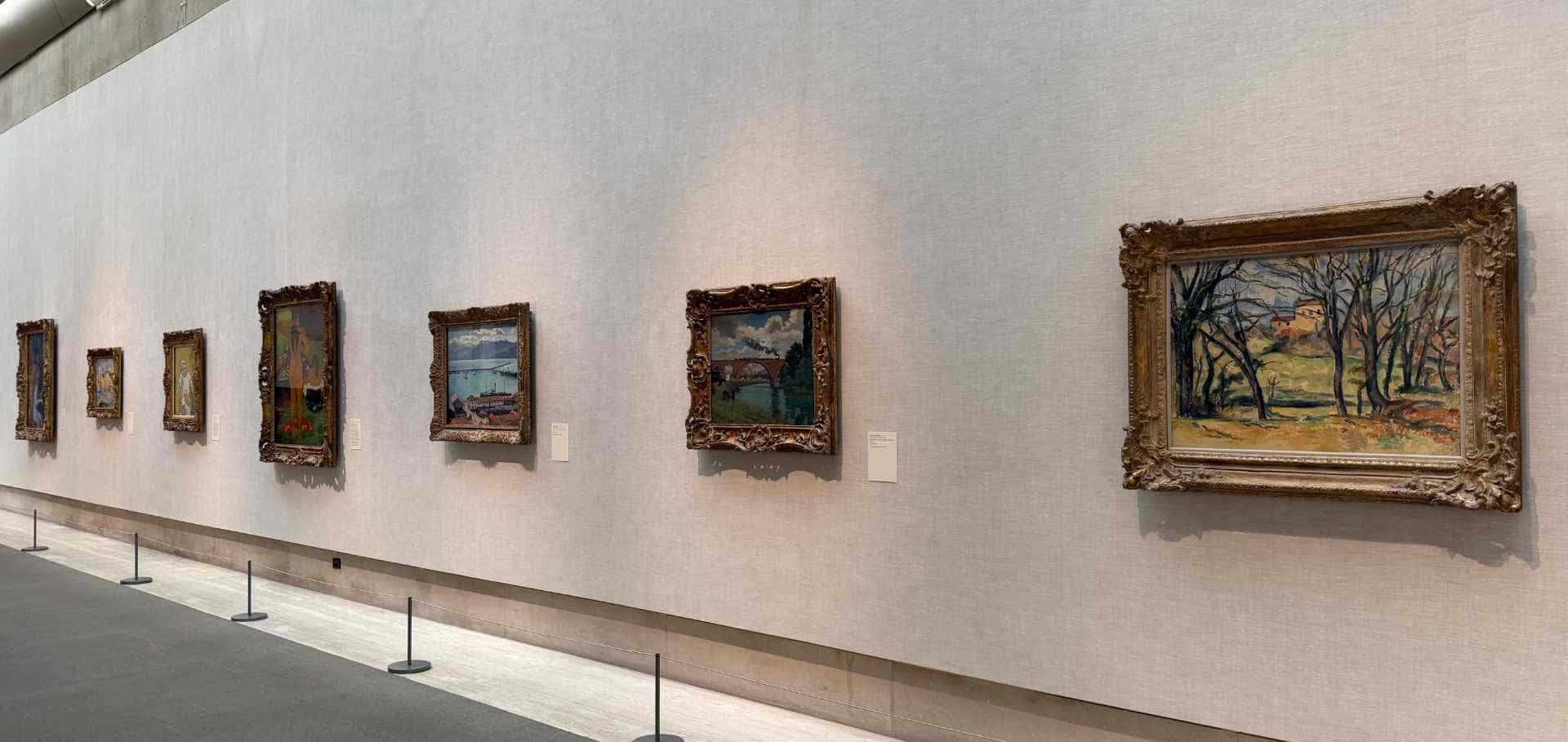
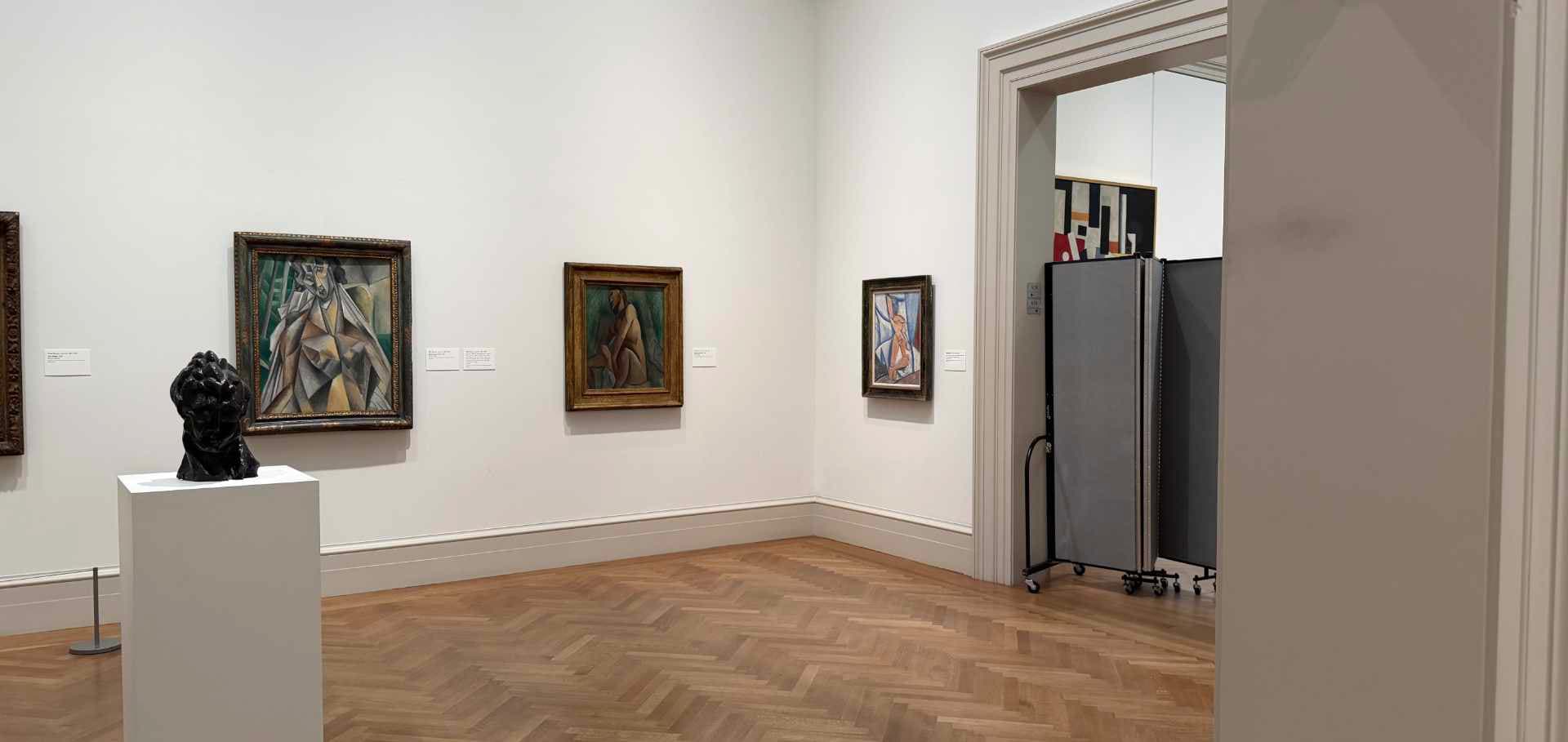
By hour three, physical fatigue sets in—the phenomenon known to veterans as "gallery back." To counter this, you push through the dense, atmospheric rooms of the European paintings, adjusting your focus from the heavy, oil-clogged surfaces of Rembrandt to the volatile, light-saturated canvases of the nineteenth-century Impressionists. The color shifts from earthy ochres to high-frequency blues and cadmium yellows, acting as a visual stimulant that recalibrates your nervous system. You monitor your pacing, ensuring you spend no more than forty-five seconds before any single canvas to preserve cognitive reserves for the fractured, demanding geometry of the Cubists that awaits at the summit of the modern wing.
The Human & Cultural Echo
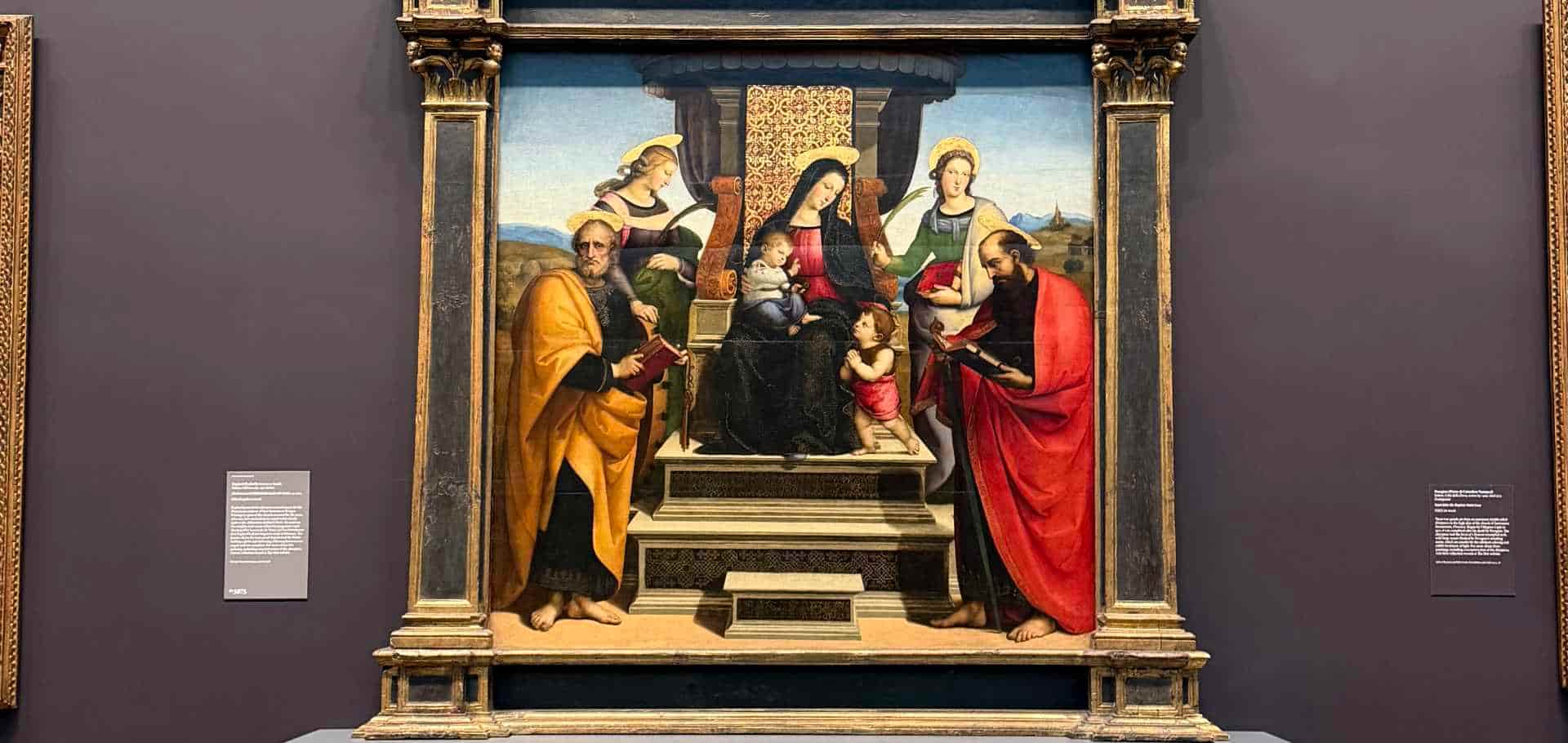
The true encounters in these rooms are not with the living, who drift like ghosts through the corridors, but with the artisans who carved these frontiers out of raw matter. You feel the ghostly presence of Giorgio Vasari’s subjects—the Italian masters who treated pigment, plaster, and bronze as matters of life and death. These men did not work for casual observation; they labored under the threat of plague, war, and papal wrath, mixing lapis lazuli and lead-tin yellow with toxic oils to bind their visions to plaster.
Beside them stand the nameless pre-Columbian jade carvers and Egyptian stonecutters whose calloused thumbs wore down the sharp edges of basalt five thousand years ago. In the quiet margins of the galleries, you watch the modern guards—stoic sentries who patrol these borders daily, their faces hardened into the same watchful discipline as the Roman centurions carved in the stone nearby. They are the living links in a chain of custody that protects our collective memory.
The Calibration & The Horizon
As the late afternoon sun angles through the high windows, throwing long shadows across the empty galleries, the physical toll of the march registers in your joints. Yet, the cost is trivial compared to the psychological recalibration. You exit back onto Fifth Avenue into the roar of contemporary noise, but your perspective has been permanently altered. You have stood on the shoulders of giants and stared into the abyss of human time. This expedition does not merely show you the past; it sharpens your vision, handing you a lens to see the fragile, fleeting nature of our own era with completely different eyes.