Demanding Absolute Precision Amidst 5,500 Souls: The Unforgiving Geometry of the 2026 BBC Proms
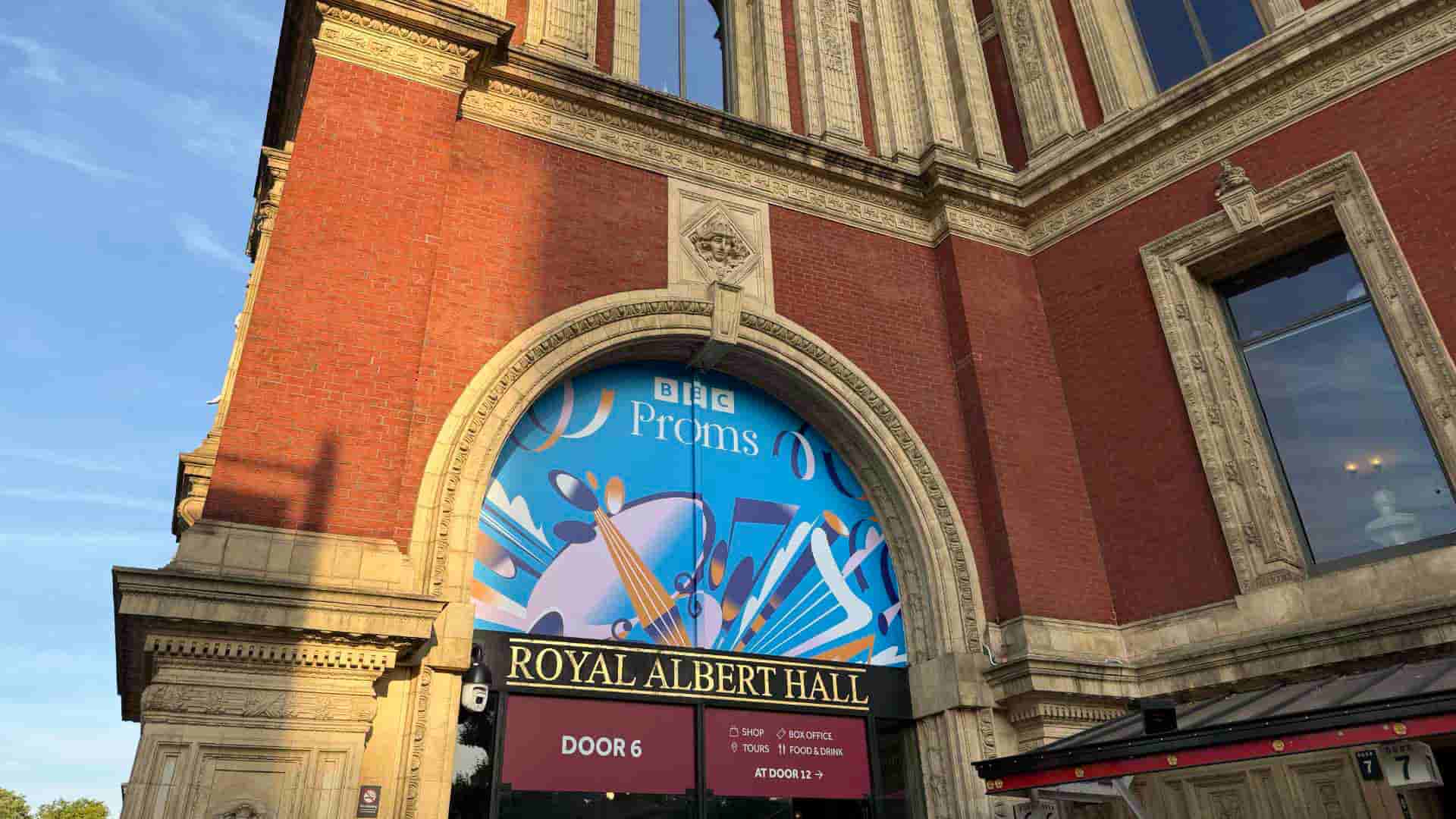
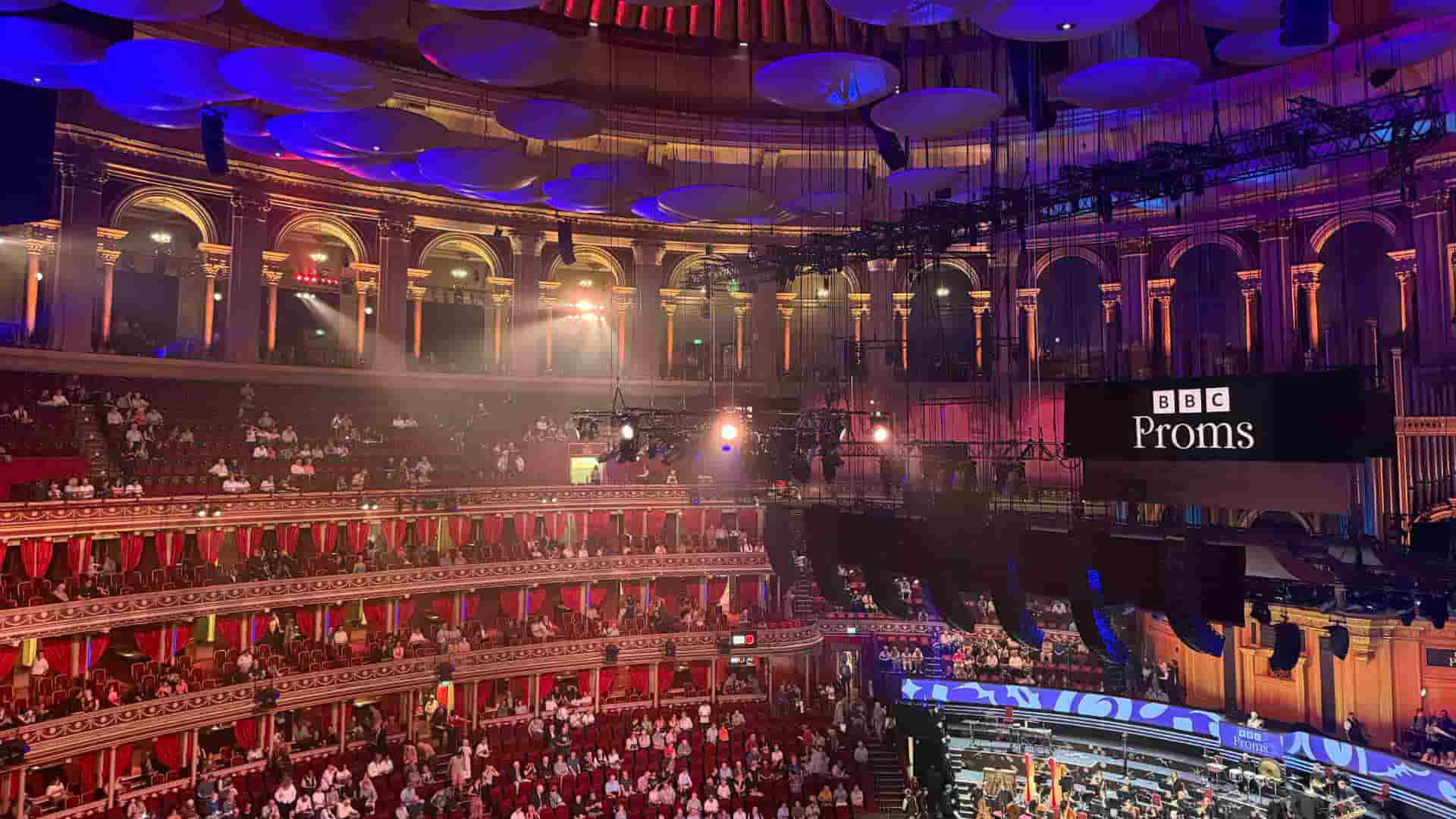
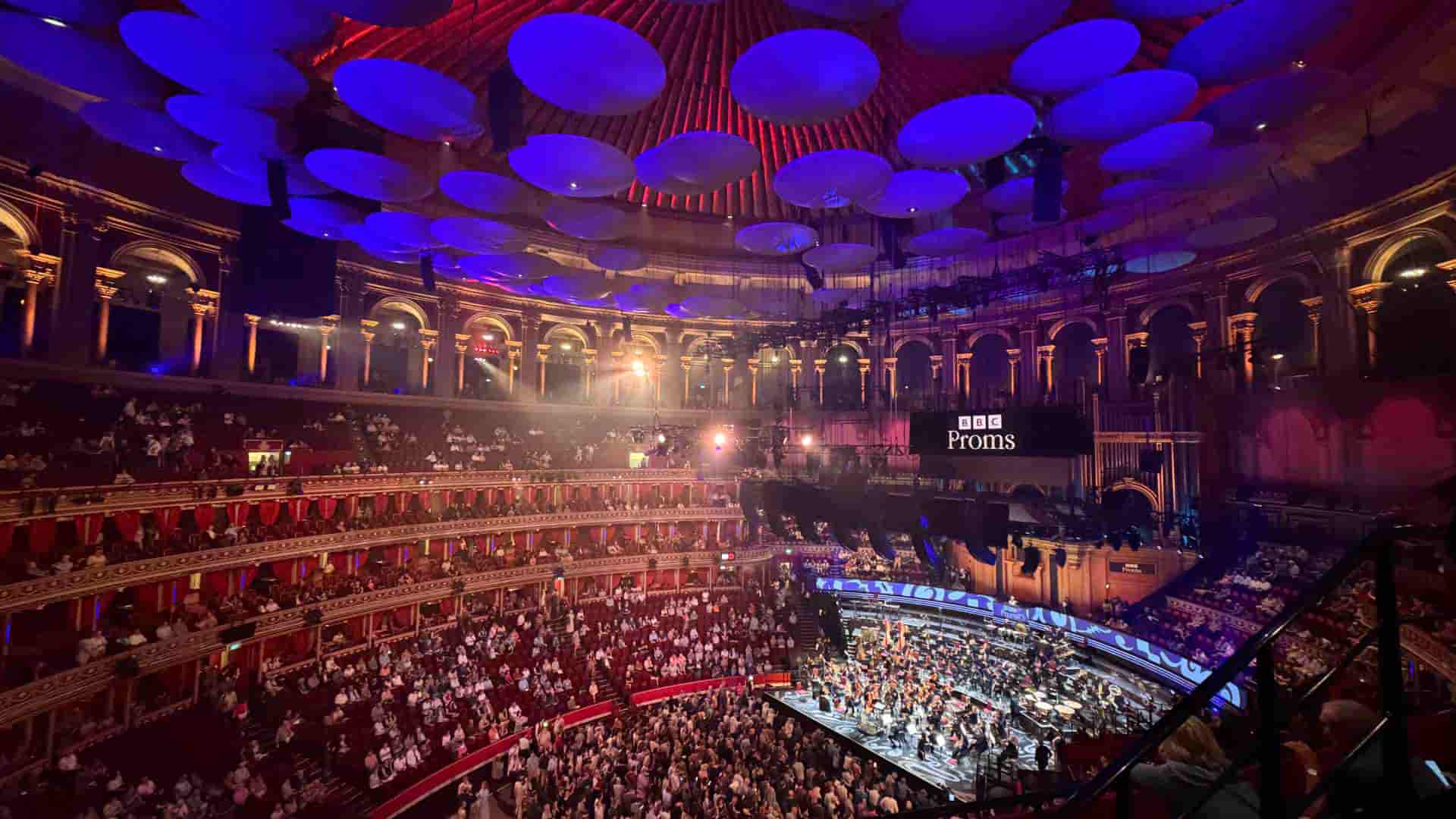
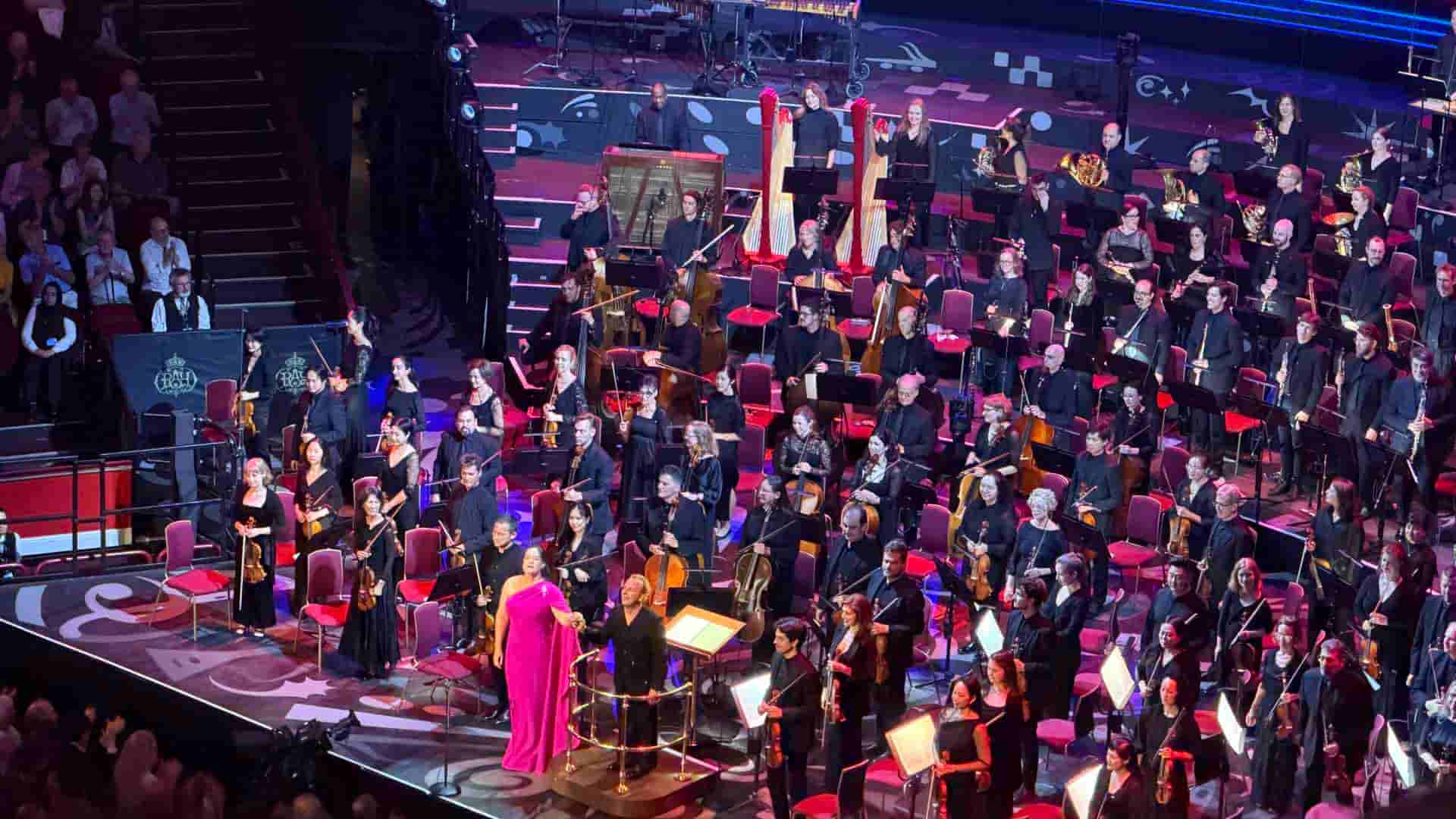
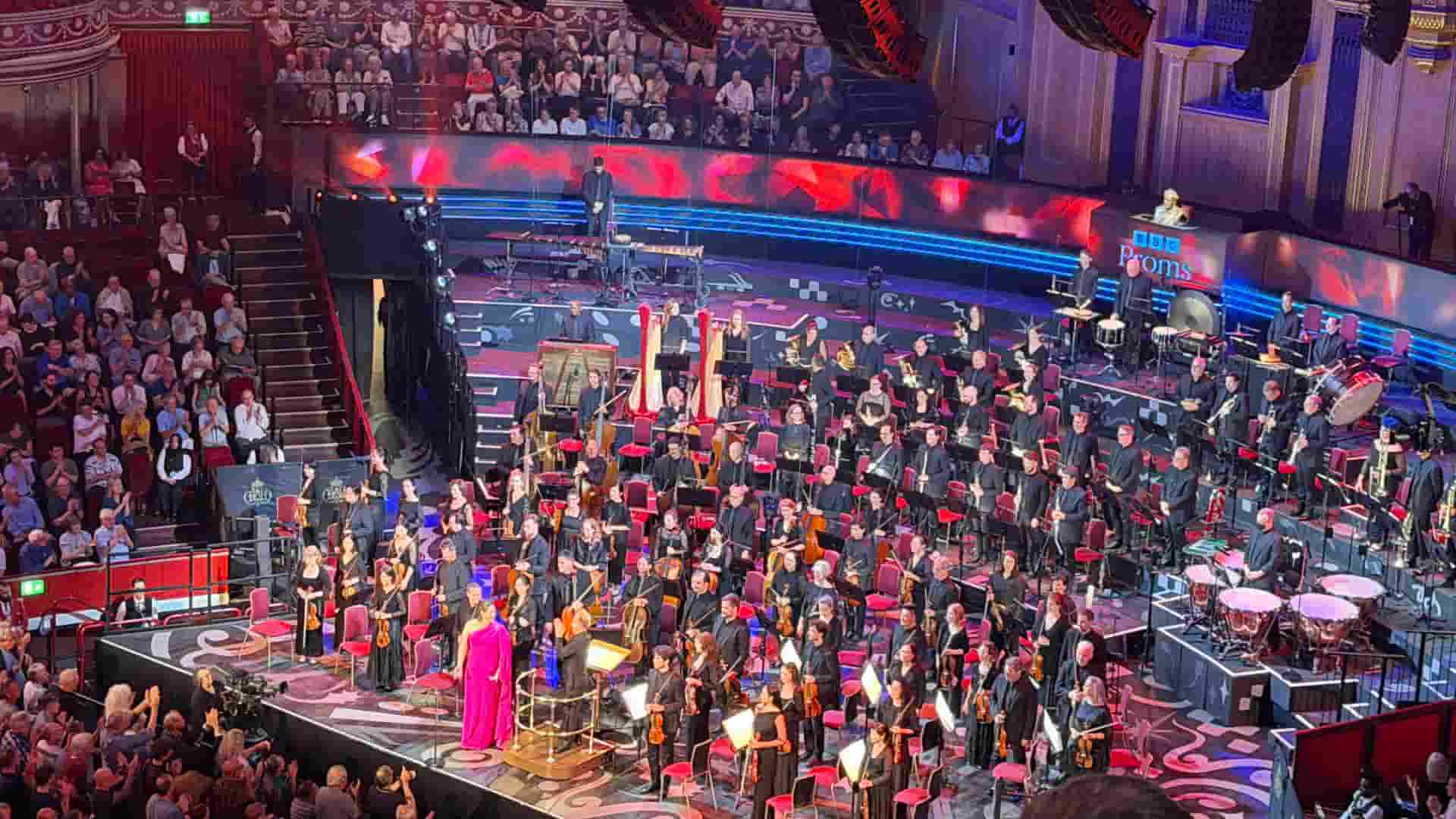
The damp August air of South Kensington clings to the skin like a wet shroud, a sudden contrast to the dry, pressurized heat radiating from the brick-and-terracotta drum of the Royal Albert Hall. Inside, the sheer scale of the arena hits with physical force. Under the vast, iron-ribbed glazed dome, 5,500 bodies sit in suspended animation. The hum of anticipation dies instantly as the house lights sink into crimson velvet shadow. Conductor Yannick Nézet-Séguin steps onto the podium, his baton poised like a surgical instrument. The silence of the arena is absolute, heavy, and engineered—a vacuum waiting to be shattered by the massive sonic machinery of The Met Orchestra.
Geography & The Stakes
Erected in 1871 as a Victorian temple to the arts and sciences, this Italianate colosseum was not designed for delicate nuances; its cavernous 86,000-cubic-meter volume was originally notorious for a reverberant echo that challenged even the most robust brass sections. To perform Richard Strauss’s unforgiving, muscular orchestrations here is a high-stakes campaign against physics. The dense, chromatic architecture of Ein Heldenleben and the raw, psychological violence of the Final Scene from Salome demand absolute sonic control. Any lack of coordination from the players, any miscalculation by the conductor, and the hall’s colossal geography will swallow the detail, muddying the complex counterpoint into an incomprehensible wall of noise. The stakes are defined by this tension between monumental scale and technical precision.
The Logistics & The Movement
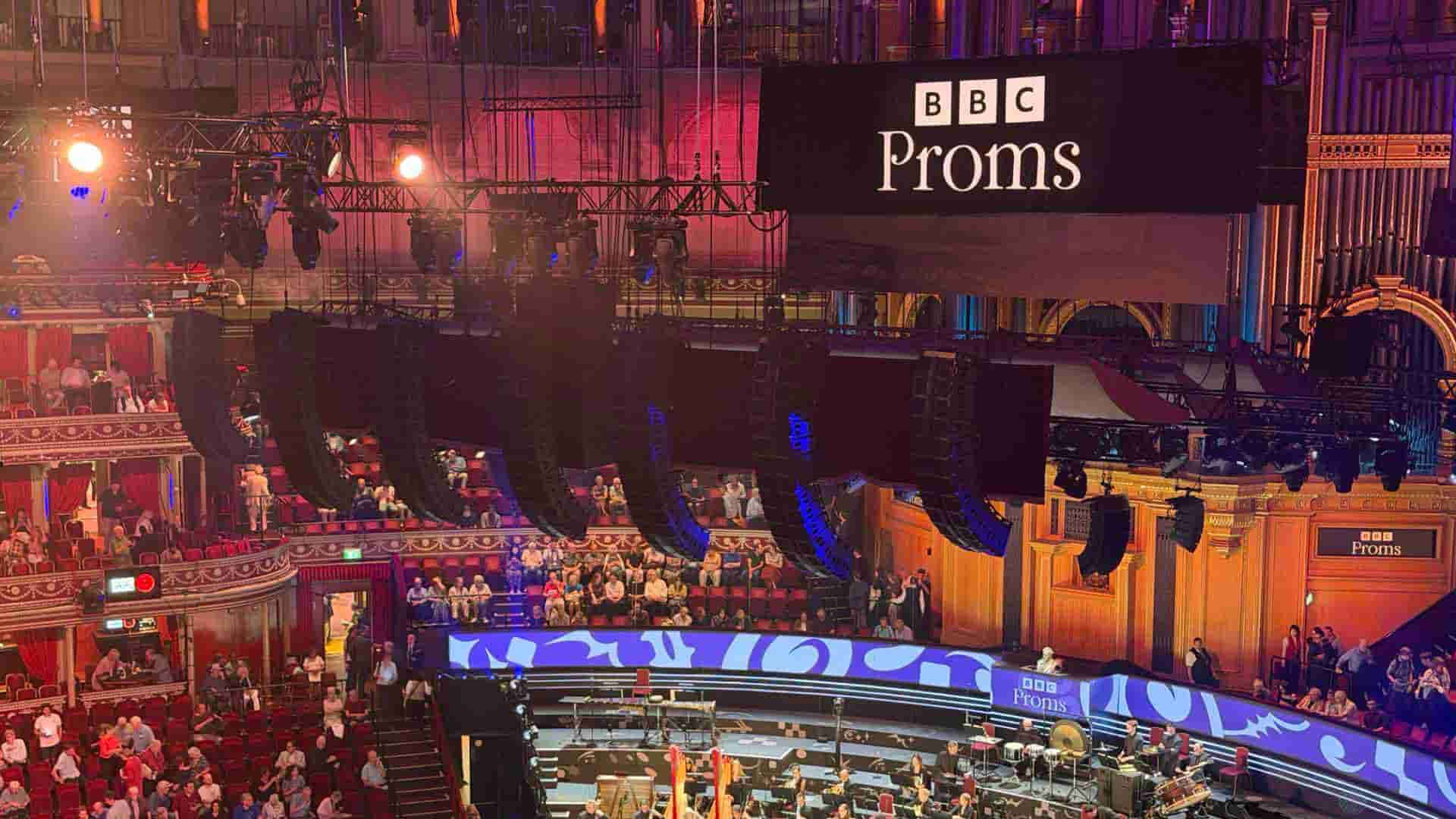
Navigating this acoustic beast requires the precision of an alpine expedition. The Met Orchestra’s deployment of the Der Rosenkavalier Suite acts as a reconnaissance run, testing the hall’s boundaries with sweeping waltz rhythms and delicate woodwind lines that must travel from the stage to the furthest gallery, some 41 meters above. Nézet-Séguin manages the dynamic levels with athletic intensity, using his entire upper body to sculpt the sound, preventing the massive brass section from obliterating the strings.
The real test of endurance arrives with the Final Scene from Salome. Soprano Elza van den Heever steps to the lip of the stage, confronting a wall of sound. Her voice must pierce through Strauss’s dense, dissonant orchestration like a steel piton driving into granite. It is a masterclass in vocal projection and breath control; she leverages the hall’s natural resonance, targeting the hard surfaces of the lower tiers to reflect her upper register over the roaring orchestra. The physical friction of this struggle is palpable, her face taut with the immense exertion required to sustain the final, soaring high notes against a tidal wave of brass and percussion.
The performance culminates in the sprawling, semi-autobiographical tone poem Ein Heldenleben. Here, the logistical coordination of the brass players is critical. Offstage trumpets must be cued with split-second accuracy, their sound traveling through the corridors to mimic the distance of a battlefield. Every section operates with the synchronized discipline of a mechanical watch movement. The solo violin passages, executed with razor-sharp intonation by the concertmaster, slice through the heavy air of the arena, demonstrating that even in this gargantuan structure, intimate detail can be sustained through sheer technical mastery. The sonic waves physically rattle the timber floorboards underfoot, a kinetic reminder of the raw power generated by one hundred musicians operating at the absolute limit of their capability.
The Human & Cultural Echo
At the heart of this acoustic furnace lies the human element: the "Prommers" standing shoulder-to-shoulder in the central arena. This is no passive, gilded-cage audience of typical opera houses. Here, a century-old tradition of democratic access translates into a raw, focused energy. These listeners endure hours on their feet, packed tightly together in the heat of the hall, their shared focus creating an almost electrical current. This collective focus binds the modern audience to the ghosts of 1871. When the final, dark chord of Salome decays into the plaster and brickwork, there is a suspended, collective intake of breath before a roaring wave of applause erupts. This human response is visceral, a release of tension that has built over two hours of unrelenting Straussian drama. It underscores the true purpose of this monumental architecture: to serve as a communal amplifier for the deepest, most turbulent currents of human emotion.
The Calibration & The Horizon
Emerging from the red warmth of the hall into the cool, rain-slicked streets of Chelsea, the transition is jarring. A late-night march toward Willets at the Cadogan Hotel offers a necessary decompression chamber. Over a sharp, dry cocktails and cold beef tartare, the ears slowly recalibrate to the mundane hum of London traffic. The evening’s journey proves that true luxury is not found in sterile comfort, but in the willingness to confront monumental art in a space that demands your complete, unyielding attention. It is a physical calibration of the senses, a reminder that we are at our most alive when subjected to the friction of sublime, unfiltered human expression.