Gravity, Gasoline, and the Unyielding Slopes of Huacachina
The afternoon sun hangs like a brass plate over the Ica desert, baking the air to a dry, fuel-scented haze. Below us, the V8 engine of the modified tubular buggy idles with a guttural, irregular throb that vibrates through the welded steel chassis directly into our spines. Sand is already everywhere—grating between teeth, nesting in the seams of protective goggles, clinging to the sweat on our collars. The driver, a weathered local whose eyes are hidden behind tinted lenses, shifts into low gear. The tires, deflated to a mere eight pounds of pressure for traction, bite into the unstable crest. Ahead, there is nothing but a sheer fifty-degree drop into a basin of shifting gold.
Geography & The Stakes
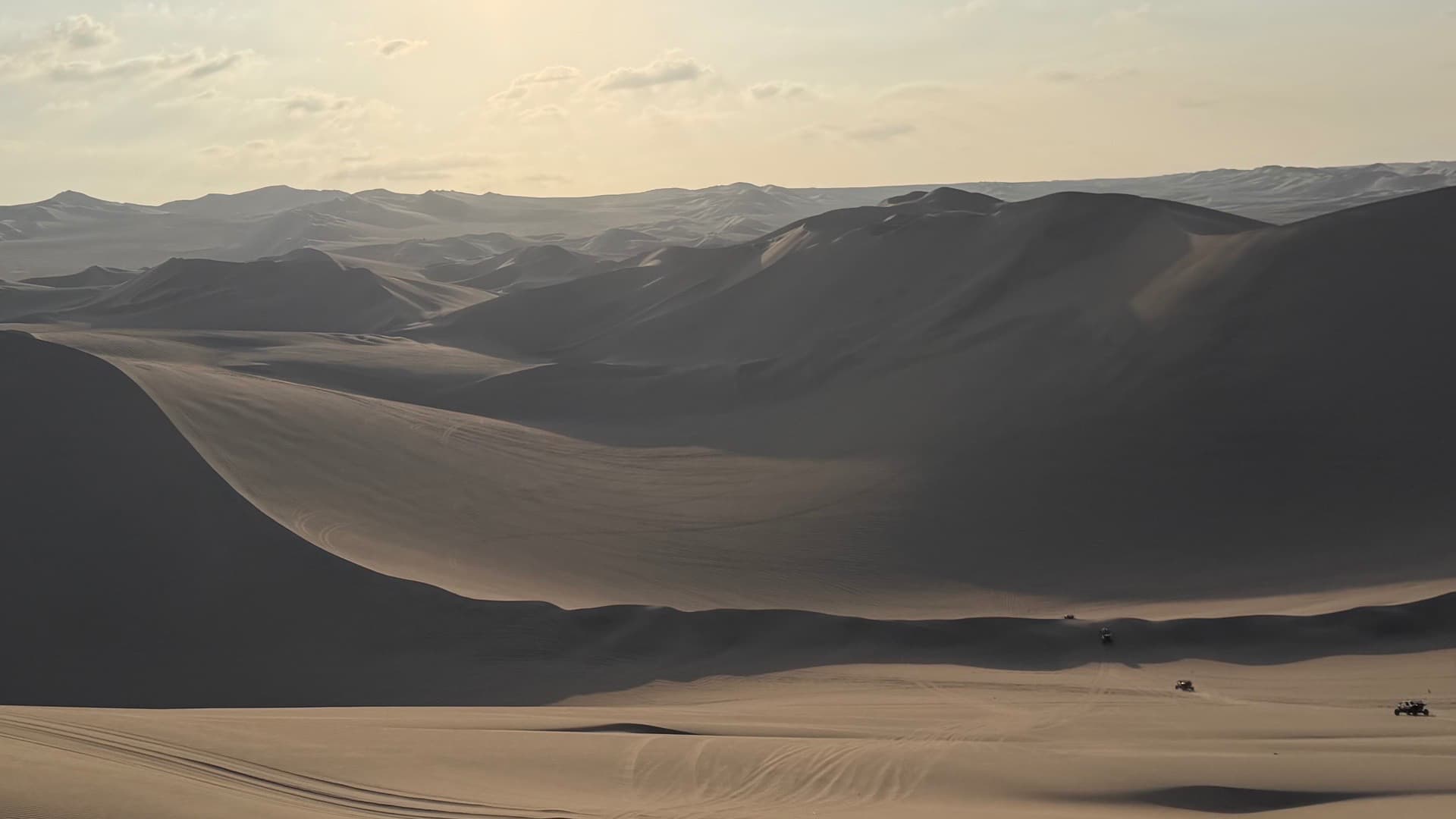
This is the northern reach of the Atacama system, an arid hyper-desert where rain is a historical anomaly and the wind, the paracas, acts as the primary architect. These are not mere hills; they are colossal star dunes, massive mountains of sand shaped by opposing wind currents that tower up to several hundred meters above the sea-level plains of Ica. To underestimate this geography is a mechanical and physical error. The sand here behaves like a fluid, shifting underfoot with a deceptively high angle of repose. Navigating this terrain demands respect for the physics of friction and slope stability; a single miscalculation in momentum on these sheer faces means a catastrophic rollover or a punishing, bone-shaking descent into the troughs. It is a stark, silent wilderness that tolerates no hesitation from engine or bone.
The Logistics & The Movement
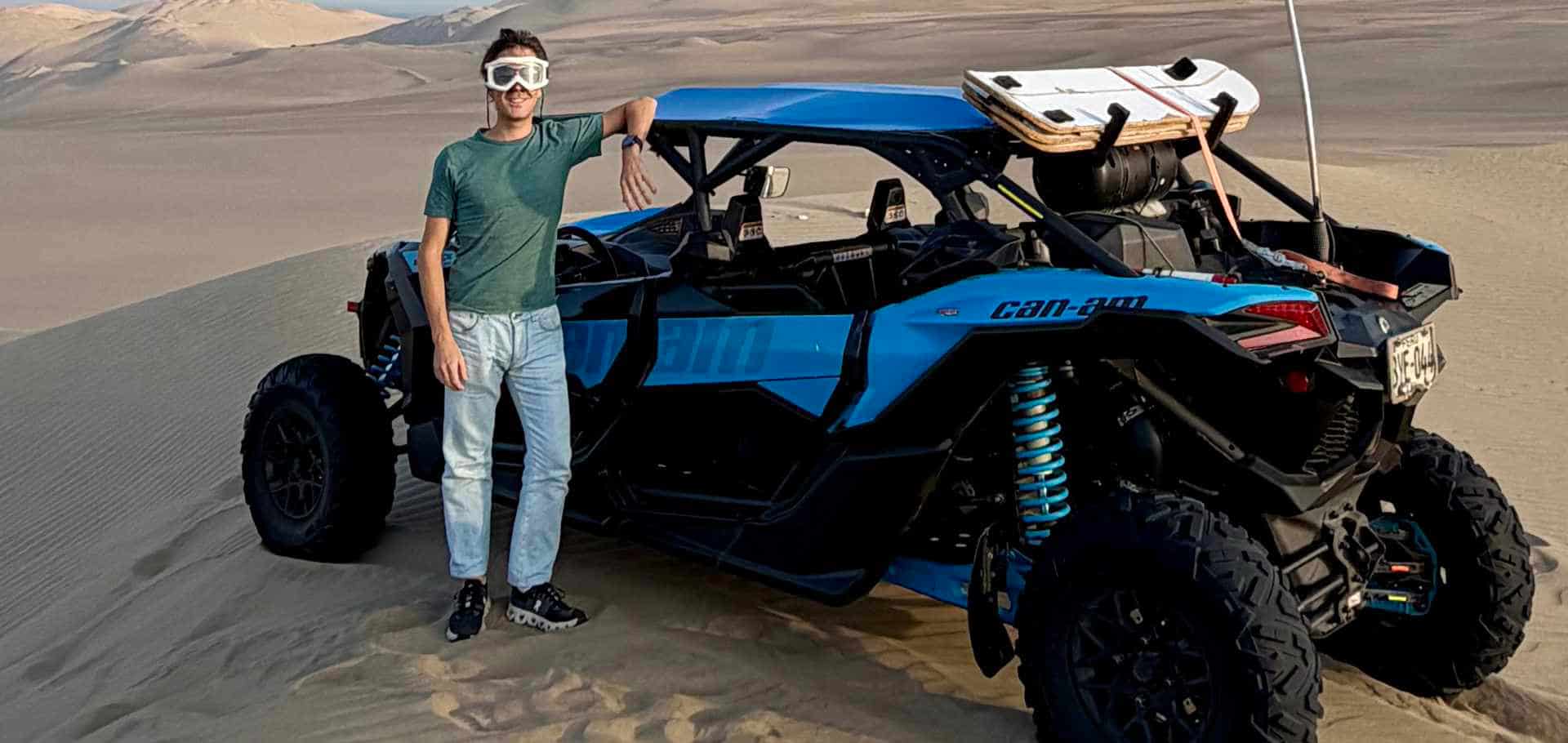
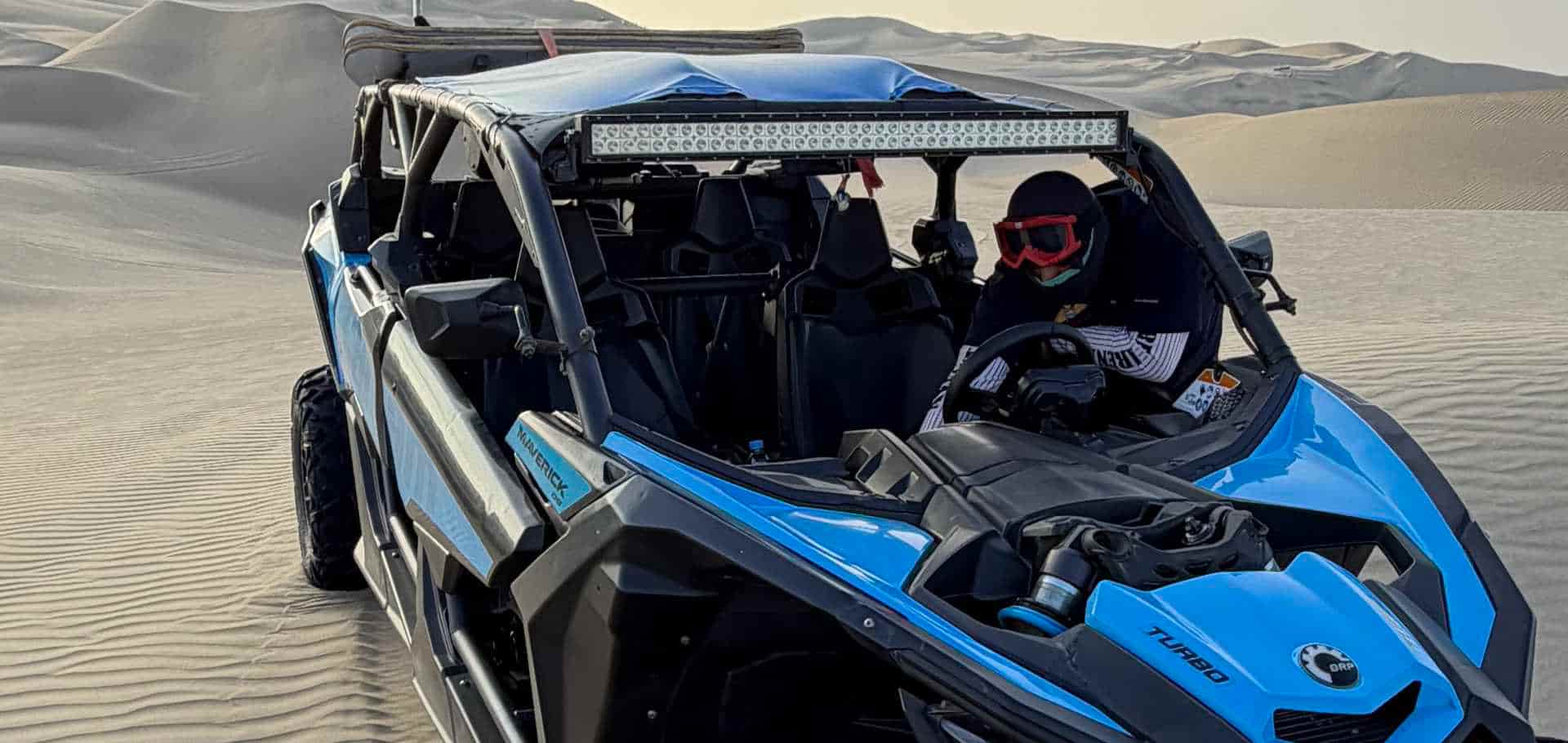
Operational mastery in the dunes of Huacachina requires a calculated synergy between raw mechanical horsepower and visceral physical balance. The primary instrument of transit is the open-framed sand buggy, a stripped-down beast built around a heavy-duty tubular roll cage, powered by a modified Ford or Chevrolet V8 engine. Without windshields or body panels, the passenger is subjected to the full impact of the elements. The driver operates on instinct and momentum; climbing a two-hundred-foot dune requires keeping the engine screaming at high RPMs to prevent the tires from digging their own graves in the fine silica. We crest the summits at speed, the vehicle momentarily weightless before plunging nose-first down vertical chutes that test the limits of our five-point safety harnesses.
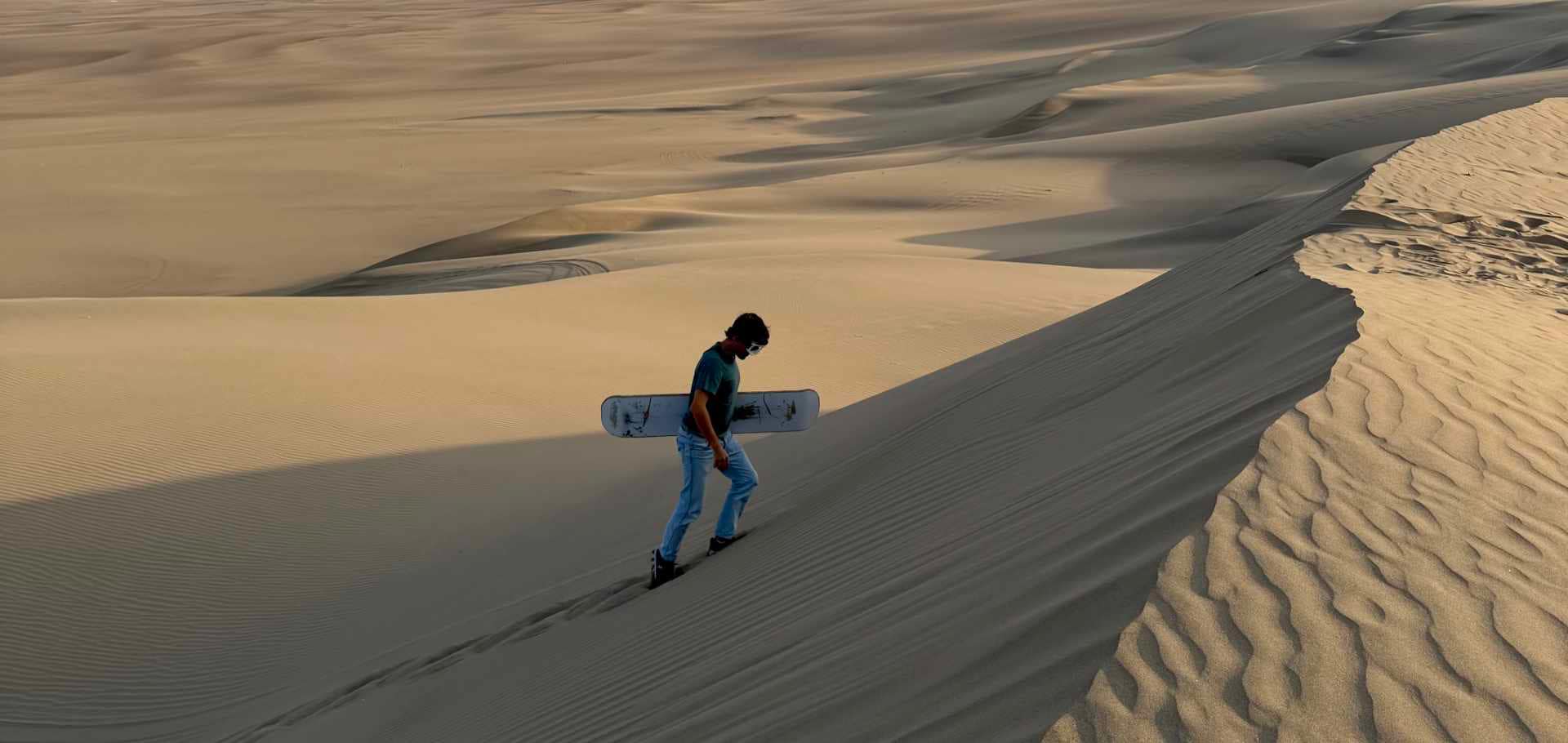
The transition from mechanical propulsion to gravity-fed descent occurs on the highest ridges. Here, we swap gasoline for wax. The equipment is rudimentary but functional: modified wooden and composite boards fitted with basic foot straps, their bases rubbed vigorously with paraffin wax to reduce the immense surface tension of dry, sun-baked sand. Standing at the precipice of a three-hundred-meter dune, the physical reality of sandboarding sets in. Unlike snow, sand offers immense resistance and zero forgiveness for poor edge control.
Initiating the run requires a decisive forward lean, shifting weight over the nose of the board to break the initial static friction. Within seconds, the board accelerates, hiss-whispering across the burning grit. The wind roars against our goggles as we descend, the dry air drying our throats instantly. Turning requires deep, deliberate weight shifts, carving into the shifting slope while fighting the deceleration caused by accumulation under the base. The friction generates intense heat beneath the board; you can feel the warmth radiating through your boots. At seventy kilometers per hour, the landscape blurs into a streak of gold and cobalt, ending only when the gradient flattens in the basin below, leaving us panting, salt-streaked, and covered in fine dust.
The Human & Cultural Echo
While modern engines now shatter the silence of these dunes, this desert has been a theater of survival and mythology for millennia. The Huacachina oasis, an emerald pool of water ringed by palms and huarango trees, is the focal point of this arid expanse, long tied to pre-Inca legends of a grieving princess whose tears formed the lagoon. The indigenous Nazca and Paracas cultures navigated these same hyper-arid wastes without the aid of internal combustion, reading the winds and stars to traverse the coastal plains. Today, the local drivers and guides represent a new breed of desert dwellers. They possess an intuitive, almost geological understanding of the shifting sands, recognizing how the midday heat alters the firmness of the slopes and how the afternoon wind resets the tracks of the previous day. To ride with them is to witness an ongoing dialogue between human ingenuity and an environment that is constantly trying to erase all trace of human passage.
The Calibration & The Horizon
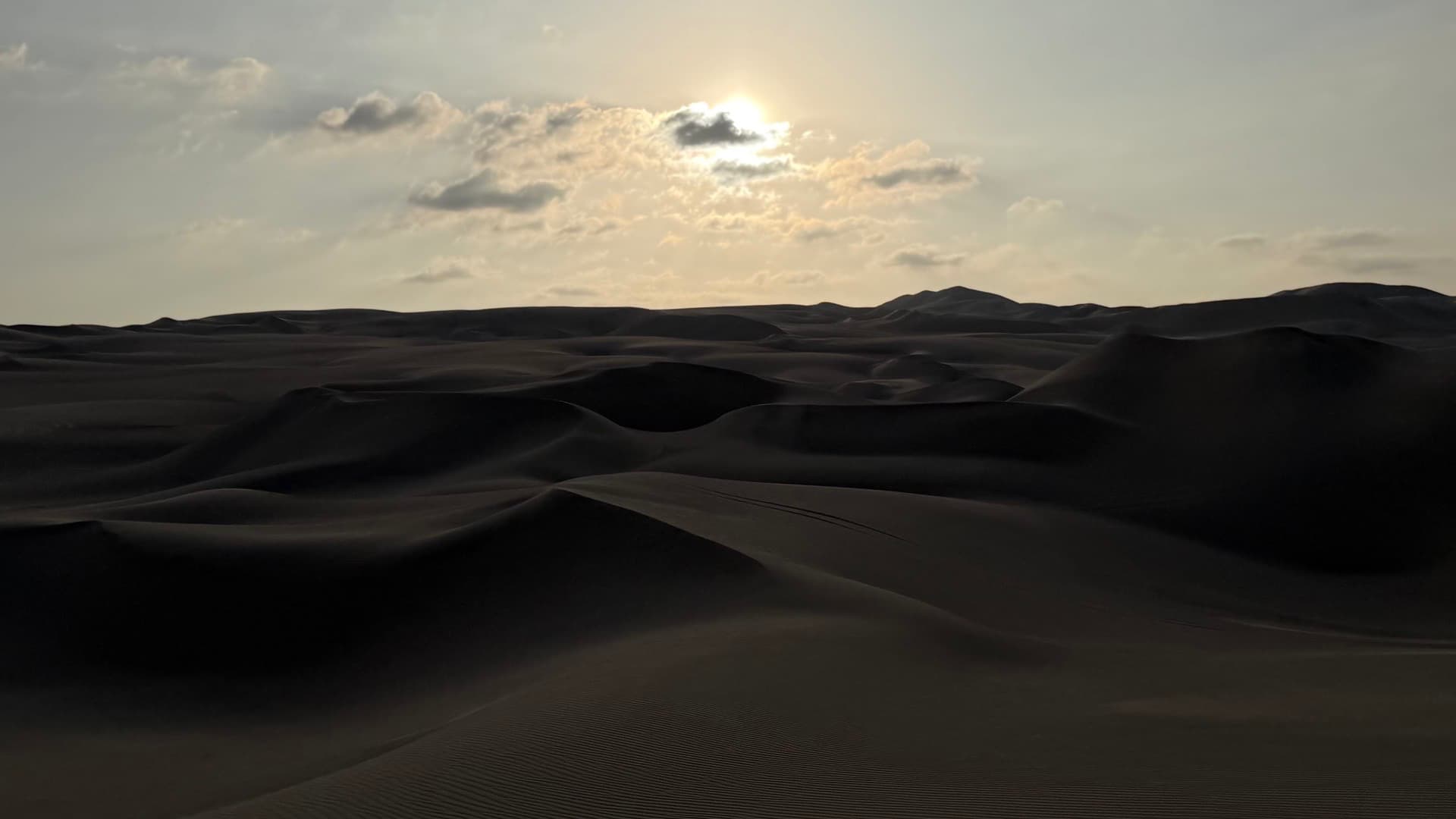
As the sun dips below the western ridges, casting long, bruised shadows across the vast troughs, the engine heat ticks down and the desert cools with astonishing speed. The physical toll of the day is marked by raw skin, strained quadriceps, and sand that will remain in our gear for weeks. Yet, the cost is easily justified. Scaling these shifting giants forces a recalibration of our relationship with the earth, stripping away the cushioning of modern life. In this theater of wind and grit, we are reminded that true vitality is found not in comfort, but in the sharp friction of confrontation with the wild.