Navigating the Aqueous Underbelly of the Megacity on the St. George Ferry Corridor
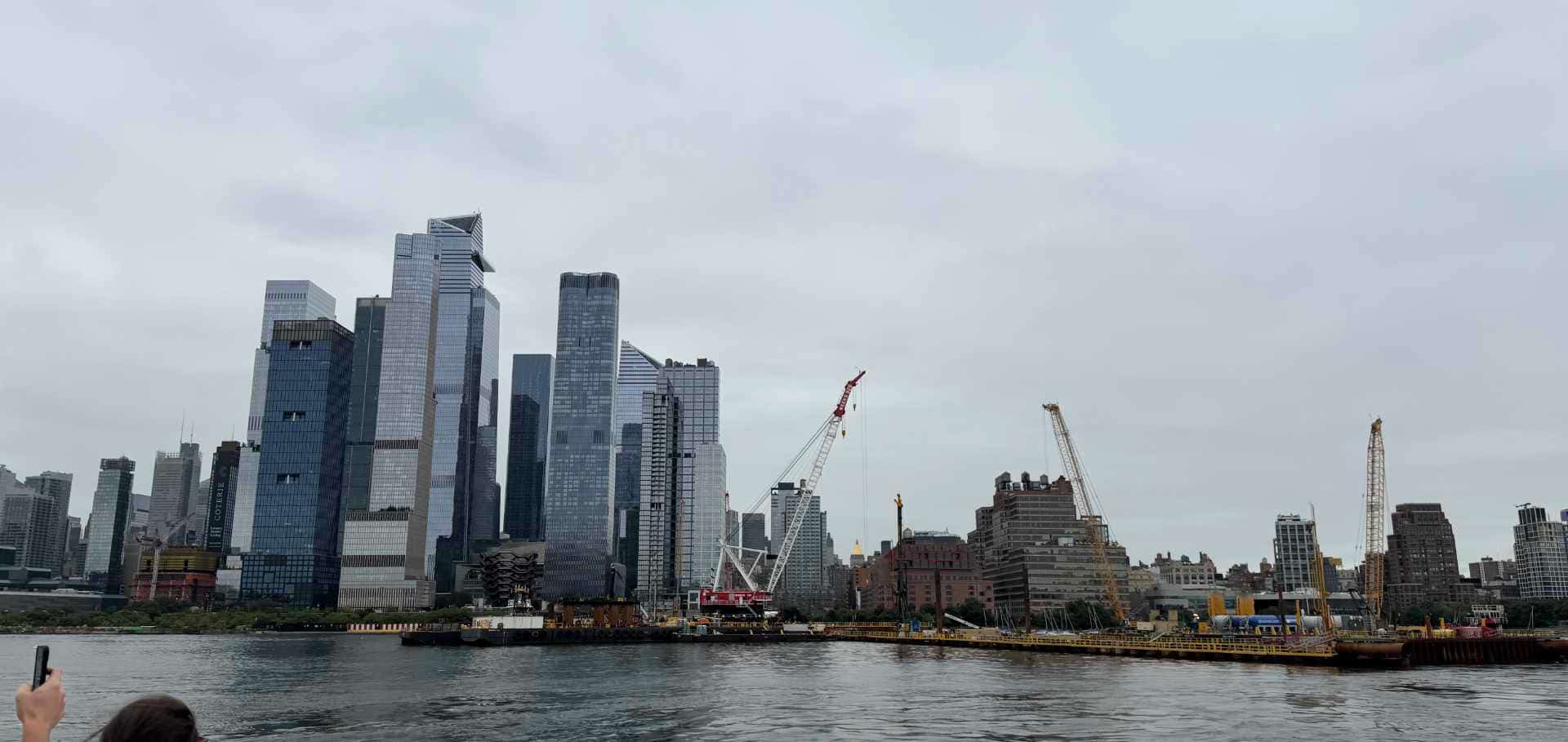
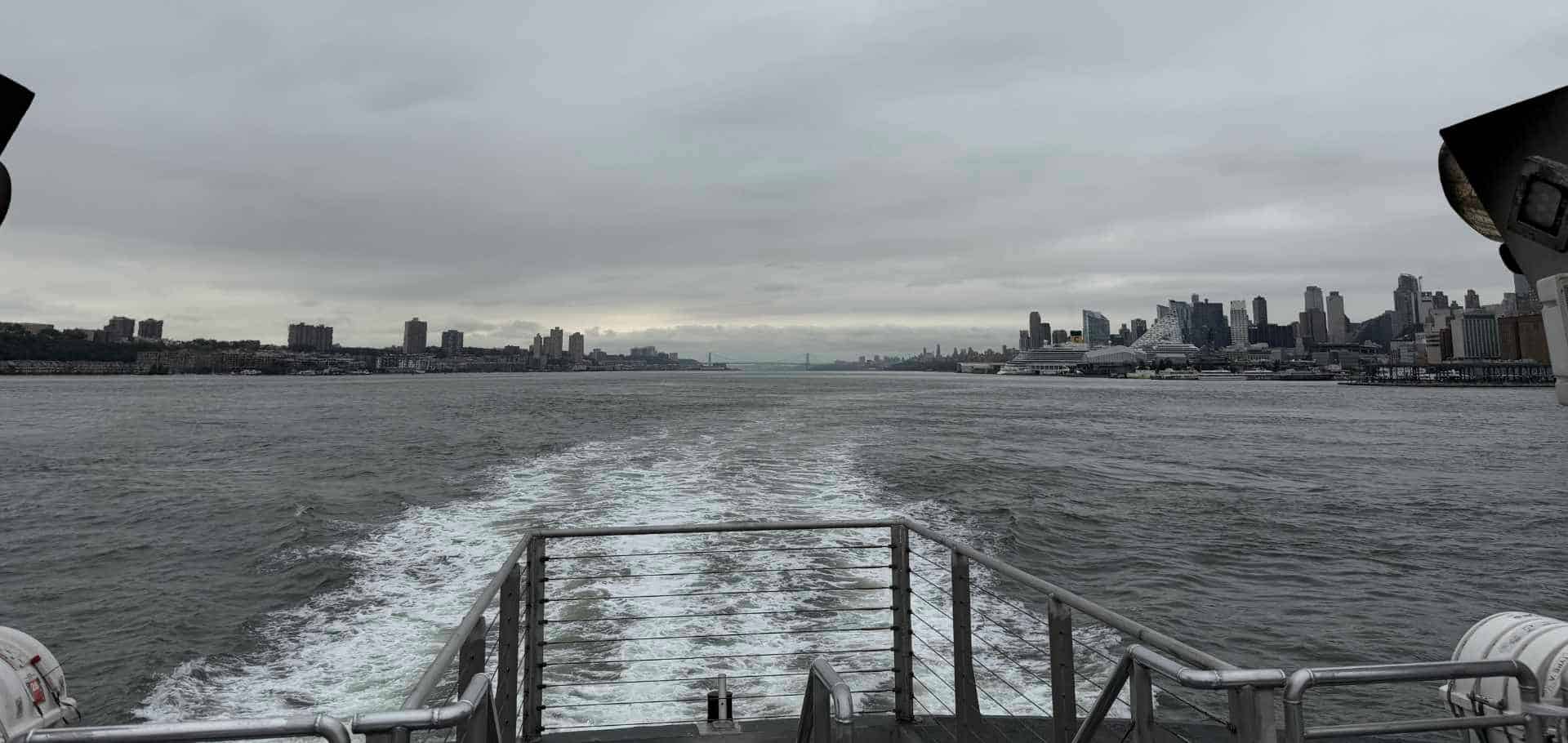
The diesel pulse of the catamaran vibrates through the steel decking of Pier 79, a cold, mechanical shudder that climbs from the soles of my boots to my jaw. A bitter northwesterly wind whips off the Hudson, carrying the brackish stench of low tide and the sharp, chemical bite of marine fuel. To the east, the monolithic glass plates of Hudson Yards loom like sheer glacial cliffs, catching the first pale, horizontal shafts of autumn light. The lines are cast off with a heavy metallic clank, and the vessel surges into the gray, churning current, leaving a boiling trail of white froth in its wake.
Geography & The Stakes
This is not a casual crossing; it is a penetration of the deep-water trench that carved the economic destiny of North America. The Hudson River is no mere stream, but a tidal estuary where the Atlantic Ocean forces its salt wedge nearly one hundred and fifty miles inland. To navigate these coordinates is to slide along a tectonic fault line of human ambition. To our left, the granite bedrock of Manhattan supports millions of tons of vertical steel, a colossal density of concrete resting on ancient metamorphic rock. To our right, the shifting silt of the river floor plunges to depths of forty feet, a watery highway that has swallowed Dutch sloops, British frigates, and industrial coal barges for four centuries. The water here is heavy, thick with sediment, and governed by treacherous currents that demand absolute nautical vigilance.
The Logistics & The Movement
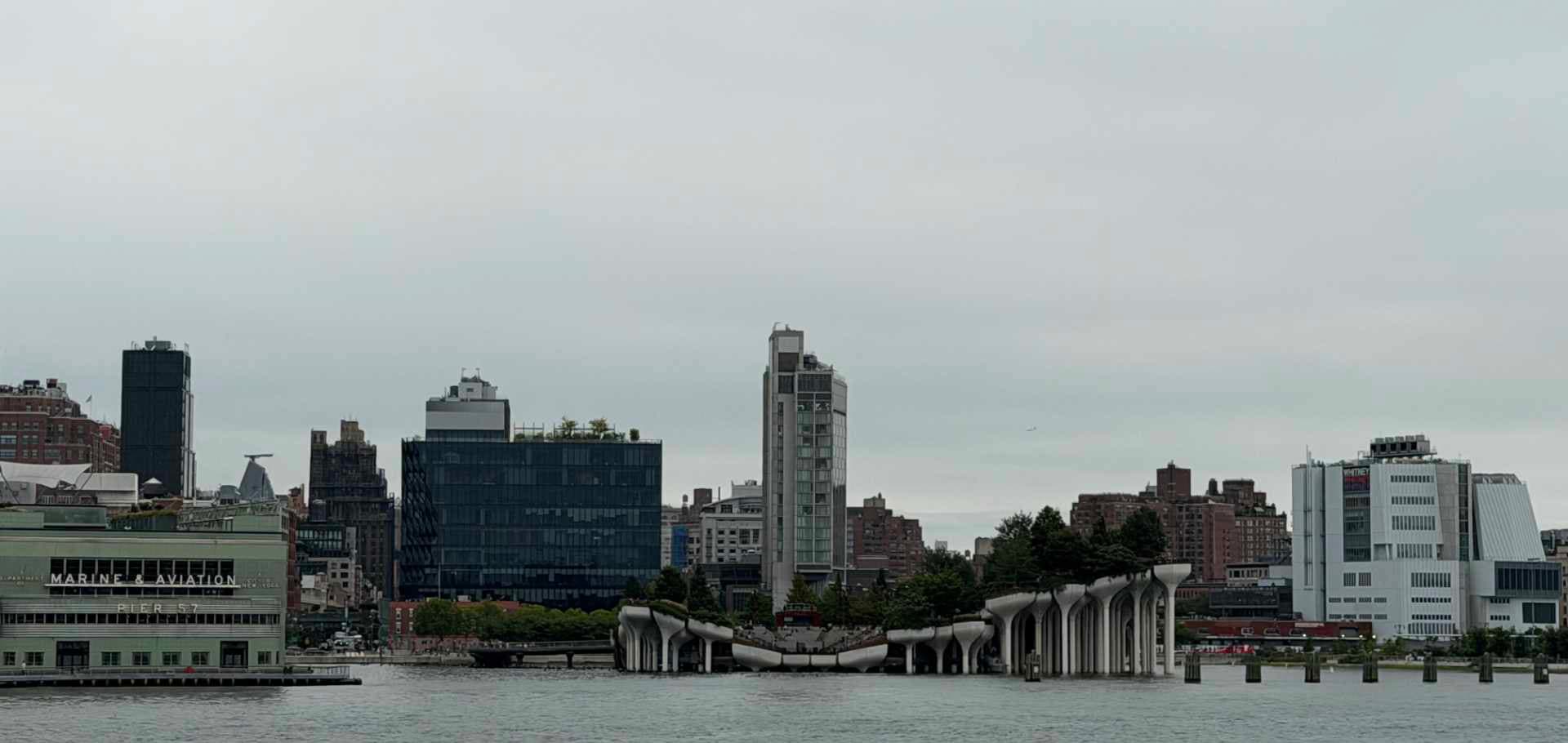
The transit demands a rigorous comprehension of speed and tide. Operating at a steady cruise of twenty-two knots, our twin-hulled aluminum vessel cuts a clean line parallel to the West Side Highway corridor. We skirt the jagged skeletal fingers of the Chelsea piers, where rotting pine pilings protrude from the slate-gray water like broken teeth—remnants of the golden age of transatlantic steamship travel.
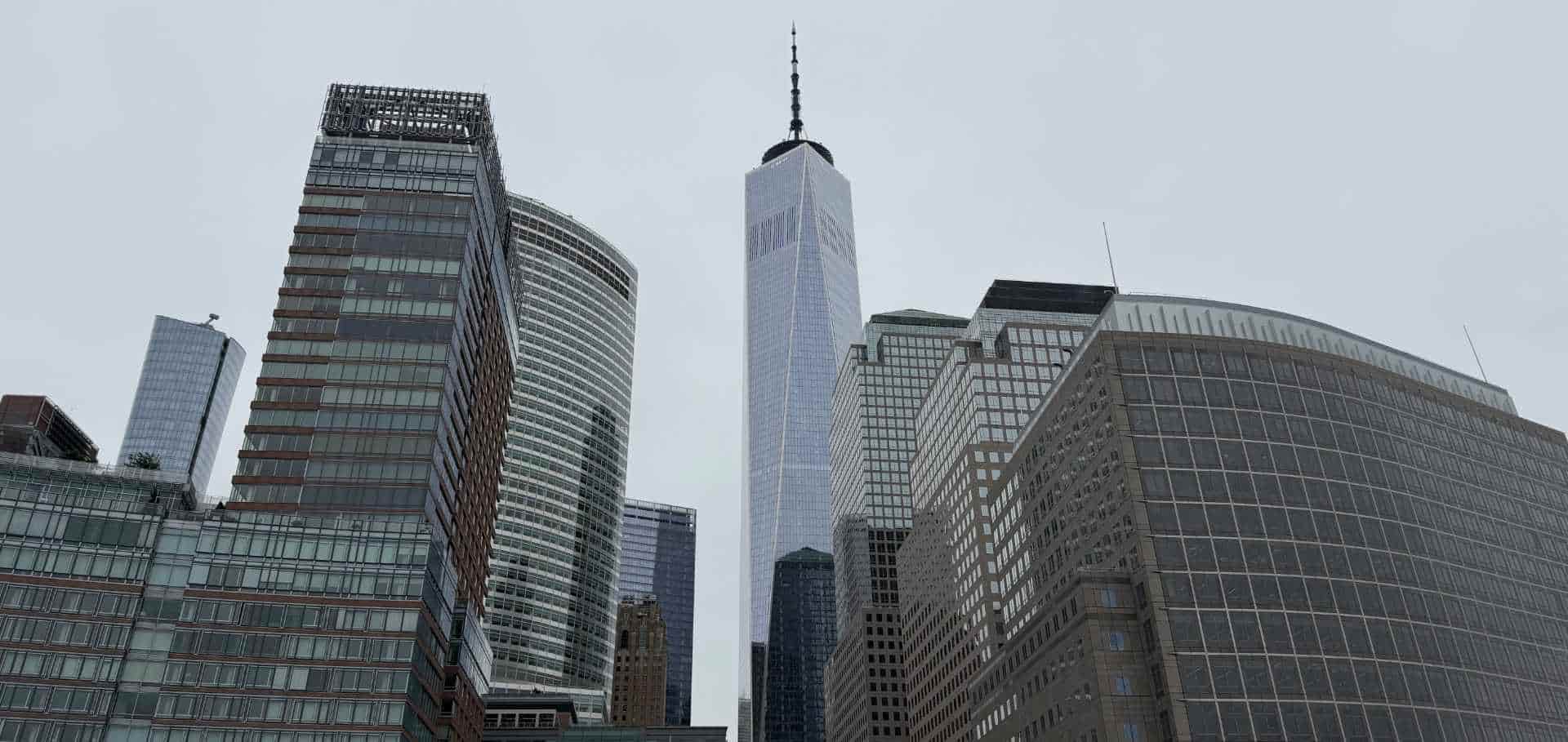
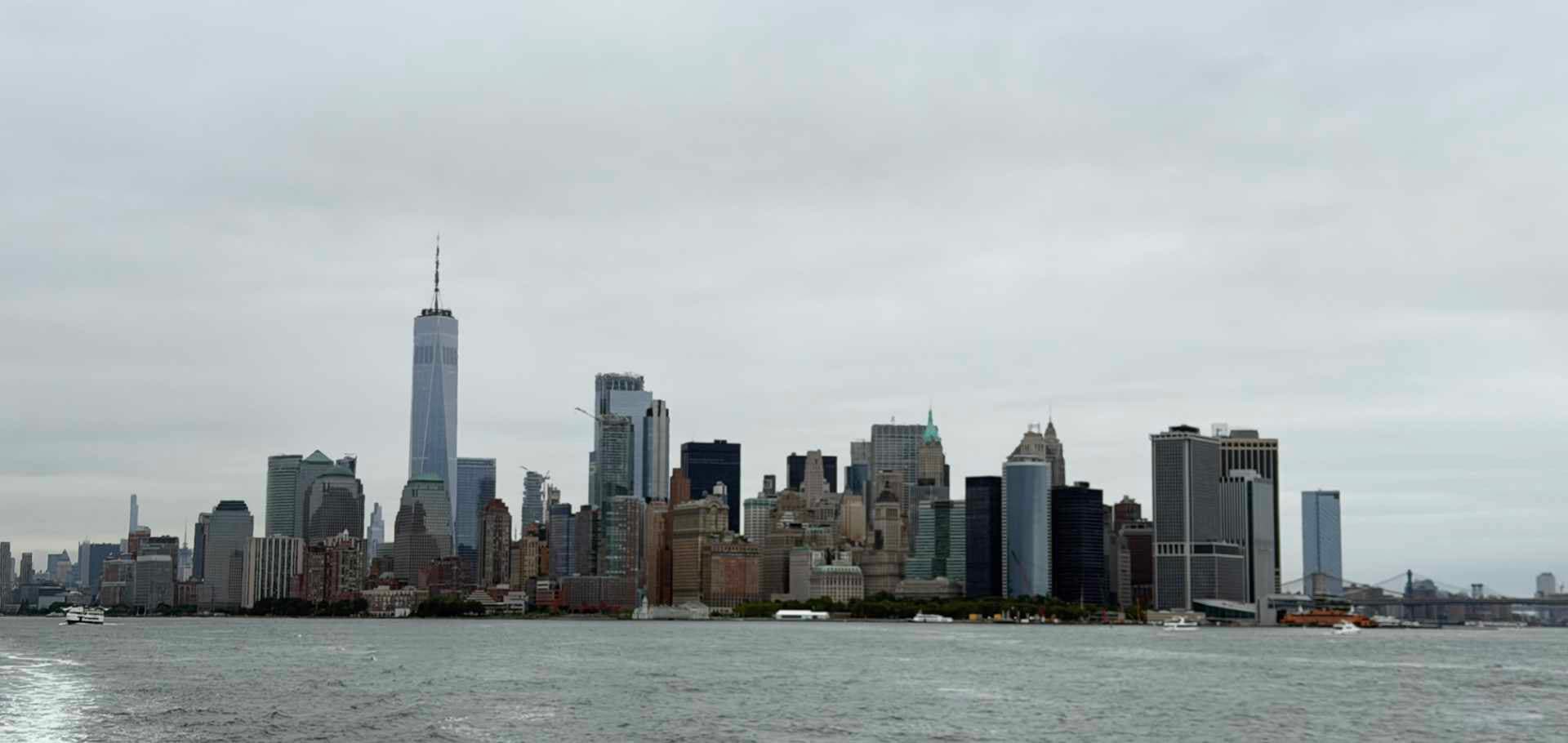
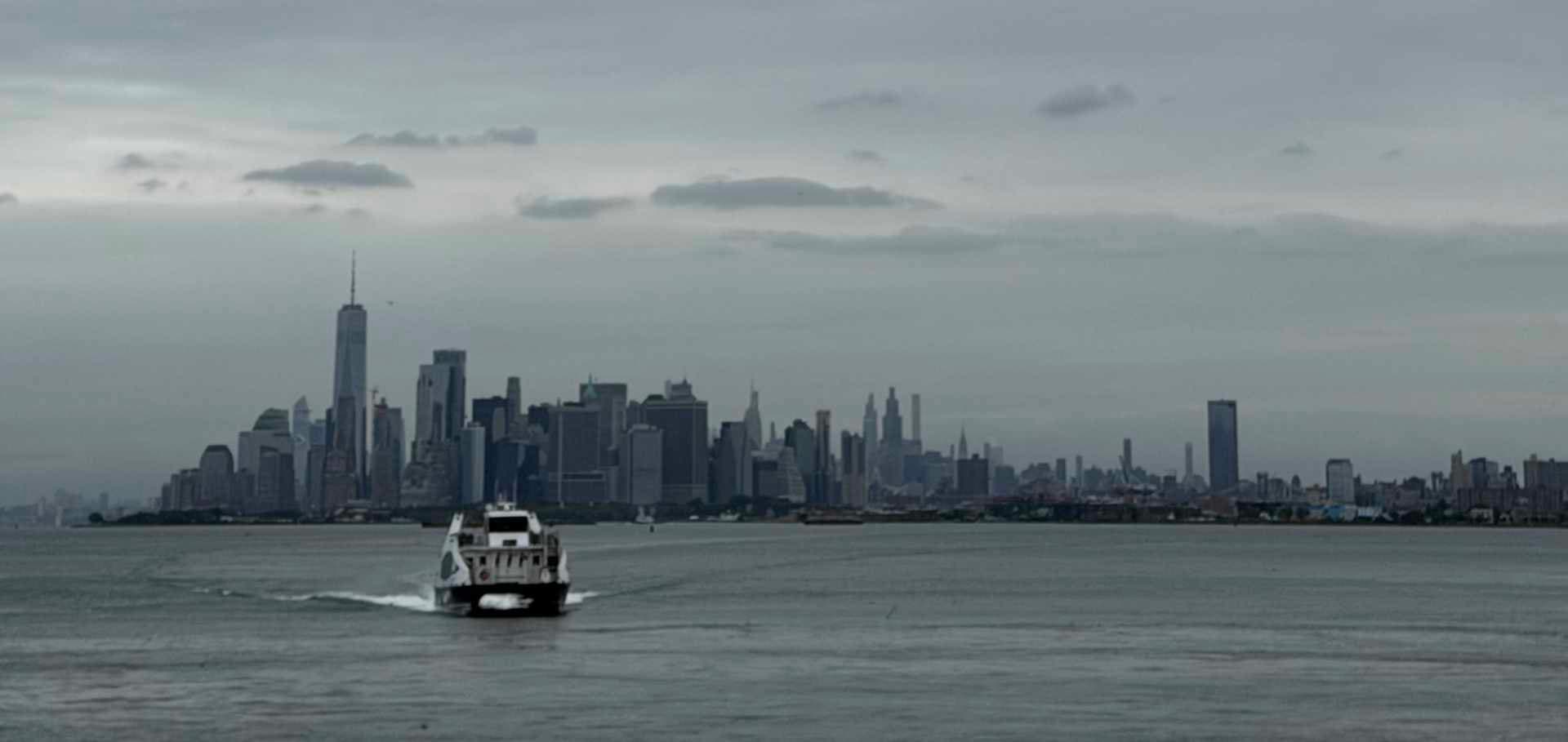
I stand on the open upper deck, exposed to a twenty-knot apparent wind that turns the river spray into cold, salty needles across my face. Every mile south alters the architectural geology of the shore. The midtown towers, blocky and mid-century, yield to the razor-sharp geometric minimalism of Tribeca and the soaring, unilateral mass of One World Trade Center, which pierces the low-lying marine clouds like a titanium spike. Navigating this channel requires constant compensation for cross-currents and the chaotic wakes of heavy commercial tugs and orange Staten Island vessels churning through the harbor mouth.
As we round the southern tip of Manhattan, the navigation becomes dense, almost claustrophobic. We clear the low, red-sandstone ramparts of Castle Clinton, a nineteenth-century fort built to repel British artillery, now reduced to a terrestrial anchor against the rising tide. Here, at the convergence of the Hudson and East Rivers, the water turns into a violent washing machine of colliding swells. The captain throttles back, adjusting the water-jet drives to counter the lateral shove of the tide pushing out of the Long Island Sound. The vessel heels slightly to port, executing a precise arc that brings us within spitting distance of Governors Island’s historic glacis before we align with the narrow slip at Pier 11 / Wall Street. It is a masterclass in urban maritime piloting, where steel, diesel power, and hydrodynamics must align to the second.
The Human & Cultural Echo
On deck, the passengers are not tourists seeking leisure; they are a hardened breed of maritime commuters, collars turned up against the salt mist, eyes fixed on the approaching financial canyons of Wall Street. There is an unspoken solidarity among those who choose the water over the subterranean tomb of the subway. We pass the ghost-prints of immigrants who stepped off at Ellis Island, just a mile to our west, their first sensory contact with America being this exact, brine-soaked air. The crew operates with a silent, synchronized efficiency born of thousands of hours on these waters. They throw heavy nylon mooring lines with the casual accuracy of cowboys, lassoing the iron bollards of Pier 11 as the boat groans against the rubber pilings. This waterfront has been rebuilt, modernized, and sanitized, yet the fundamental human relationship to this harbor remains unchanged: it is a place of labor, arrival, and transition, where the city’s immense wealth is perpetually anchored to the harsh physical realities of the sea.
The Calibration & The Horizon
To step off the gangway at Wall Street is to undergo a violent decompression. The expansive horizon of the bay is instantly replaced by the narrow, vertical darkness of the financial district’s streets. The journey across this urban estuary cost forty-five minutes of cold wind and vibrating diesel energy, but it yields a profound calibration. It strips the metropolis of its sterile, digital abstraction and exposes its true, physical nature. Manhattan is not merely an idea or a financial ledger; it is an island of granite under constant siege by the Atlantic, and to understand its power, one must first feel the cold weight of its waters.