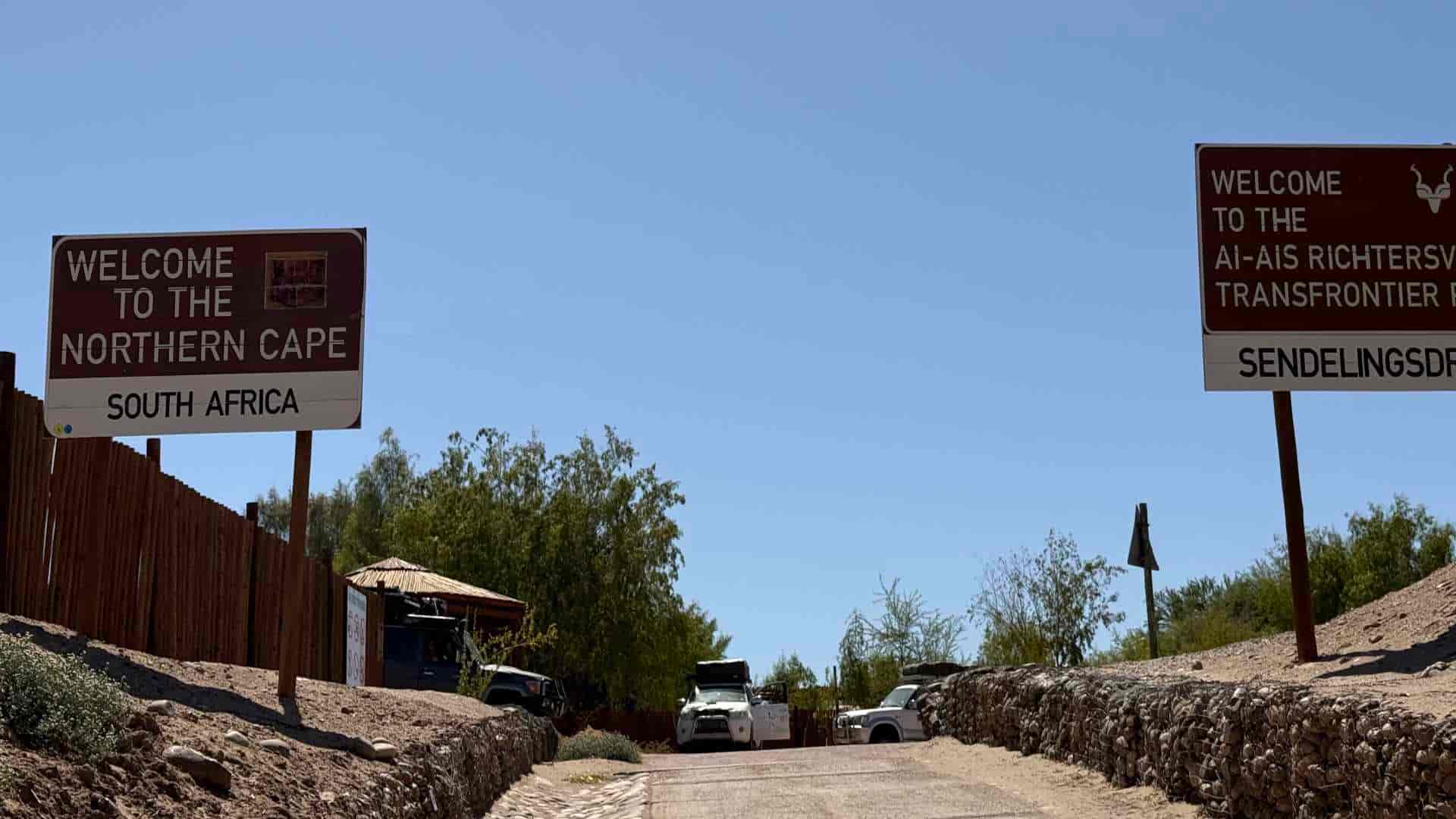
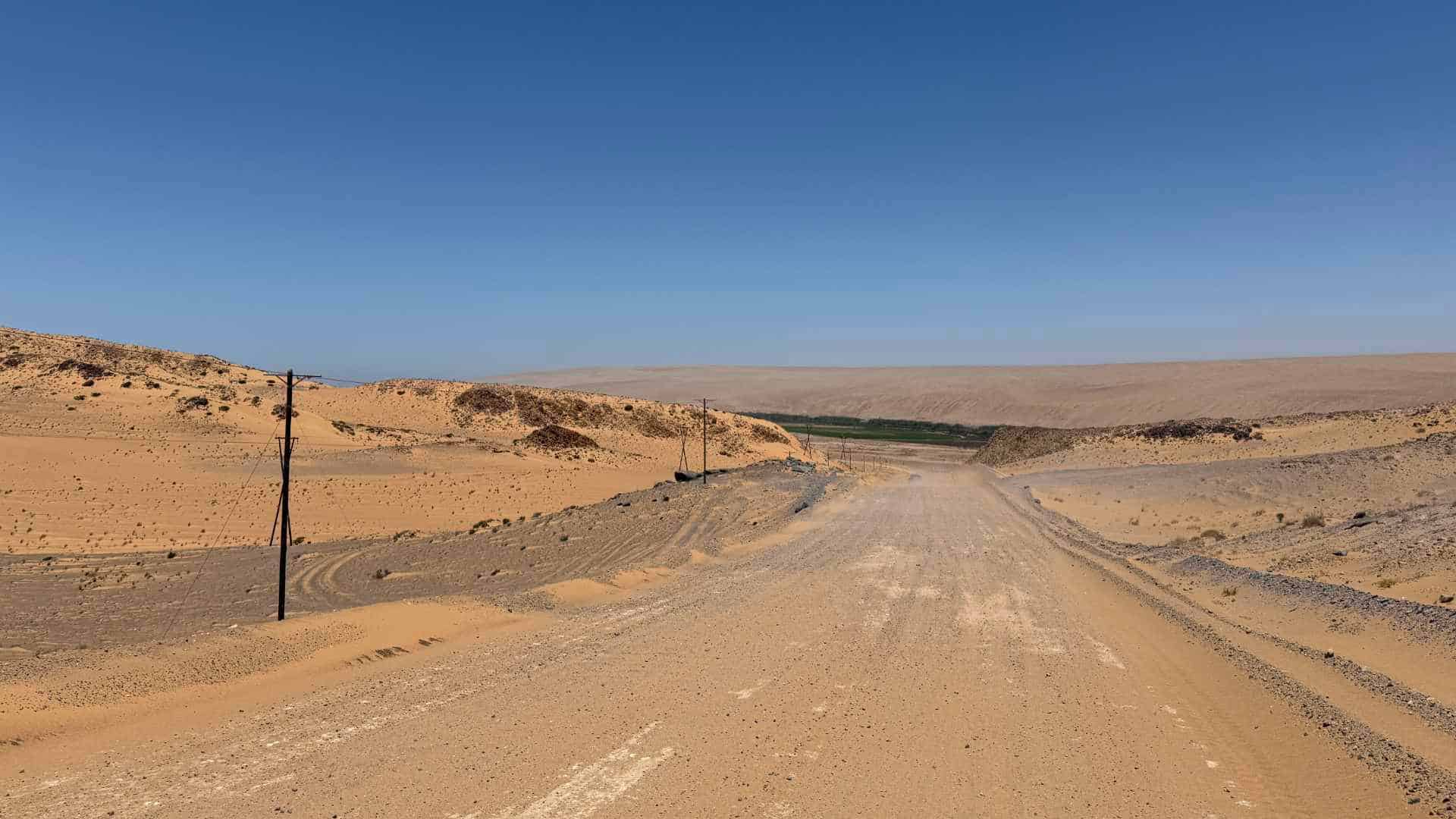
Mechanical precision and raw geography meet at the desolate transfrontier threshold of the Richtersveld.
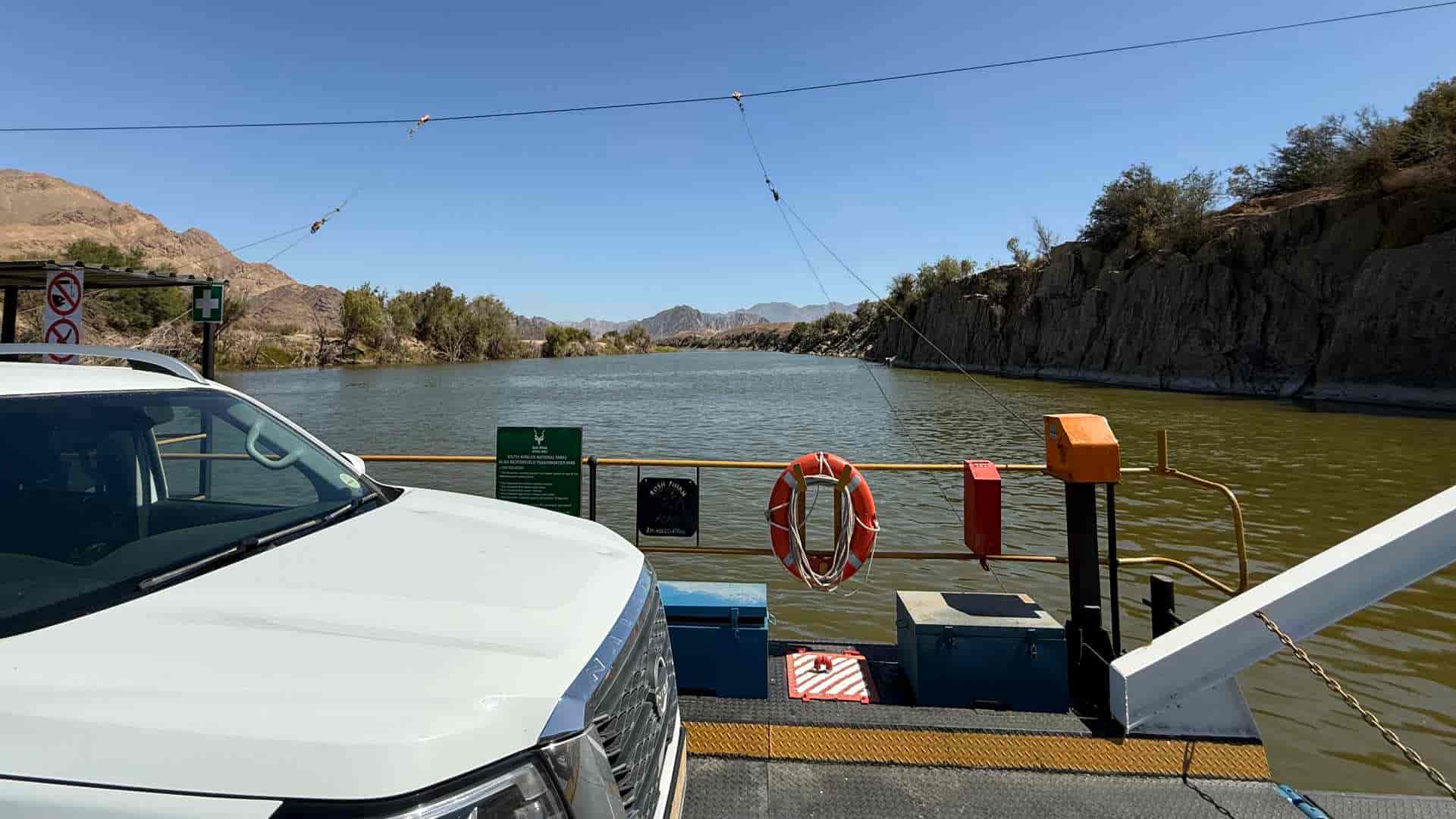
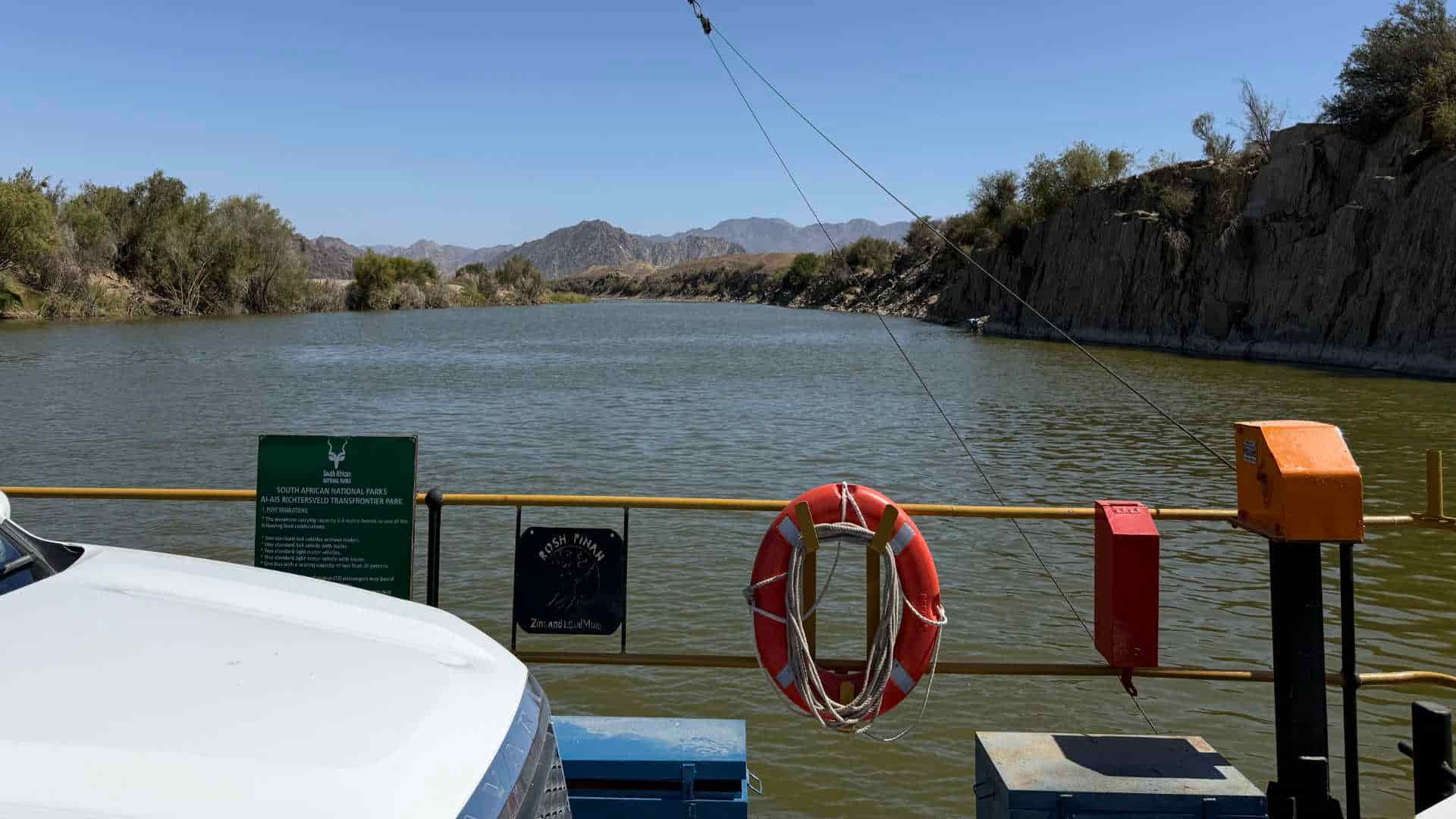
The heat at Sendelingsdrif does not merely descend; it hammers. At 11:45 AM, the thermometer on the dust-crusted dashboard of the Toyota Hilux reads forty-two degrees Celsius. Ahead, the Orange River cuts a swollen, muddy-green swath through the jagged volcanic basalt of the Richtersveld. The steel pontoon, a low-slung, blue-painted raft, strains against its guide cables as the current threatens to drag it downriver. The scent of hot diesel, dry river silt, and scorched iron hangs thick in the dead air. This is the precise point where administrative bureaucracy dissolves into the physical reality of a shifting, unyielding frontier.
Geography & The Stakes
The Richtersveld is a hyper-arid mountain desert, a geological labyrinth of black dolomite and wind-scoured quartz that has rejected easy human passage for millennia. Here, the Orange River acts as both a life-giving artery and a formidable moat separating South Africa from Namibia's Ai-Ais territory. To cross here is to engage with a landscape of extreme friction; there are no concrete bridges spanning this reach of the river. The water level fluctuates violently based on upstream releases from dams thousands of kilometers away, meaning the passage is never guaranteed. This border post demands absolute self-reliance. A mechanical failure or a misjudged approach on the steep, unstable shale ramps can maroon an expedition team days from the nearest mechanical workshop, leaving them at the mercy of the relentless sun.
The Logistics & The Movement
Executing this crossing requires methodical execution and mechanical empathy. First comes the descent down the loose, shifting gravel of the South African bank. The Hilux is dropped into low-range four-wheel drive, crawl speed engaged to prevent the heavy, overlanding-laden chassis from sliding laterally on the wet silt. The tires, deflated to 1.6 bar to maximize traction on the soft riverbank, crunch onto the steel deck of the pontoon. The heavy metal ramp groans under the three-ton vehicle.
Once aboard, the vehicle is secured with heavy-duty chains. The operational heart of this crossing is a pair of four-stroke outboard engines fighting the river’s lateral thrust, aided by thick steel cables anchored deep into both shores. The operator throttles up; the vibration hums through the vehicle’s tires, up through the steering column, and into the driver’s hands. Navigating the current is an exercise in vector physics. The pontoon must crab sideways, angling its bow into the heavy flow to maintain its trajectory along the guide cables.
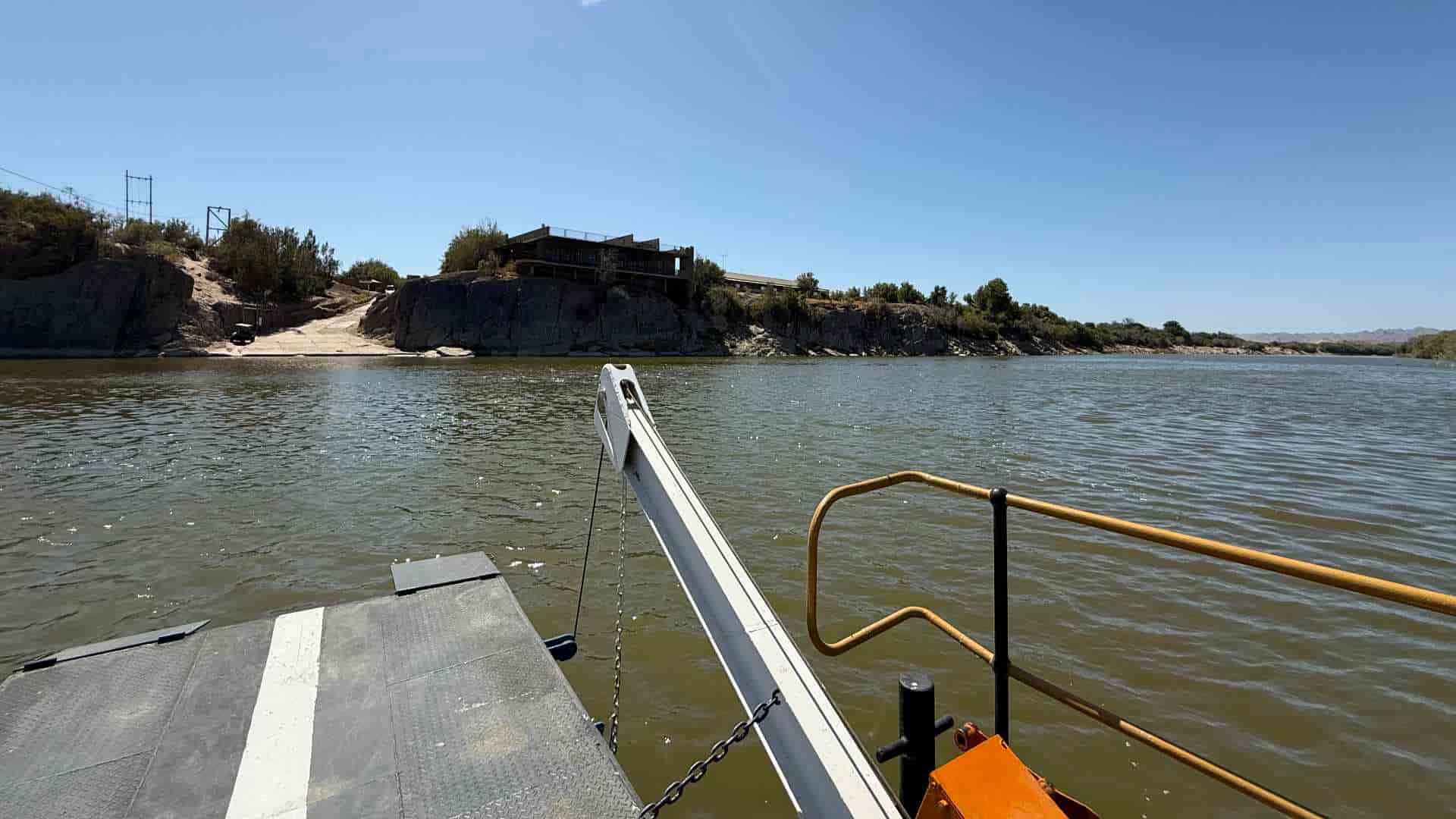
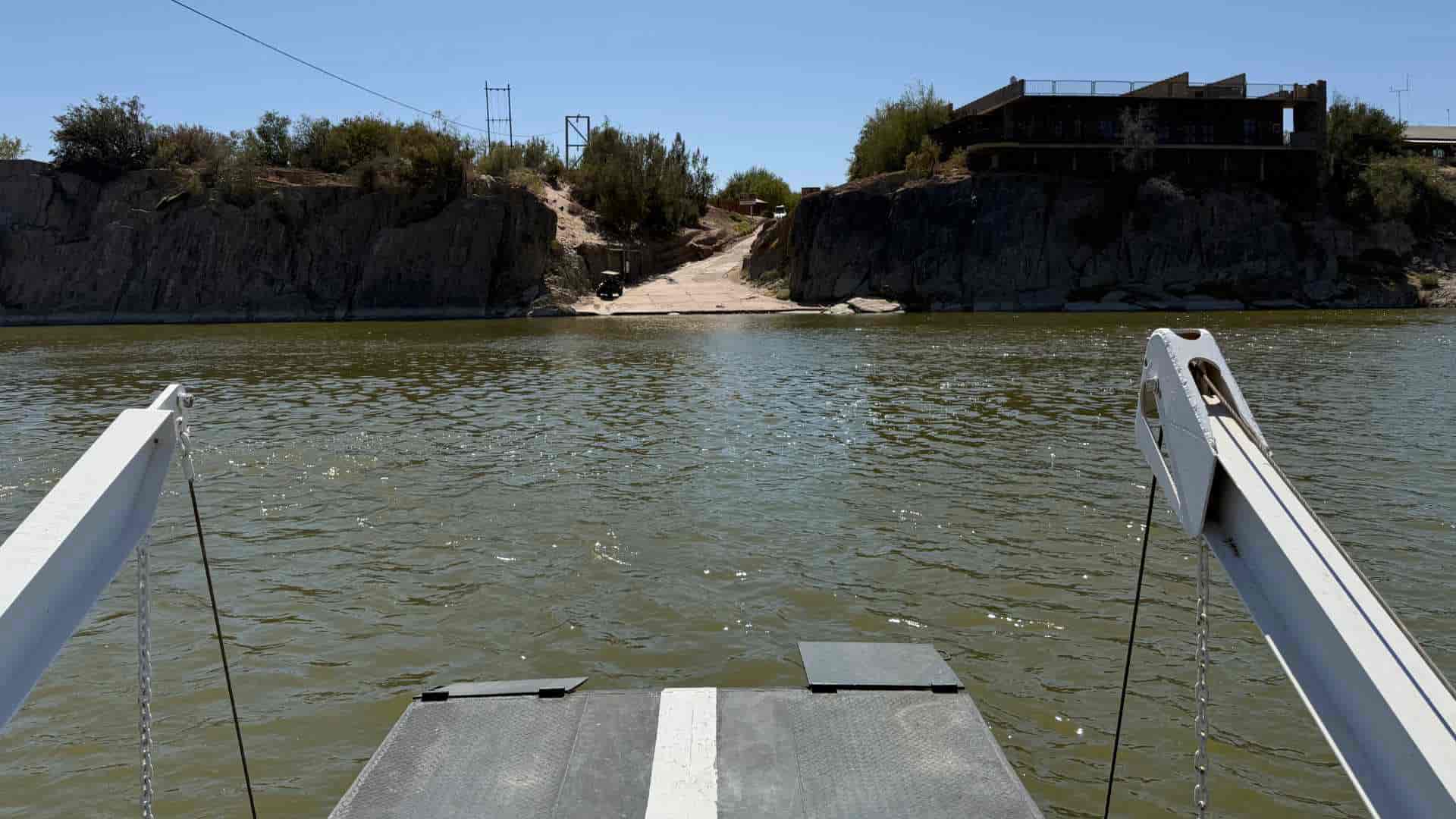
The river water, opaque with suspended silt, rushes beneath the steel slats with a guttural roar. Air drafts coming off the water bring brief, deceptive cooling, but the metallic glare off the river surface is blinding. Every physical component is pushed to its operating limit. The heat tests the cooling systems of both the vehicle’s engine and the pontoon's outboards, while the abrasive silt grinds away at the cable pulleys. Mid-river, the boundary is invisible but palpable. You are suspended between two sovereign nations, reliant on a simple steel raft and the steady hand of the operator. As the northern bank nears, the angle of attack shifts. The operator cuts the throttle at the precise second, letting the momentum carry the bow onto the rocky Namibian slipway.
The Human & Cultural Echo
To live and work at Sendelingsdrif is to understand the art of isolation. The pontoon operators, men with skin cured by the desert sun and hands calloused by steel cables, run this crossing with a quiet, stoic efficiency. They read the river’s moods like a text, predicting sandbar shifts and current surges by the subtle color changes in the water. This frontier is also the ancestral home of the Nama people, pastoralists who have navigated these hyper-arid canyons for generations, moving livestock across a landscape that appears entirely barren to the untrained eye. Their enduring presence is a reminder that political borders are modern, arbitrary scars on an ancient topography. The skeletal ruins of old diamond mining outposts along the riverbanks testify to brief, desperate human incursions, but the desert has ultimately reclaimed them. Only those who adapt to the river's uncompromising terms survive here.
The Calibration & The Horizon
As the Hilux climbs the steep, rocky ramp onto Namibian soil, the tires regain their grip on solid earth. The crossing has taken less than twenty minutes, yet the psychological shift is profound. The effort-to-reward ratio here is not measured in luxury or convenience, but in the sharpening of one's survival instincts. Confronting the raw mechanics of Sendelingsdrif strips away the soft illusions of modern travel. It forces a calibration of spirit, testing your patience, your mechanical foresight, and your willingness to surrender control to the elements. Ahead lies the Namib, vast and silent, waiting for those forged by the river.