A Masterclass in Marine Ecology, Physical Discipline, and the Demolition of Anthropocentric Fear
The diesel engine of the catamaran dies, replaced by the rhythmic slap of chop against fiberglass. The air carries the sharp tang of iodized salt and humid tropical pressure. Before us lies the transition zone—a thin line of white water where the deep Pacific crashes into the barrier reef of Taha’a. I pull the silicone mask over my eyes, the rubber sealing tightly against my temples, and check the purge valve on the snorkel. The transition is violent; one step off the transom and the equatorial heat disappears, replaced by the cool shock of salinity. There is no gentle introduction. Instantly, the water column reveals its real inhabitants.
Geography & The Stakes
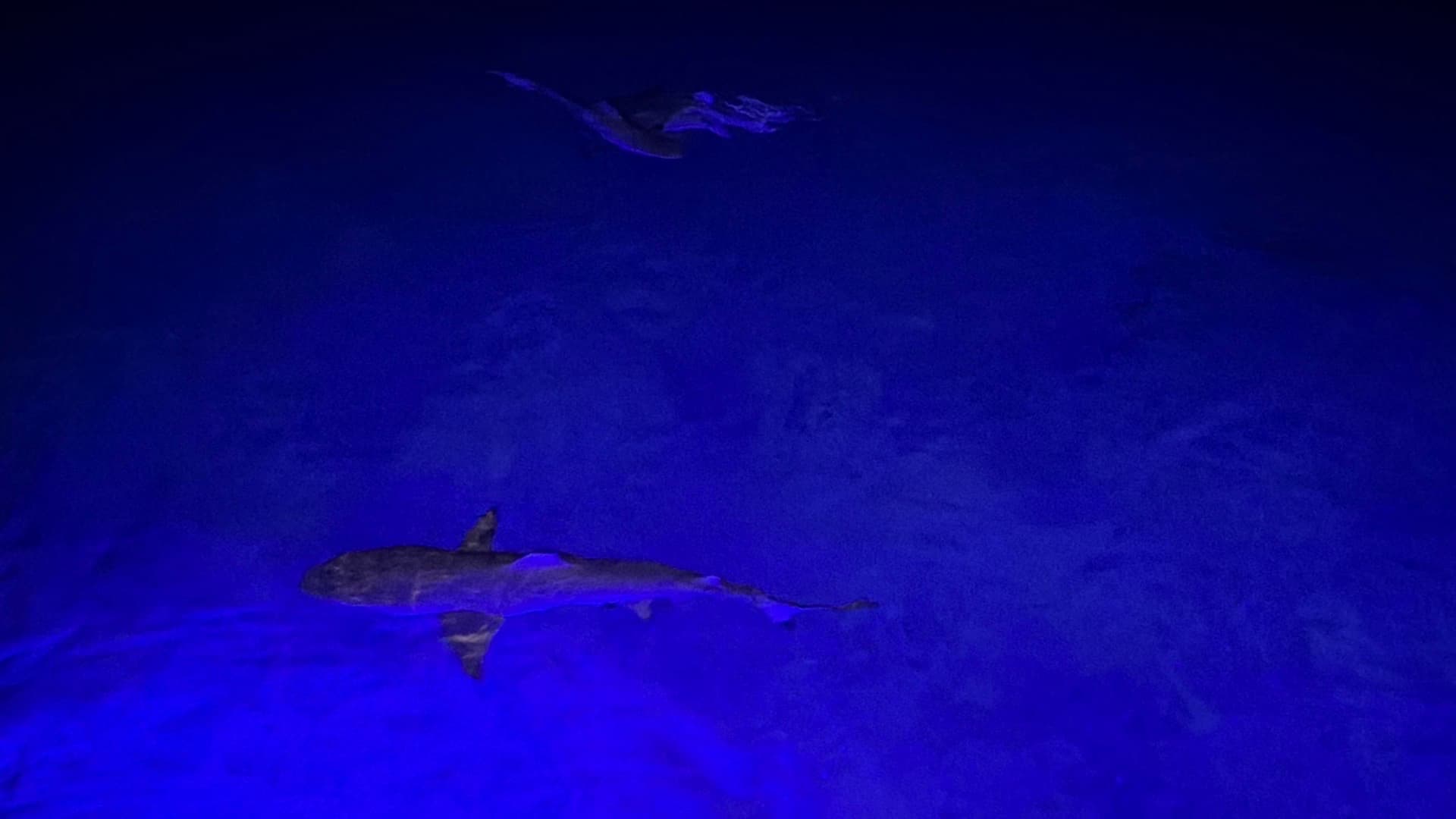
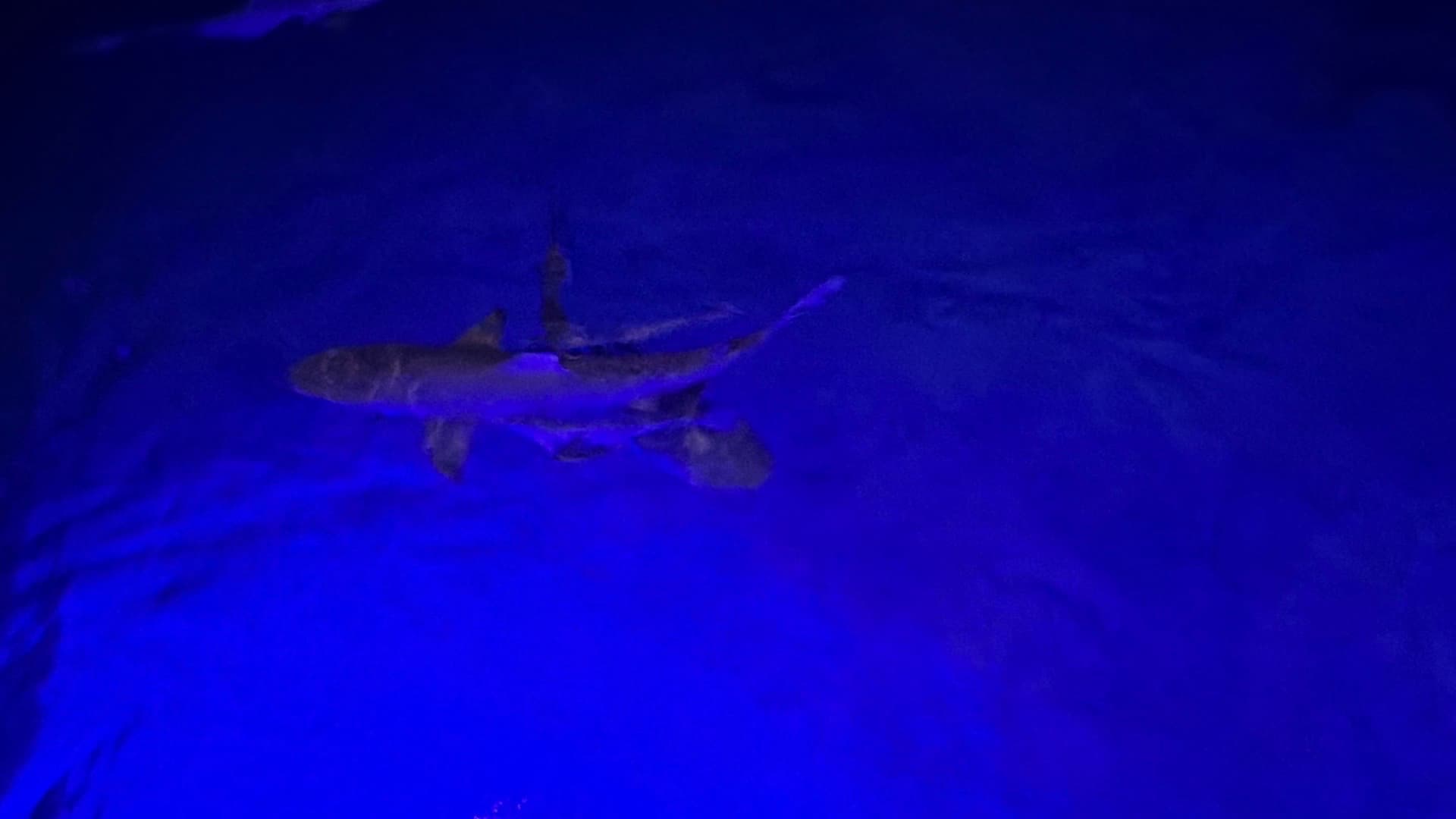
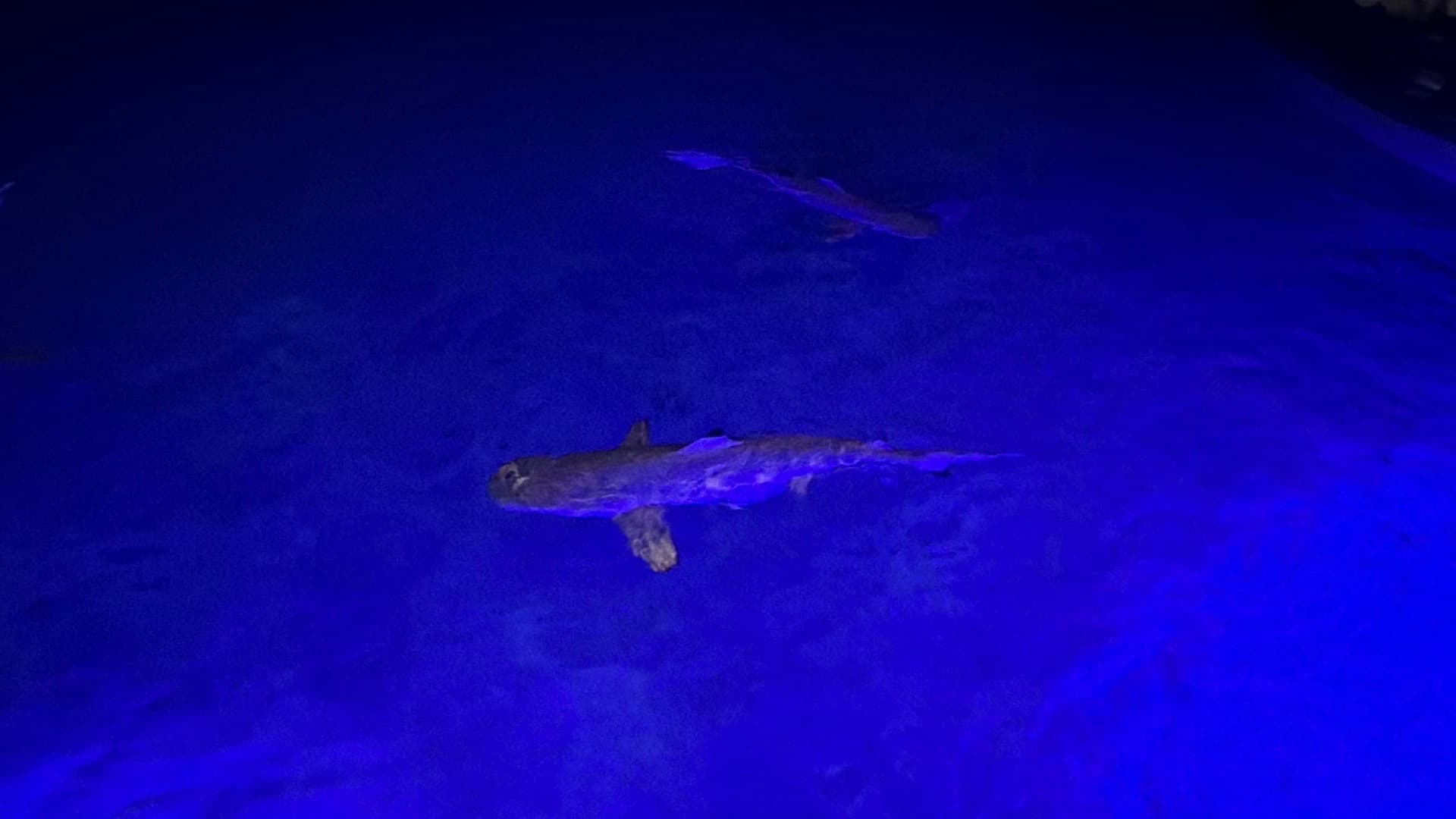
This is the Society Archipelago, where volcanic basalt meets the slow accretion of calcium carbonate. These lagoons are not decorative pools; they are highly competitive biological engines. The barrier reefs of Taha’a and Bora Bora act as massive filtration systems, channeling nutrient-rich ocean currents into shallow, sandy flats. Here, the stakes are dictated by visibility and territory. Stepping into 1.5 meters of water puts you directly into the hunting grounds of Carcharhinus melanopterus—the blacktip reef shark. At up to 2.5 meters in length, these apex predators have spent millions of years perfecting their sensory array. Standing on the shifting sand, you are stripped of your terrestrial superiority, forced to operate within an ecosystem that demands absolute physical composure and respect for its established hierarchy.
The Logistics & The Movement
Navigating this environment requires tactical discipline. Our progression begins in the deeper channels of Taha’a, where the current runs at approximately two knots. To maintain position without exhausting muscular reserves, we utilize a low-profile negative entry, descending immediately to minimize surface splashing, which can mimic wounded prey. The equipment is sparse but precise: low-volume masks to maximize peripheral vision, high-efficiency fins to counter the current, and no shiny metallic gear that might catch the light like fish scales.
Moving to the shallower sandbanks of Bora Bora, the water drops to waist-height, presenting a different logistical challenge. Here, the sand must be traversed with a slow, sliding shuffle rather than lifted steps to avoid stepping on buried stingrays. The wind kicks up a light spray, salt encrusting our lips as we steady our breathing. Underneath, the acoustic landscape is defined by the hollow, rhythmic rush of our own lung capacity through the snorkel tube.
Then, they arrive. Sleek, grey-brown silhouettes materialize from the blue haze of the lagoon edge. The blacktip reef sharks move with a hydrodynamic efficiency that makes human motion seem agonizingly clumsy. One individual, easily 2.2 meters, closes the distance to less than a meter. Its dark, unblinking eyes lock onto my faceplate. There is no malice in this gaze, only a cold, analytical assessment of my displacement. To panic is to invite curiosity; instead, we maintain a static posture, keeping our arms crossed to present a unified, non-threatening profile. When a shark decides to pivot, the acceleration is instantaneous—a sudden, silent flex of muscle that sends a miniature shockwave through the water column, leaving only a cloud of fine coral sand settling on the seabed. It is a masterclass in mechanical design and fluid dynamics.
The Human & Cultural Echo
To understand these waters, one must look beyond modern conservation science to the older maritime traditions of the Ma’ohi people. In Polynesian cosmogony, the shark is not a monster to be conquered, but an 'aumakua—an ancestral guardian. This cultural framework explains the complete absence of cages or defensive spears during this immersion. It is an exercise in mutual recognition. The local guides, who move through these waters with an enviable, fluid grace, do not seek to dominate the predators; they co-exist. They read the subtle shifts in the sharks' pectoral fin angles and the speed of their patrol loops. Observing this interaction peels back the artificial layer of modern fear, revealing a deeply ingrained ecological pact. Here, human survival has never depended on subduing the wild, but on learning its language and aligning oneself with its uncompromising laws.
The Calibration & The Horizon
Clambering back onto the catamaran, the skin stings with the bite of salt water drying in the wind. The physical effort of fighting the current and maintaining absolute mental discipline has drained our reserves, yet the internal return is unmatched. This immersion is a severe calibration of the human ego. It strips away the comforting illusions of the modern world, forcing a direct confrontation with the raw mechanics of the natural order. You leave the lagoon modified, bearing a quiet, permanent respect for the silent sentries of the reef.