Tracing Gaucho Routes Through the Wind-Scoured Serrano Basin
The river temperature hovers near three degrees Celsius as horse hooves break the glassy surface of the Río Serrano. Cold glacial melt surges against heavy stirrups, driving a damp chill through waxed canvas and oiled leather. Ahead, the forest canopy thins, exposing a violent expanse of sky swept clean by southern katabatic winds. Horse legs churn steadily through sub-surface gravel, the rhythm of iron shoes striking river-smoothed granite echoing against the valley walls. The animal beneath me shivers, recalibrates its footing in the current, and leans forward into the gradient. The world shrinks to the immediate physics of balance, weight distribution, and low-frequency motion.
Geography & The Stakes
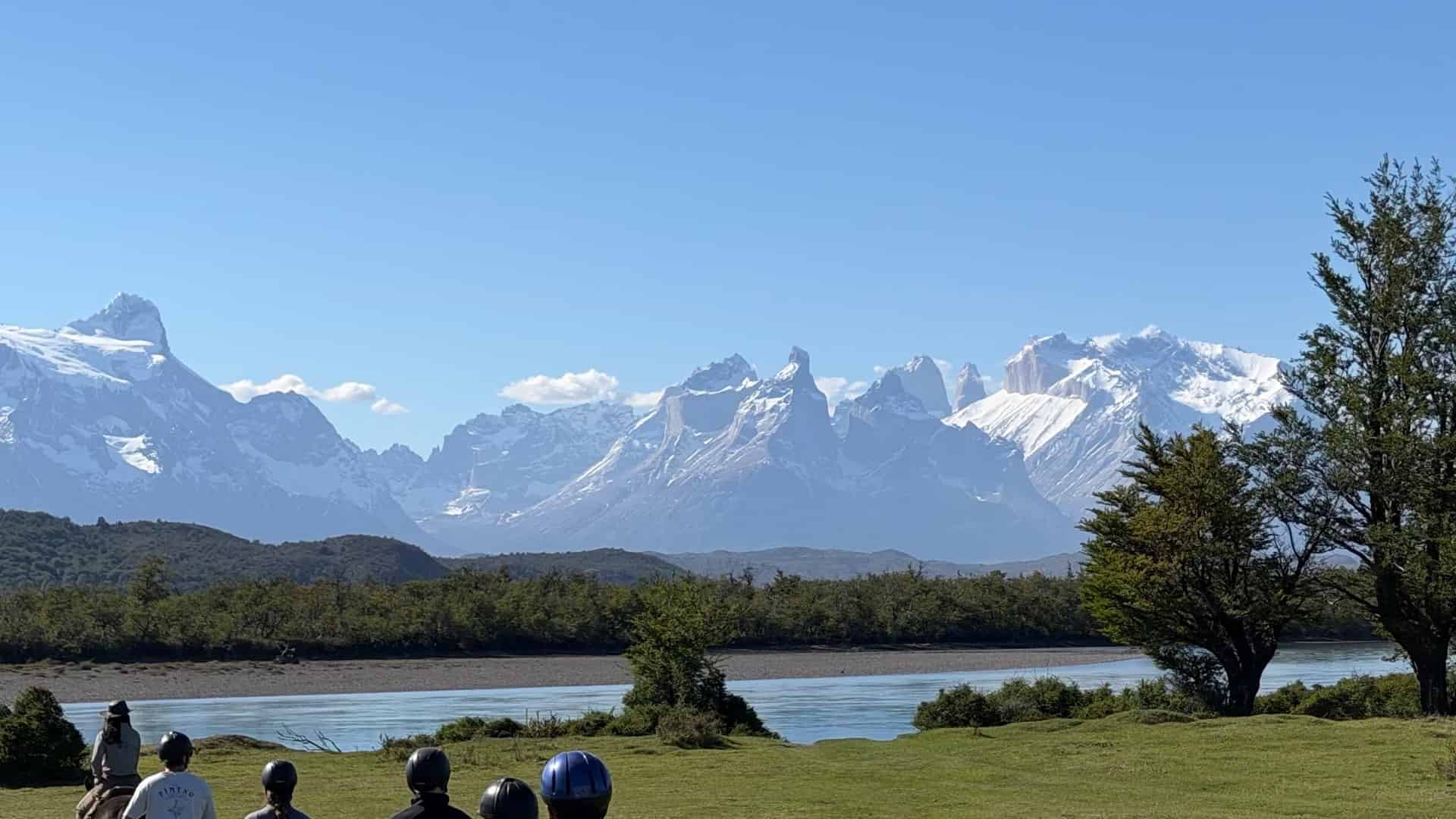
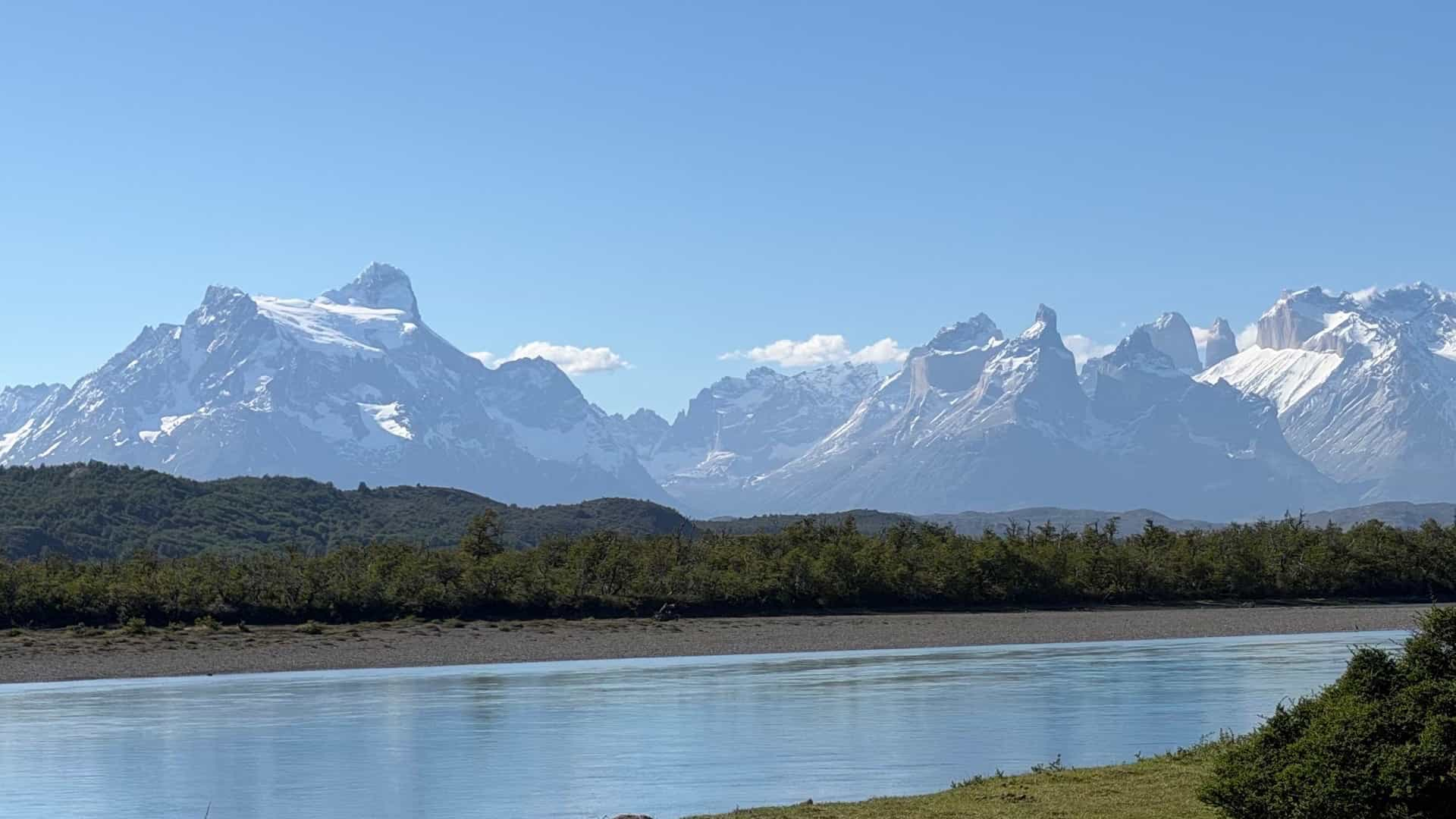
Situated along the southern flank of the Última Esperanza Province at the 51st parallel south, the Río Serrano basin forms a hydraulic corridor draining the icefields into the fjord of Seno Última Esperanza. This is a landscape sculpted by relentless glacial retreat and defined by extreme microclimates. Towering 2,500 meters above the valley floor, the granite horns of the Paine Massif act as tectonic sentinels, arresting squalls moving off the Southern Patagonian Ice Field. Traversing this frontier requires respecting a volatile ecosystem where clear sunlight can disintegrate within minutes into gales exceeding forty knots. The soil here—a friable mix of glacial till, damp forest loam, and alluvial silt—offers no quarter to clumsy navigation. To ride these routes is to commit oneself to the terms set by centuries of tectonic collision and atmospheric erosion.
The Logistics & The Movement
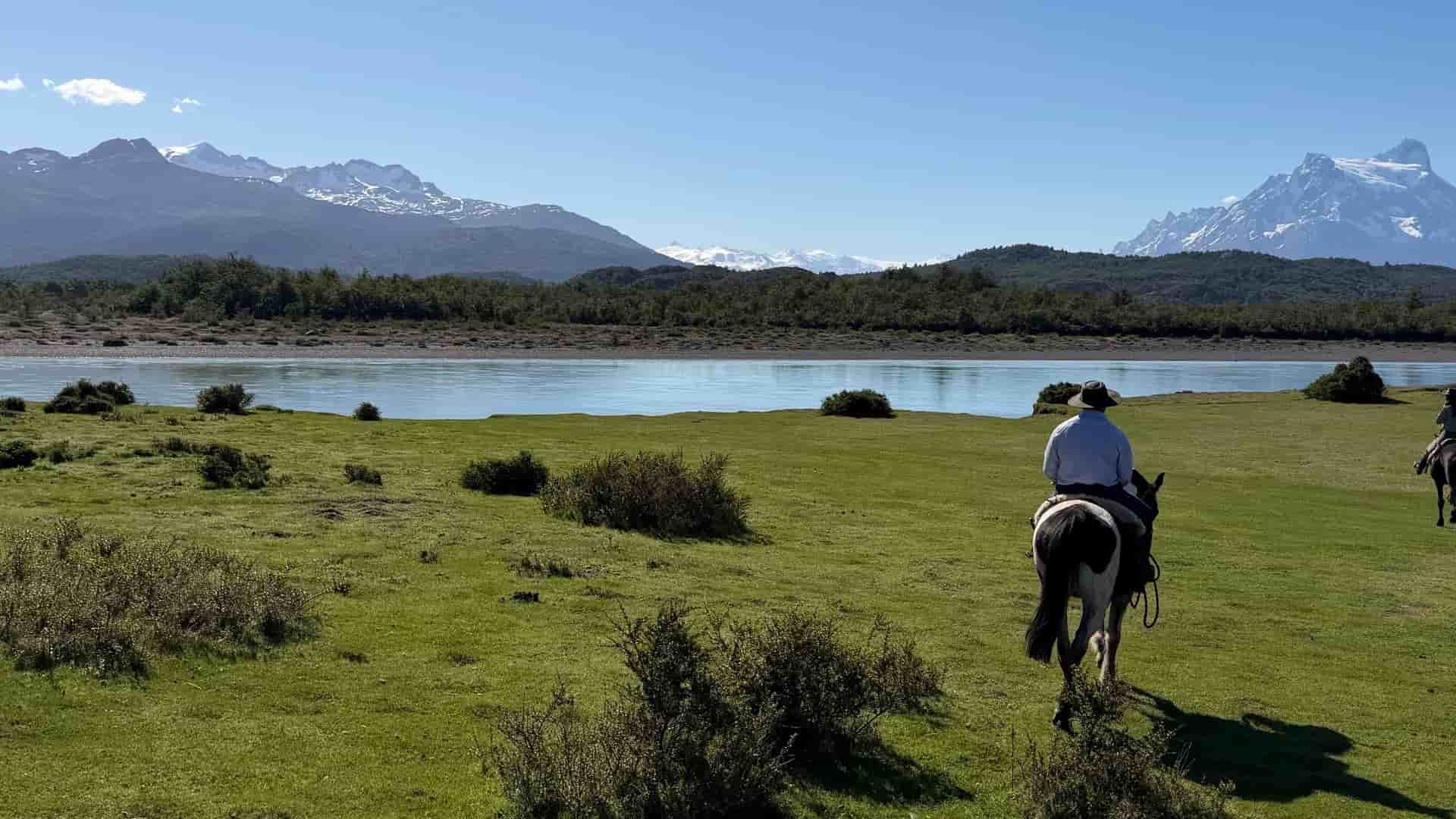
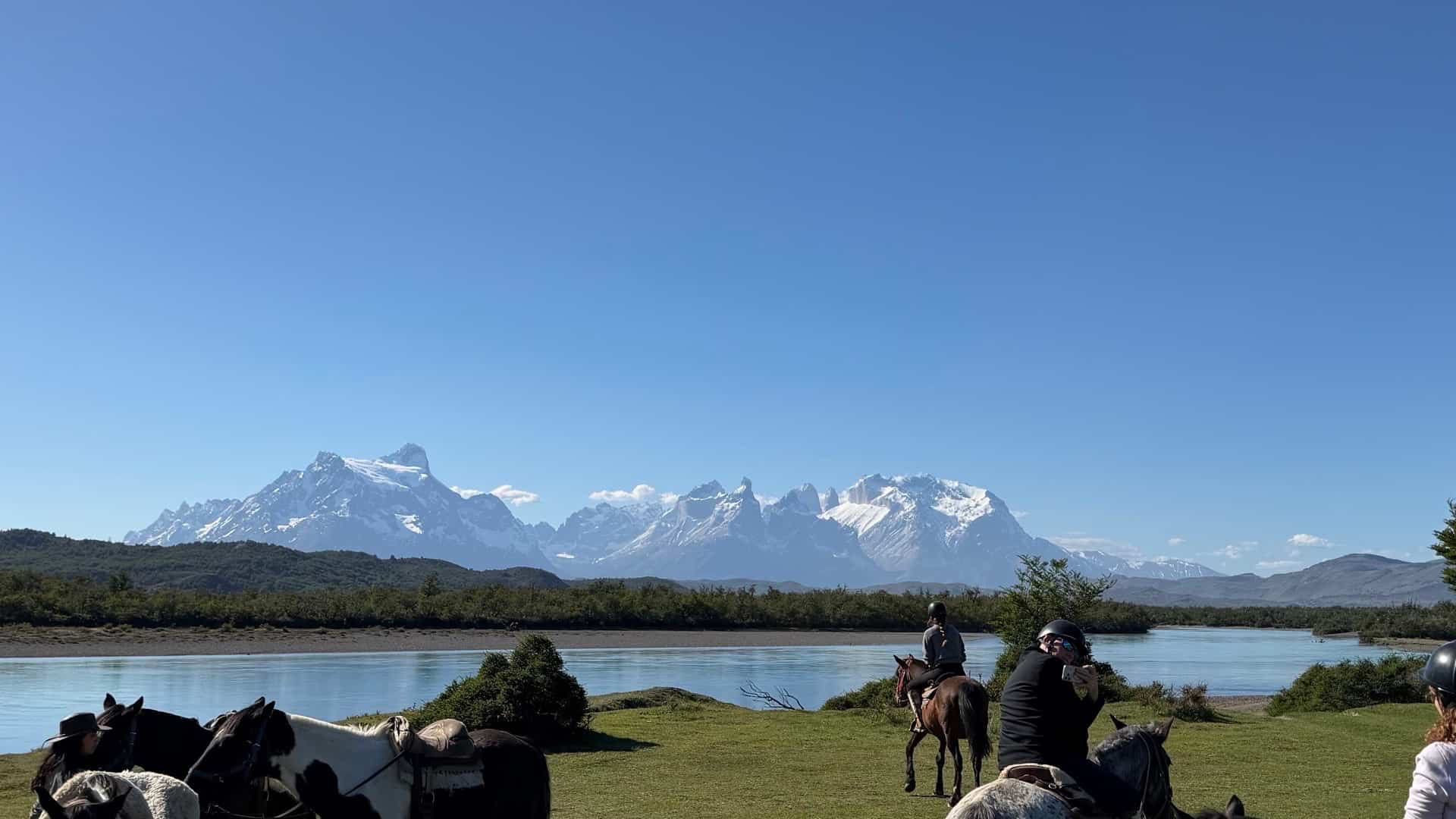
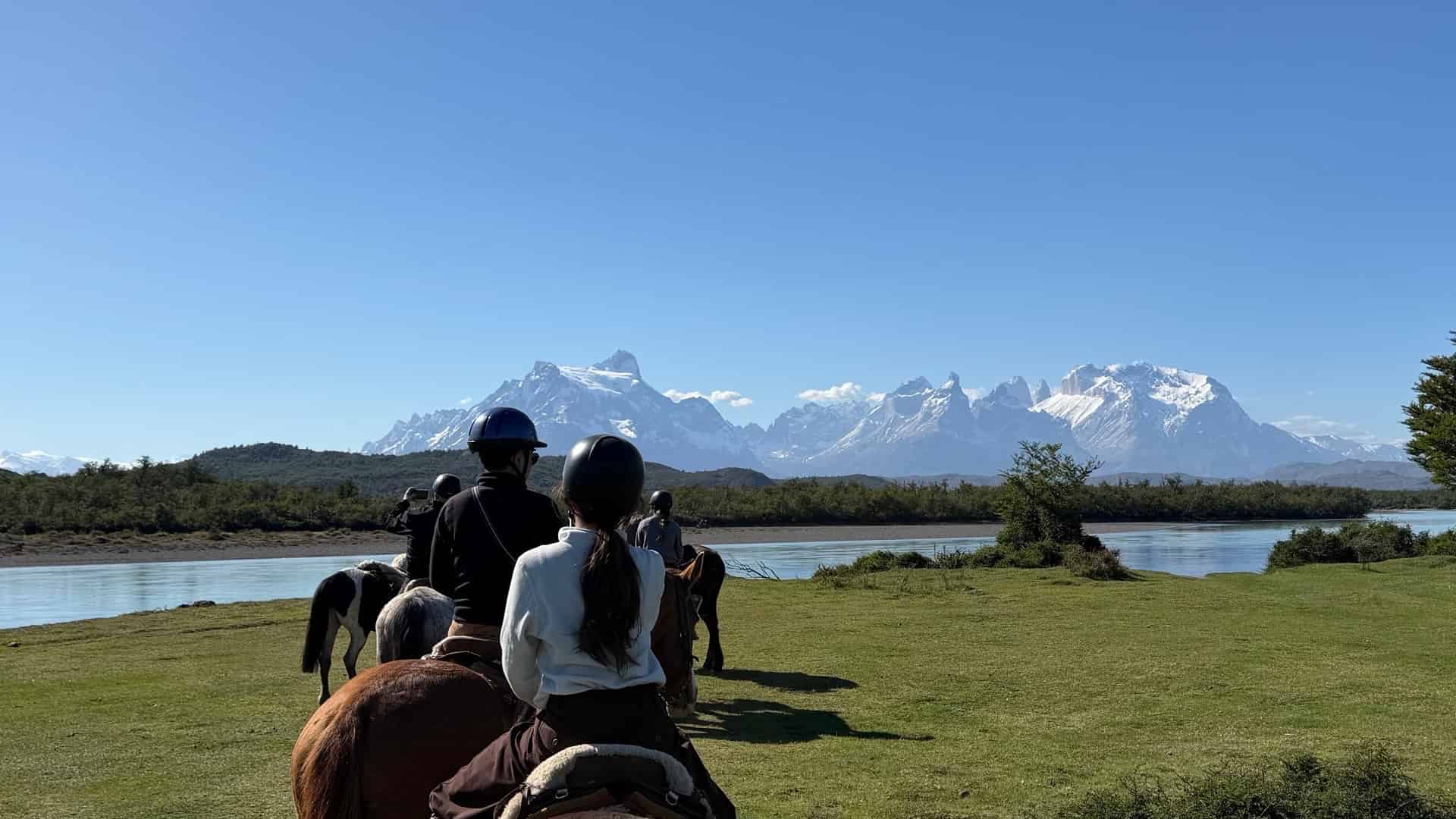
Navigation across the Serrano perimeter demands strict operational discipline. We ride Criollo crossbreeds, short-coupled animals bred over generations for high-endurance work over unpredictable terrain. Their low center of gravity provides critical stability across slippery river stones and slick clay roots. Line movement is maintained in strict single file, spaced five meters apart to prevent cascade slips during deep-water wades. Tactical adjustments are continuous: stirrup lengths are shortened by two notches to allow better knee absorption over broken ground, and reins are held with light, constant tension to read the mount's head movements.
Gear selection must balance thermal insulation with dynamic flexibility. Heavy wool saddles, rawhide reins, and thick sheepskin pads absorb the initial shock of the movement, but the rider must constantly adjust posture to offset shifting terrain. Descending steep mud banks into the river channel requires leaning back until shoulders almost touch the horse's croup, allowing the animal’s hindquarters to slide controllably through the clay. Conversely, during upstream fordings where water surges past the girth line, weight must shift forward to keep the center of mass over the front legs.
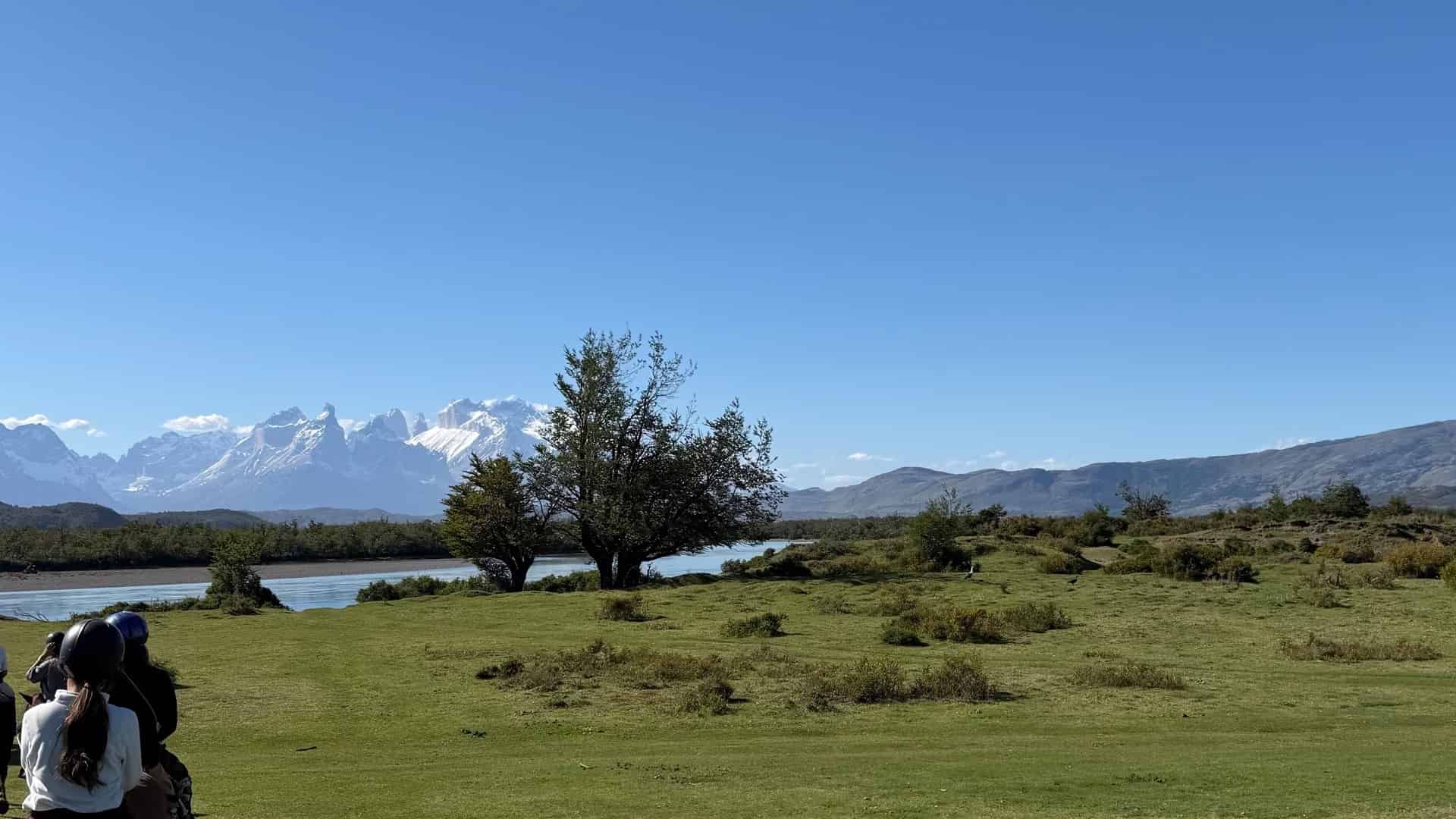
The sensory landscape is intensely tactile. The scent of pine resin and damp peat gives way to the sharp, ozone-tinged bite of mountain wind. As we break out of the dense Nothofagus beech canopy, sunlight hits the open floodplains with blinding clarity. Here, the track dissolves into shifting gravel bars. Hooves sink into saturated sediment, demanding a higher cadenced gait. Mechanical precision yields to intuitive communication; a slight shift in rein tension directs the mount away from hidden sinkholes beneath turbid waters.
Hours in the saddle manifest as physical resistance—a steady dull ache in the lower spine, tight adductors, and cold fingertips gripping worn leather. Yet as the procession moves parallel to the turquoise ribbon of the Serrano, the sheer scale of the landscape overrides bodily fatigue. The iconic spires of the massif dominate the horizon, their vertical wall faces reflecting a stark, uncompromising grandeur against the open Patagonian sky.
The Human & Cultural Echo
These tracks were not engineered for modern recreation; they were carved by generations of Patagonian gauchos driving livestock across unforgiving terrain. The local guides, stoic figures wrapped in berets and heavy wool ponchos, move with an effortless fluidity born of lifetime exposure to this environment. Their relationship with the horses relies on subtle body weight cues and low-frequency throat whistles rather than aggressive rein work.
In their presence, the history of the region reveals its authentic texture. This was long a land of remote estancias, where survival depended entirely on animal husbandry, navigational memory, and self-reliance under extreme isolation. The gaucho tradition remains anchored in an unwritten code of quiet endurance and deep spatial awareness. Watching a guide read the water depth by observing surface ripple patterns is a lesson in traditional environmental literacy—a skill refined over a century of negotiating these glacial river systems without digital aids or modern safety nets.
The Calibration & The Horizon
Dismounting on the high gravel banks above the river, the physical toll of the ride becomes clear—stiff joints, wind-scoured skin, and muscles burned by sustained tension. Yet this physical friction is precise currency for the perspective gained. The Serrano trail strips away the noise of urban convenience, reducing existence to rhythm, weather, and terrain. In the shadow of the granite towers, one recognizes that true exploration is not about conquering geography, but about subjecting oneself to its relentless scale until internal noise settles into quiet resilience.