Fast Facts for the Modern Explorer
- Direct Definition: A high-altitude Andean sanctuary carved from pale volcanic sillar stone, blending European baroque forms with indigenous iconography.
- Current Relevance: As a living UNESCO World Heritage site, this urban core fights modern carbon erosion while preserving centuries-old masonry traditions in active quarries.
- Practical Duration: Spend three full days to adjust to the high-altitude air, wander the cloistered alleys, and taste the fiery, communal stews of the valleys.
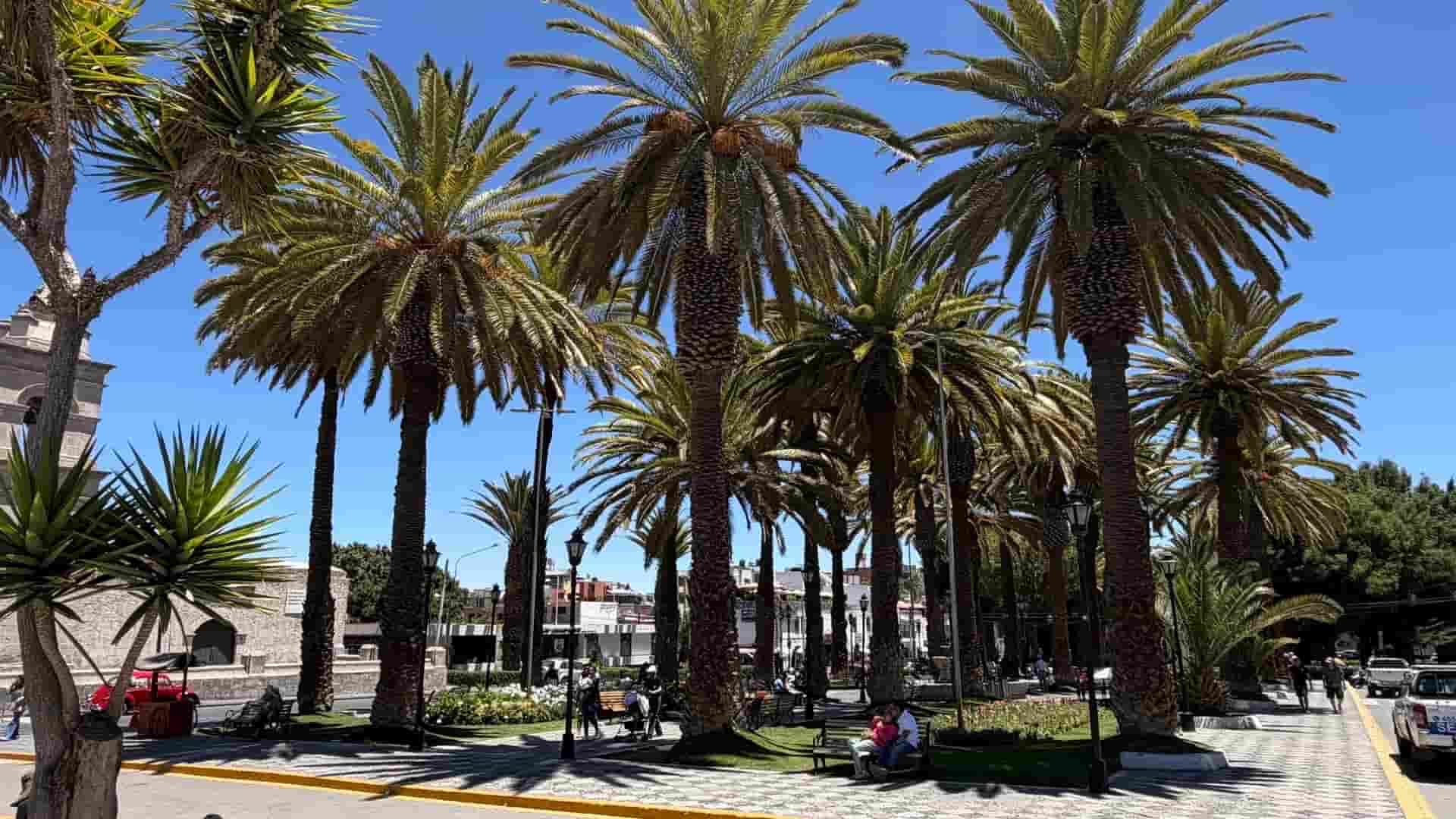
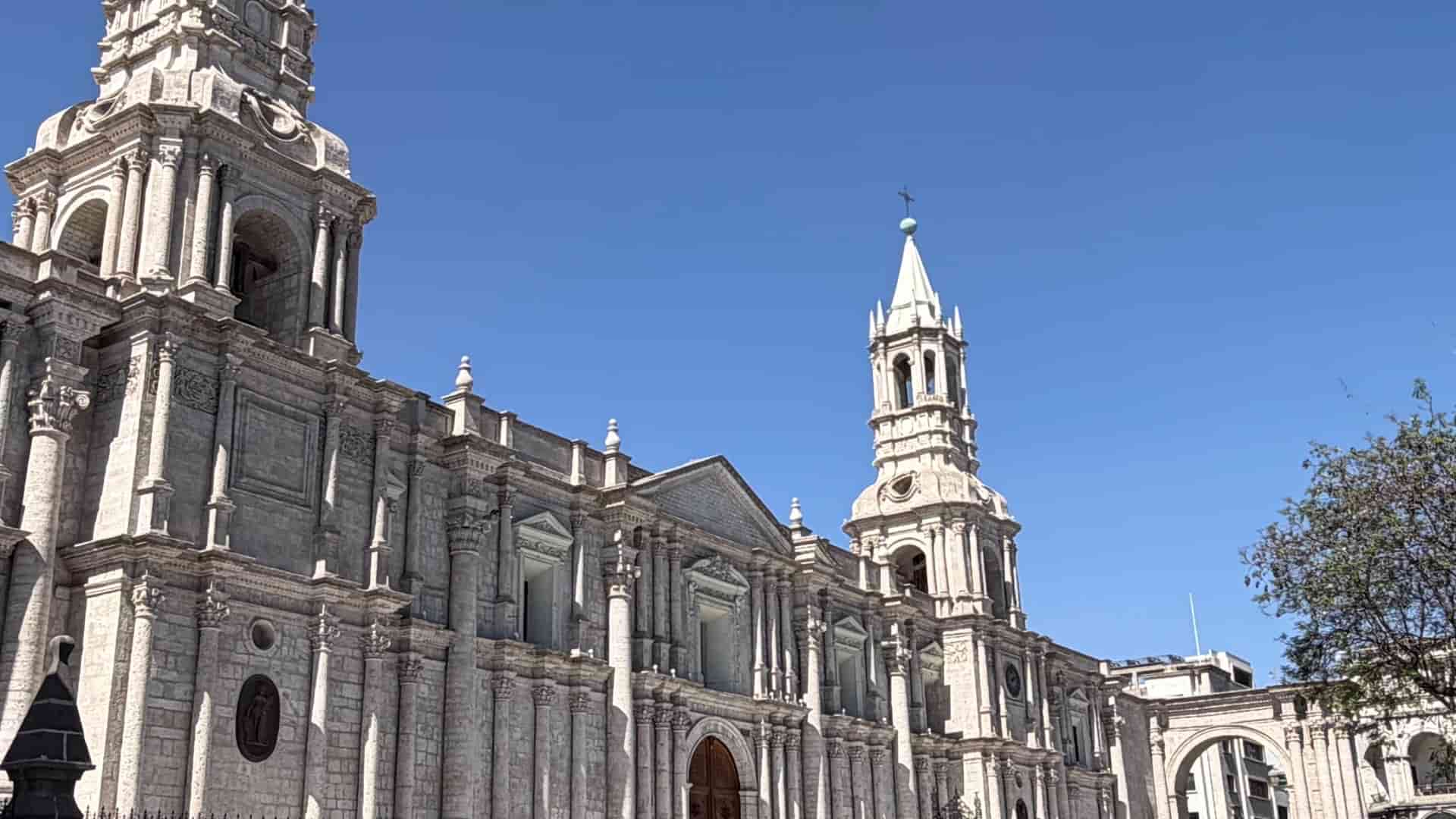
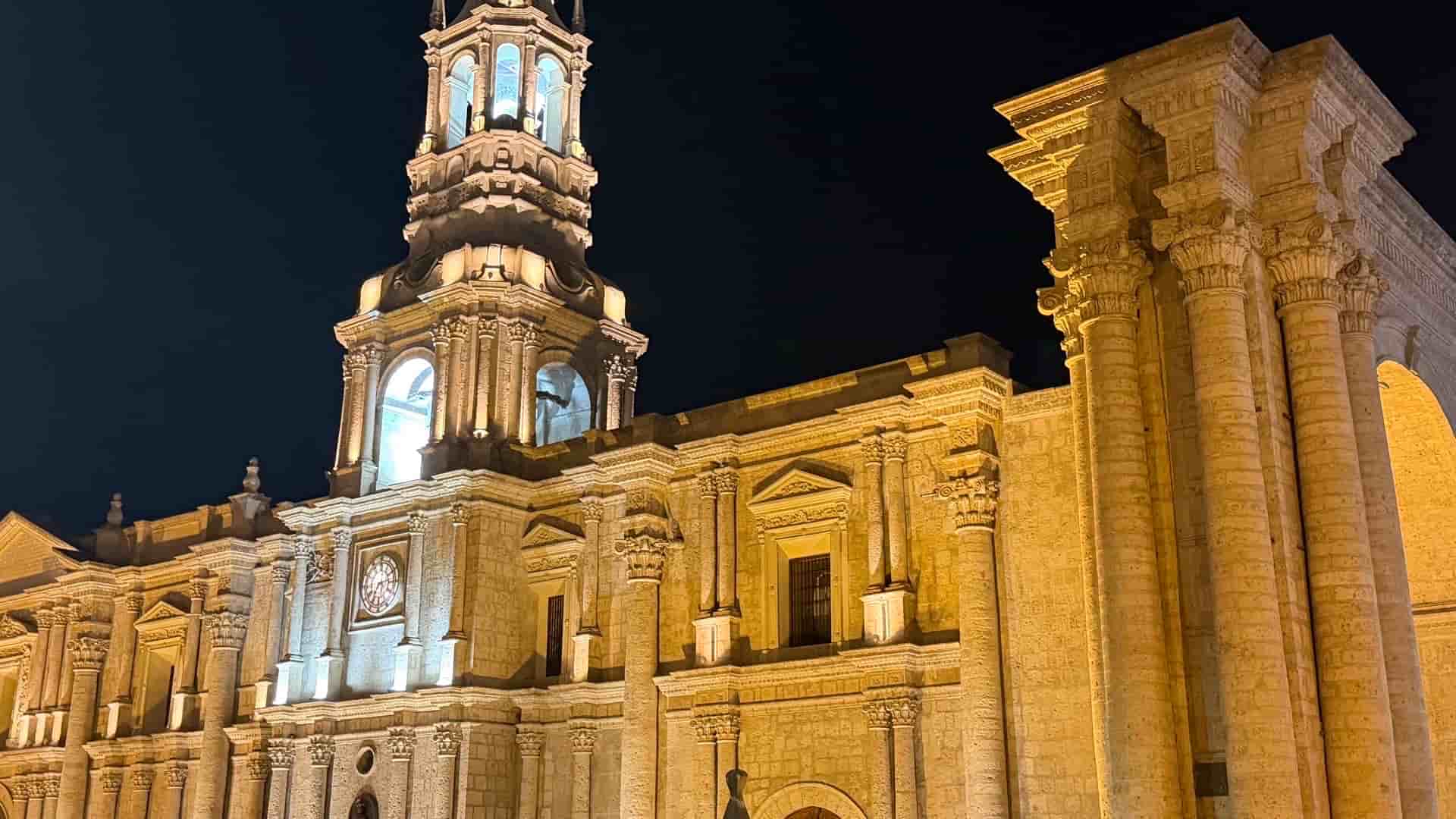
Cold stone grips the dusk. Above this high valley, where the earth rises twenty-four hundred meters closer to the stars, the twin peaks of Misti and Pichu Pichu slice a bruised violet sky. High-altitude ozone mixes with the scent of woodsmoke and charred peppers drifting from small kitchens. A sudden, sharp chill. As the sun drops behind the ridges, the pale volcanic sillar walls of the plaza do not merely reflect the light; they hold it, glowing with a pearlescent warmth that makes the city burn from within.
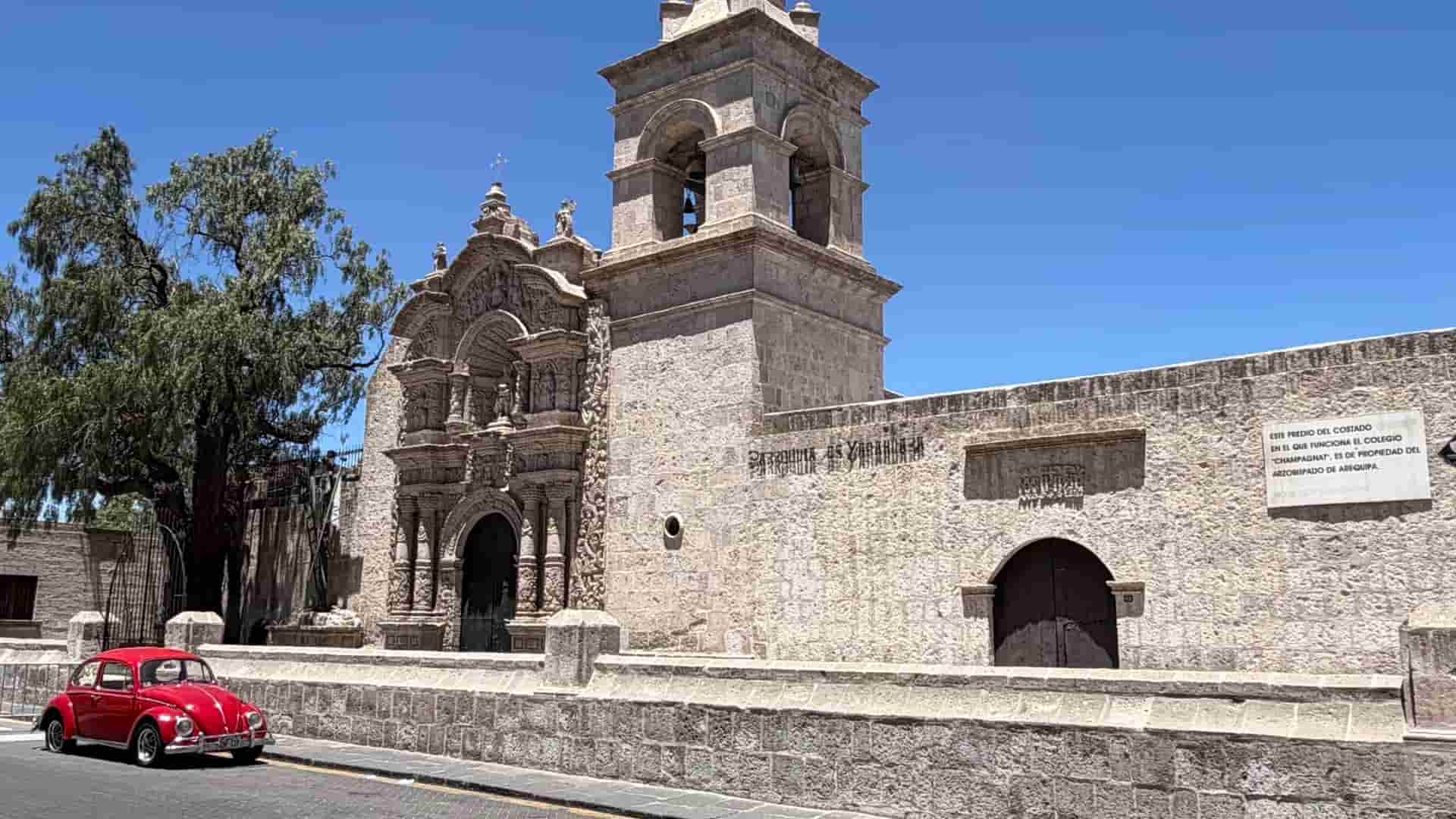
The soil here remembers seismic anger. When Spanish conquerors first drew their geometric grid upon the valley floor on August 15, 1540, they sought to tame a volatile land with straight lines and authority. But the mountains answered with ruin, forcing a deep architectural reinvention when the great earthquake of 1687 shattered their early clay homes. A heavy, defensive grace. Local stonecutters abandoned fragile adobe for squat, two-meter-thick walls that locked together like fortress blocks to absorb the shocks of a restless earth.
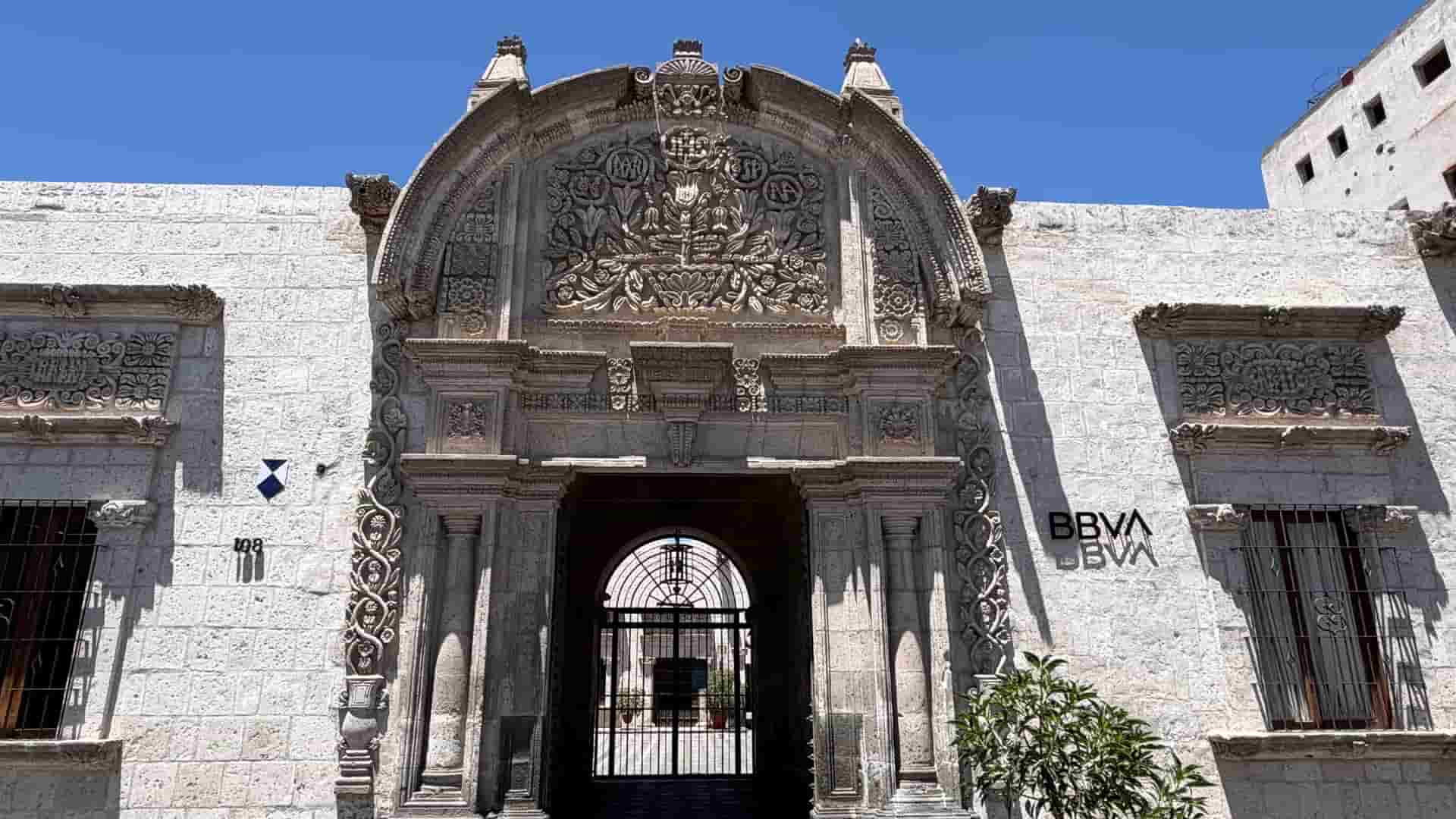
Native hands carved this resistance. On the grand facade of La Compañía, built as the seventeenth century drew to a close, indigenous stonemasons sliced Catholic symbols alongside native cantua flowers and solar discs. This syncretism bridged two worlds, hiding ancestral gods in plain sight upon the church walls. A silent, stony rebellion. Behind these facades, the twenty-thousand-square-meter maze of the Santa Catalina Monastery kept wealthy daughters of the colony isolated, though the scent of fermented corn beer always breached the high walls.
Reflective Pause
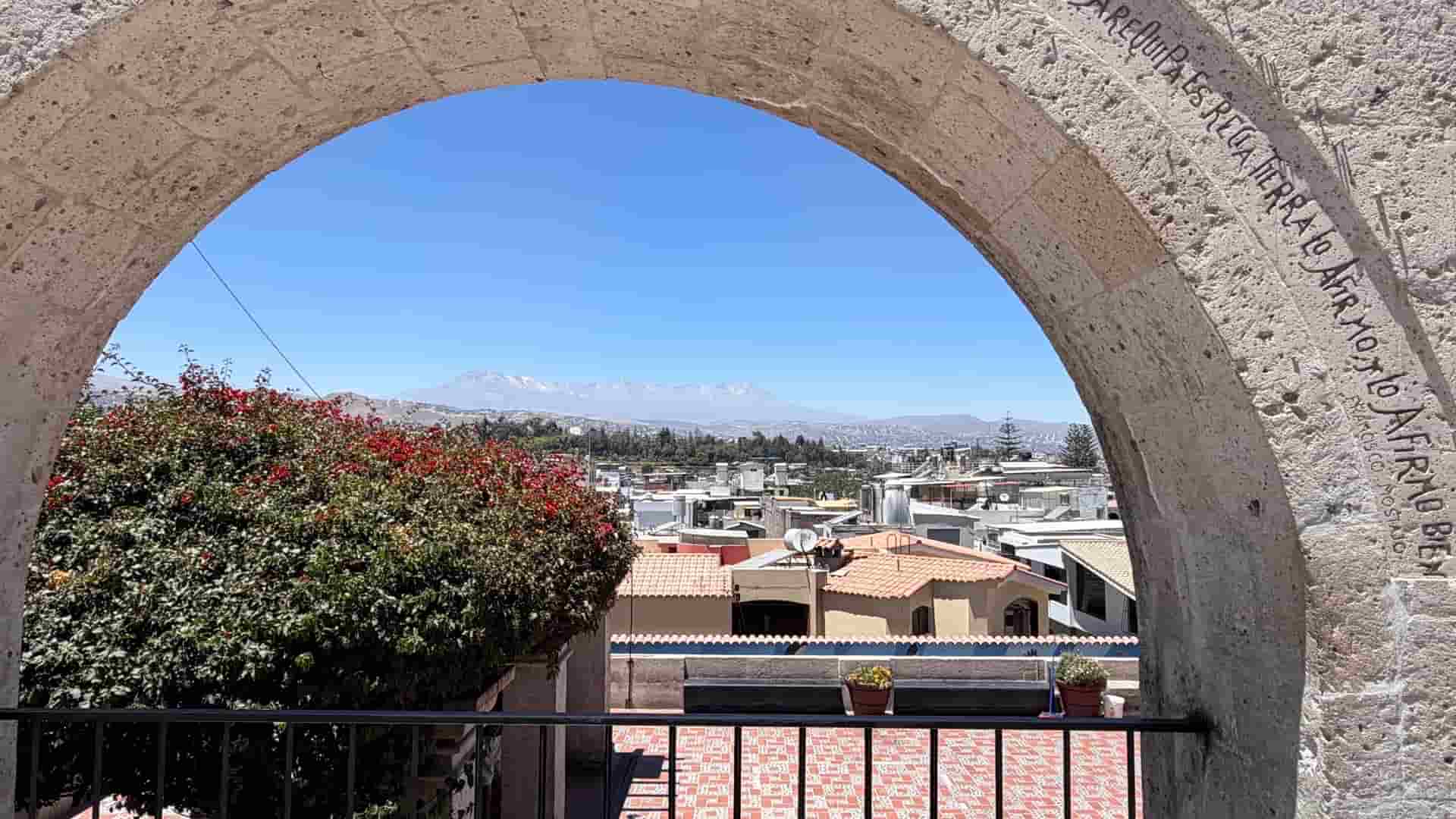
My fingers trace the pockmarked surface of a sillar archway, finding it warm despite the wind. A tiny lizard darts into a crevice where the mortar has crumbled to dust. Somewhere down the alley, a heavy key turns in an ancient lock with a metallic click.
Food broke the colonial chains. In the smoky warmth of the picanterías, where the rich rubbed shoulders with the poor over fiery shrimp broth, a fierce regional pride took root. This stubborn regional pride still lives in the city's disputed name, which modern linguists continue to decode. An old imperial myth. Some claim an Inca emperor urged his followers to remain, but the older Aymara tongue points to "the place behind the peak," a geography written in the shadow of Mount Misti.
The volcanoes still watch. If you close your eyes for sixty seconds in the center of the plaza, you do not see darkness, but rather the stark orange flare of a dying sun imprinted on the back of your eyelids. A city born of fire. Arequipa teaches us that we do not survive by fleeing the volatile earth, but by building with the very ash that threatens to bury us. Will these pale walls continue to hold the light as the modern world crowds the valley, or will they dissolve back into the mountain dust?