Fast Facts for the Modern Explorer
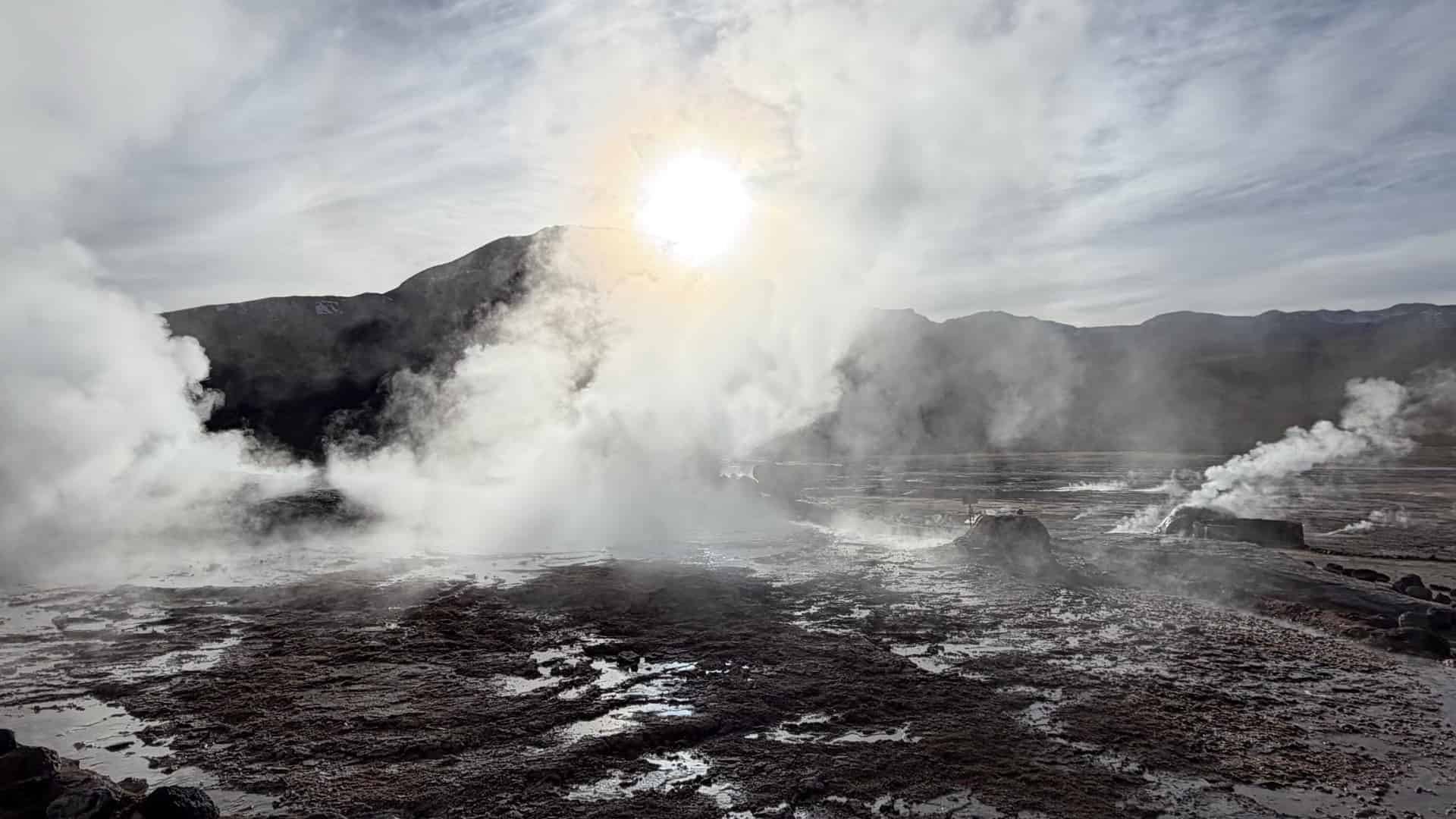
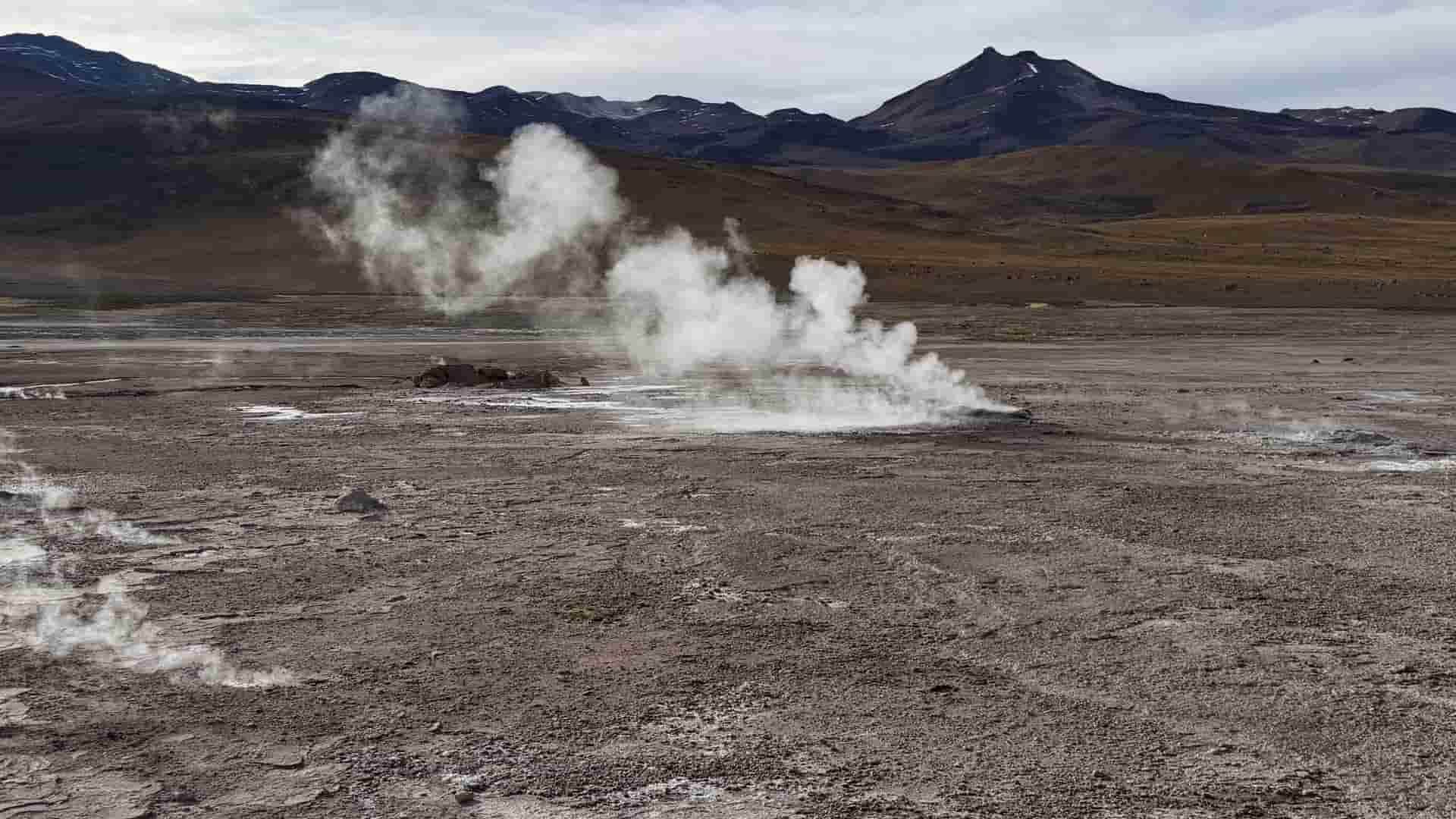
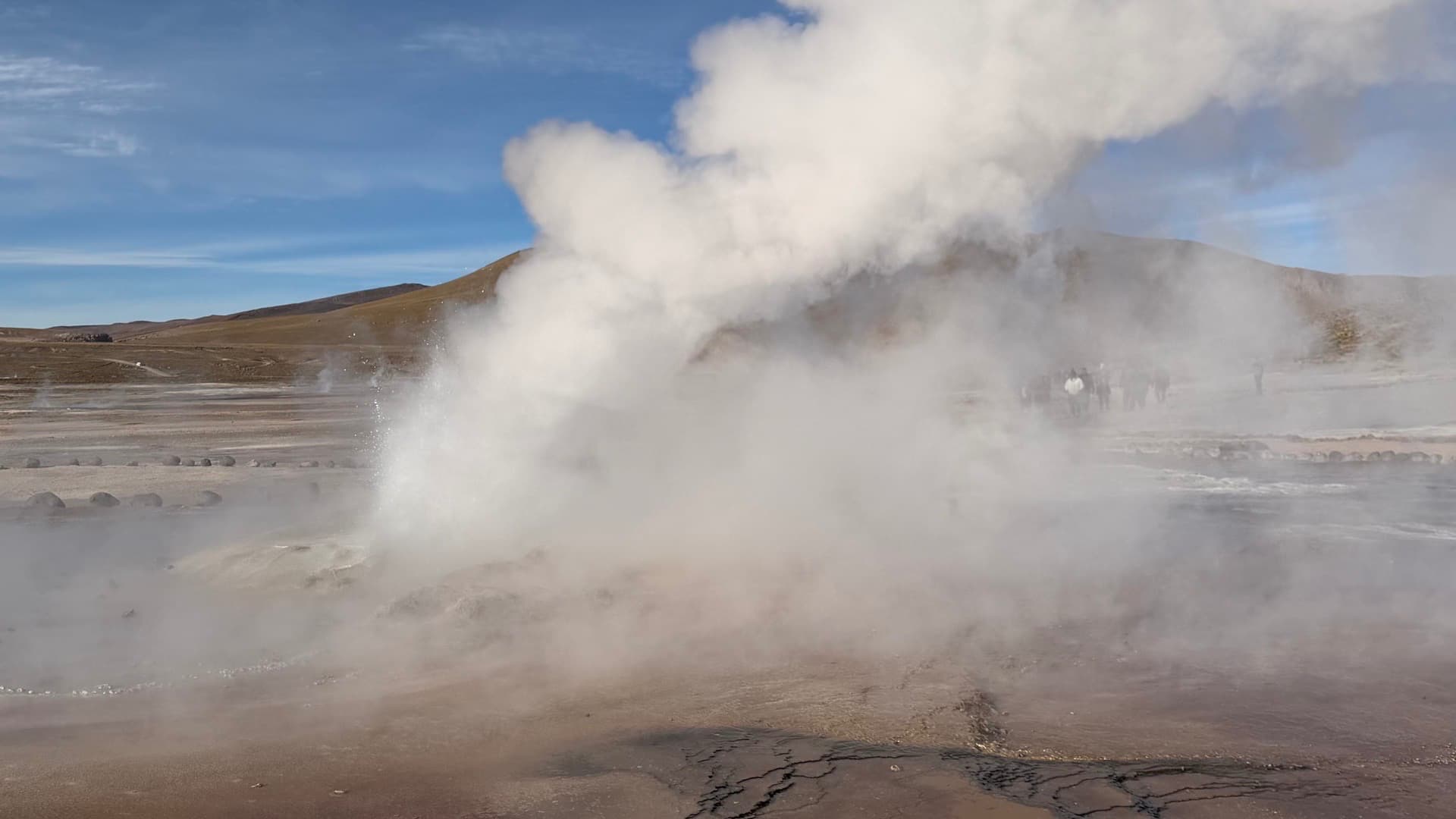
- Direct Definition: Campo Geotérmico El Tatio is the Southern Hemisphere's largest geyser field, comprising over 80 active hydrothermal vents across 30 square kilometers of high Andean basin.
- Current Relevance: Co-managed by local Likan Antai indigenous communities and CONAF, the basin serves as an ecological sanctuary and a key astrobiological testing ground for Martian biosignatures.
- Practical Duration: Plan a four-hour excursion starting before dawn to witness peak geothermal activity, icy mineral formations, and morning light across the plateau.
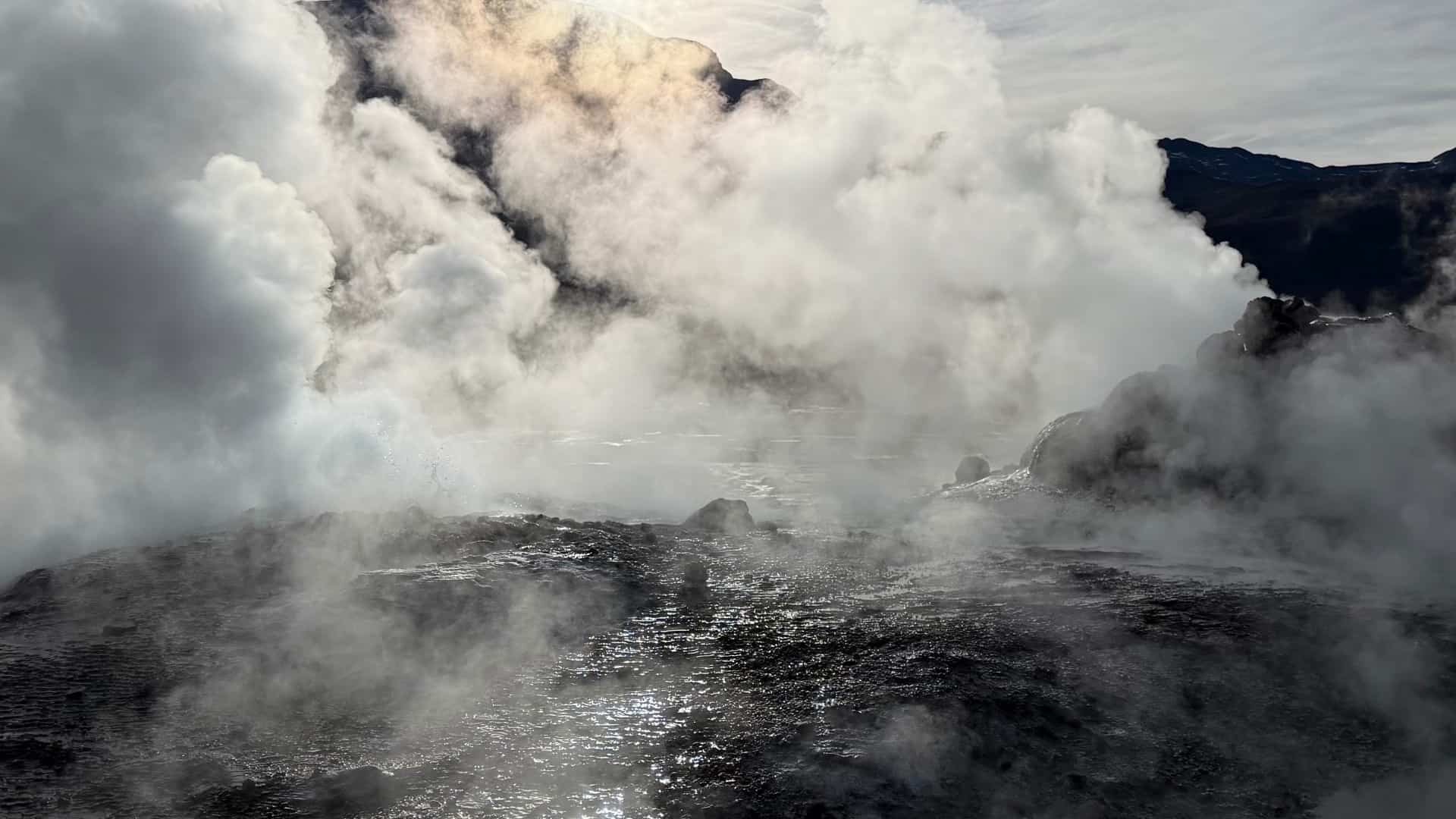
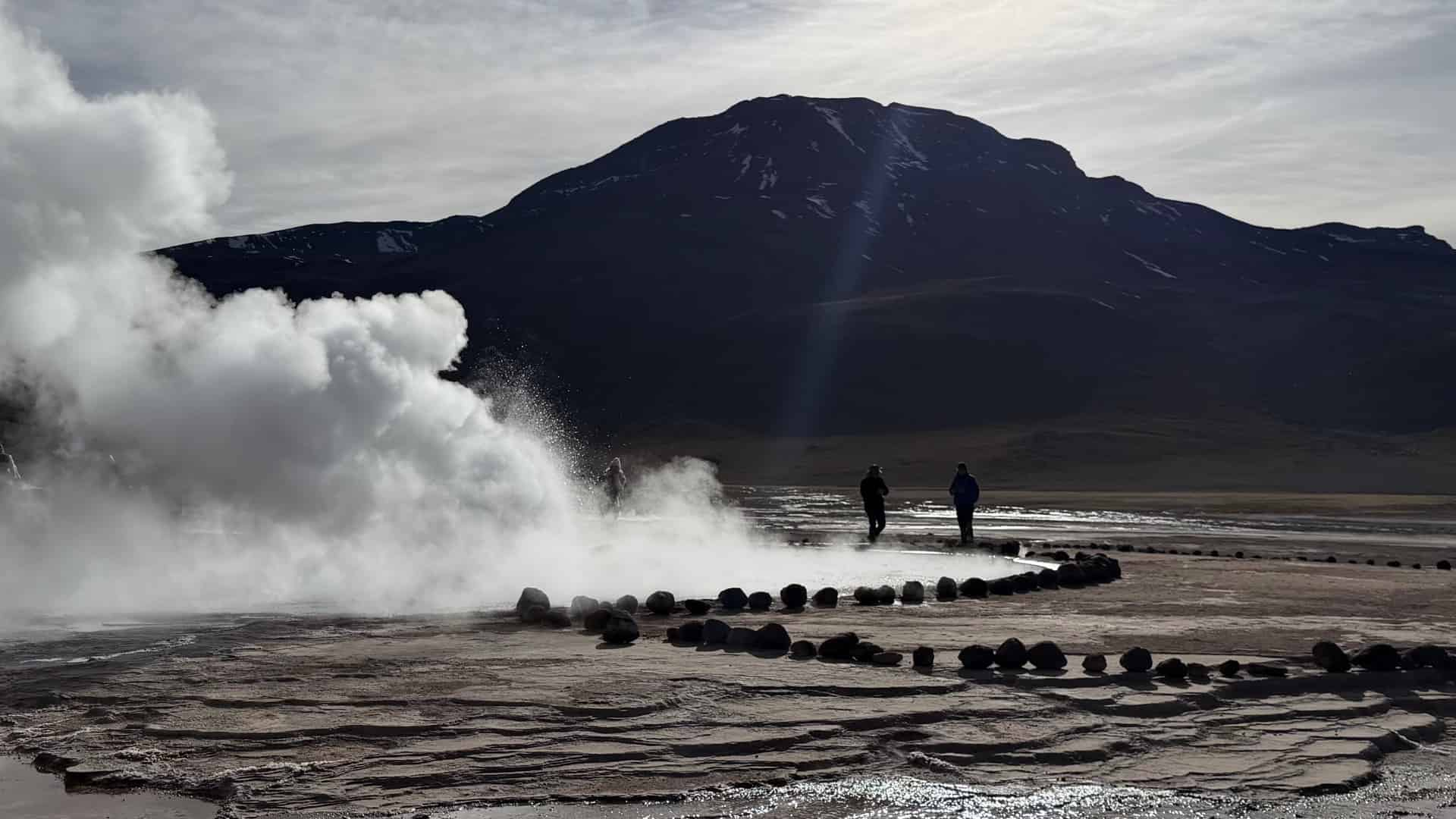
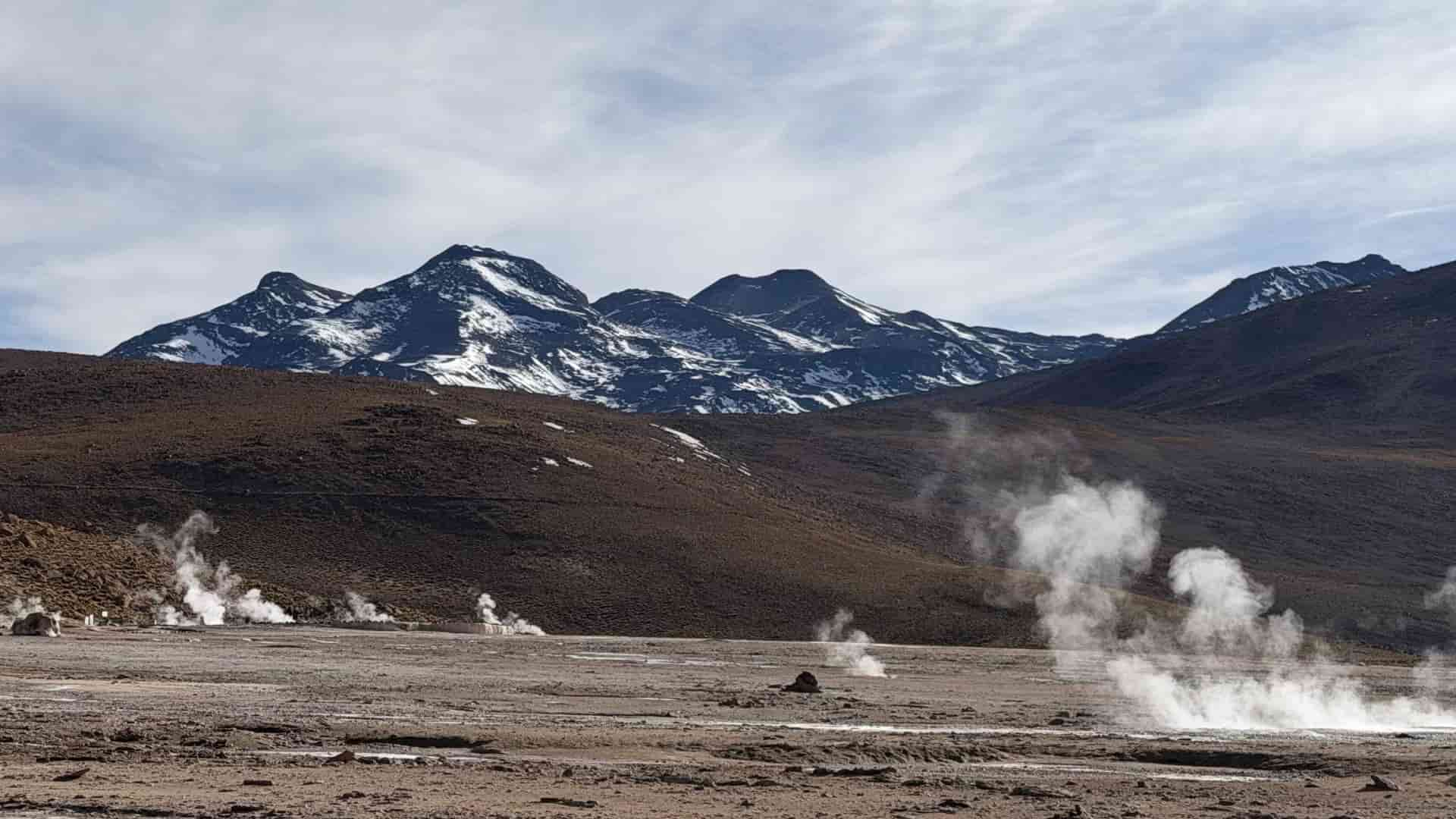
Frost cracks under boots. Across thirty square kilometers of frozen ignimbrite bedrock, eighty white columns of pressurized vapor slam into the sub-zero Andean air four thousand four hundred meters above the distant Pacific shore. You taste bitter sulfur and fine thermal spray on your dry tongue while bitter alpine winds shove superheated steam against exposed cheeks. Deep underground rumblings pulse upward through frozen soil and opal crusts. Mineral chimneys hiss like trapped beasts as the first low rays of gold sunlight strike the smoking alpine plateau.
Long before industrial drills pierced this crust, indigenous Likan Antai herders navigated these high passes. During the zenith of Incan expansion through Qollasuyu in the late fifteenth century, pastoralists drove camelid herds along thermal microclimates where tough llareta moss survived the frost. They called this steaming basin Tatur, naming the ground for an old man who cries continuous scalding tears into the sky. Industrial engineers invaded the site between 1967 and 1974, sinking deep shafts to harvest subterranean steam for state power grids. Their heavy rusted pipe caps still stud the mineral fields, silent monuments to a failed attempt to master mountain gods.
Preservation arrived through sudden disaster. In September 2009, during an exploratory geothermal drilling project, corporate engineers triggered a wild well blowout that spewed an uncontrolled sixty-meter steam column into the freezing sky. Local Likan Antai leaders rose in defense of their ancestral water tables and sacred mountain spirits. Legal battles halted the commercial drill bits forever, returning territorial control back to native hands. Today, community stewards from Caspana and Toconao guide visitors along rigid stone channels, protecting delicate microbial crusts from heavy boots while research teams map the ancient hydrology.
Space scientists walk here to see early Earth. Planetary researchers traverse this extreme plateau because its low atmospheric pressure, harsh ultraviolet rays, and mineral springs mirror conditions on Mars three billion years ago during the Noachian epoch. Microscopic extremophiles thrive inside scalding fluid where ordinary organisms instantly die, building opal structures that lock biological secrets inside stone. Their fossilized tracks teach astrobiologists how to recognize signatures of ancient alien life hidden across red Martian dust. Human ambition shrinks beside these primitive vents.
Reflective Pause: I touch a wet ridge of sinter where boiling runoff meets icy air. Microscopic mineral rings feel slick and smooth like polished bone under my numb thumb. In this tiny margin between scalding liquid and lethal frost, a faint sulfur vapor whispers against my wrist.
Close your eyes for sixty seconds amidst the vents. Behind darkened lids, you see a glowing network of subterranean pipes carrying ancient rainwater down into volcanic hearths before driving it back toward the sun. Frost cracks beneath your boots as you step away from the steaming mineral lips. The weeping old man still pours white steam into the thin mountain sky, proving that Earth remains a restless, living furnace, indifferent to our temporary presence and ruled by its own ancient subterranean laws.