Fast Facts for the Modern Explorer
- Direct Definition: Sector Soncor is a hyper-saline wetland reserve within Chile’s Salar de Atacama, protecting vital feeding grounds for three Andean flamingo species.
- Current Relevance: Co-managed by the Indigenous Lickanantay people and CONAF, the reserve balances ecological conservation against global industrial lithium extraction.
- Practical Duration: Plan a three-hour visit during early morning or late afternoon to observe bird feeding cycles along the designated wooden boardwalks.
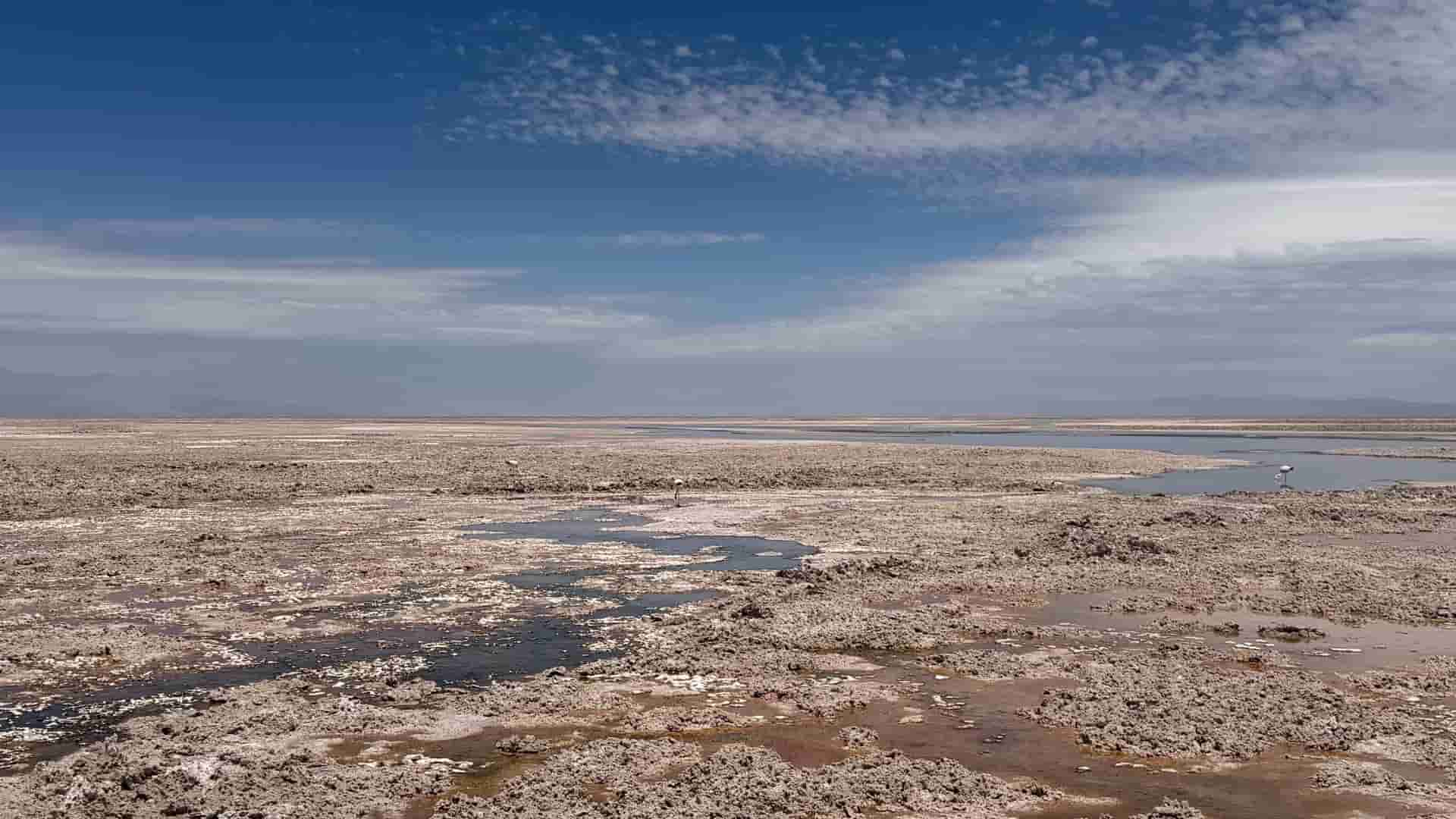
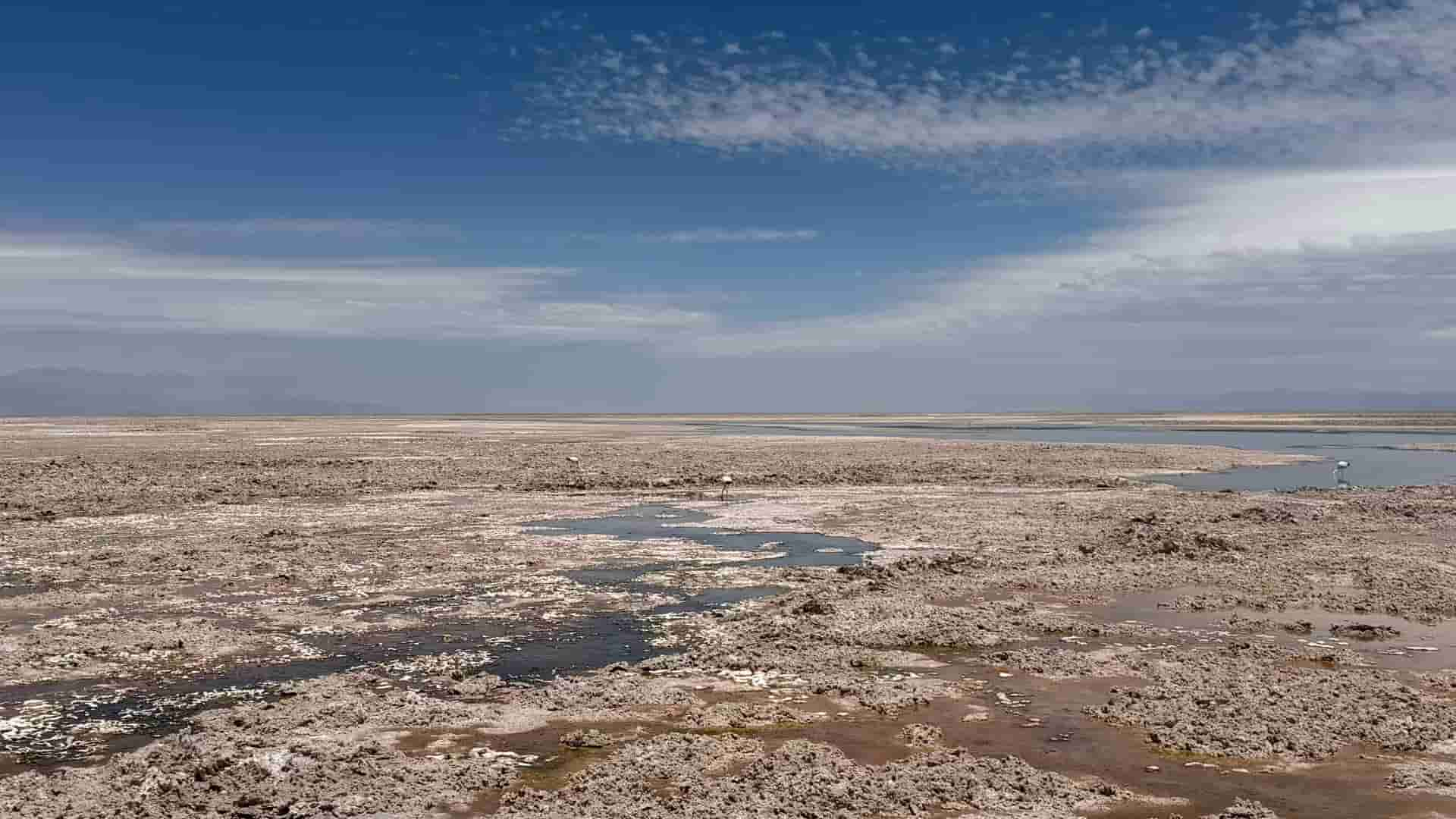
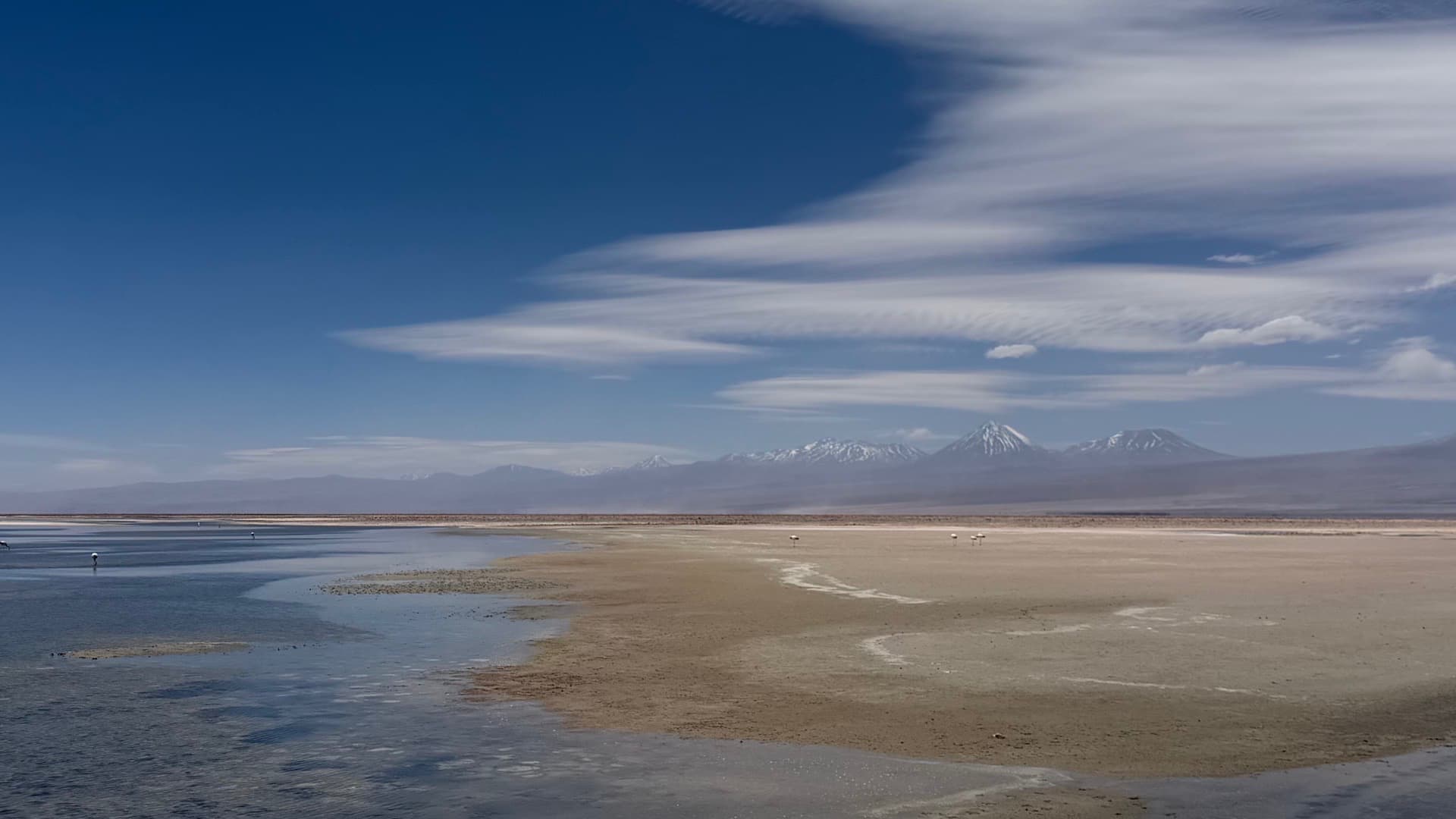
Raw salt bites into leather boots. Across the vast, calcified basin of Sector Soncor, fifteen million years of relentless evaporation have twisted subterranean brine into jagged, bone-white crusts that crackle beneath the heat. The biting wind carries a sharp scent of sulfur and old sodium, stripping moisture from warm skin within seconds. Glaring light converts distant volcanic peaks into dark violet cutouts floating motionless above a shivering liquid mirage. Silence stretches across the basin like taut wire.
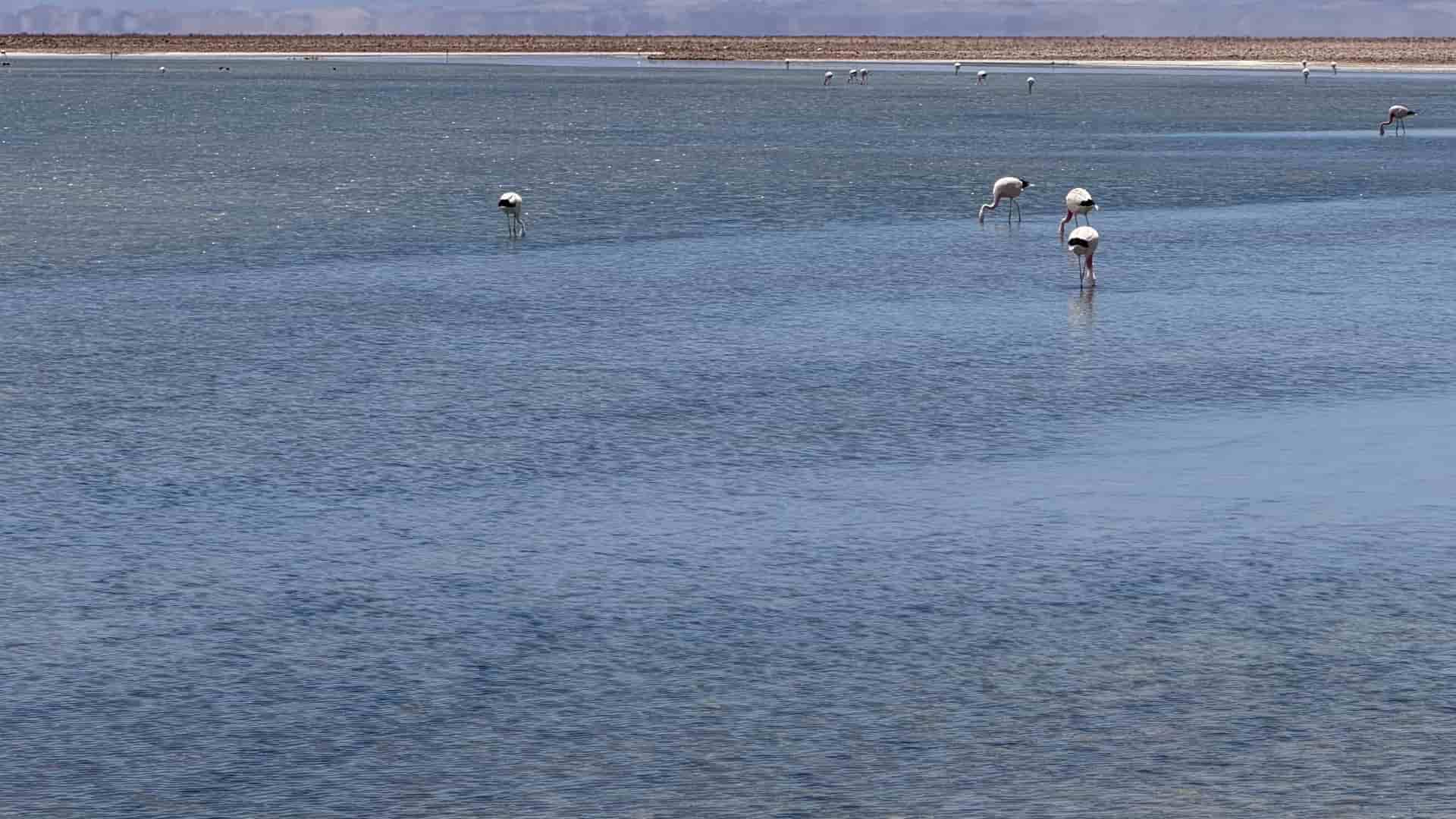
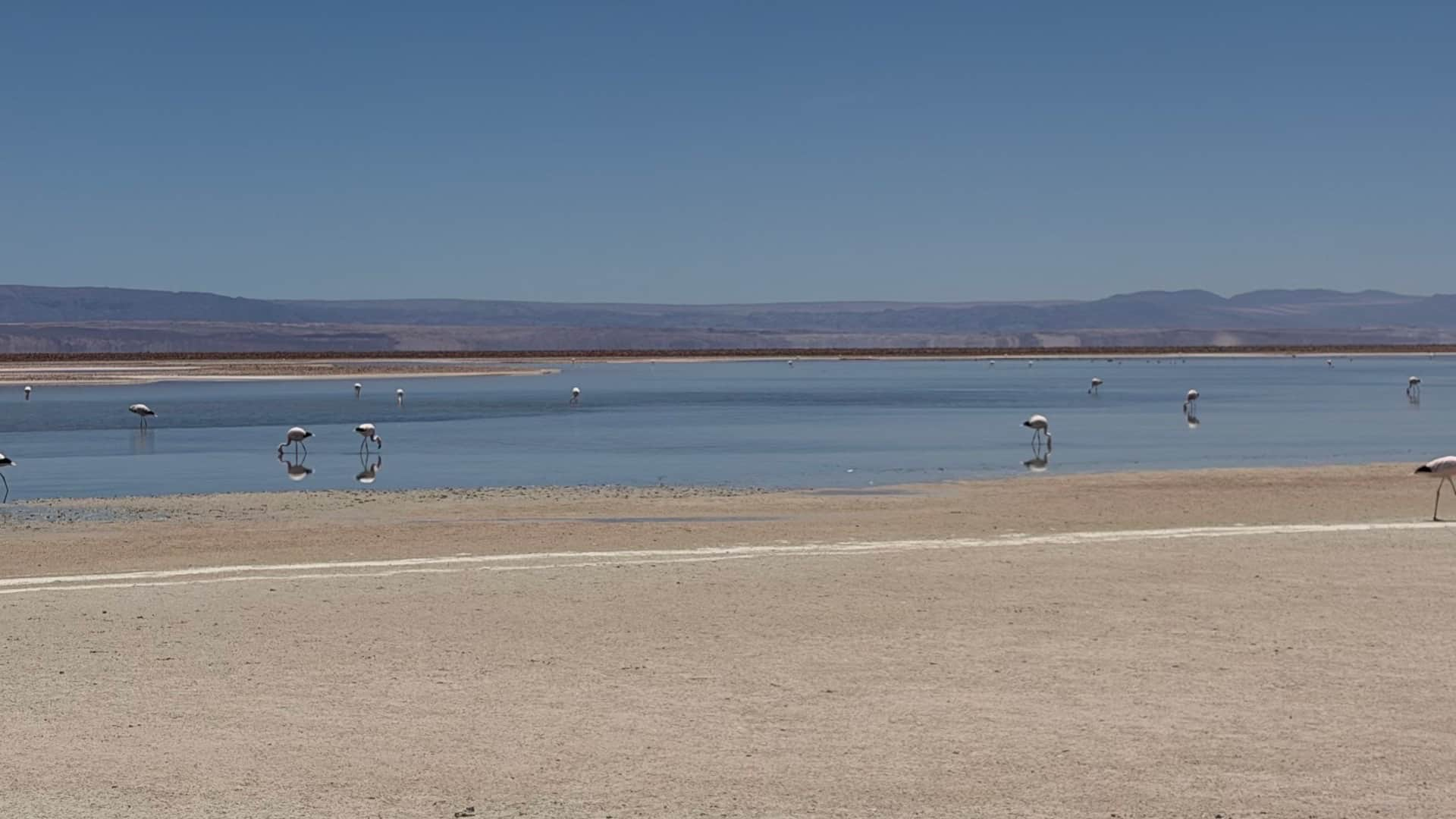
Water lives beneath the crust. Hidden aquifers stream down from volcanic snowfields perched six thousand meters high, pooling into shallow, mirror-bright lagoons where microscopic algae convert intense solar radiation into pink pigments. Hundreds of Chilean, Andean, and James's flamingos stride through this hyper-saline broth on thin legs, dipping bent bills to filter brine shrimp from aquatic mud. Wings flex in unison. A sudden gust sweeps across Laguna Chaxa, and the entire flock rises in a violent burst of magenta feathers that disrupts the stark white plain.
Human memory runs deep here. Around 10,000 BCE, during a wetter climatic era, mobile hunter-gatherers tracked game along these saline margins, founding an enduring relationship with an unyielding landscape. By the time Inca engineers extended the Qhapaq Ñan highway through the oasis system around 1450 CE, the native Lickanantay people had already mastered complex canal irrigation to funnel sacred water across the desert floor. They understood that water—Puri—was the lifeblood of Mother Earth, binding human survival directly to the ancestral volcanoes towering above them. Stone trade routes endured for centuries until industrial mining disrupted these ancient pastoral rhythms.
Modern hunger targets subterranean wealth. When the Chilean state established the Reserva Nacional Los Flamencos in 1990 CE—followed by Ramsar wetland status for Sector Soncor in 1996 CE—it sought to shield delicate salt-pan ecosystems from unchecked industrial degradation. Today, massive evaporative ponds pump thousands of liters of deep brine daily to extract lithium for global electrical grids, creating a fierce hydrological tug-of-war. Scientists debate whether pulling dense brine from deep aquifers drains the shallow surface lagoons that sustain microscopic algae and flamingo populations. Indigenous guardians watch the water tables with grave vigilance.
Reflective Pause: A single feather rests embedded in the salt crust, its fragile pink tip quivering against coarse mineral crystals. The dry wind hums low across the jagged polygon edges, echoing like a distant breath drawn over ancient stone. I touch the rough salt, feeling cold moisture trapped just millimeters below the burning surface.
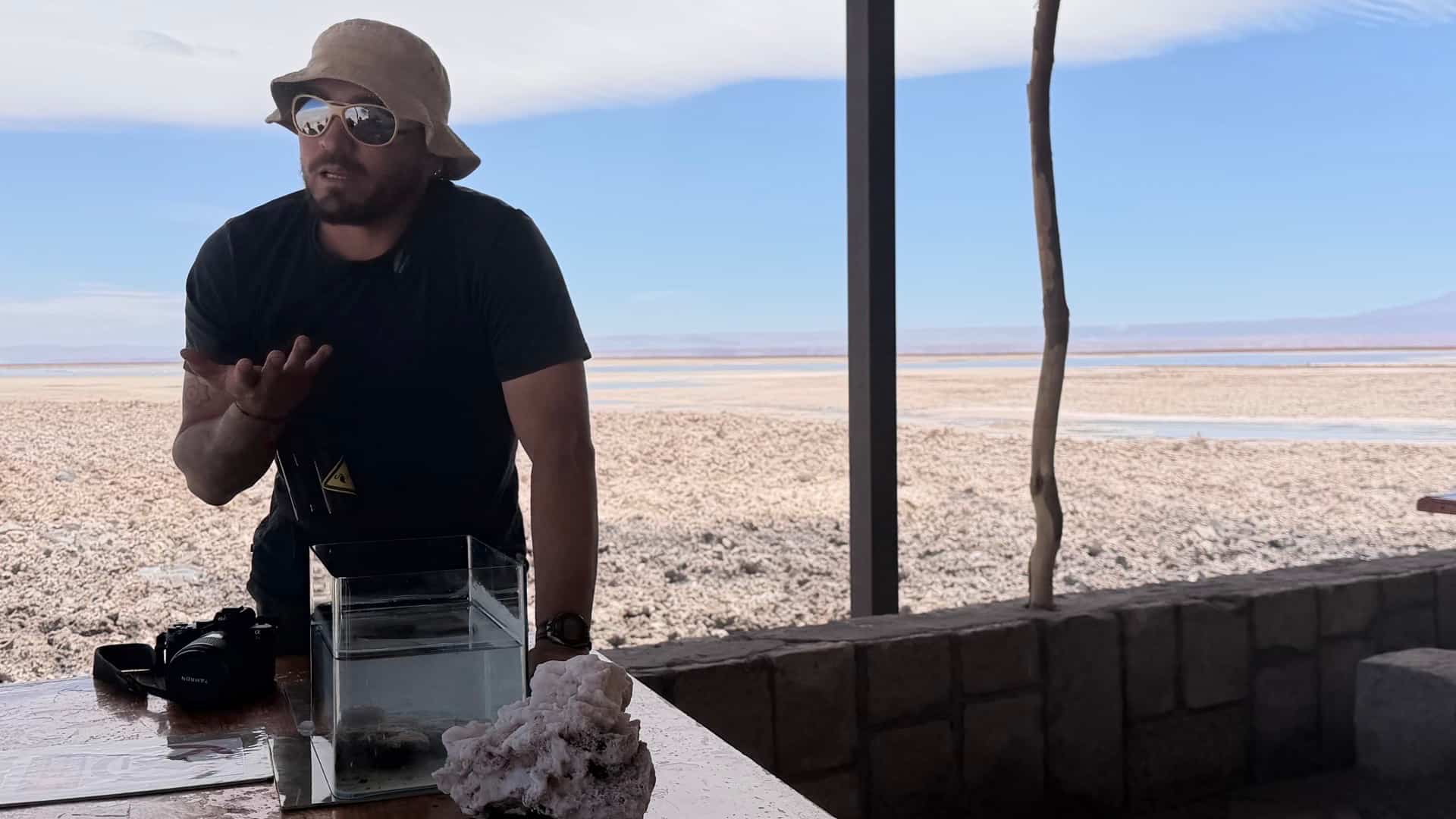
Close your eyes for sixty seconds at the edge of Laguna Chaxa. You do not hear an empty void; you hear the steady, rhythmic lap of hyper-mineralized water against saline crusts and the faint crackle of expanding salt plates beneath the relentless sun. This landscape is not a barren waste, but a delicate engine of life operating at the very margin of survival. The Lickanantay community of Toconao now co-manages this basin alongside park rangers, demonstrating that modern conservation requires ancient human stewardship to remain whole.
Sunset paints the salt basin in shades of bruised plum and copper. As cold mountain air cascades down from high Andean volcanoes, three species of flamingos lower their heads into the cooling brine, motionless against the shimmering floor. The sharp salt crusts underfoot will outlast our immediate technological demands, recording every shift in subterranean water like rings within ancient trees. Pink wings lift once more against the darkening horizon. When the water disappears, will we remember what held the light?