Fast Facts for the Modern Explorer
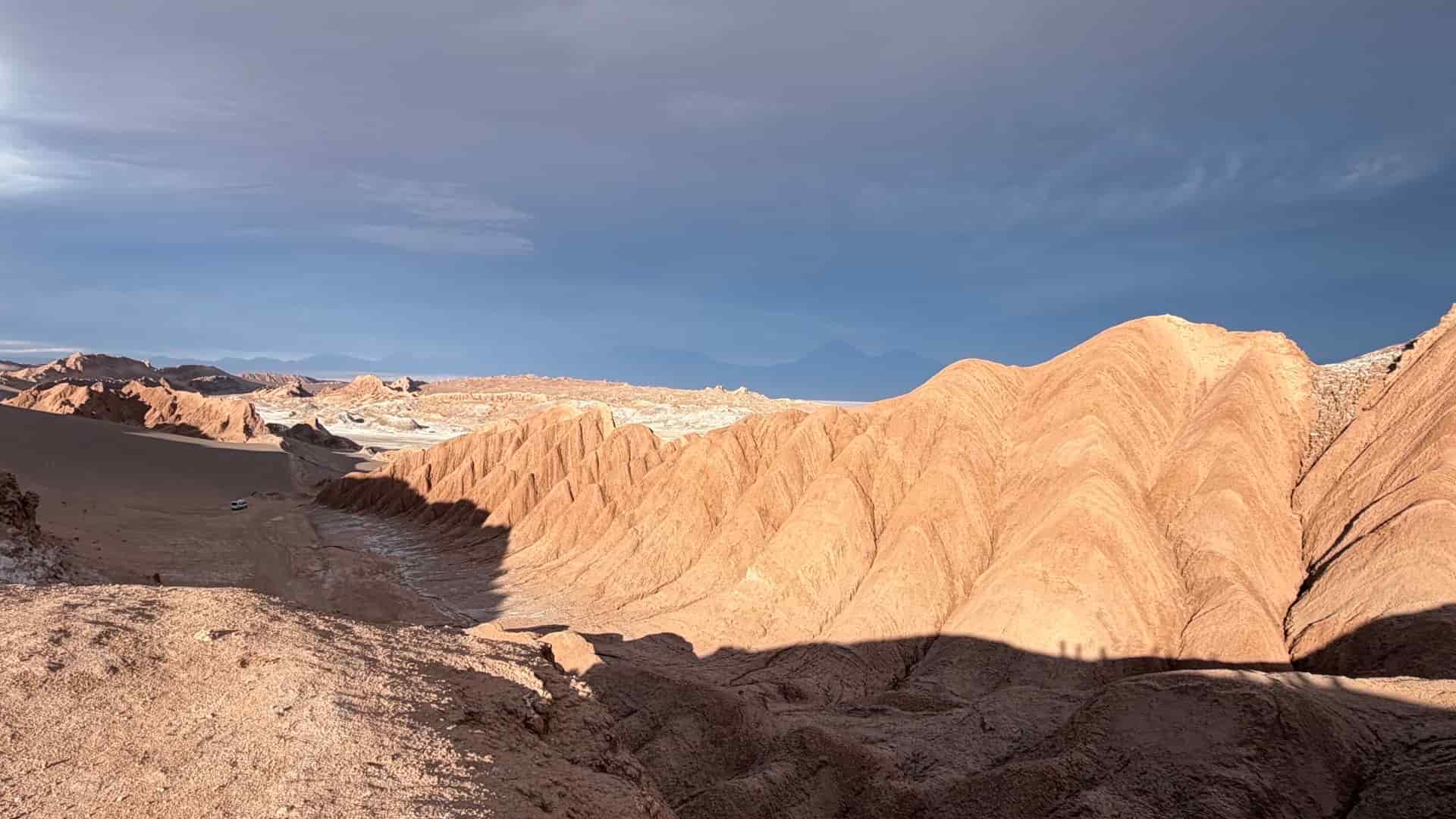
- Direct Definition: The Valle de la Luna is a high-altitude, hyper-arid evaporite basin within the Cordillera de la Sal near San Pedro de Atacama, Chile.
- Current Relevance: Co-managed by local Likan Antai indigenous communities and CONAF, the reserve balances astronomical research with ecological pressures from modern lithium extraction.
- Practical Duration: Plan a four to six-hour excursion ending at sunset to fully observe the landscape shifts and atmospheric cooling.
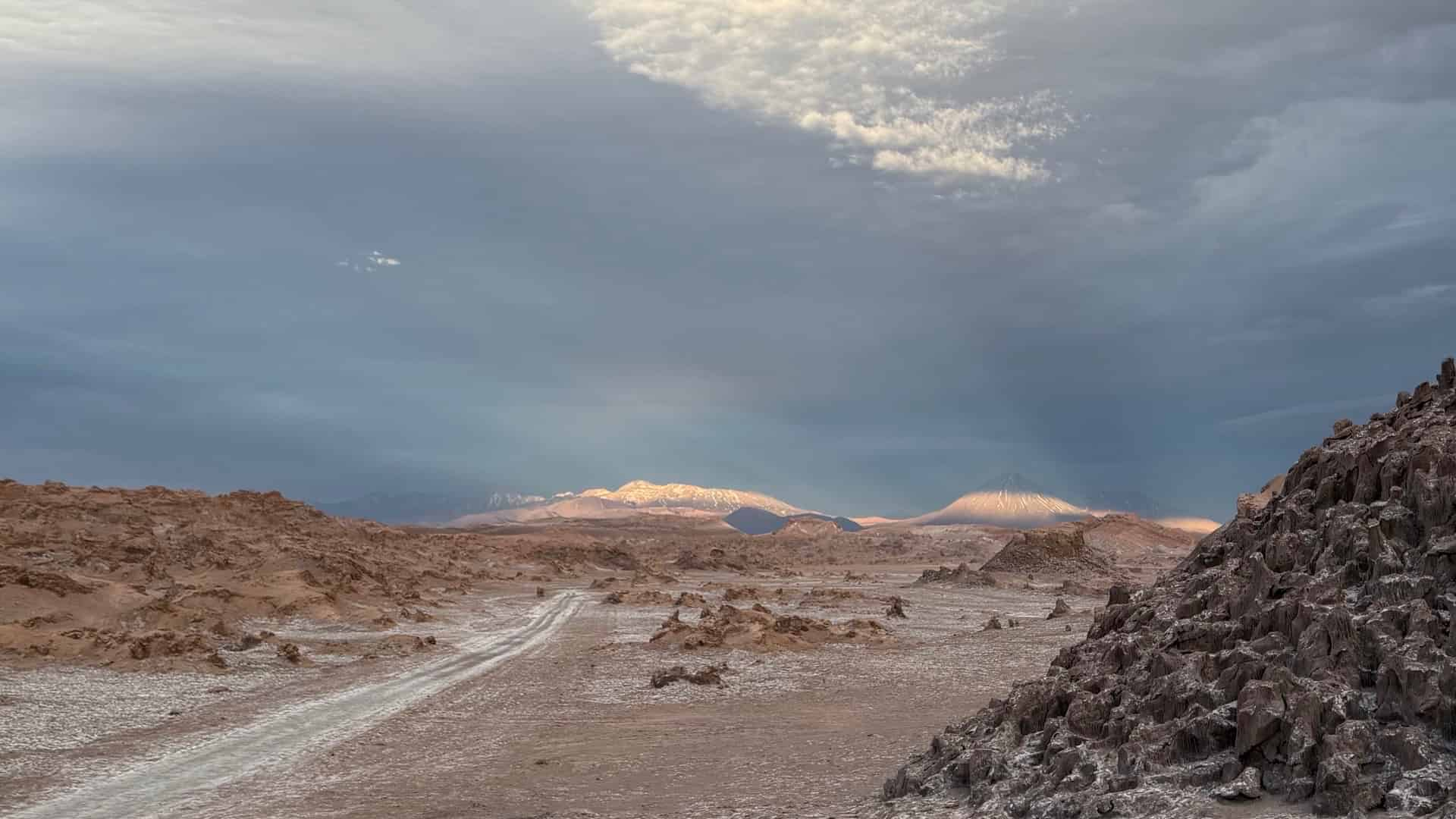
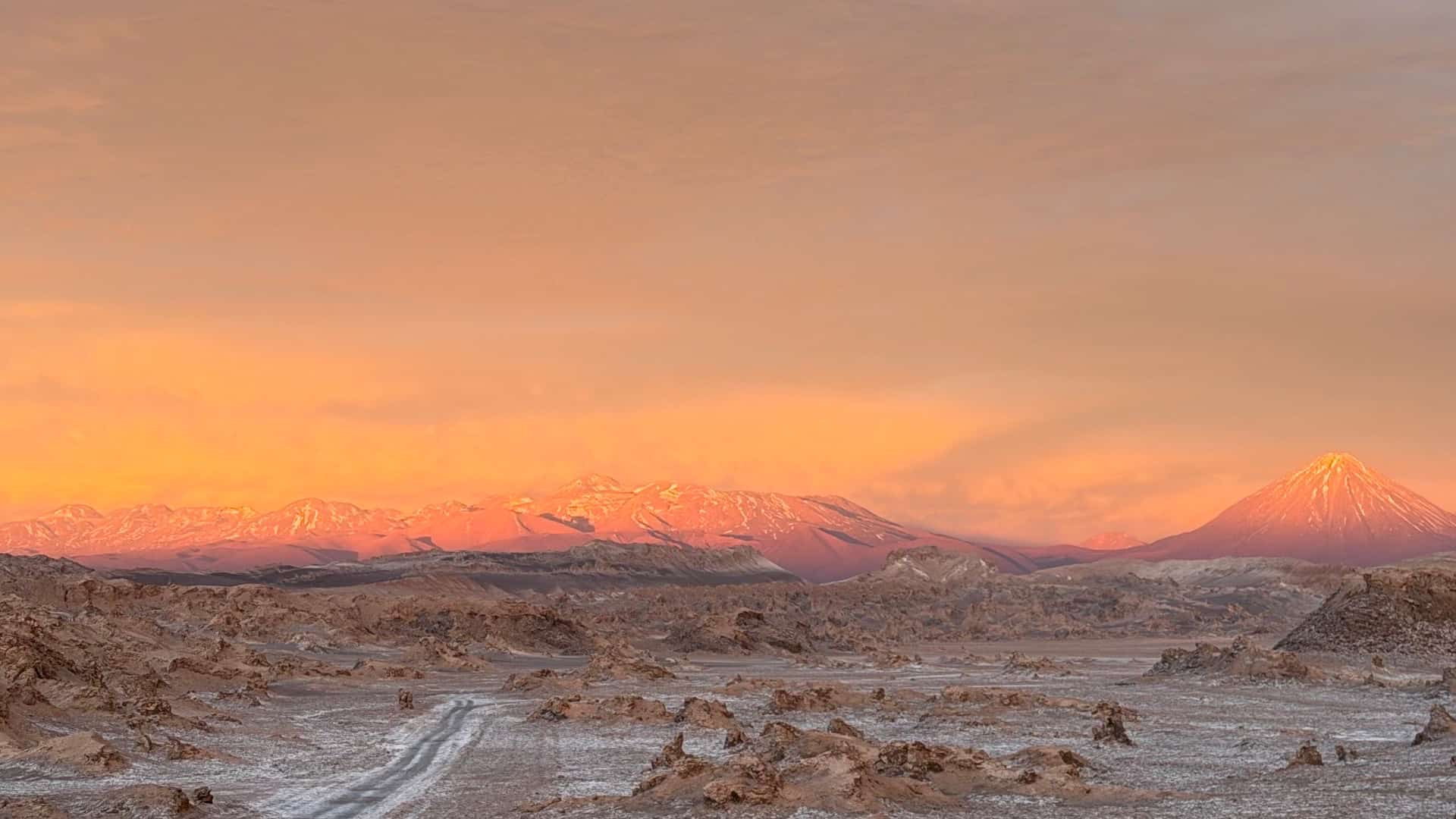
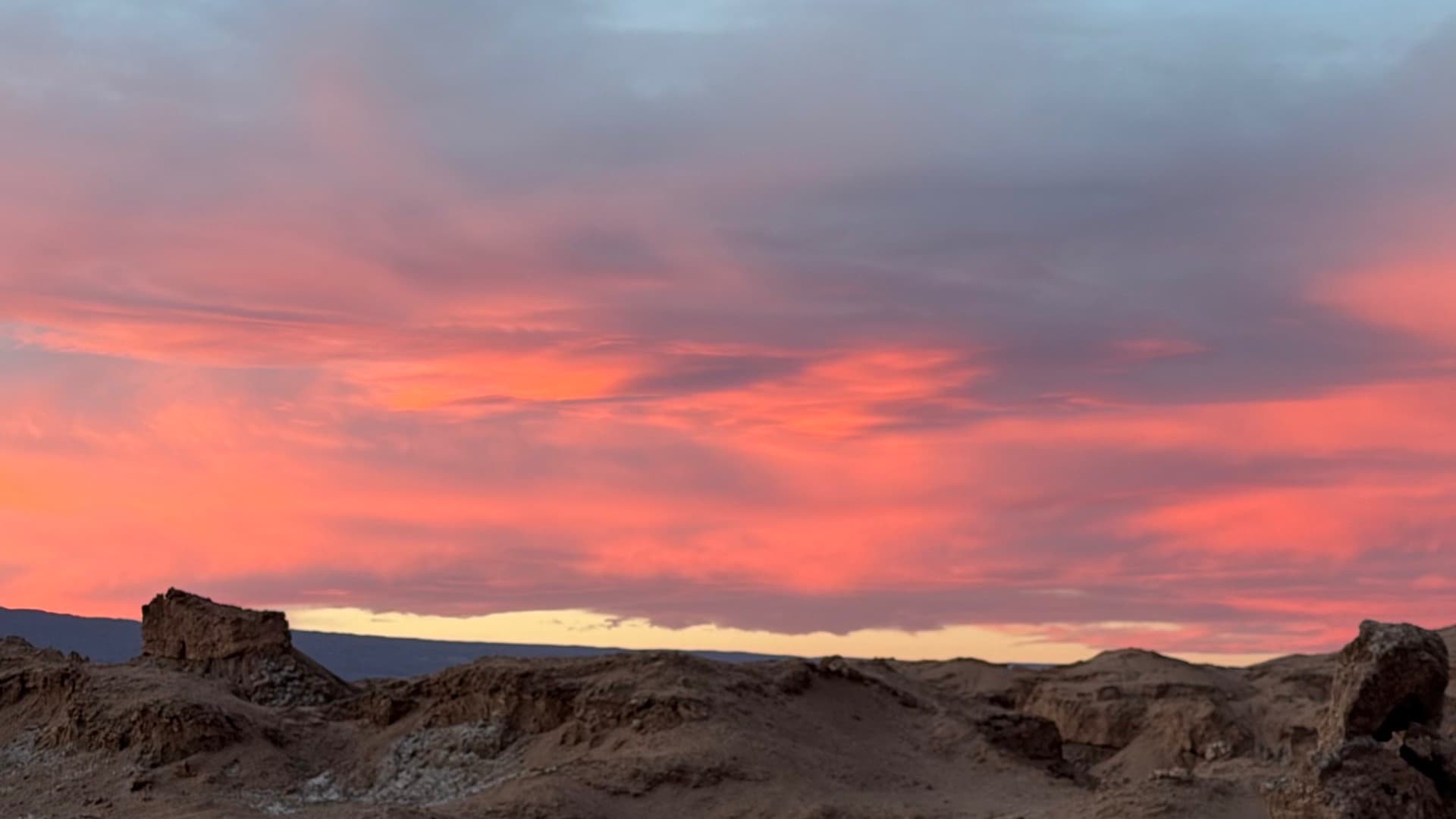
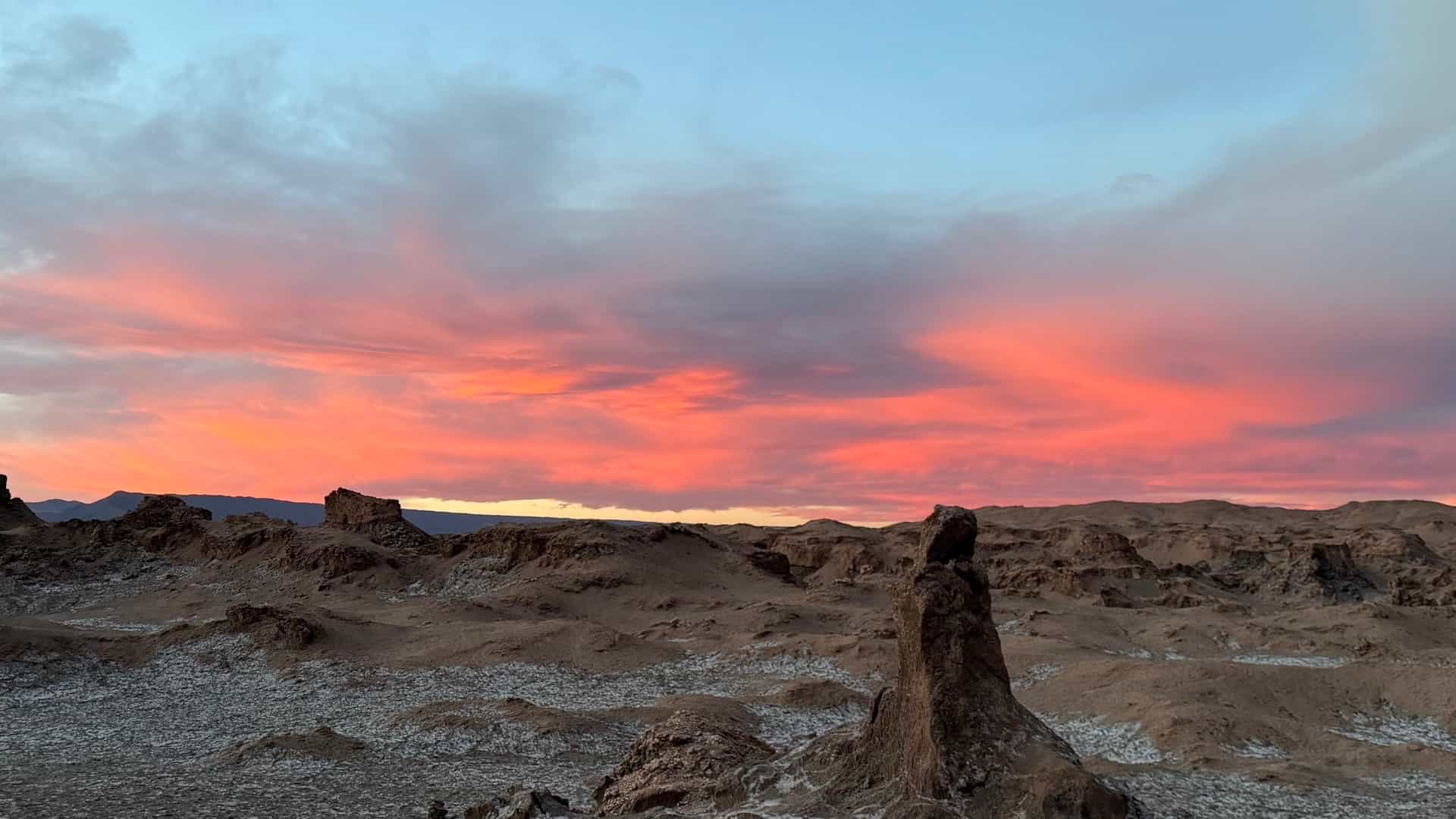
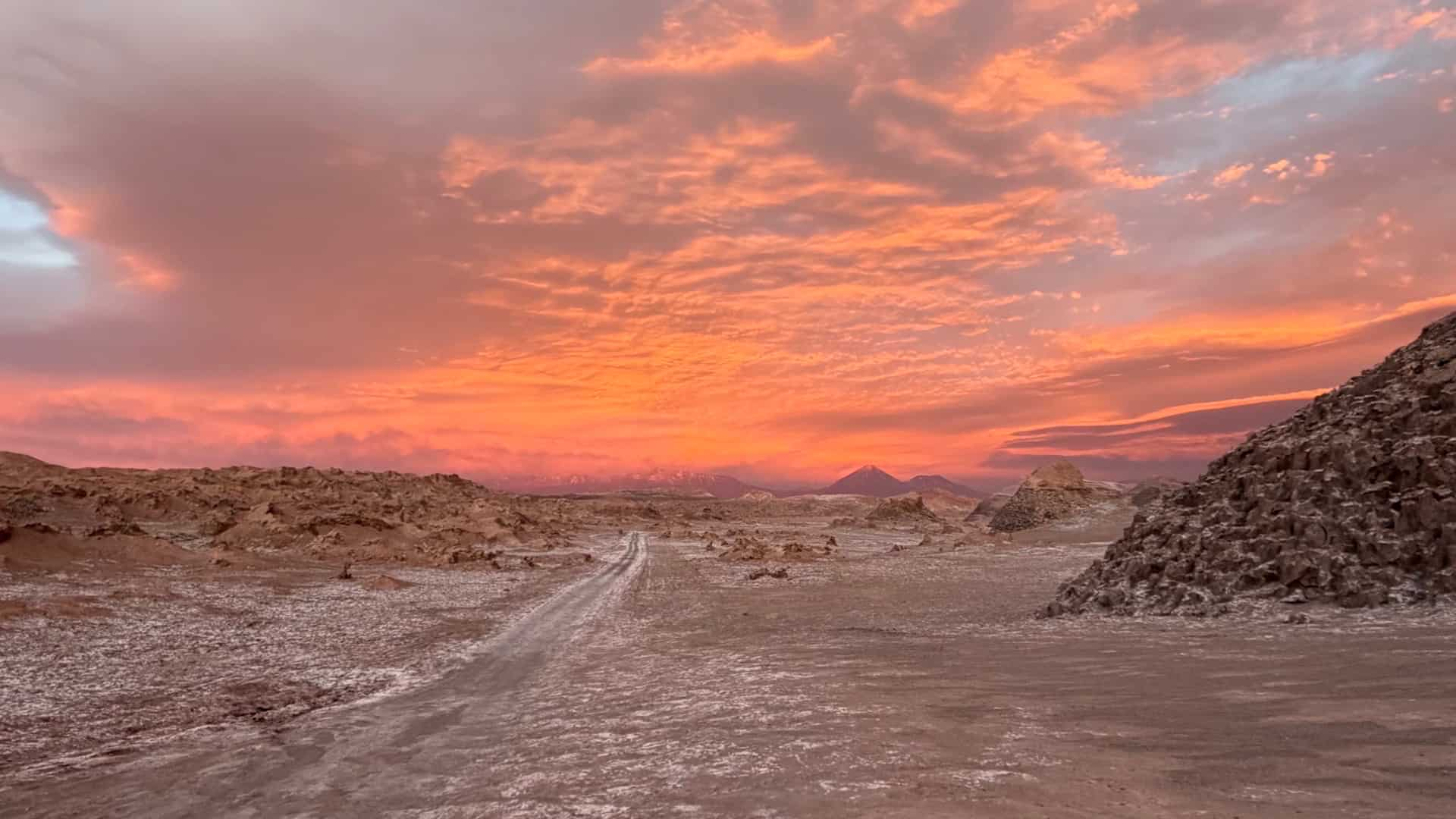
Cold stone strikes the boots. The setting sun unleashes a wave of amber, violet, and deep cobalt light across the salt dunes of the Cordillera de la Sal while the symmetrical cone of Licancabur casts its blue shadow over the dry basin. Dust, dry ozone, and mineral earth sting the nostrils in this silent highland void. Sharp iron on the tongue. An arid furnace instantly turns into a freezing vault.
Life takes root where rain never falls. Situated 13 kilometers west of the San Pedro oasis at an elevation of 2,500 meters, this earth saw local farmers construct complex irrigation systems around 500 BCE during the flourishing of the San Pedro culture. Likan Antai trade caravans later mapped routes across this high expanse, swapping copper and sacred snuff trays with the northern Tiwanaku state without yielding their autonomy. Fortified stone settlements grew during regional conflicts before Inca expansion arrived around 1450 CE to build high-altitude shrines atop volcano peaks.
The desert reveals its quiet intelligence under dusk. This basin was never an empty wasteland, but a living map where trade routes met mountain deities in delicate balance. Today, modern telescopes scan deep space above the salt flats while lithium mining digs into the ancient water tables below. Survival demands balance between taking from the earth and giving back to keep the waters flowing.
Reflective Pause
A sudden shift in temperature forces the salt-crusted clay beneath my palm to snap with tiny, metallic pops. The cooling earth exhales a faint heat, smelling of baked dust and ancient dried sea bed. Light fades instantly into indigo, leaving only the sharp edge of wind against dry lips.
Night falls fast over the Atacama, locking the landscape in absolute silence. Close your eyes for sixty seconds amidst the darkening dunes, and you will see the white silhouette of Licancabur gleaming behind your eyelids long after the amber light dies. The salt continues its slow contraction, echoing centuries of human movement across an unyielding floor. Will we learn the ancient discipline of restraint, or will we drain the salt basins to fuel our restless modern appetite?