Fast Facts for the Modern Explorer
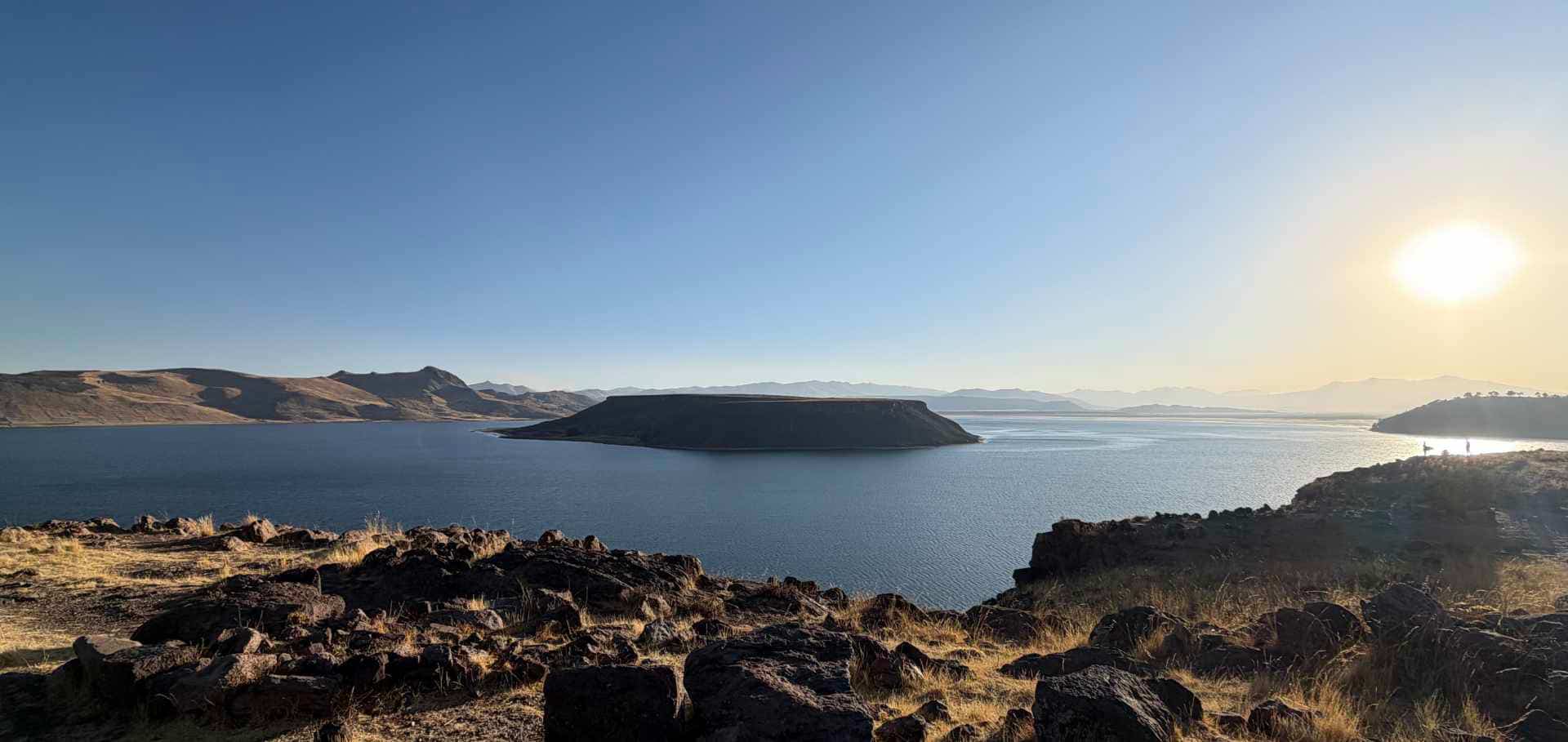
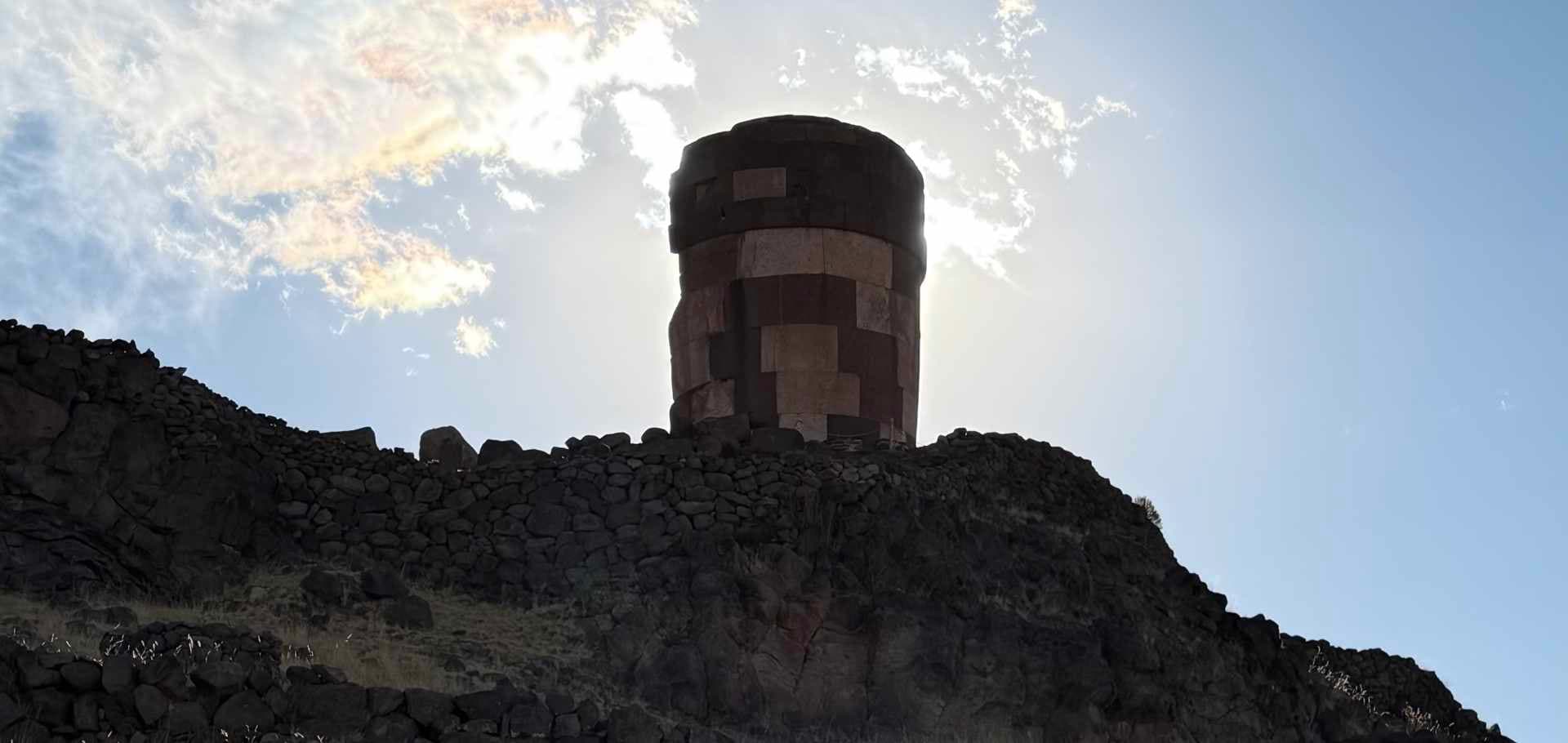
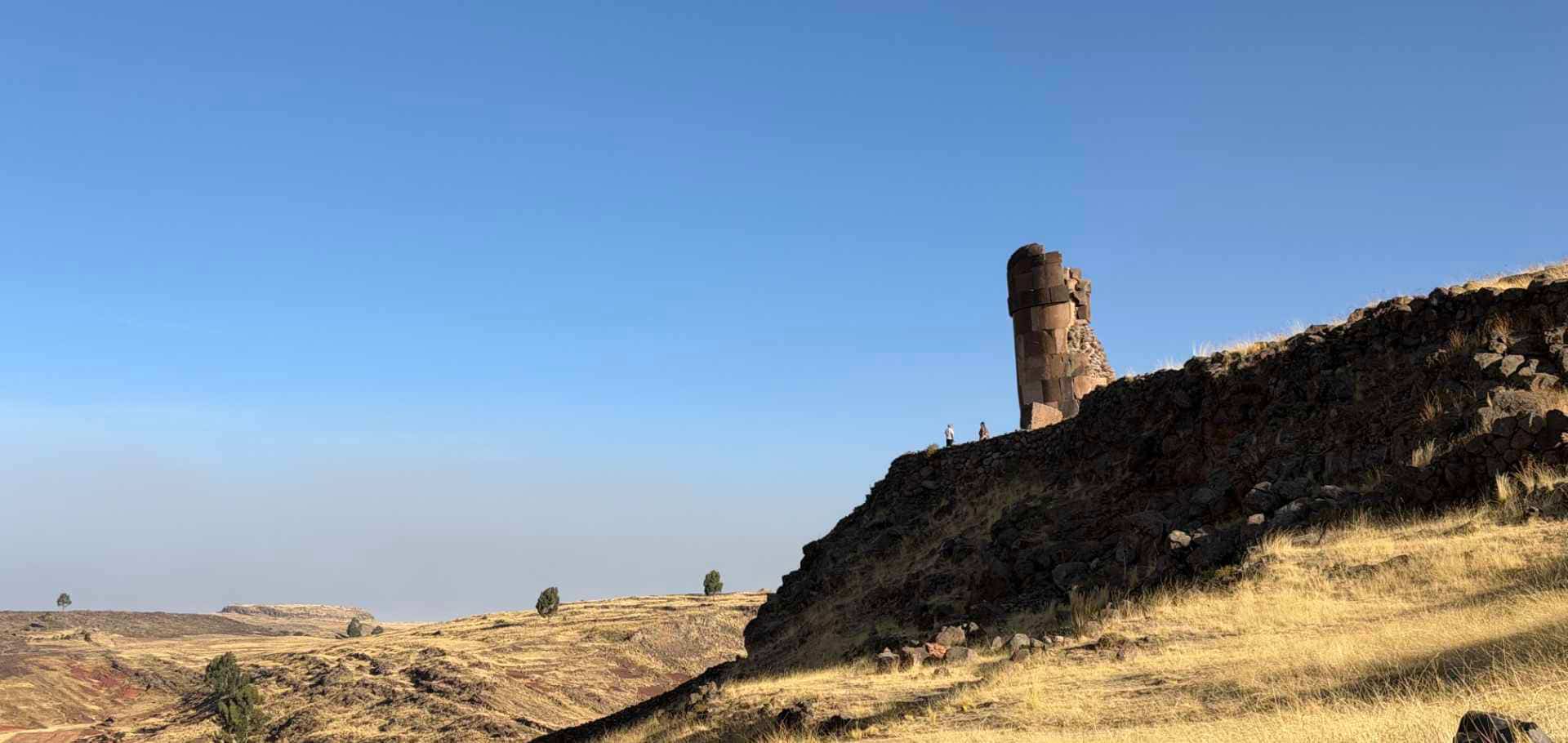
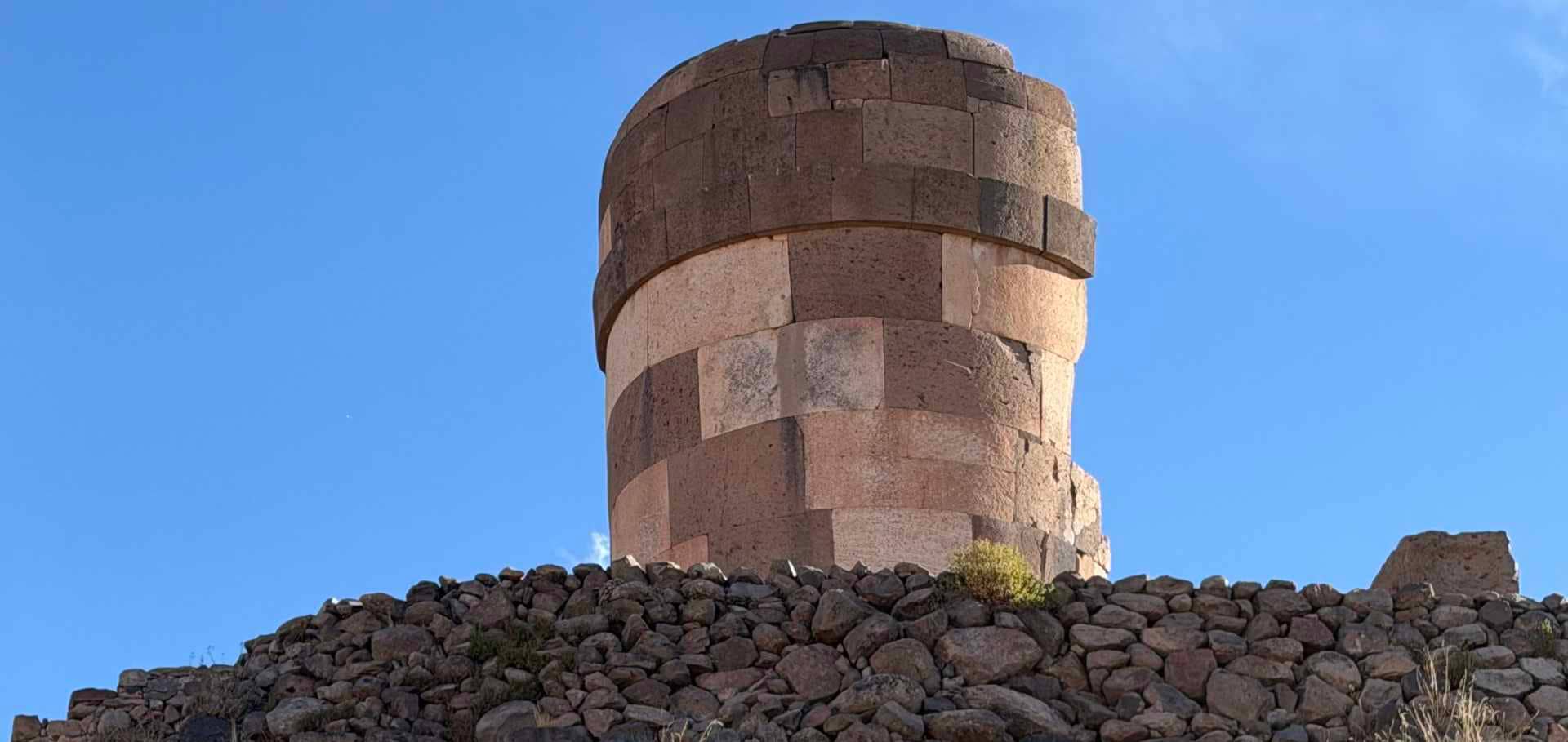
- Direct Definition: Sillustani is a pre-Inca and Inca mortuary peninsula featuring monumental stone towers called chullpas erected above Lake Umayo.
- Current Relevance: The site remains an active sacred sanctuary for local Aymara communities who offer rituals to Mother Earth beside protected ecological wetlands.
- Practical Duration: Plan for two to three hours to walk the peninsula circuit at an altitude of 3,900 meters.
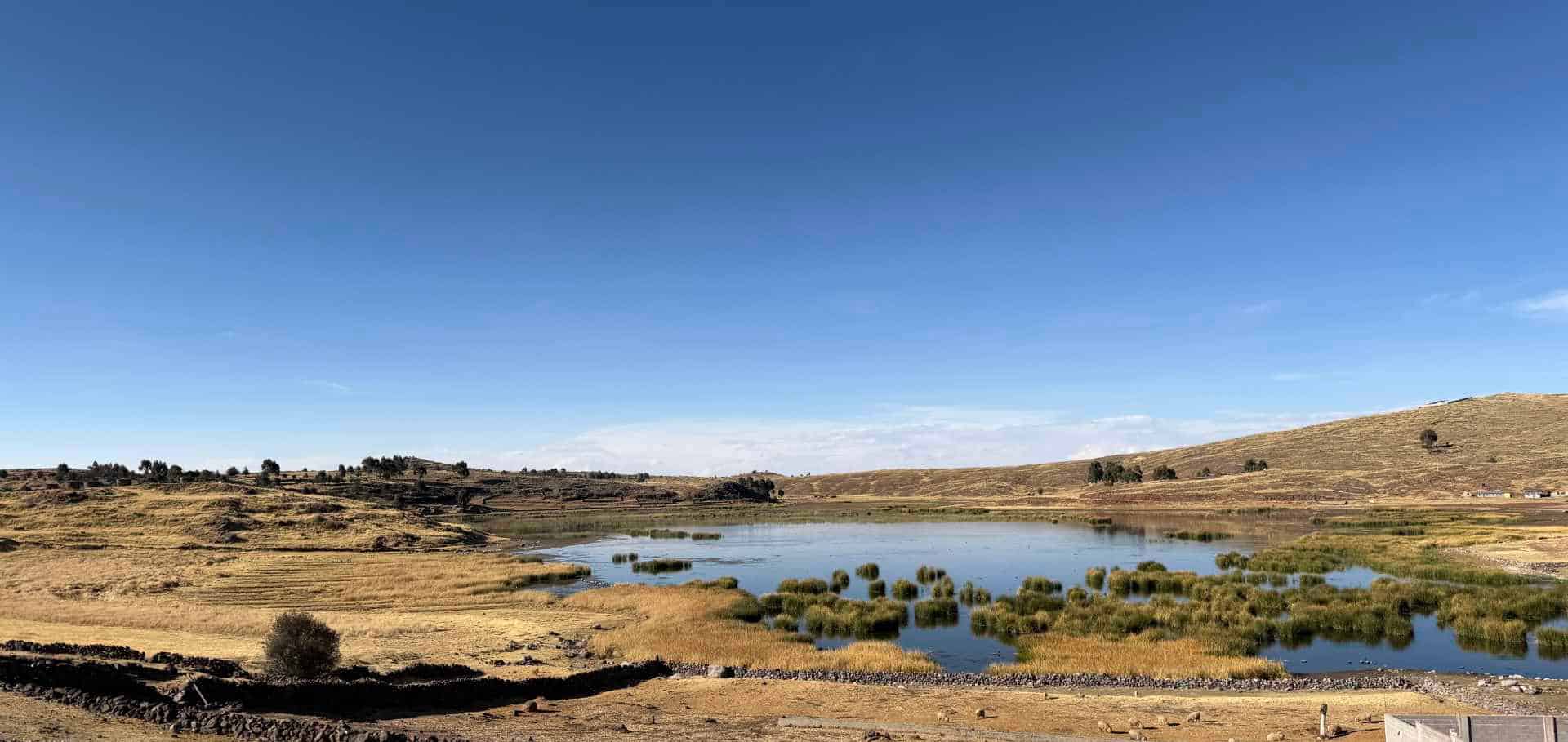
Cold wind cuts the ridge. At nearly four thousand meters above the sea, sharp grass rasps against raw basalt while the blue skin of Lake Umayo mirrors an empty sky without a single cloud. Bitter scents of sun-baked earth and wild thyme cling to the thin draft that burns the back of your throat. Giant cylinders of basalt flare outward as they rise, defiance carved into geometry. A solitary gull calls across the water, its cry dying against the stone.
Power shifted across these plains. Around the year 1000, as the Tiwanaku state dissolved into memory, the Aymara-speaking Colla lords built these towers to enclose their dead rulers. When Emperor Pachacuti swept through the region in the mid-fifteenth century, his stonemasons chose not to raze these shrines but to surpass them with seamless ashlar masonry. Builders hoisted volcanic blocks up ramps, shaping twelve-meter cylinders that taper wider at the summit to trick the eye. A tiny eastern portal near the soil forced every visitor to crawl inside, bowing before the embalmed ancestors who governed the harvest from beyond.
Reflective Pause
Close your eyes for sixty seconds on this headland and the wind transforms into a low, dry hum. Run a finger along the join of two basalt blocks; the edge feels cold, smooth, and tighter than a folded page. Sunlight warms your neck while the lake smells faintly of damp reeds and mineral salt.
Gold fever shattered the calm. Following the Spanish invasion of 1532, treasure hunters blasted the stone walls with gunpowder, hunting for buried silver cups and gold foil wrapped around mummies. Churchmen burnt the woven baskets, seeking to break the living thread that bound villagers to their line of kings. Yet the sacred landscape outlasted the dynastic collapse. Today, local healers still leave coca leaves and yellow flowers on the threshold of the Lizard Tower, keeping faith with the spirits that dwell inside the rock.
Architecture here acts as an anchor for living memory. The builders did not raise stone towers to flee mortality, but to anchor a permanent dialogue between the soil, the water, and the sky. Closing your eyes for sixty seconds reveals the true spirit of the peninsula: the dry hum of wind through grass, the smell of lake water, and the sudden warmth of mountain light. These monuments do not merely stand upon the ridge; they pull the entire horizon into a silent, eternal circle.