Fast Facts for the Modern Explorer
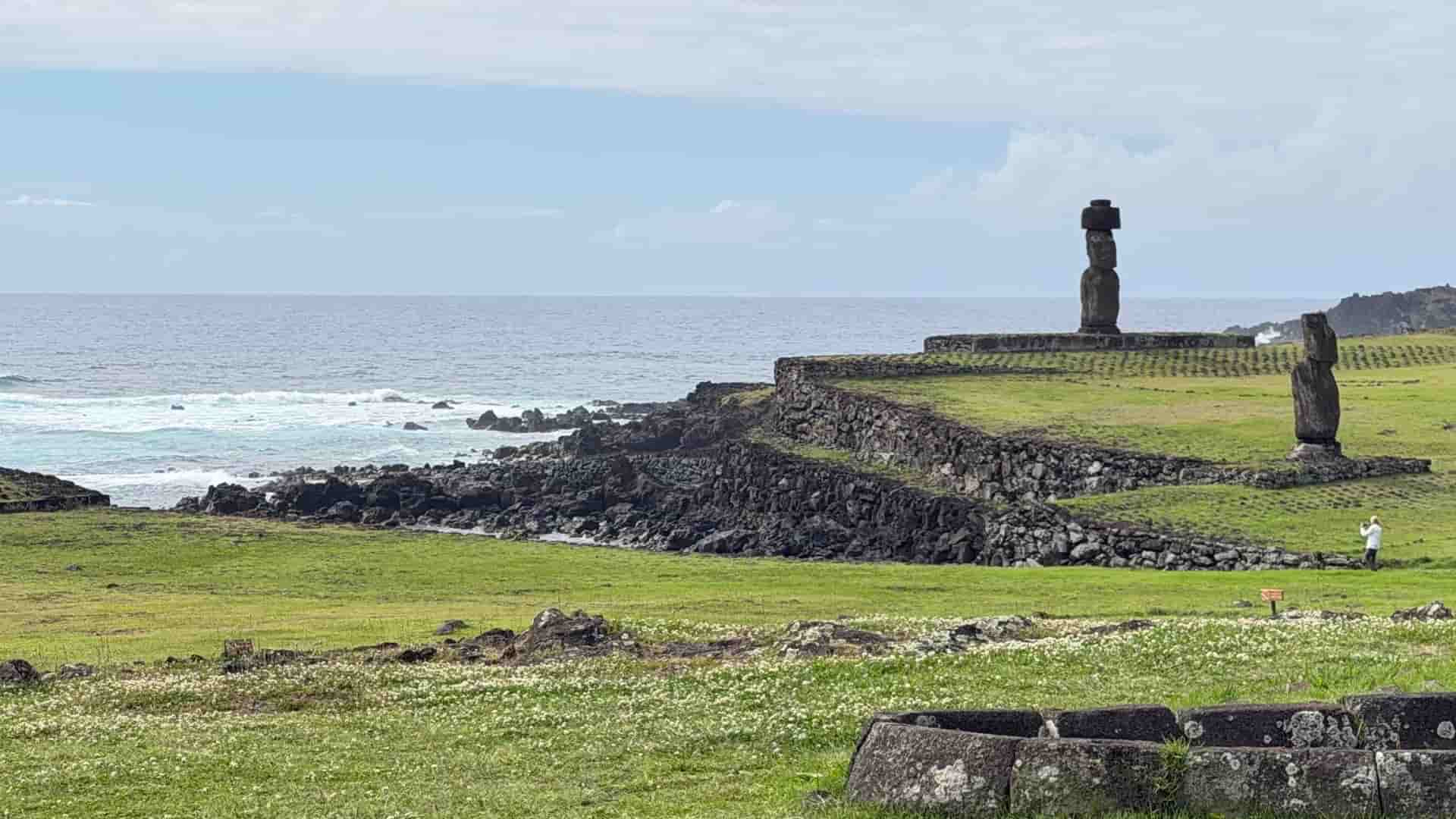
- Direct Definition: Rapa Nui is an isolated South Pacific volcanic sanctuary world-renowned for its Rano Raraku stone quarry and the monumental moai statues erected upon coastal ahu platforms.
- Current Relevance: Co-managed by the indigenous Ma'u Henua council, the national park represents a vital nexus of Polynesians fighting to safeguard fragile material history against ocean surge erosion.
- Practical Duration: Spend four full days traversing the crater slopes, coastal sanctuaries, and inland agricultural lithic mulch sites on foot.
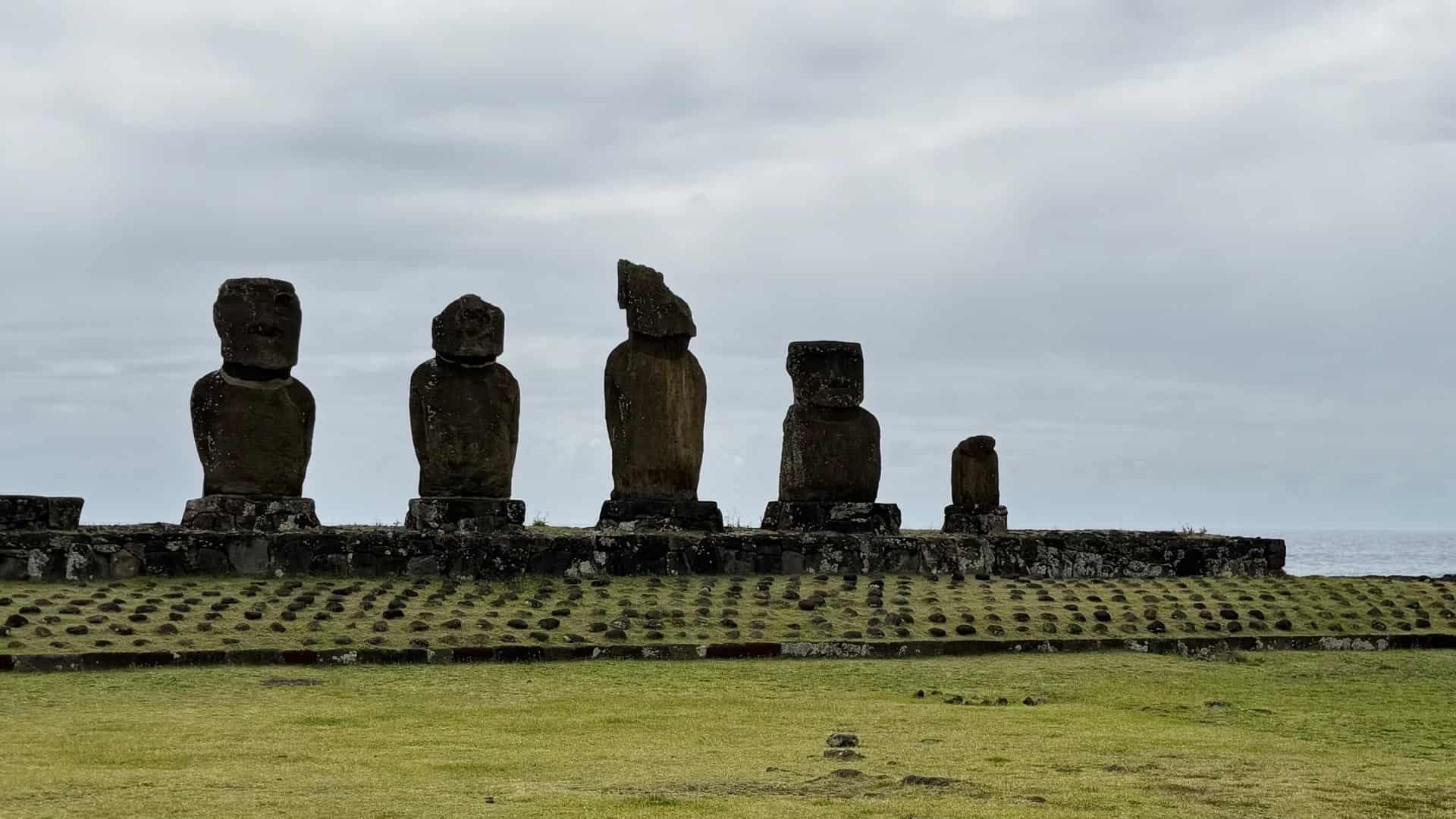
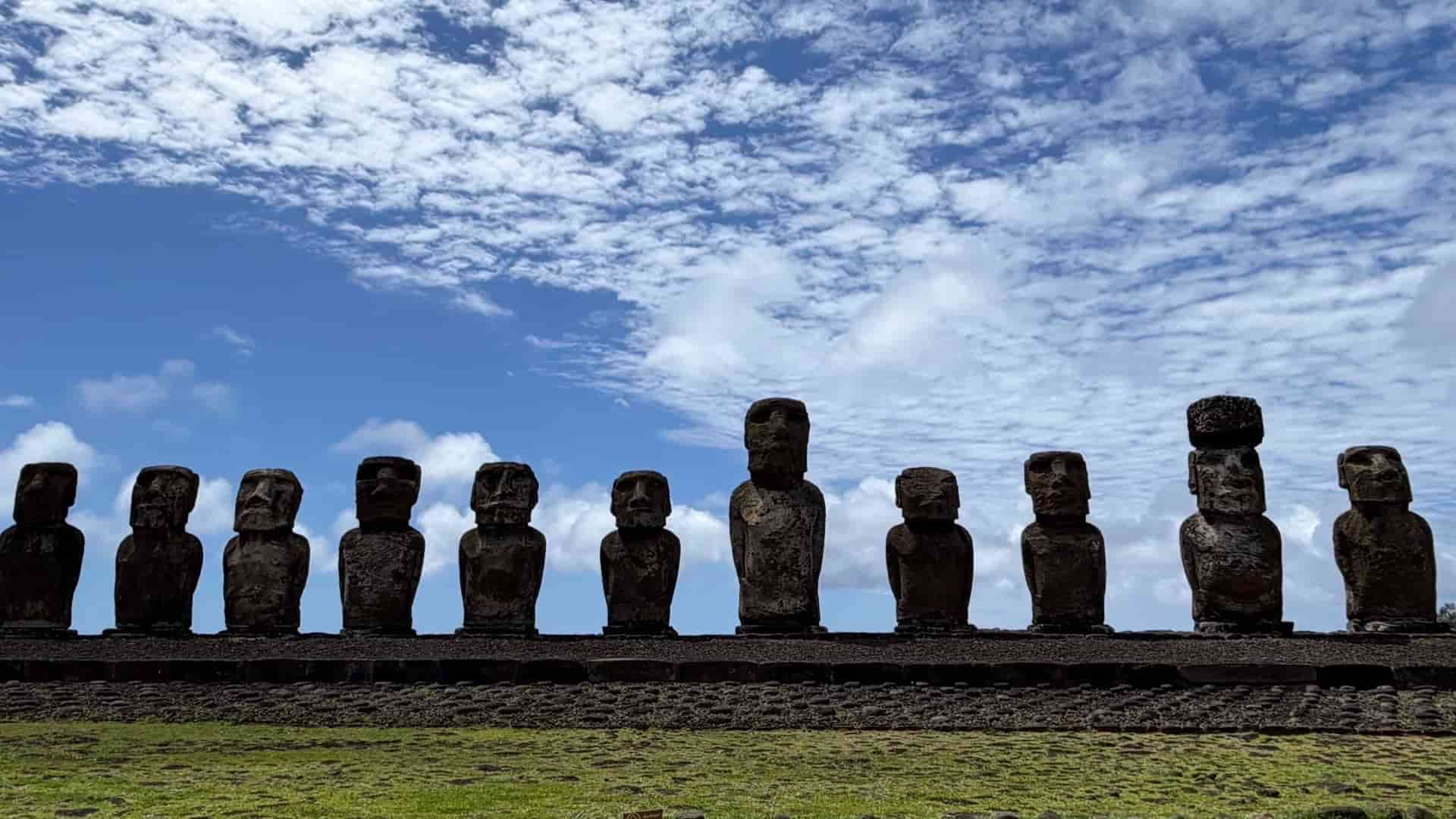
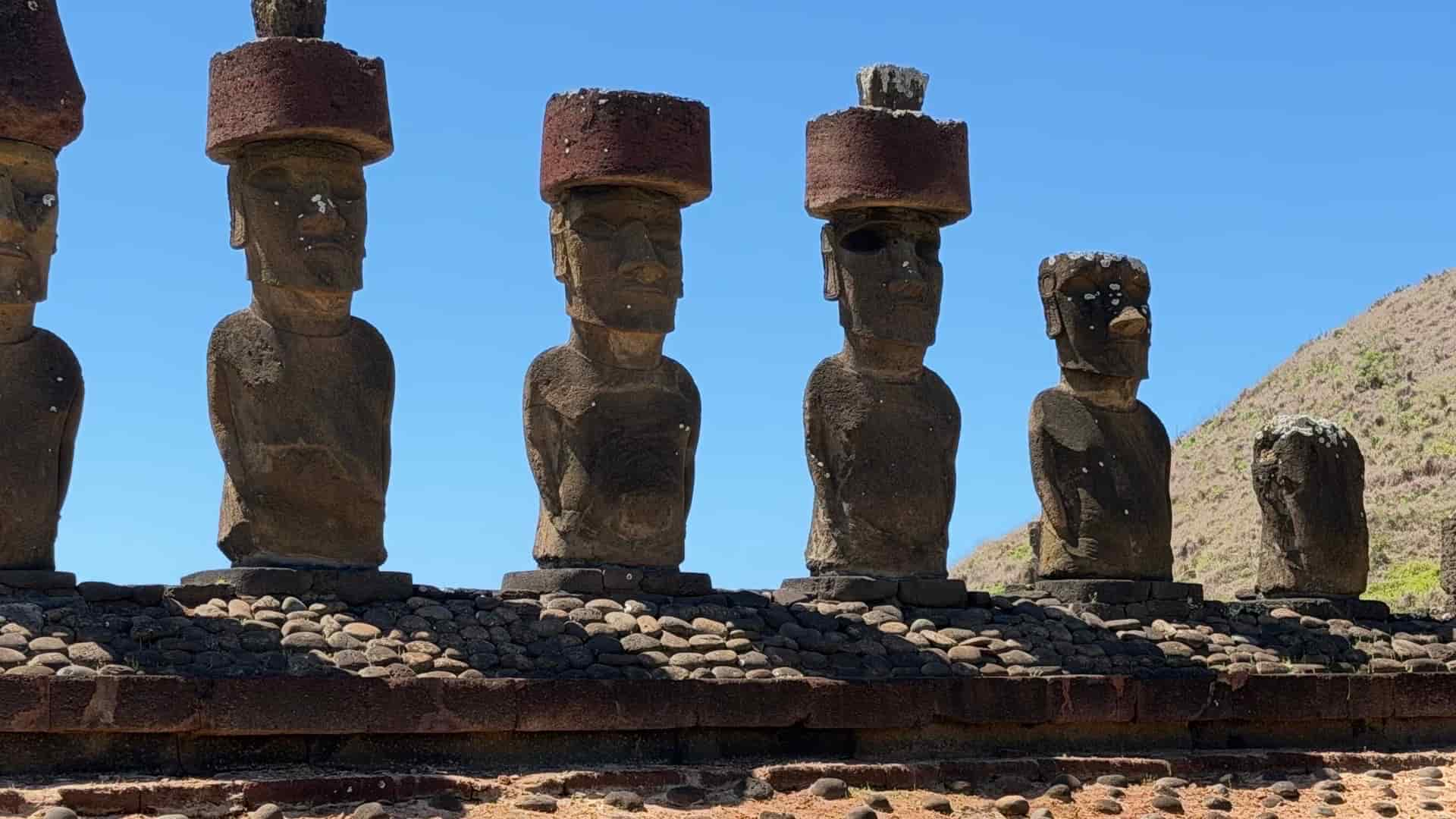
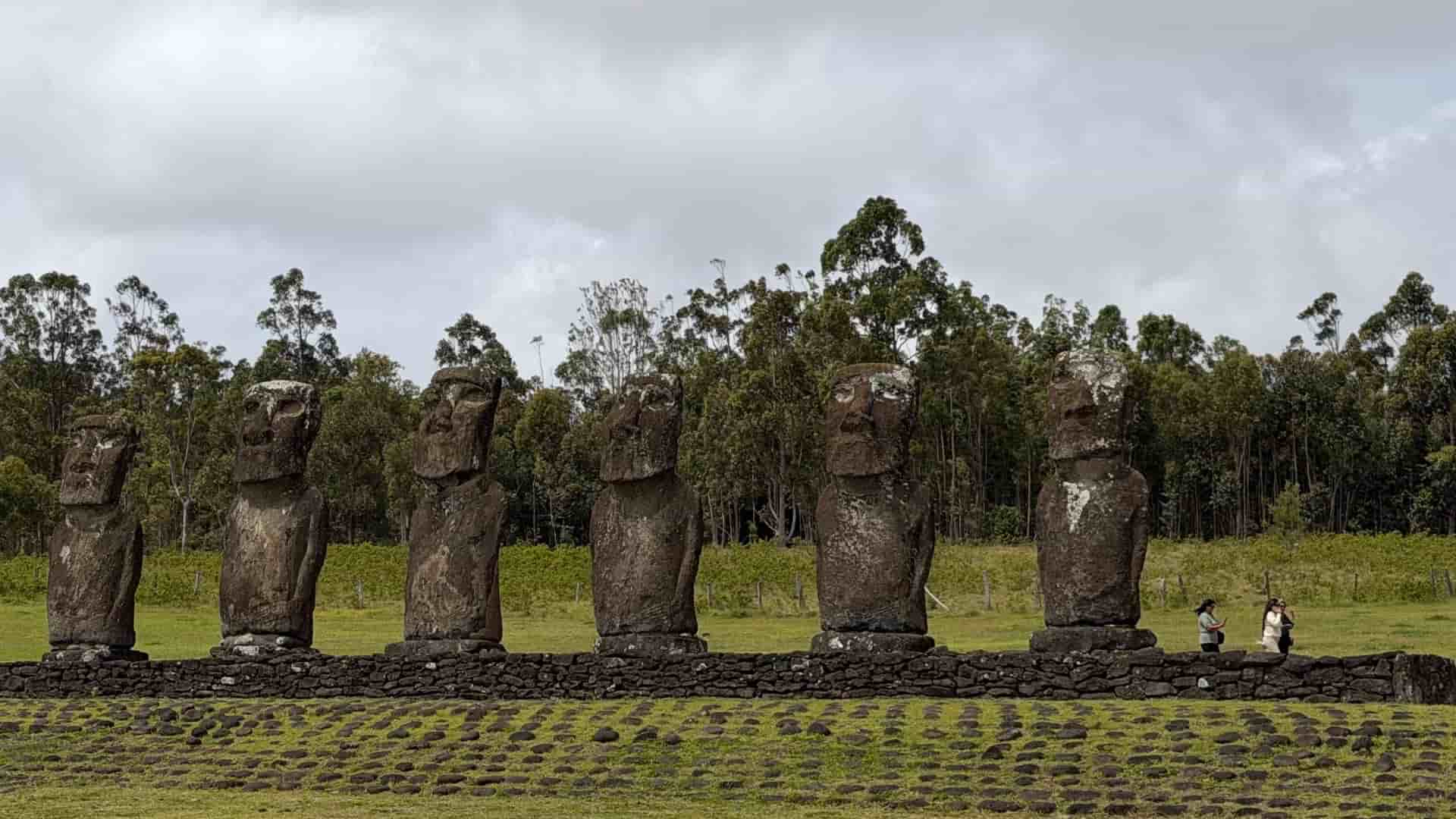
Salt bites the dry lips. Across the open grasslands of the eastern shore, cold trade winds whip red dust across sun-baked volcanic tuff while ocean swells slam against dark basalt ledges with a heavy, thunderous roar. Here, fifteen colossal statues stand shoulder to shoulder across a platform spanning over two hundred meters, their stylized brows casting long dark shadows over the earth. They do not gaze at the sea, but shield the living ground with their silent, enduring presence. A monument built on grit and faith.
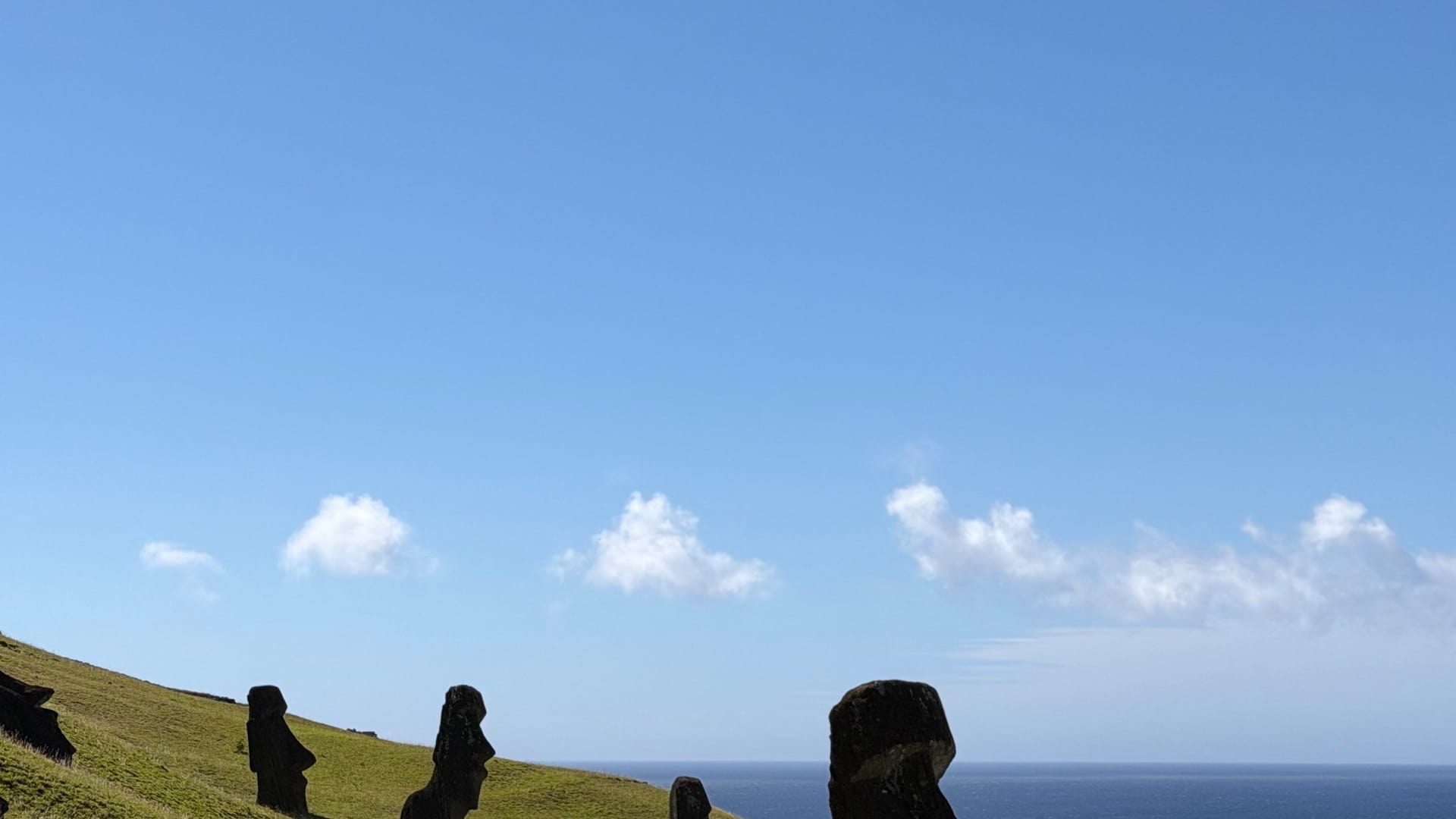
The earth smells of crushed grass and dry ash. Walking toward the volcanic cone of Rano Raraku, one feels the silence of a stone workshop abandoned mid-stroke, where master carvers fashioned an entire culture out of yielding rock. Over three hundred unfinished giants rest frozen in the crater walls, including the massive twenty-one meter frame of Te Tokanga that weighs nearly two hundred and seventy metric tons. These unworked monoliths reveal the sheer muscular willpower of an isolated ocean folk. Stone tools lie where hands dropped them centuries ago.
Voyagers found this patch of land around 1200 CE, when Western builders were only beginning to raise the high vaults of Gothic cathedrals. Navigating by stellar tracks and swell patterns, Polynesian sailors landed on the volcanic shore and immediately turned soil into sanctuary. For four centuries, lineage clans carved ancestral spirits into porous tuff, capping their works with red scoria hats from Puna Pau to anchor divine authority within their settlements. When artisans set coral eyes into the stone sockets, the monuments awoke, pouring protective power over crops and kin.
Disaster arrived not from internal foolishness, but through external violence. By the mid-seventeenth century, timber shortages forced a shift toward the Birdman cult at Orongo, yet the true ruin came during the slave raids of 1862. Peruvian ships tore away the island's elders and scholars, leaving behind introduced sicknesses that crushed the population down to just one hundred and eleven soul survivors by 1877. Modern research refutes the myth of self-inflicted ecological collapse, showing instead how clever farmers built stone mulch gardens to trap precious rainwater during dry spells.
Reflective Pause
A thin coat of yellow lichen clings to the rough cheek of an unfinished monolith. When wind dies for a brief heartbeat, you can hear the soft scritch of dried grass scraping against ancient volcanic basalt. Sunlight catches tiny flecks of black obsidian trapped inside the yellow tuff stone.
Close your eyes for sixty seconds beside the quiet quarry slope. You hear no motors or city chatter, only the relentless whistling trade wind and the deep thrum of ocean waves grinding against sharp volcanic cliffs. In that deep silence, the popular myth of a self-destroyed culture vanishes, revealing instead an unbroken story of human resilience. The indigenous Ma'u Henua council now leads the effort to save these coastal platforms from rising seas and weathering storms. Stone outlives frail flesh, but ancestral memory gives the cold rock its lasting voice.
The tide continues its ancient assault on the dark basalt shores. Standing before the fifteen giants of Tongariki as sunset paints the horizon, one realizes these guardians never turned their backs on the ocean out of fear. They look inward because everything that mattered—kin, crop, and memory—lay within the ring of grass and fire. As salt crusts your lips in the fading light, the sentinels remain, demanding to know what legacy we will choose to carve from our own fragile world.