Fast Facts for the Modern Explorer
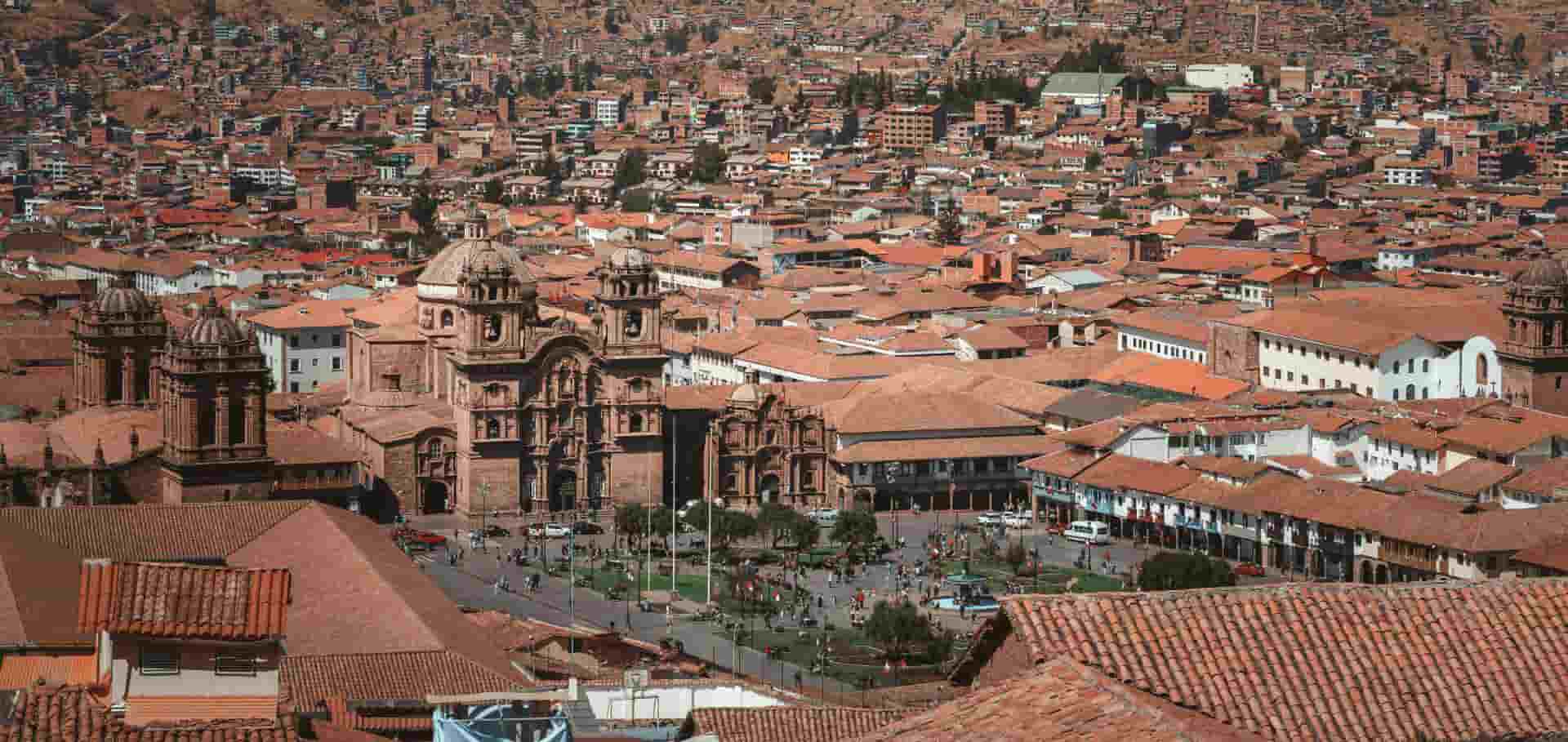
- Direct Definition: Cusco is the ancient capital of the Inca Empire (Tawantinsuyu), situated at 3,400 meters elevation in the Peruvian Andes, defined by mortarless Inca masonry beneath Spanish colonial superstructures.
- Current Relevance: Today the historic city stands as a living UNESCO World Heritage metropolis where ancestral Andean traditions, market gastronomy, and pre-Columbian engineering converge.
- Practical Duration: Spend four to five days navigating the historic center and surrounding megalithic sites to allow proper high-altitude acclimatization and deep architectural exploration.
The Living Surface: Granite, Woodsmoke, and Cacao
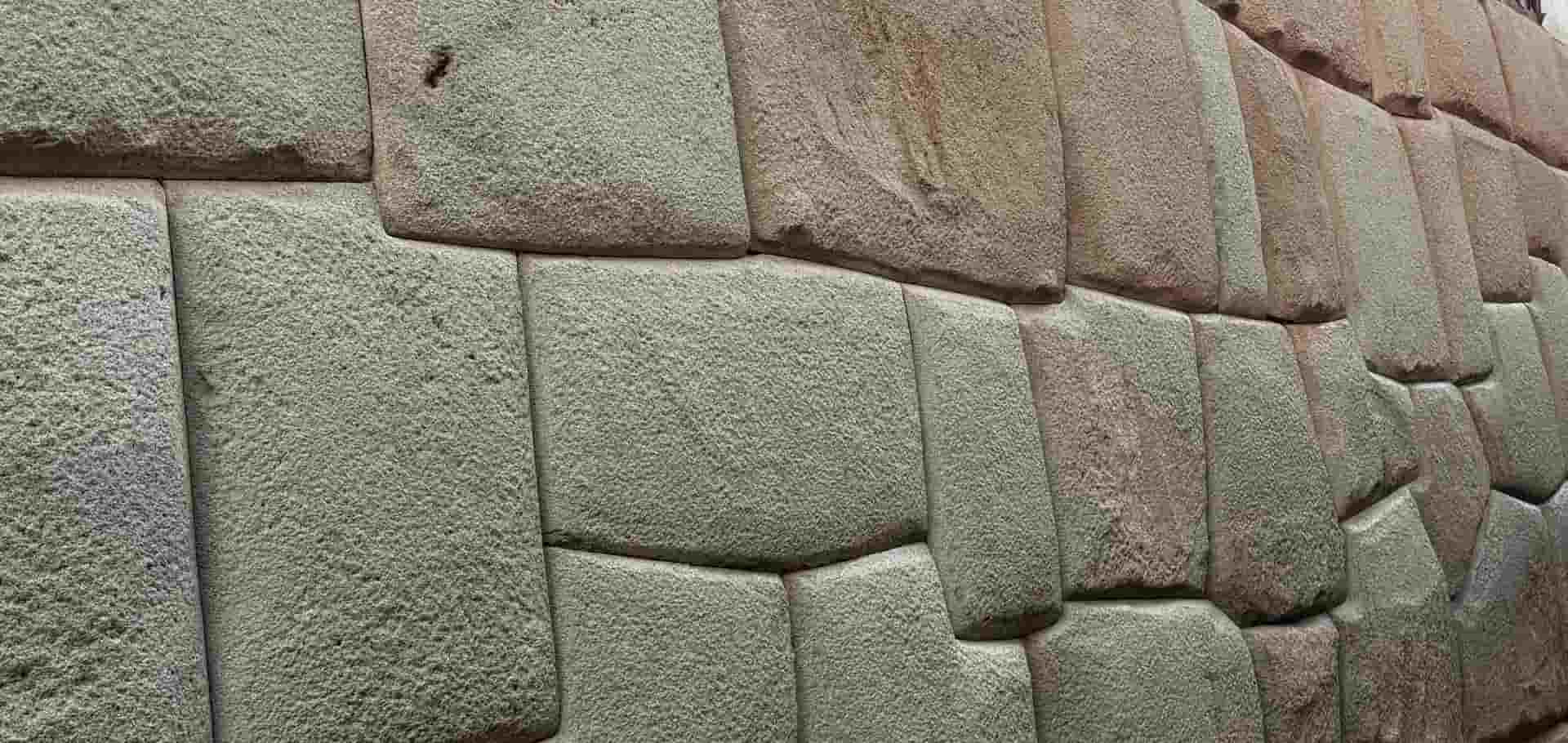
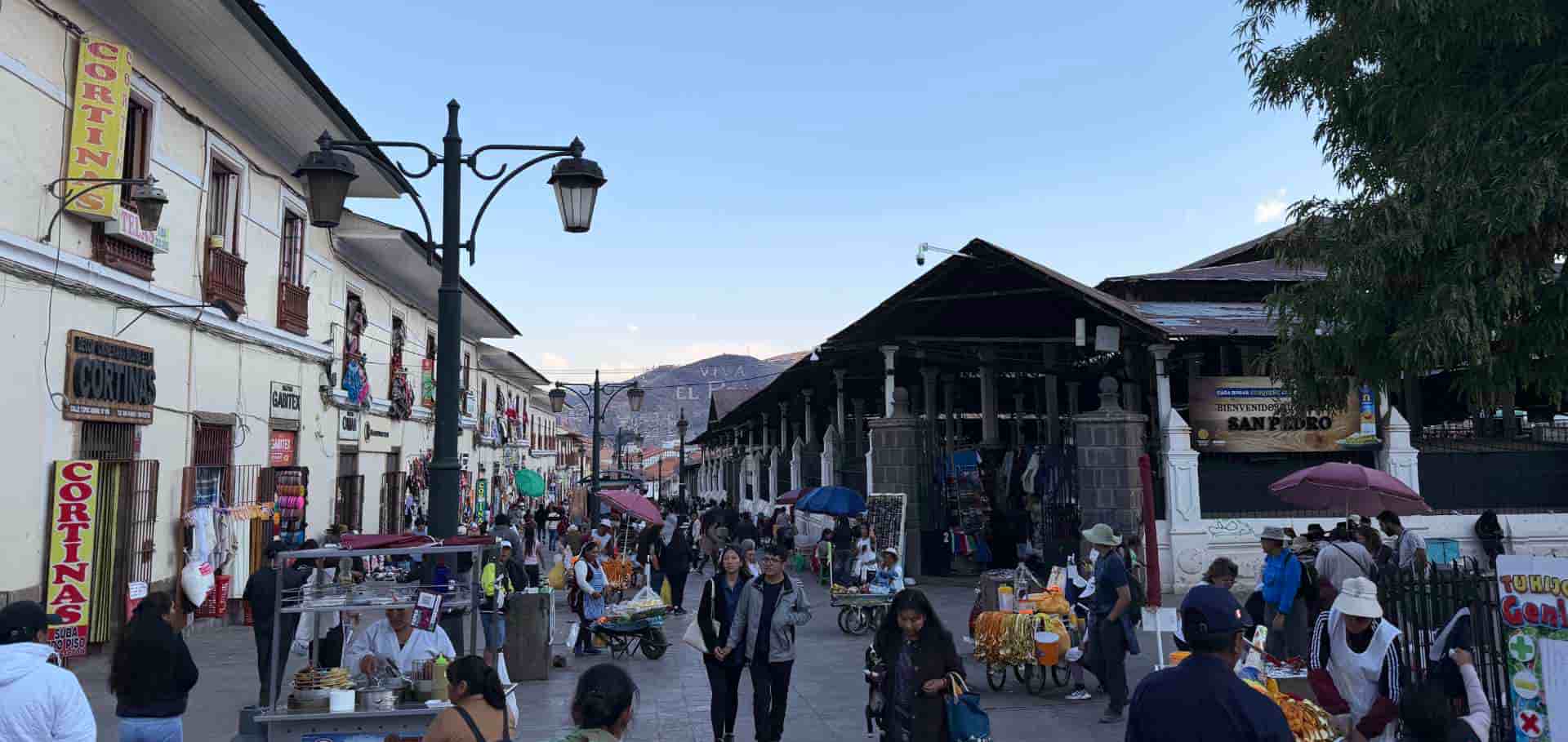
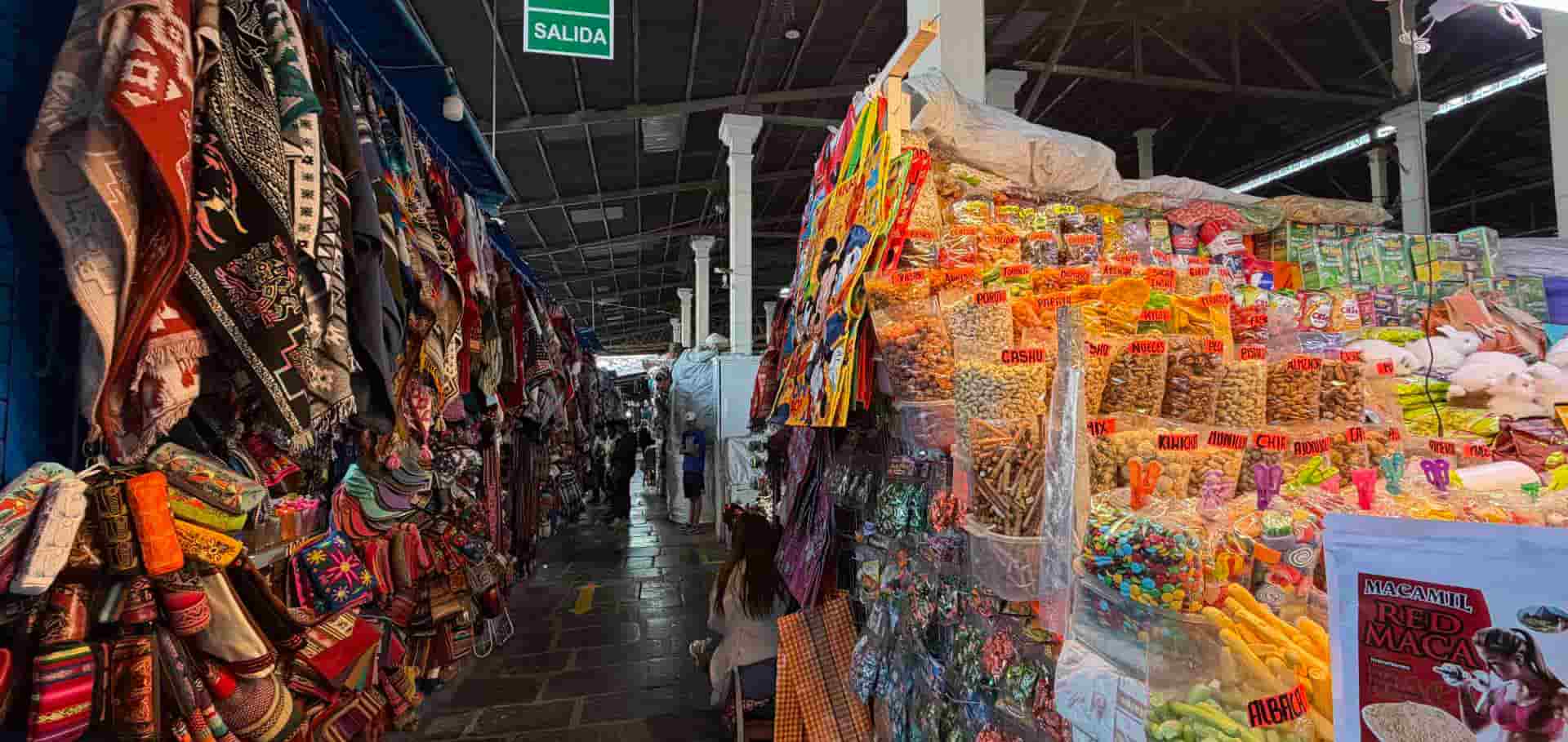
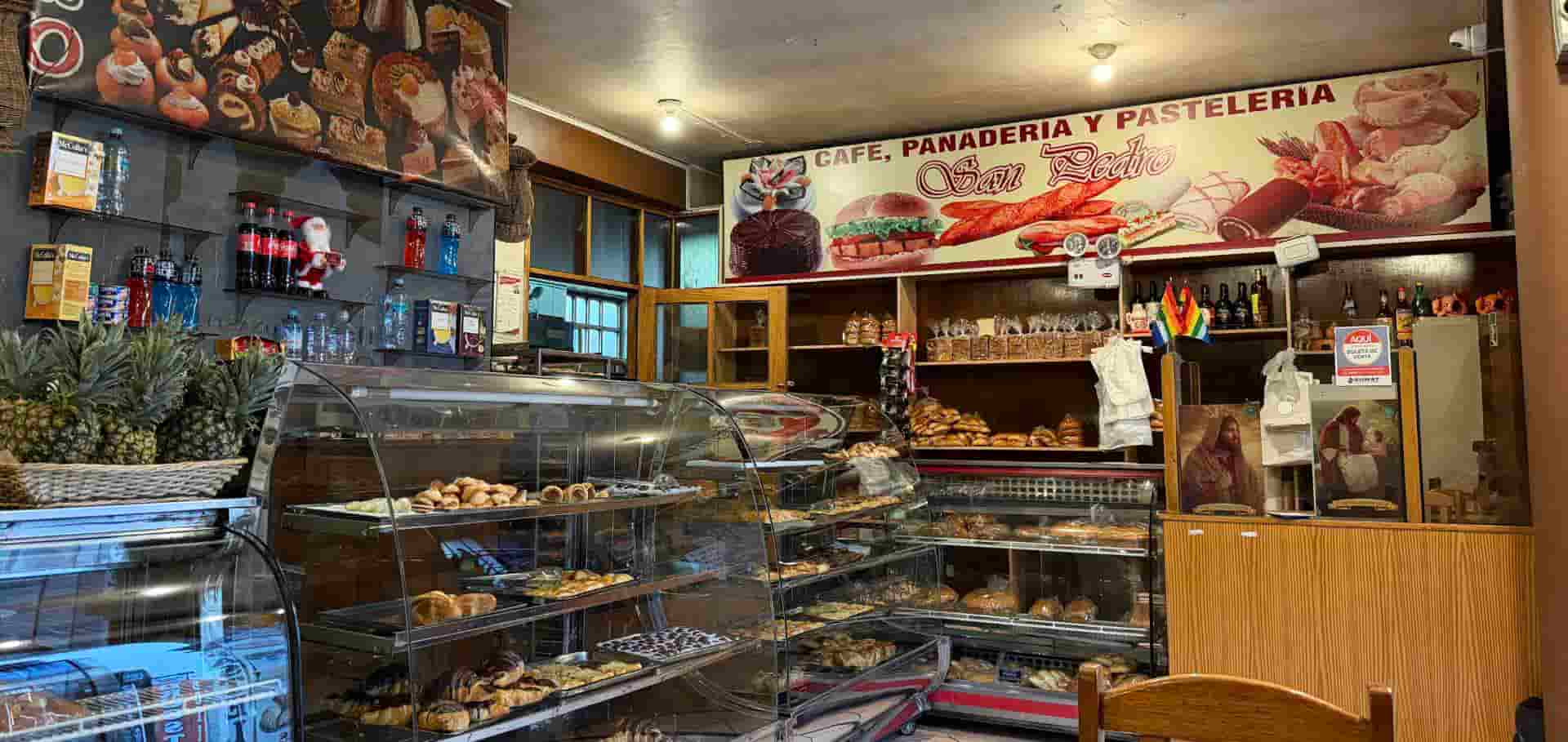
Mountain winds push the bite of high eucalyptus down from the ridge. You walk the tight pedestrian path of Calle Hatun Rumiyoc and press your palm against cold, smooth diorite. Skilled hands carved twelve distinct stone angles into this palace wall without mortar, fitting each block so tightly that no steel blade can find purchase. A few blocks away at the central market of San Pedro, thick aromas of roasted cacao and crushed mint fill the rafters. Vendors slice dark chocolate cake spiked with almonds while iron pots simmer with traditional herbs.
Night transforms the stone plazas into places of deep shadow and heavy air. At Cicciolina, tucked inside a tiled colonial courtyard, guests slice into seared alpaca tenderloin served alongside dark glasses of Chilean wine. The floorboards above echo with footfalls, repeating the rhythm of the street below. Outside, the curved basalt wall of the Qorikancha stands dark and grounded. Spanish friars built their monastery directly upon this solar temple, yet earthquake after earthquake shook away the European plaster while leaving the underlying Inca foundation untouched.
The Imperial Palimpsest: Engineering through Cataclysm
Long before imperial armies marched, local Killke farmers built stone terraces along these slopes around 1000 CE. Transformation struck during the winter of 1438 CE when the ninth Sapa Inca, Pachacuti, seized power and reshaped the entire valley. He redirected two rivers to drain the marshy basin, designing a city in the physical shape of a puma. Workers cut dry-stone ashlar blocks with angled edges that allow walls to dance during earthquakes without falling. Imperial planners tied the empire together through forty-one radial lines radiating from the central solar temple to sacred stones across the realm.
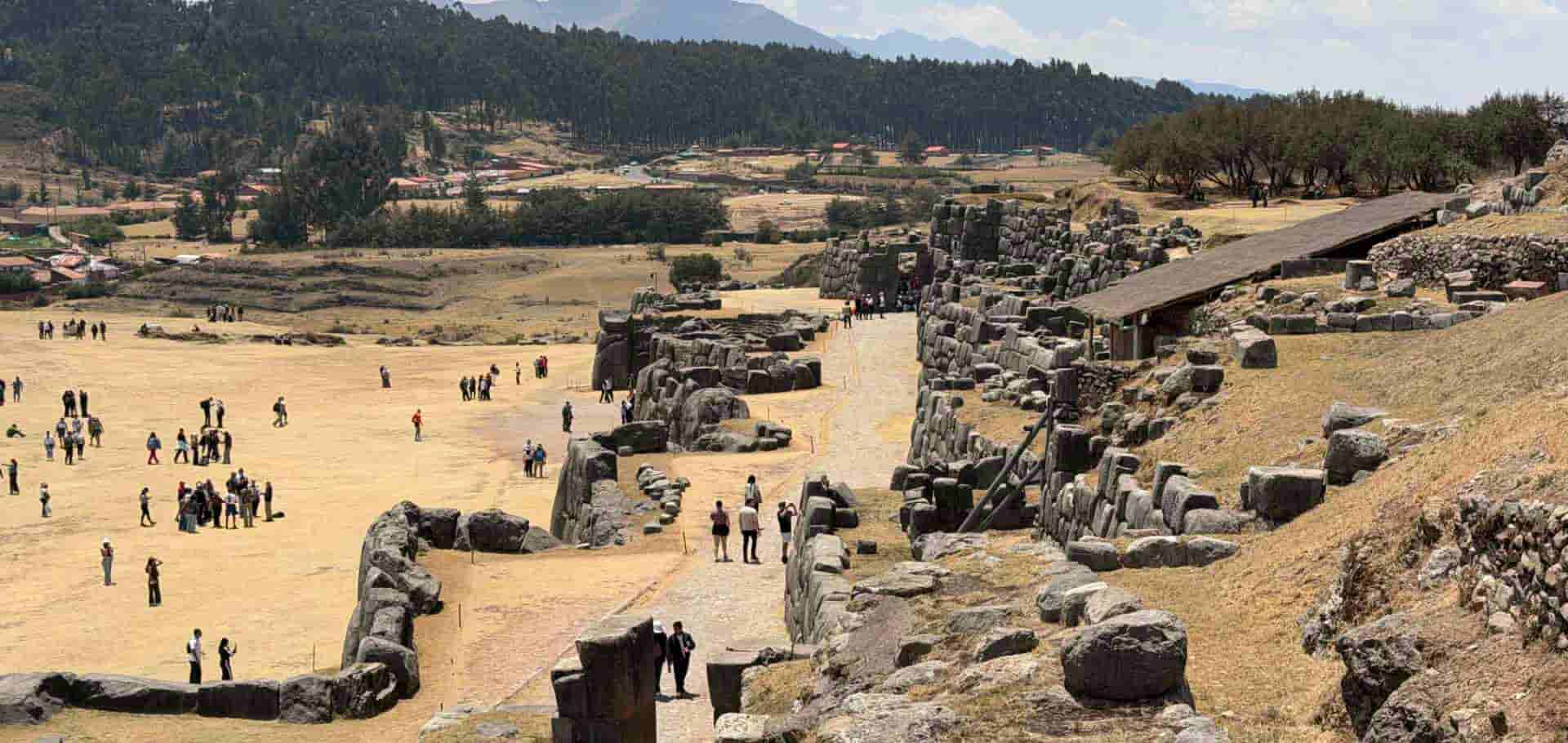
Spanish forces under Pizarro stormed the valley in 1533 CE, breaking the state and stripping solar plates from temple walls. Conquistadors carved up Inca palaces to raise churches and private mansions using forced native labor. In the cathedral, indigenous painter Marcos Zapata captured this violent collision in 1753 CE by rendering the Last Supper with a roasted guinea pig resting on the Savior’s platter. Up in the hills at Sacsayhuamán, builders dragged massive limestone boulders weighing over 120 metric tons into three zigzagging tiers. These megalithic ramparts anchored state rituals and protected imperial reserves through decades of highland warfare.
The Insight: Permanence in the Tremor
The enduring mystery of Cusco rests not in its conquest, but in its dynamic response to tectonic collapse. When great earthquakes leveled colonial arches in 1650 and 1950, the mortarless Inca foundations beneath them simply shifted and settled back into place. European builders sought to crush the past under heavy mortar, yet they ended up depending on indigenous engineering to keep their own roofs standing. The city thrives because it never erased its roots; it absorbed its invaders into a continuous architectural layer. Every wall tells a story of survival written in joinery and earth.
Reflective Pause: A single drop of condensation glides down the polished basalt of the Qorikancha, reflecting the golden highland sun. Mountain air carries the scent of dry earth and crushed muña leaves into the silent courtyard. Touch the seamless stone seam and feel the chill of five centuries held in grey rock.
If you close your eyes for sixty seconds outside the carved labyrinth of Q'enqo, the modern city fades entirely into the high altitude wind. You hear only the subterranean trickle of spring water flowing through ancient stone channels beneath your boots. This quiet hydraulic pulse reveals that the Andean world never stopped flowing beneath its concrete skin. The valley remains a living heart, binding ancient masonry to modern breath in an unbroken human thread.