Fast Facts for the Modern Explorer
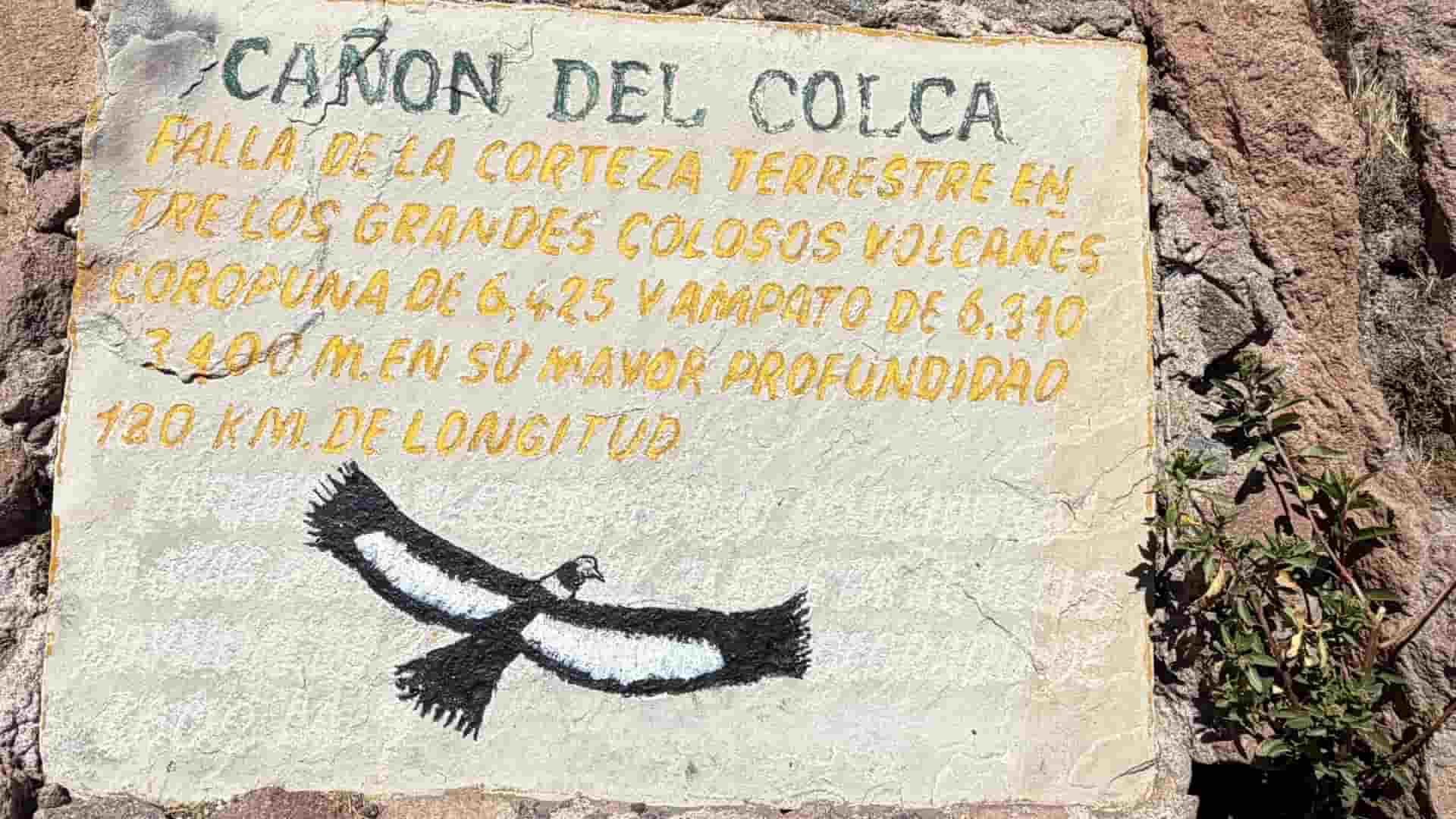
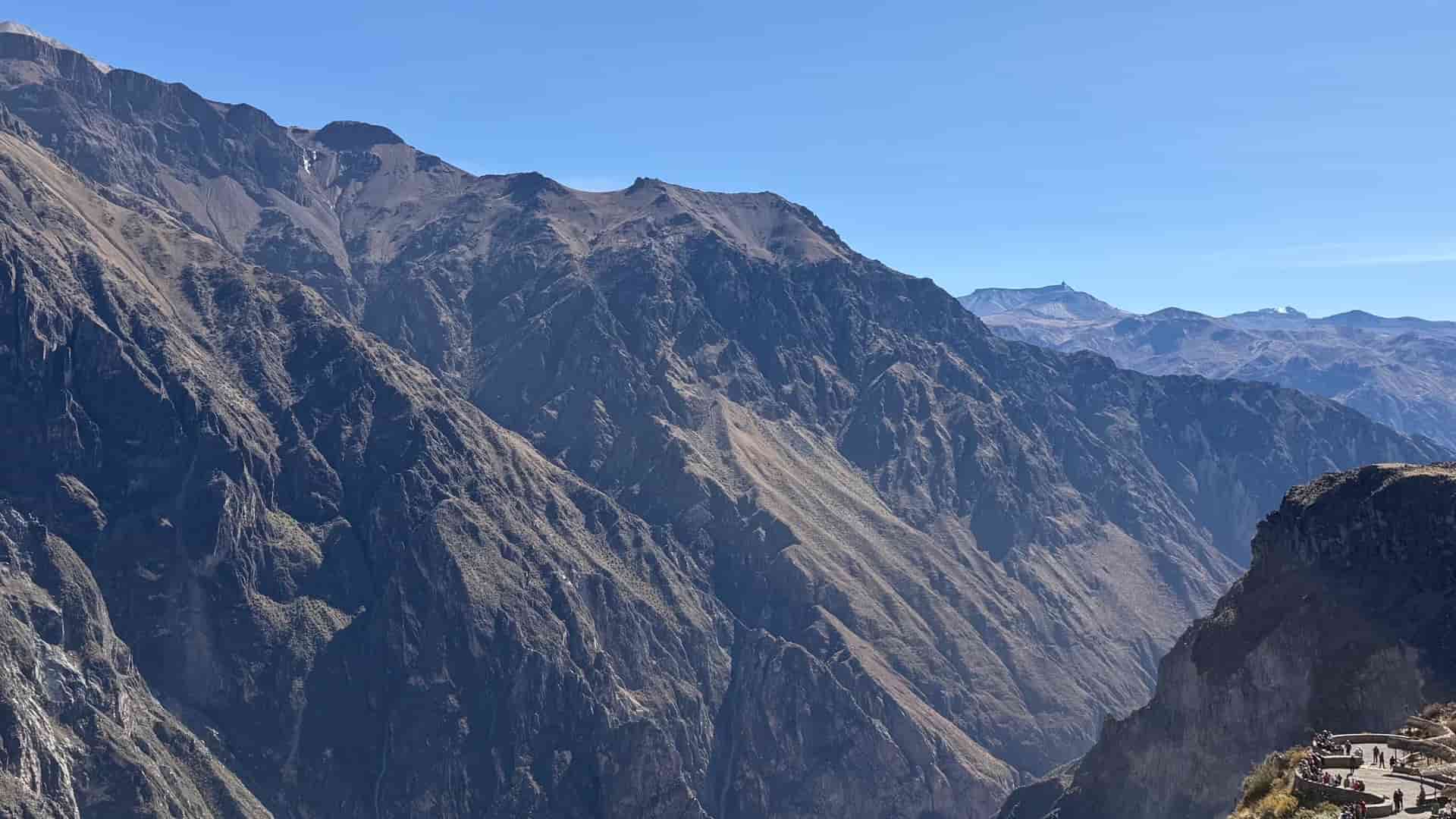
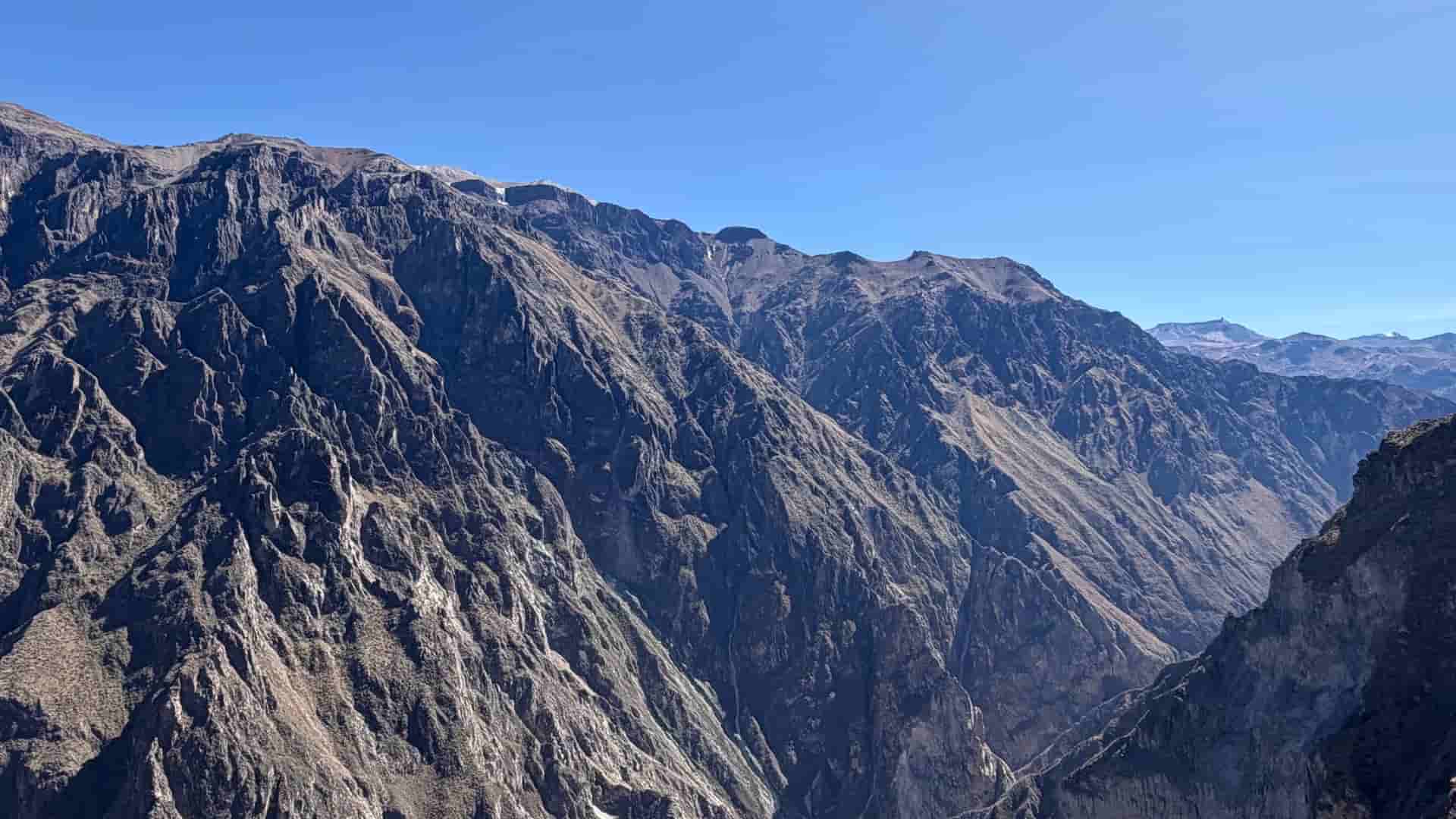
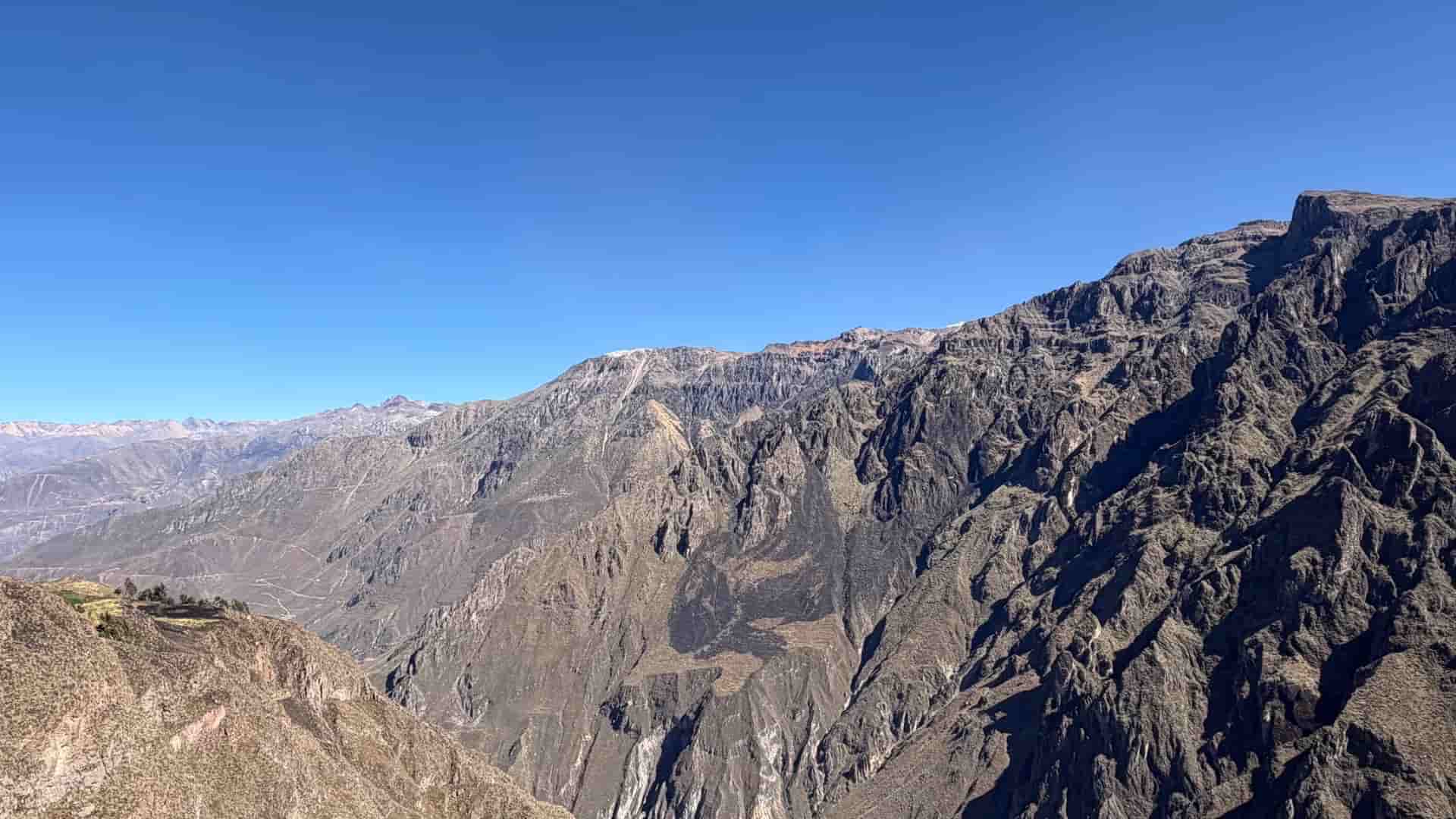
- Direct Definition: The Colca Valley is a colossal, 3,400-meter-deep chasm in Southern Peru, hand-sculpted by pre-Inca stone terrace systems and crowned by active volcanic peaks.
- Current Relevance: Today, the canyon serves as a vital sanctuary for the endangered Andean condor and preserves the distinct, woven living heritages of the Collagua and Cabana peoples.
- Practical Duration: Travelers should dedicate three full days to adjust to the high altitudes, explore the ancient stone-walled villages, and watch the morning raptor flights.
The Breath of the Abyss
The morning sun fires the gray granite. Across the dizzying 3,400-meter void of the canyon, dry wind carries the sharp, medicinal tang of wild sage and the raw musk of damp alpaca wool. We watch the morning light stain the jagged volcanic peaks while the active Sabancaya volcano breathes its cold ash into the thin sky, slowly waking the sleepy valley villages below. This stone rim feels like the brink of the habitable earth. A sudden, cold rush of wings.
The Rebellion of the Loom
History runs deep here. Long before the Inca expansion during the pre-Inca horizon of c. 600–1450 CE, two rival groups, the Collagua and the Cabana, carved these dizzying heights into fertile steps. They built thousands of stone terraces to trap the precious glacial runoff, turning a vertical desert of stone into a green breadbasket. When the Inca forces arrived under Emperor Mayta Cápac, they chose diplomatic bonds over blood, sealing their rule through marriage with a noble Collagua woman. The mountains kept their peace.
But Spanish boots brought ruin. In the 1570s, during the harsh rule of Viceroy Toledo, the crown drove the indigenous farmers from their mountain hamlets into grid-patterned towns. The invaders outlawed head-binding—the sacred practice where mothers shaped their infants' skulls to match the peaks of Hualca Hualca and Ampato. In defiance, local weavers shifted this forbidden map from bone to thread, shaping their canvas hats to copy the banned contours of their sacred peaks. A quiet rebellion born of wool.
The Flight of the Upper World
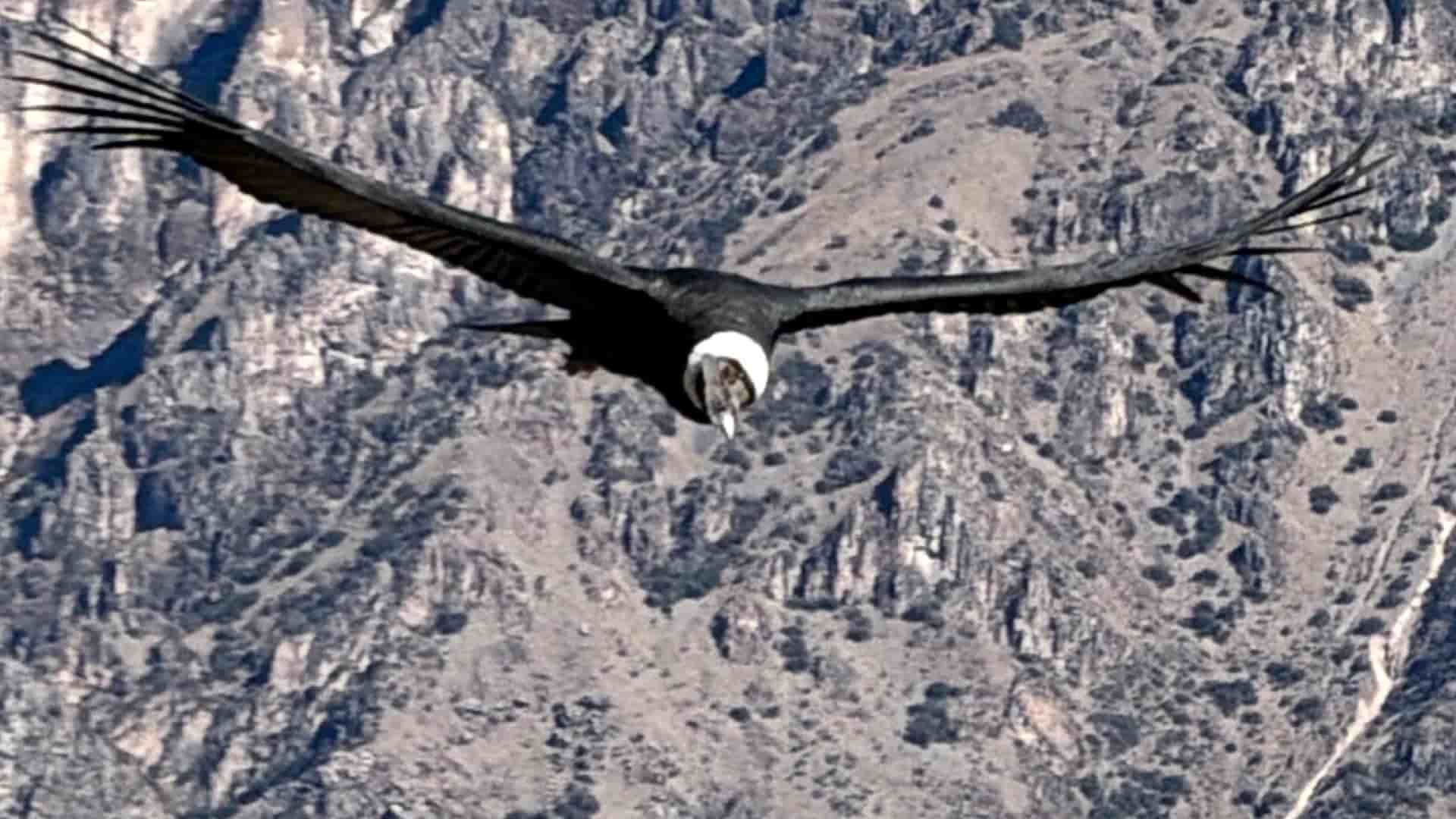
The canyon yields its secrets slowly. As the sun climbs, warm air rises from the 3,400-meter floor, creating the powerful thermal elevators that the Andean condor, Vultur gryphus, rides toward the light. Suddenly, a shadow sweeps the cliffside as a bird with a massive 3.2-meter wingspan glides past, close enough that we can hear the dry whistle of wind through its flight feathers. This creature does not merely fly; it bridges the gap between our dust and the sky. It is the living breath of Hanan Pacha.
Close your eyes for sixty seconds. In the darkness, you do not see the blue sky, but the heavy red and gold embroidery of a Cabana hat, its intricate threads drawing the jagged volcanic ridges that feed the dry terraced fields where families have farmed since the dawn of the Andes. The roar of the Colca River turns into the steady, rhythmic hum of an ancient foot-loom beating wool into stone. The landscape remains stitched to the soul. A world bound by thread.
Reflective Pause
The coarse grain of the volcanic ashlar stone grazes my palm, cold and dry. Sunlight catches a stray white alpaca fiber snagged on the rough mortar. In the silence between gusts of wind, the dry rustle of parched grass sounds like a quiet prayer.
The cold wind returns. As the shadows lengthen across the 3,280-meter rim, we watch the giant wings of the condors slip back into the dark crevices of the canyon walls while the distant volcanos continue to breathe their silent, sulfurous warnings into the freezing twilight. We came looking for a wild valley, but we found a living sanctuary where humans and mountains still speak the same secret language of survival. The dark canyon swallows the light. A lingering whisper in the cold stone.