Fast Facts for the Modern Explorer
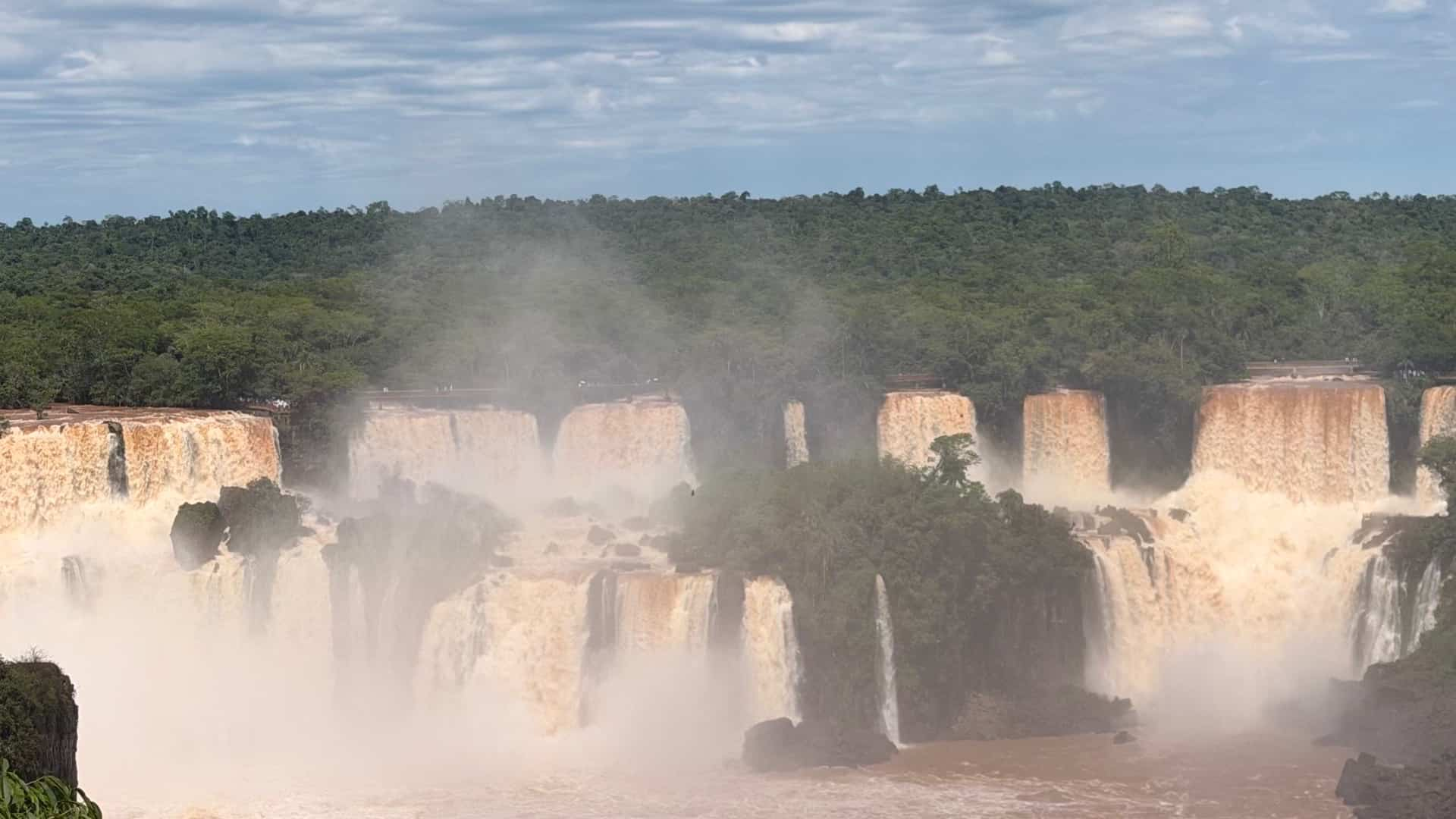
- Direct Definition: Iguazu Falls is a colossal system of up to 275 distinct cascades along the Iguazu River, formed where hydraulic erosion carves through ancient volcanic basalt capstones on the border of Argentina and Brazil.
- Current Relevance: Preserved within twin national parks spanning over 240,000 hectares of endangered Atlantic Subtropical Rainforest, the site serves as a vital refuge for apex predators under binational environmental stewardship.
- Practical Duration: Plan three full days to explore both the sweeping panoramic Brazilian scarps and the intimate Argentine boardwalks that cross the upper drops.
Act I: The Scene
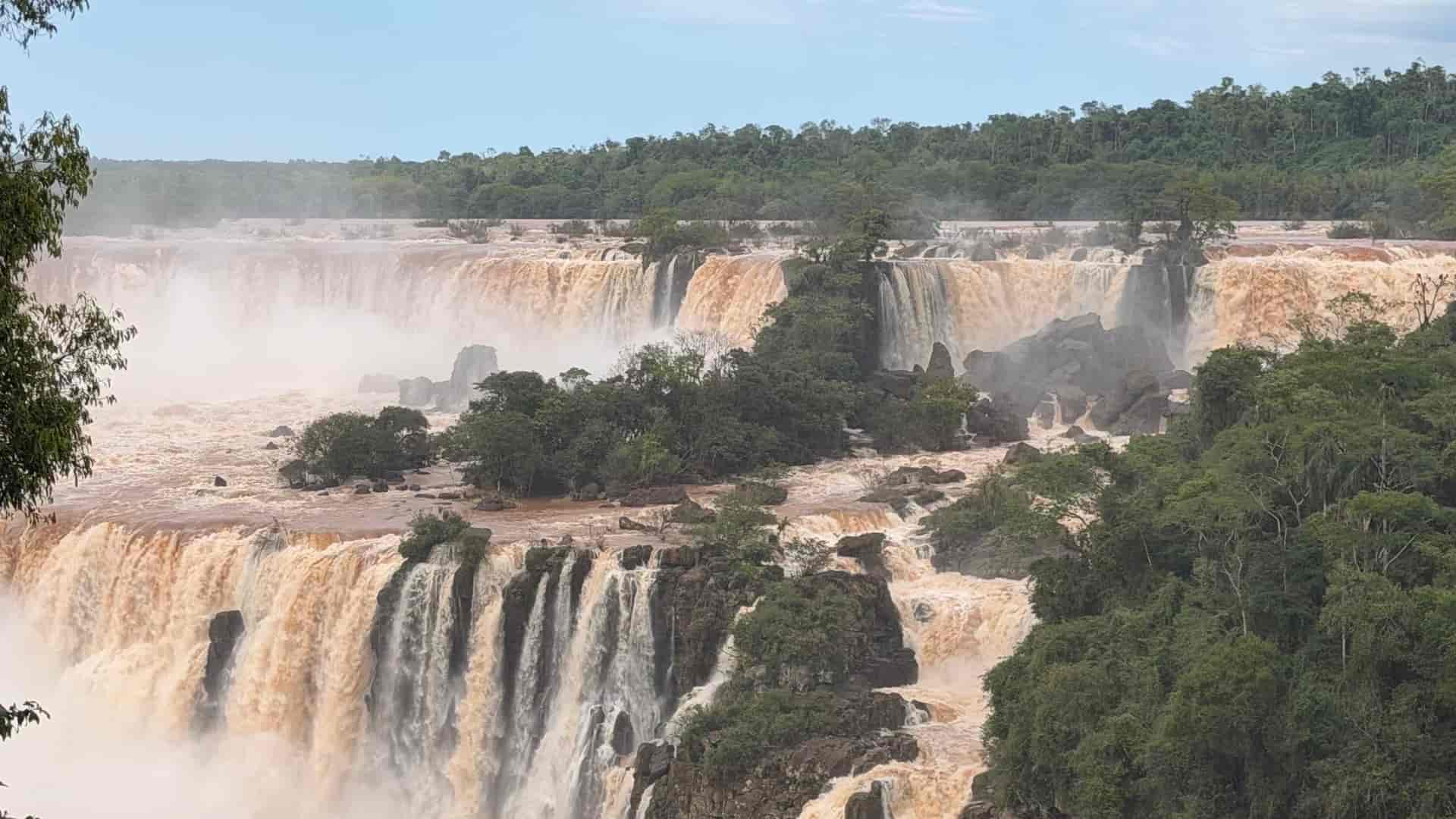
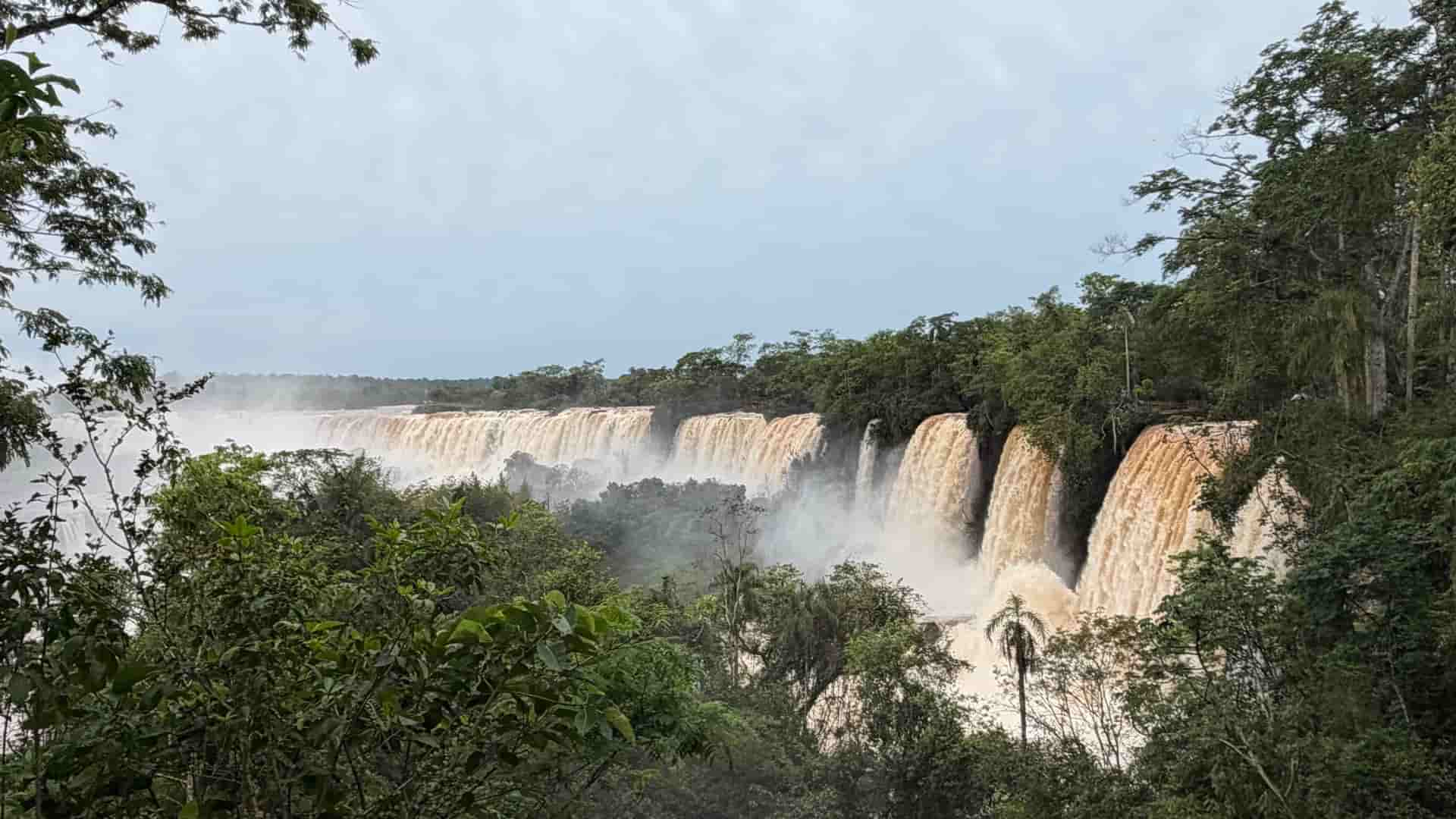
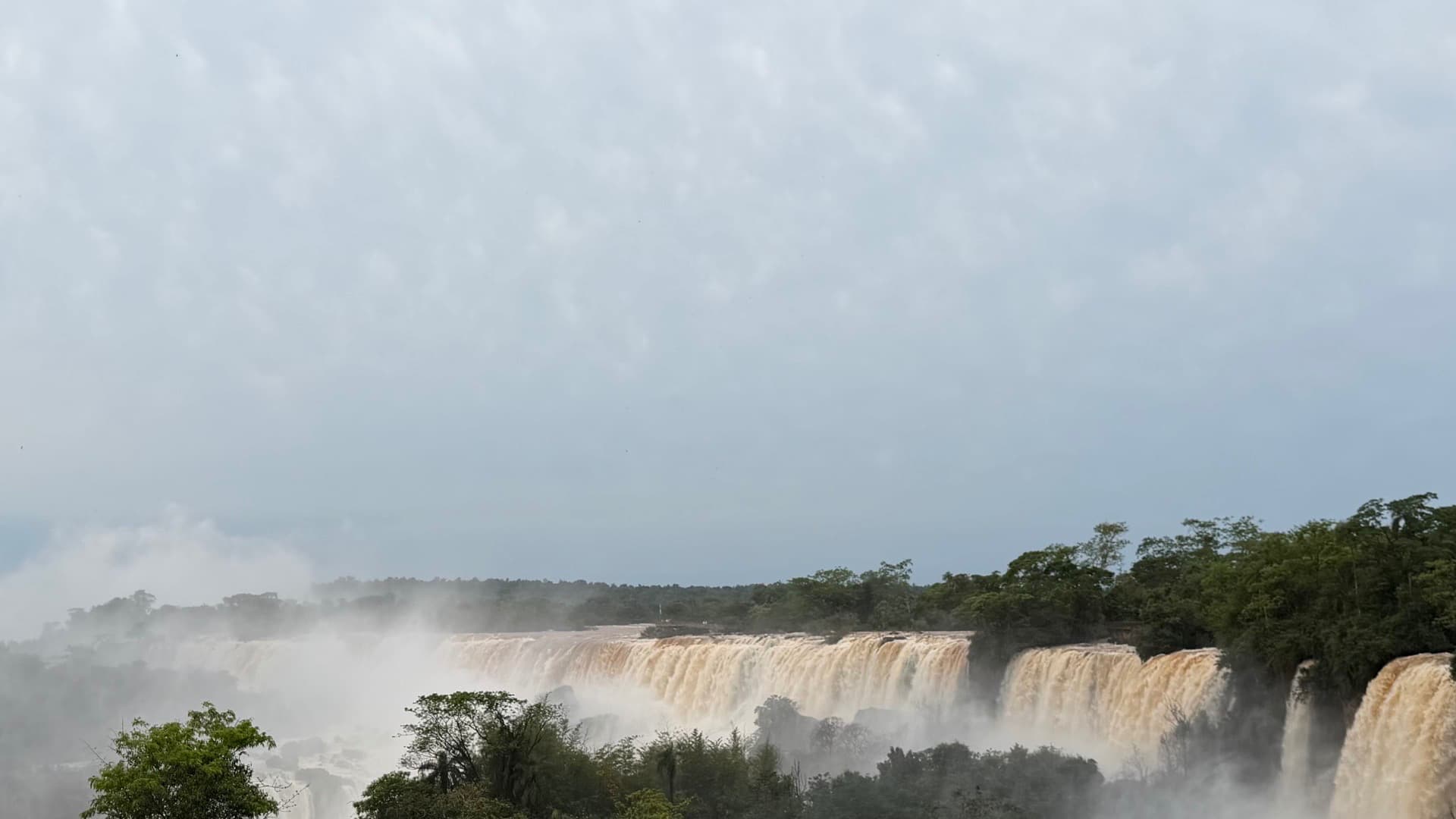
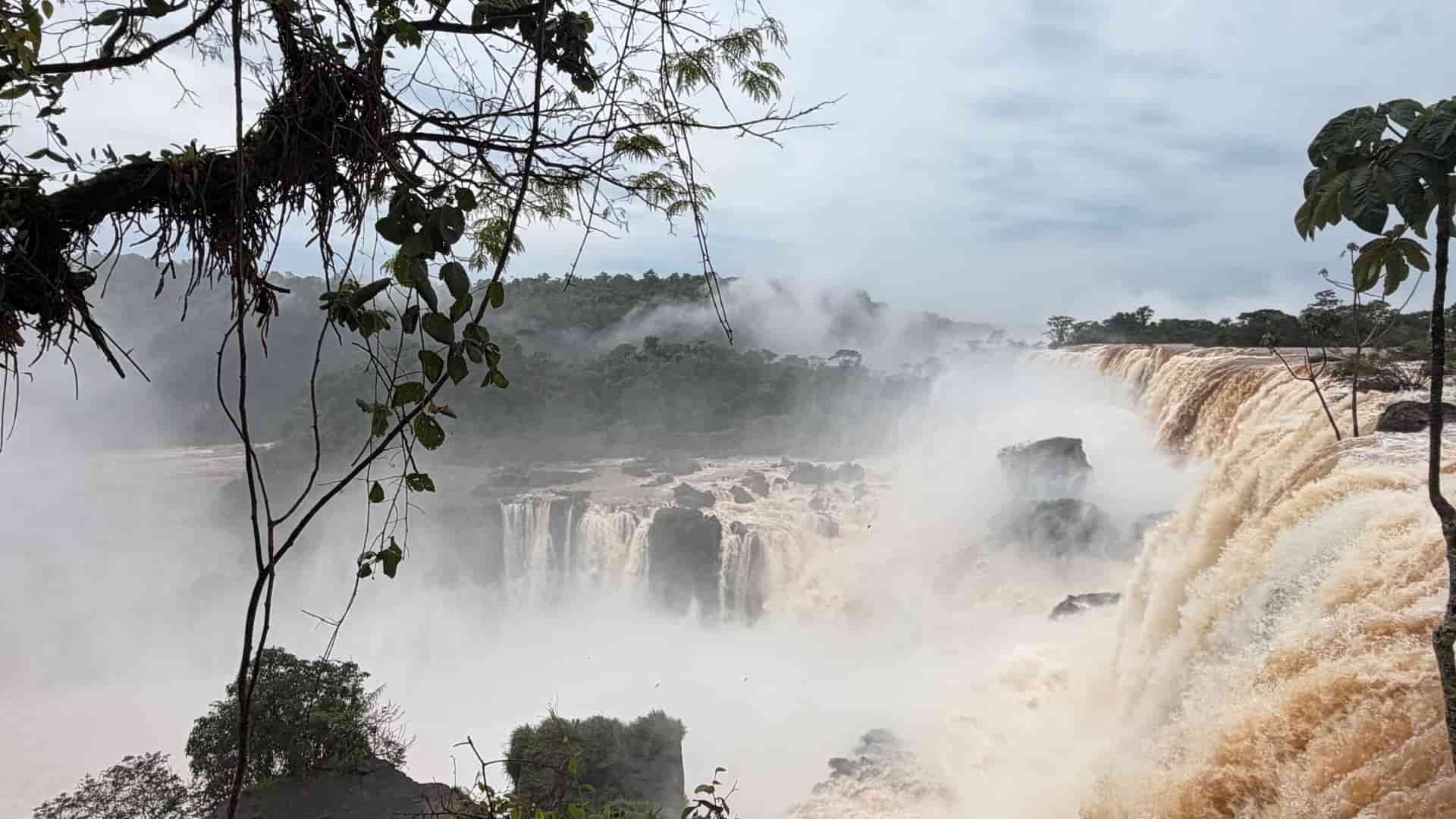
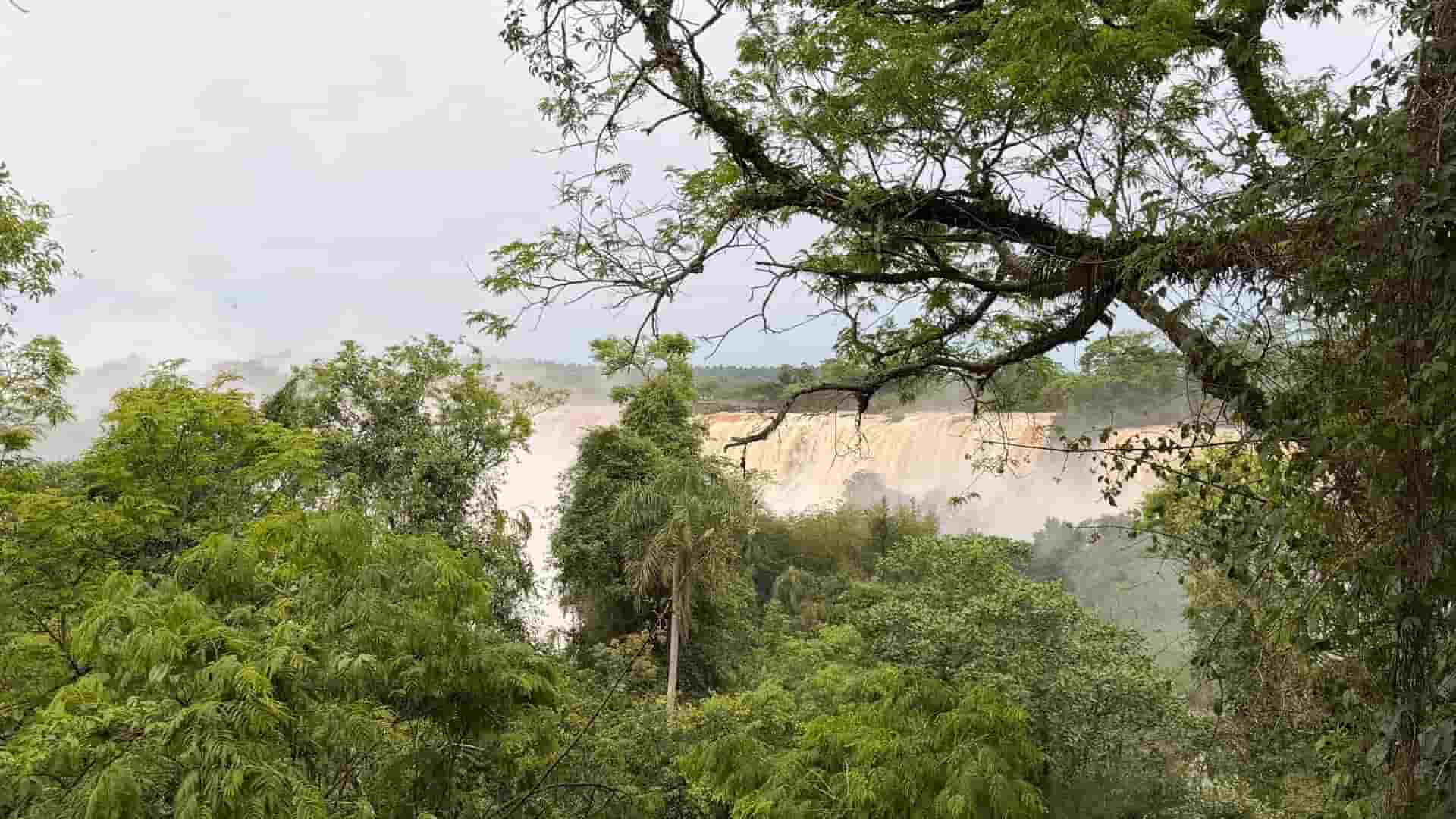
Cold spray coats the skin instantly. Standing high on the narrow steel catwalk above the Devil’s Throat, iron gridlines vibrate against heavy boots while a two-and-a-half-kilometer crescent of swollen river smashes eighty-two meters straight into the jagged chasm below. Ozone stings the nostrils, sharp and wet, mixed with the dark smell of damp earth and rotting jungle leaves. Sunlight splits through the rising cloud of vapor, throwing violent double rainbows across the blinding white foam. A landscape of pure motion.
Water does not merely fall here; it attacks the stone. Great Dusky Swifts dart through the thunderous curtain, nesting on wet basalt cliffs where no land predator can ever follow their flight. The roar hums directly through human bone, a low frequency that drowns out speech and forces the chest to match its rhythm. Red mud clings to canvas shoes, staining them with the rust of an ancient continent. Wet iron and wild river define every single breath.
Act II: The Conflict and the Memory
Stone holds long memories. One hundred thirty-two million years ago, during the Early Cretaceous epoch when supercontinents split, massive volcanic rifts flooded this basin under thick layers of molten basalt. The river spent millions of years clawing through those hardened lava sheets, undercutting soft sedimentary rock to pull the cliff face backward. In 1541, while Spanish conquistadors marched through uncharted jungles seeking gold, Cabeza de Vaca heard the deafening roar from miles away and claimed the waters for his monarch. Yet long before European boots trod this red clay, the Guaraní people mapped the river's pulse, naming the abyss Yguasu to honor the great waters.
Modern borders try to fence the thunder. In the late 1930s, while both nations forged their modern identities, Argentina and Brazil established national parks that today safeguard over two hundred forty thousand hectares of Atlantic Rainforest. Upstream dams built in recent decades now alter the water flow during dry months or unleash sudden floods that tear away tourist catwalks. Environmental officers fight to protect apex predators like the jaguar and tapir within a sanctuary pinched by human expansion. Nature demands room that treaties rarely grant.
Reflective Pause
Closing eyes for sixty seconds transforms the spectacle into a pulsing blood-orange light filtered through damp eyelids. A fine mist settles on warm skin, carrying the scent of bruised orchids and river mud. Beneath the overwhelming roar, a secret world emerges in the darkness as swift wings cut through the spray.
Act III: The Revelation
Time changes how we look at water. Returning after sixteen years reveals that while the fundamental shock of the abyss remains absolute, the river faces a volatile future of extreme weather and altered currents. Re-engineered catwalks now unbolt during catastrophic floods, yielding gracefully to the river's mass rather than fighting its weight. The spectacle humbles human pride by showing that our bridges and borders are brief guests on an ancient volcanic shield. Water always wins the long argument.
Stand long enough at the precipice and human chatter fades into the red earth. The continuous roar cleanses the mind of trivial noise, leaving only the cold spray on your cheeks and the deep thrum of basalt beneath your feet. We do not conquer such places; we merely witness their restless carving of the earth. Cold spray coats the skin as the river flows onward, carrying red mud and ancient stone into deep memory.