Fast Facts for the Modern Explorer
- Direct Definition: An endangered desert oasis fed by a subterranean aquifer, nestled in the hyper-arid coastal sands of southern Peru.
- Current Relevance: A battleground between intensive industrial agriculture and fragile hydrological conservation, now preserved through artificial groundwater recharge.
- Practical Duration: Spend two days to absorb the shifting shadows of the dunes and the quiet, cool air of the evening lagoon.
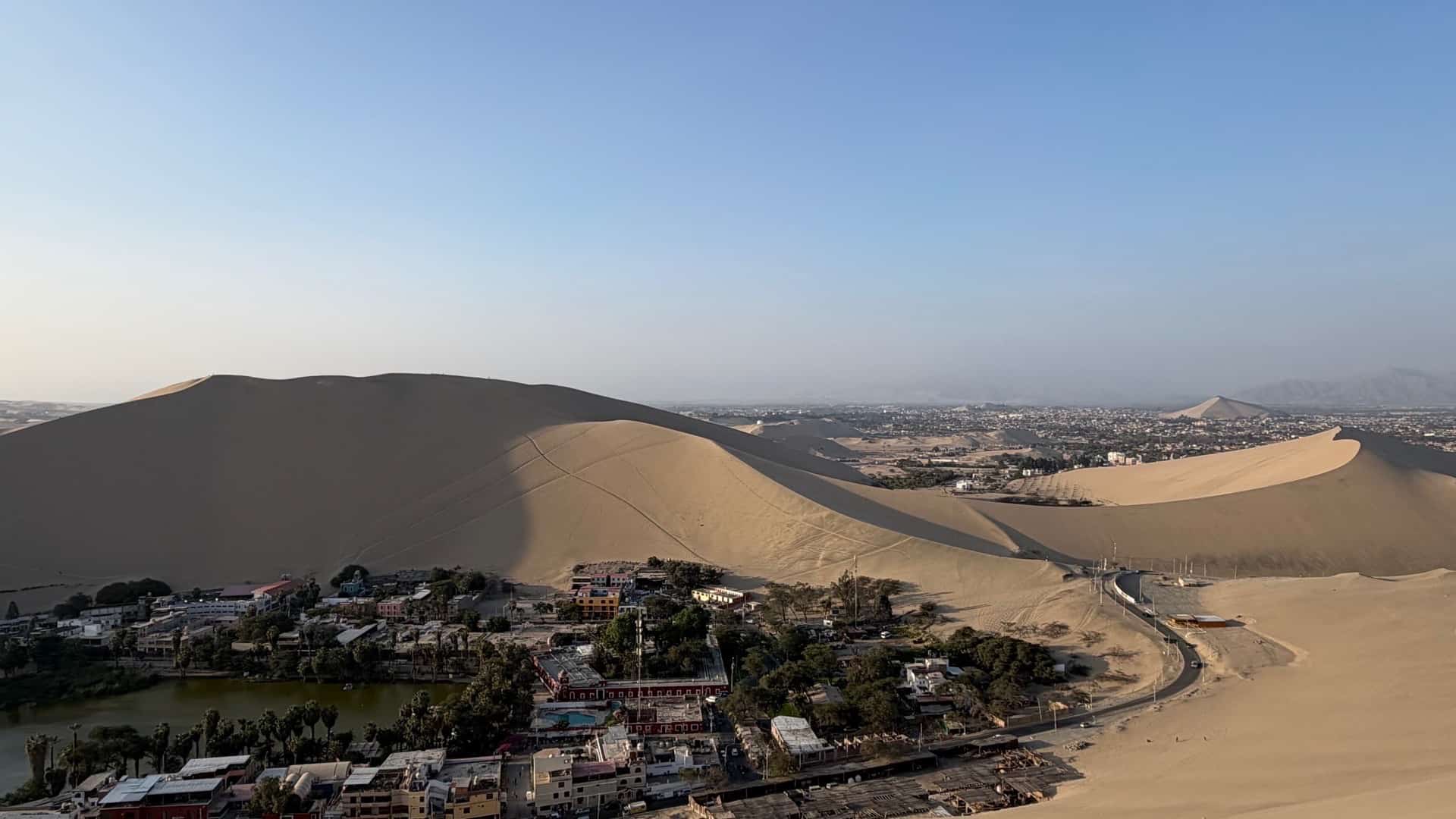
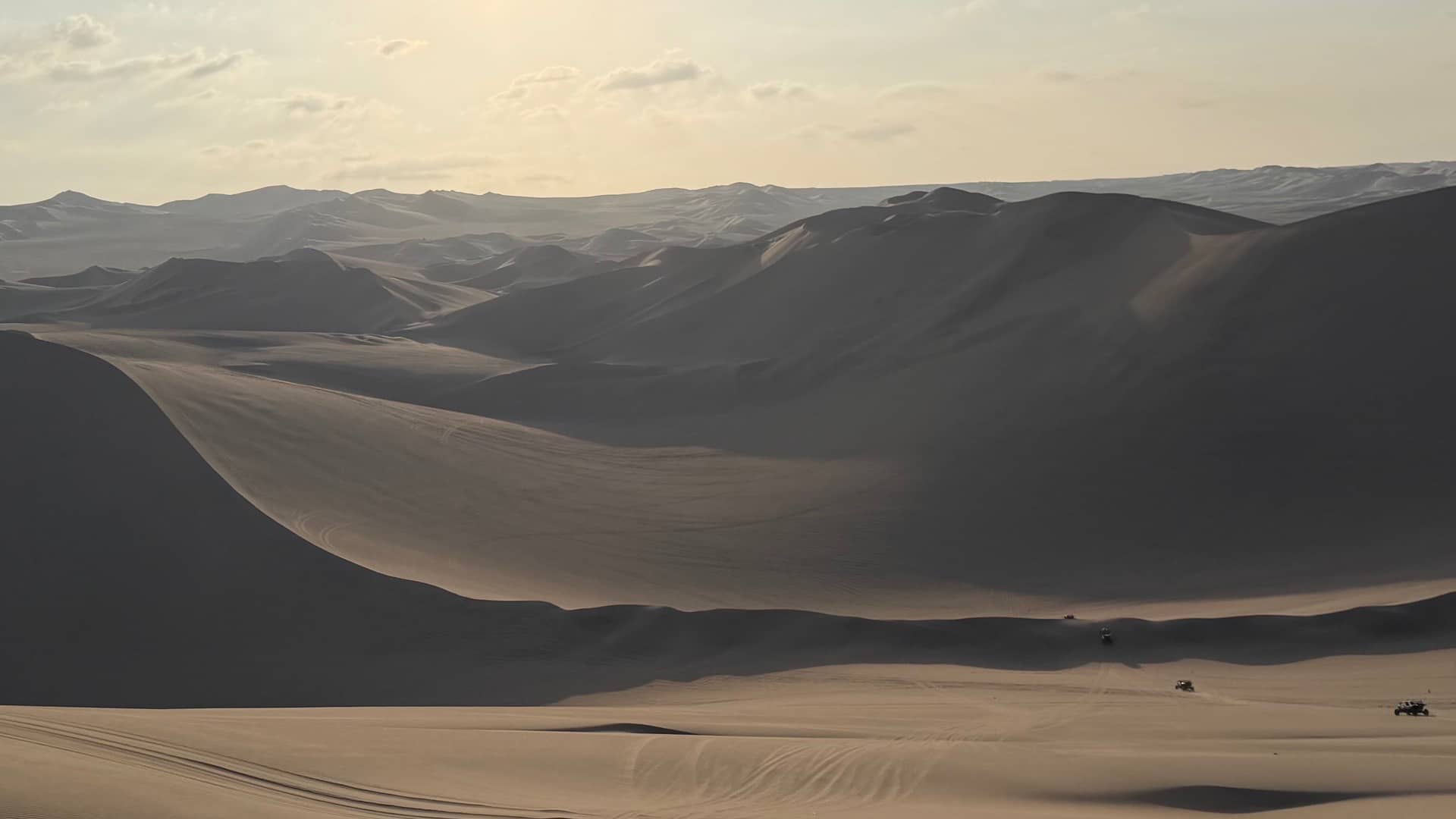
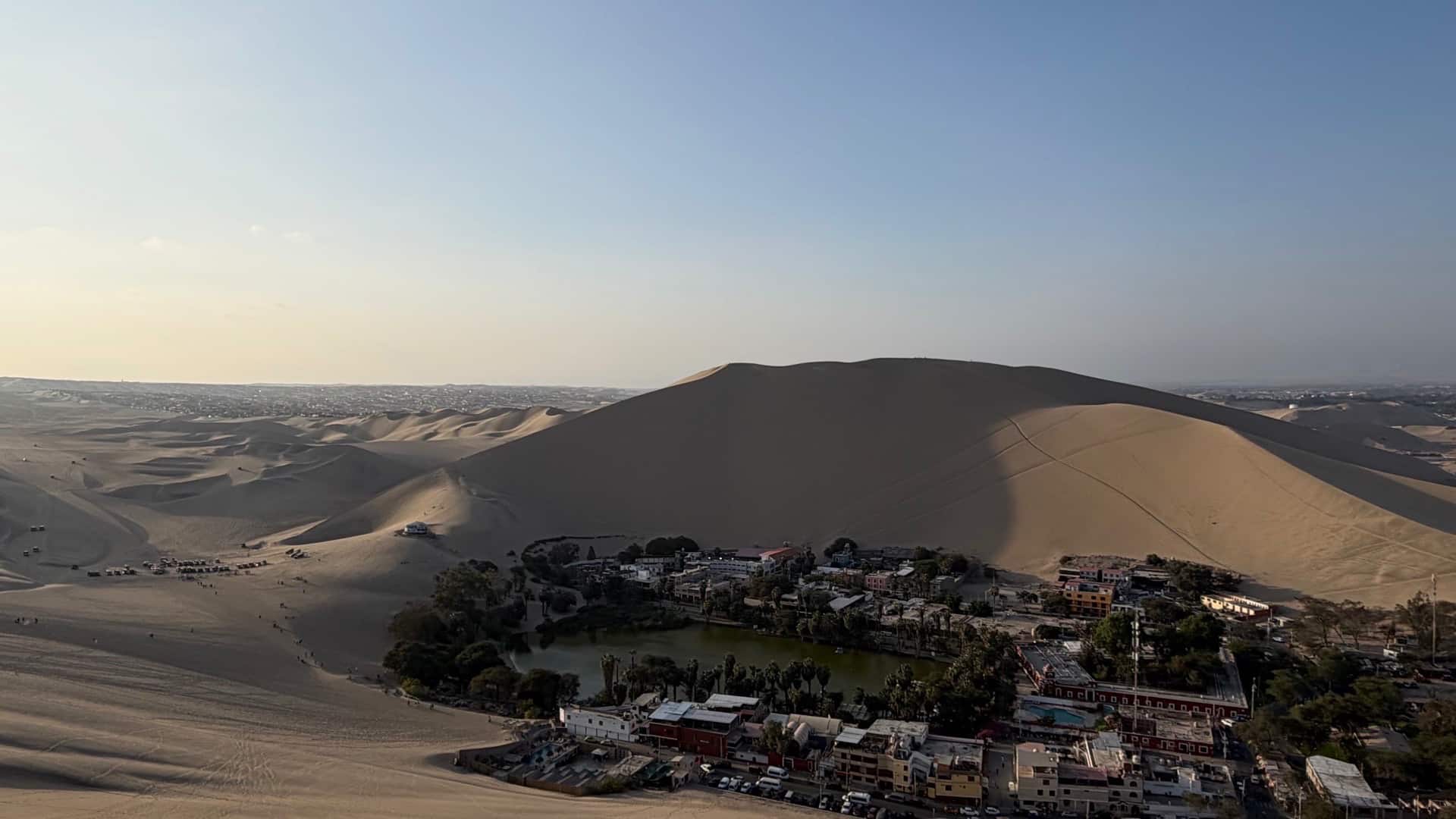
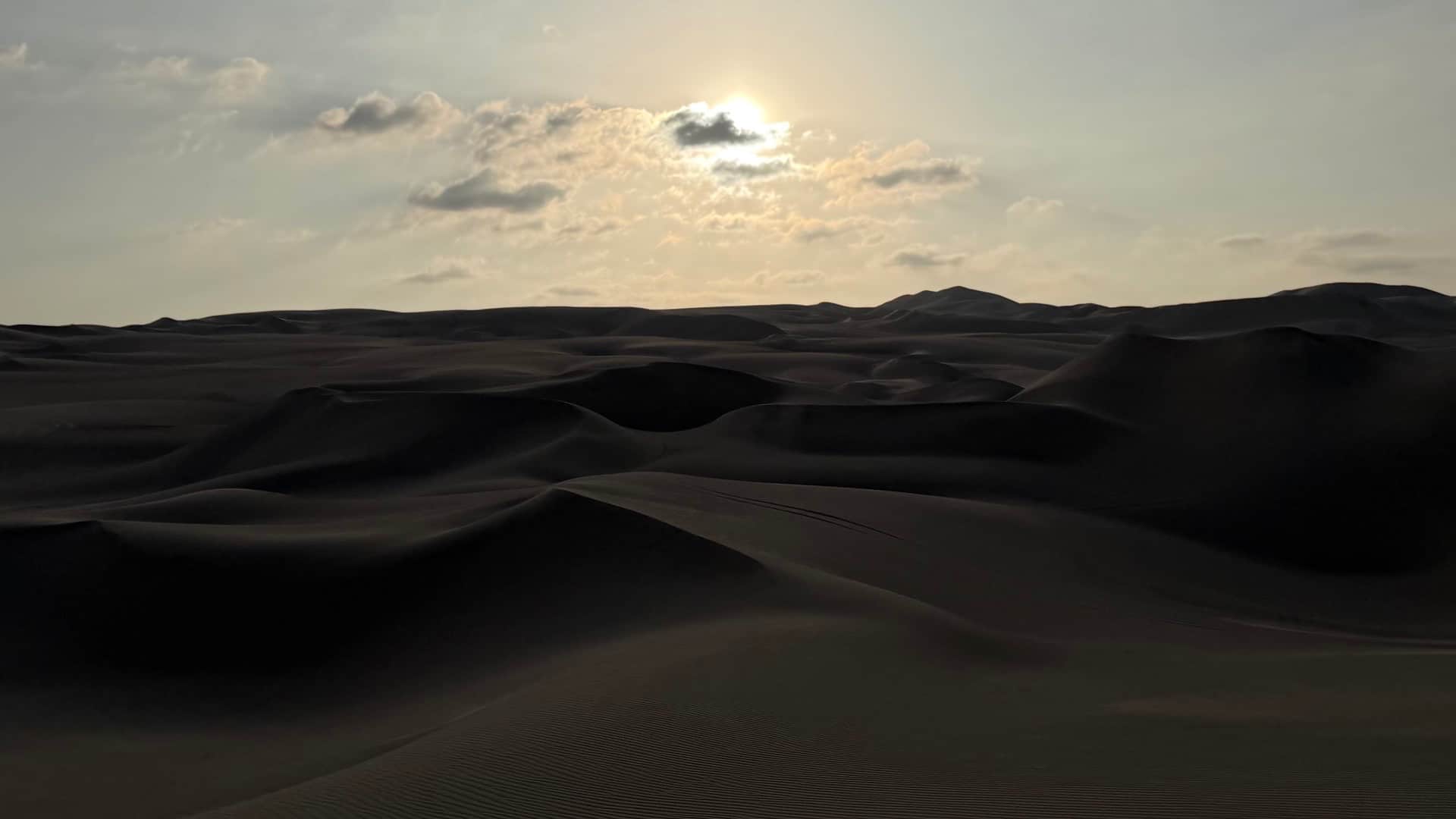
The dry sand tastes of old salt. As the fierce afternoon wind rises, cold drafts from the nearby Pacific sweep over two-hundred-meter ridges of golden silica, carrying the sharp, sulfurous smell of damp earth and rotting weeds from the green pool below. We walk slowly along the crumbling stone malecón, our fingers tracing the cool, pitted surface of whitewashed balustrades built during the high-society boom of the nineteen-twenties when elites flocked to these healing waters. A grand, fading relic of coastal grace.
Water is a phantom here. Nestled three hundred kilometers south of Lima, this delicate green eye had survived since the rise of the Paracas weavers in eight hundred BCE, until industrial agriculture in the late nineteen-eighties tapped the deep aquifers to feed massive grape estates. Modern engineers now pump fresh groundwater from deep regional wells five kilometers away in the city of Ica to stop the emerald pool from drying into a dead crust of salt. A fragile, engineered illusion.
Reflective Pause
A single, dried eucalyptus leaf scrapes across the concrete malecón with the sound of a dry tongue. The low sun catches the fine, golden dust hanging in the air, turning the rising heat into a thick amber glaze. In the shadow of a weeping willow, the green water laps against the stone bank, slow and heavy as oil.
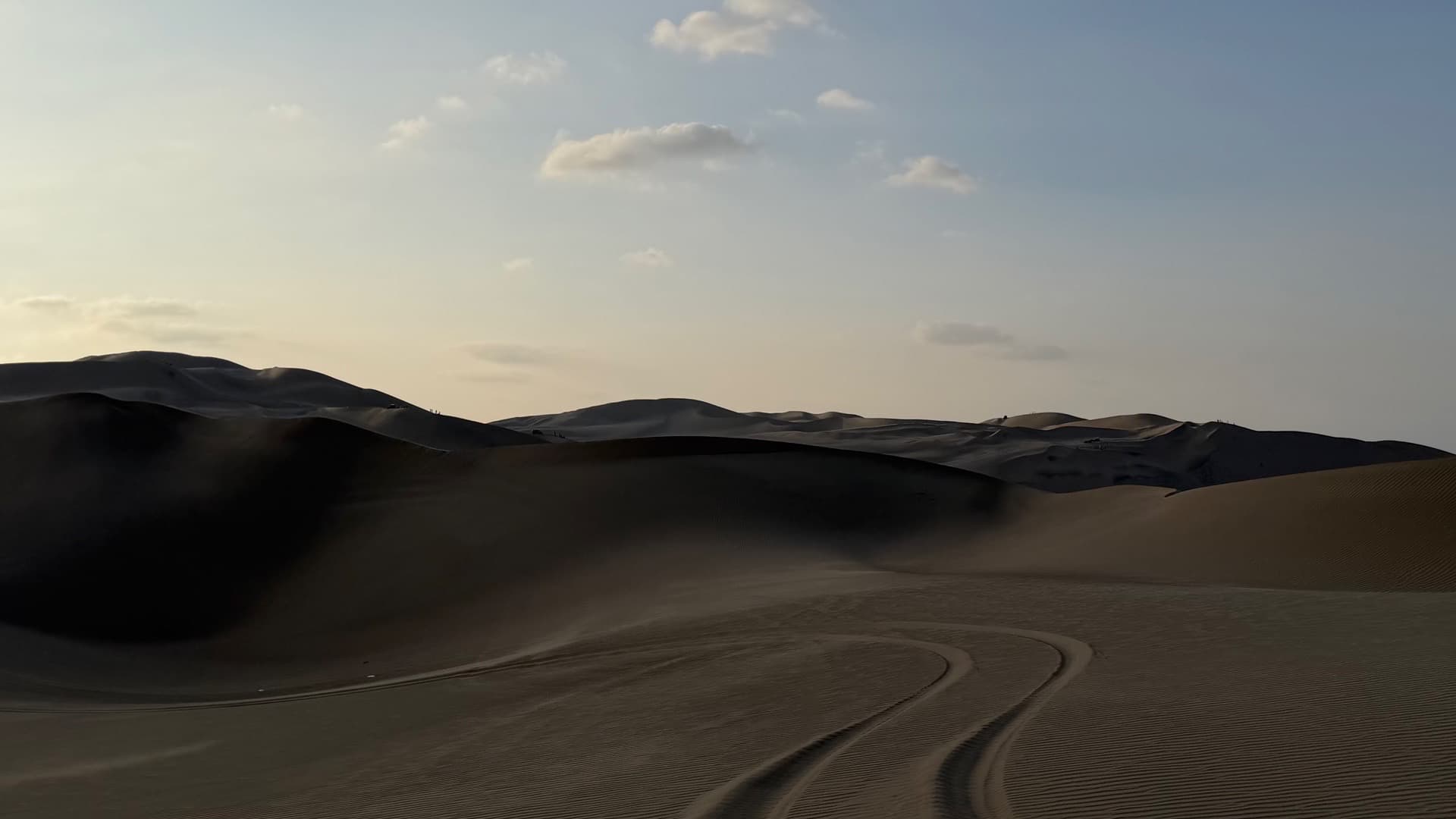
The mind finds quiet clarity. Beneath the roar of off-road buggies tearing through the high bowls of sand, you realize that this oasis survives not as a wild wonder, but as a monument to human stubbornness and our deep-seated need for green sanctuary in the void. Close your eyes for sixty seconds, and the roaring engines fade into the low, rhythmic sigh of wind carving the ridges, leaving only the dark outline of the weeping maiden printed on your eyelids. The desert always wins.
The mermaid still calls. As night falls and the dry desert air turns bitter cold, the sulfur-tinged water glows under the rising moon, acting as a dark emerald mirror held up to the towering, silent ridges of silica that threaten to swallow this pocket of life whole. We are all desperate travelers standing on this engineered shore, seeking a cure for our own parched spirits in an ancient pool born of legendary tears. Will we save her, or let the shifting sand claim her last sigh?