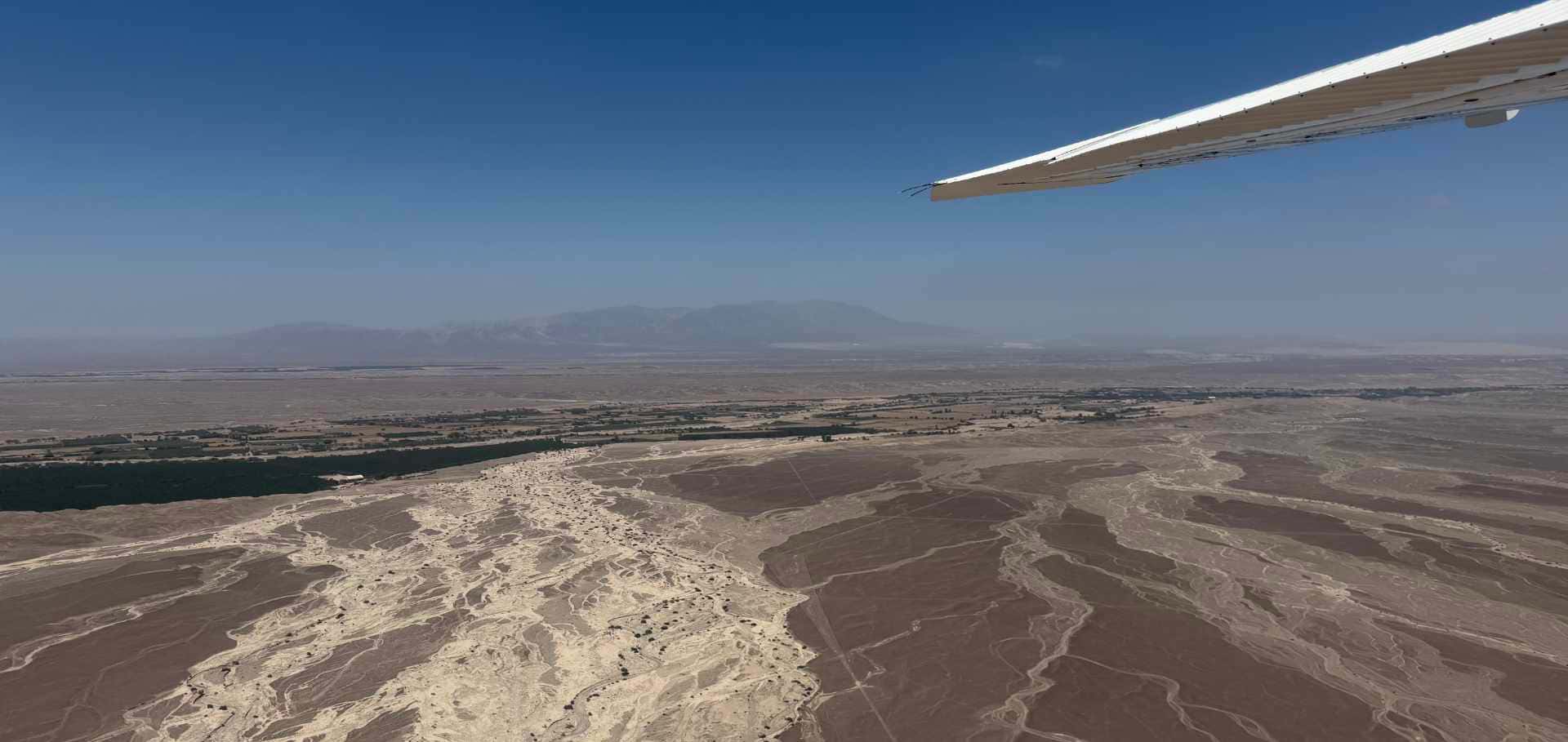
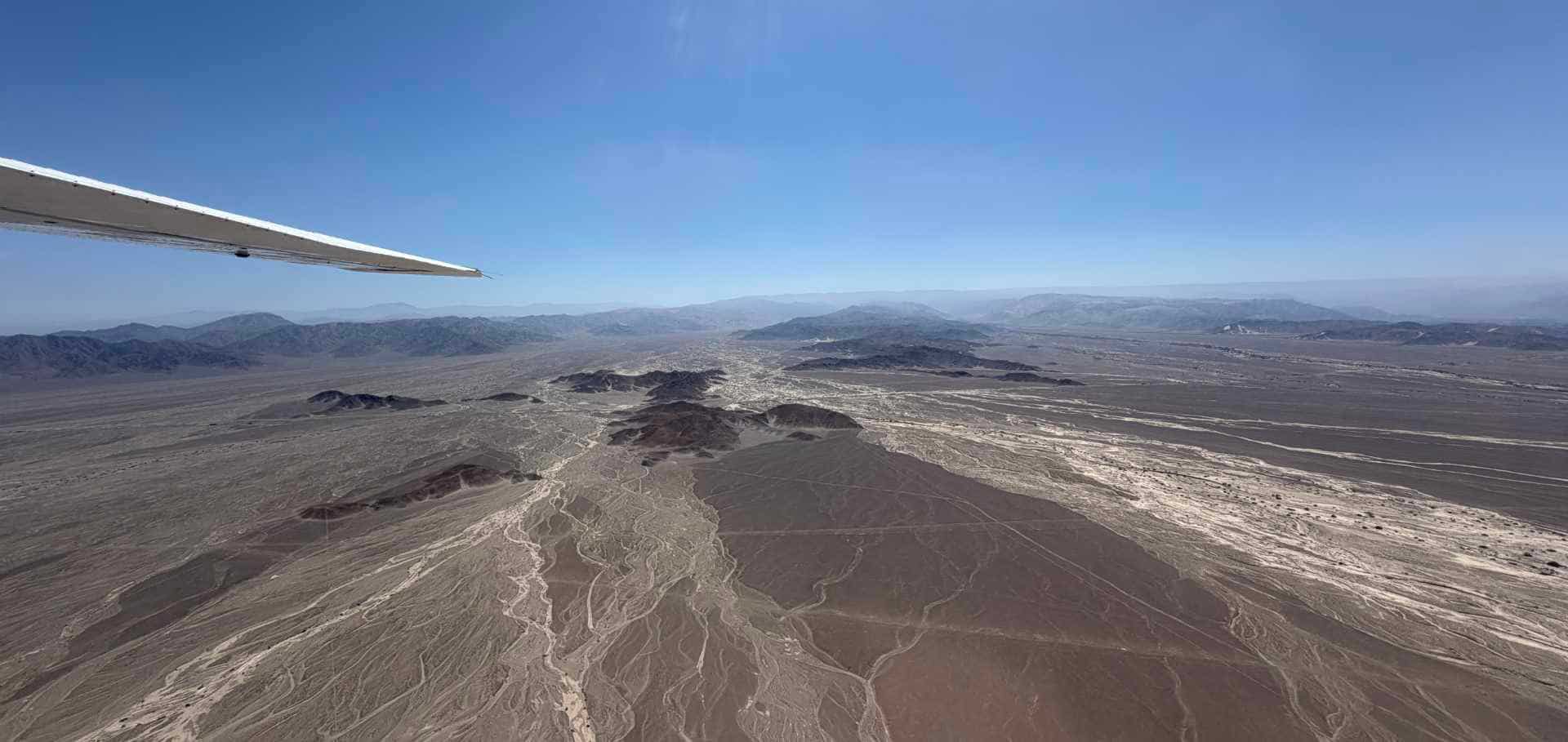
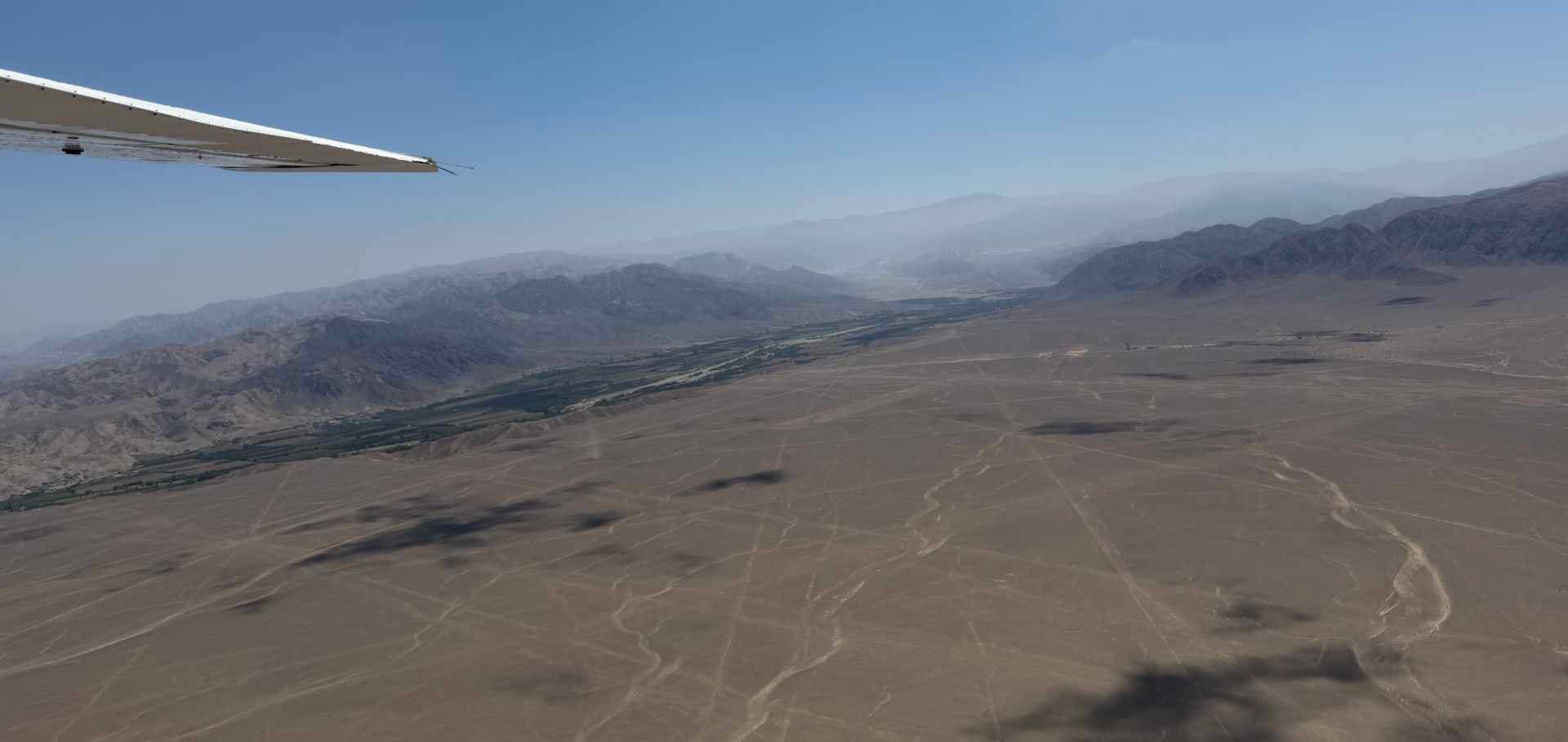
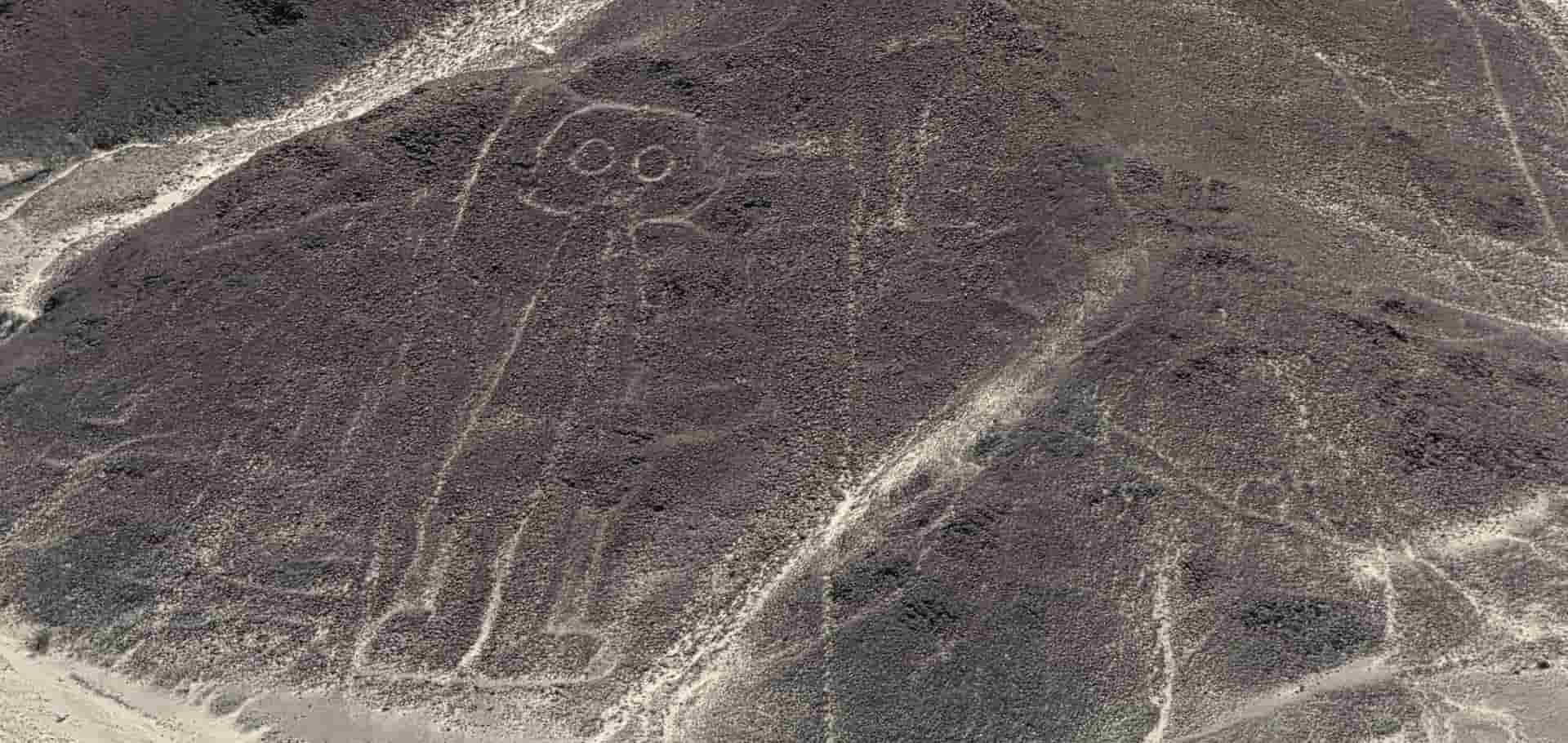
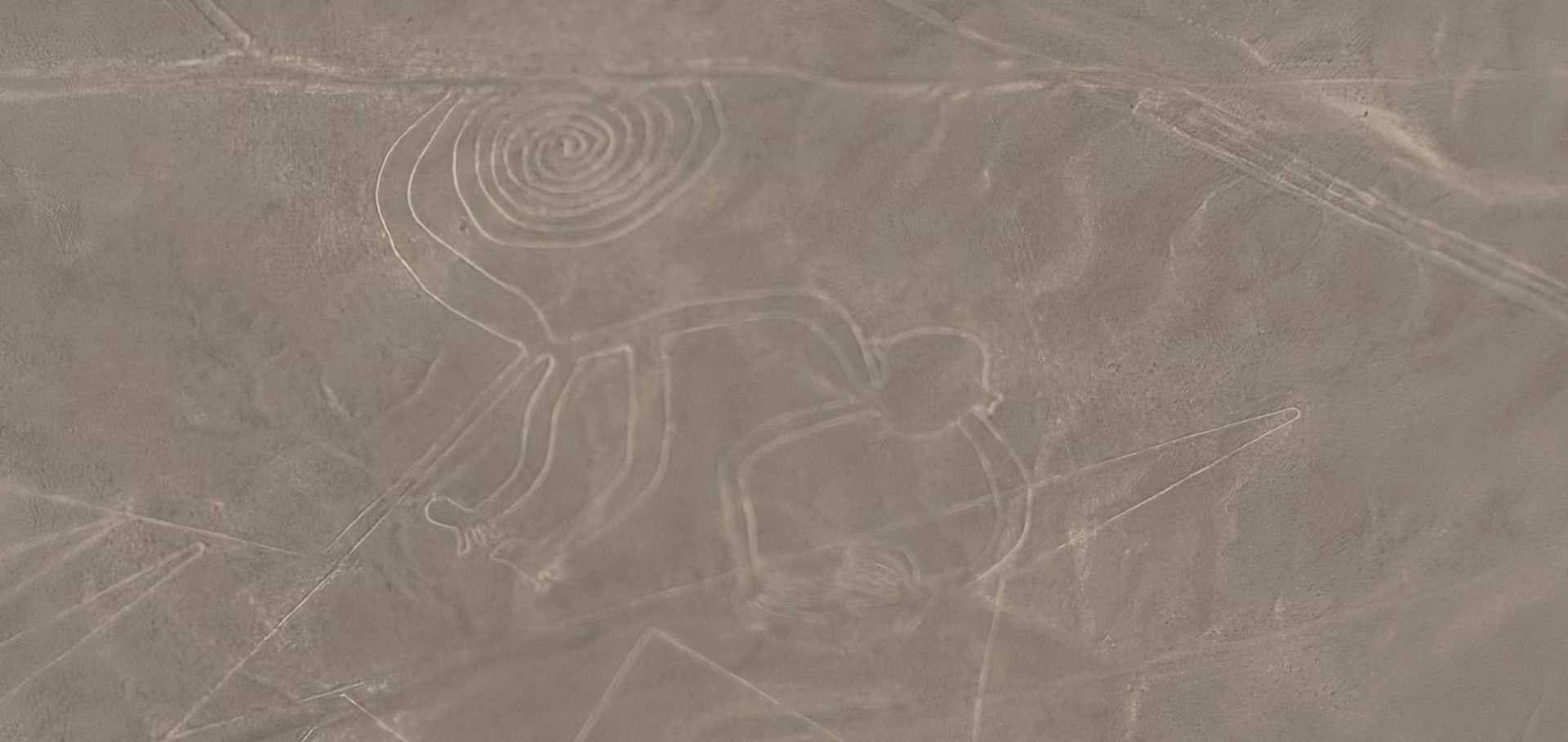
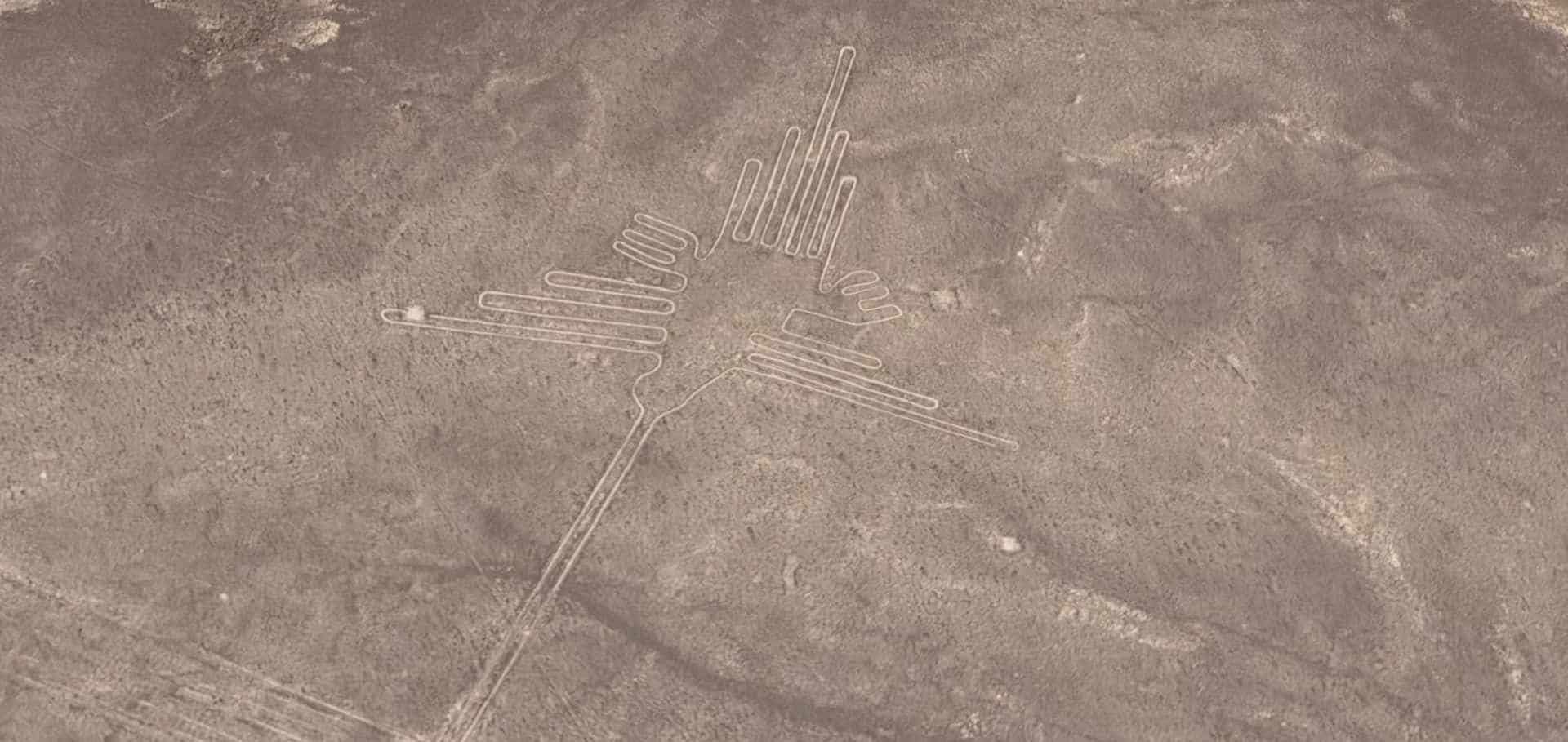
From three hundred meters above, these pale-yellow scars form an archive of human devotion etched into the driest plateau on our planet. This is not art made for human eyes, but a grand appeal written in dust to cosmic powers. To look down upon these massive figures is to feel a dizzying, terrifying pull across thousands of years. They stand as a testament to a society that refused to conquer its arid home. A direct link to forgotten gods.
Fast Facts for the Modern Explorer
- Direct Definition: The Nazca Lines are a series of gargantuan geoglyphs cleared from the Peruvian desert floor.
- Current Relevance: Encroaching modern infrastructure and shifting weather patterns threaten these fragile geometric pathways.
- Practical Duration: A flight over the plains takes thirty minutes, though their mystery demands days of overland reflection.
Act I: The Scene
The small airplane shakes violently. As the pilot dips the wings thirty degrees, the vast, scorched plain of southern Peru reveals giant yellow scars cut with flawless mathematical precision into the dark iron-oxide gravel. These massive lines do not merely sit on the ground; they actively carve the dry earth into a giant slate of human longing. We stare down at a hummingbird spanning one hundred and thirty meters, its frozen wings defying fifteen centuries of wind. A silent prayer etched in stone.
The parched air smells of fuel. During the peak of the classical Nazca period around five hundred CE, workers scraped away the dark, sun-baked pebbles to reveal the pale, gypsiferous soil beneath, creating a stark contrast. This hostile plain, receiving less than four millimeters of rain each year, preserved their labor through a freakish microclimate of rising hot air. The dark surface stones absorb the brutal noon heat to deflect the fierce Pacific winds. A natural shield against the wind.
Act II: The Conflict and the History
We must abandon our modern eyes. When the German mathematician Maria Reiche arrived in nineteen forty, she spent five decades sweeping these lines with a household broom, believing they formed a massive astronomical calendar aligned with the winter solstice. Recent excavations at the ceremonial clay pyramids of Cahuachi show these pathways served a more urgent, earthly purpose of rain-making rituals. Priests shattered clay pots and scattered ocean shells at the dusty intersections to beg their mountain gods for water. A desperate dance against drought.
Reflective Pause
A single red pebble rests cold against my palm, its underside still pale with gypsum dust. The desert wind makes no sound here, whistling only when it hits the plane’s metal wing. In this silence, the earth feels like a drum waiting for the first drop of rain.
Act III: The Insight
The quietness runs deep. If you close your eyes for sixty seconds on this wind-scraped plateau, you do not hear the gale, but you see the sharp, glowing white lines cutting through dark gravel behind your hot eyelids. This is not empty wasteland; it is a crowded room of ancestral ghosts pleading with an indifferent, sun-bleached sky. The ancient Nazca did not seek to conquer this harsh nature, but to invite the dry earth into a grand, visual conversation. A raw dialogue across centuries.
The plane turns home. As we leave the hot, oily draft of the cabin behind, the red iron-oxide plains fade back into a blur, hiding the giant spider that has clawed at the salt-white soil for thousands of years. We must ask ourselves if our own towering concrete highways will survive fifteen centuries, or if they will merely crumble into nameless, forgotten dust. Our modern scars on the earth lack the sacred geometry of these ancient lines. Leaving no worthy trace behind.