Fast Facts for the Modern Explorer
- Direct Definition: Imperial Inca citadel complexes and high-altitude agricultural labs engineered under Pachacuti in the 15th century.
- Current Relevance: Active Quechua farming hub and living urban grid facing modern environmental traffic pressures.
- Practical Duration: Two full days required to navigate both ridge citadels and valley floors.
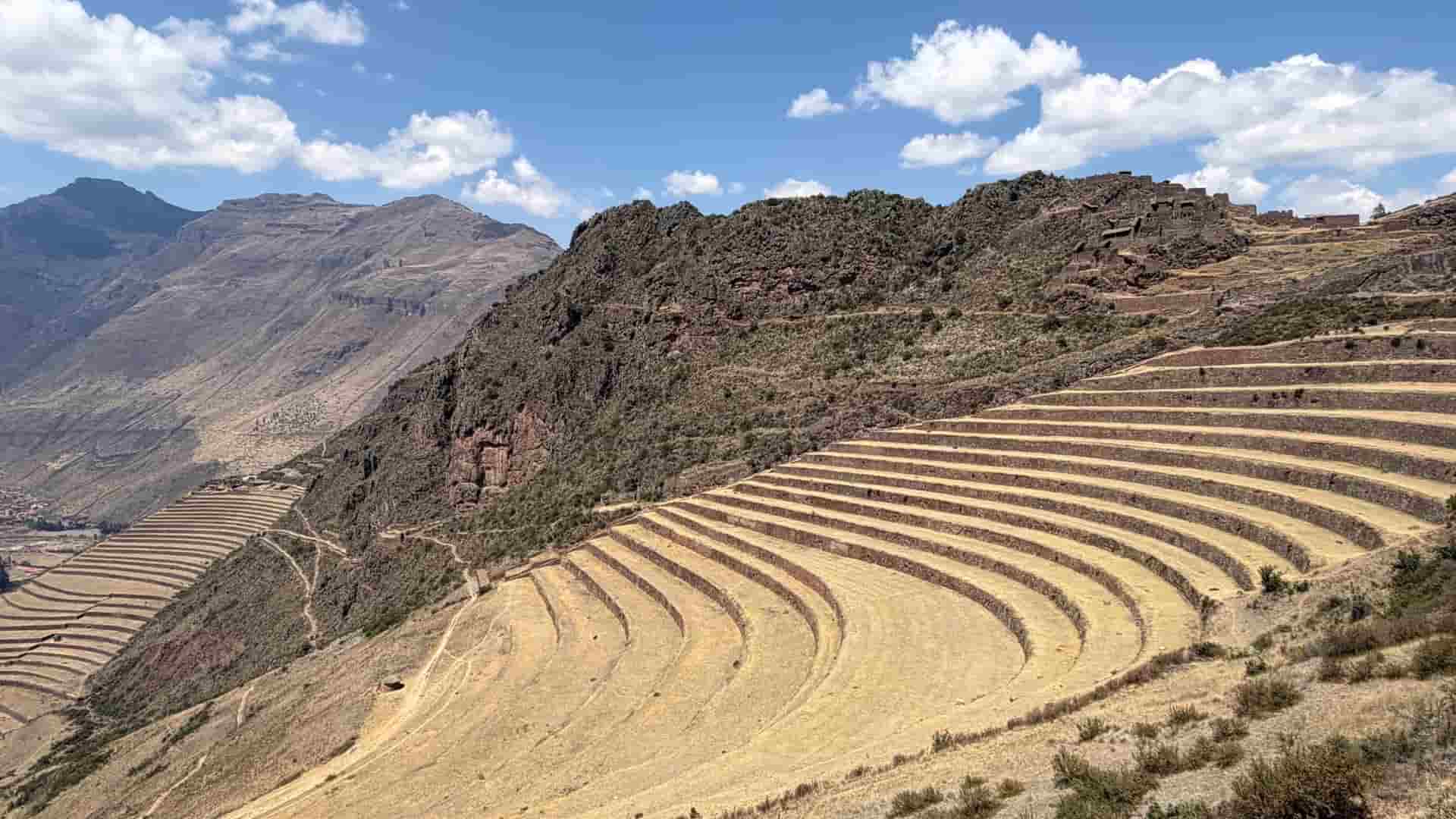
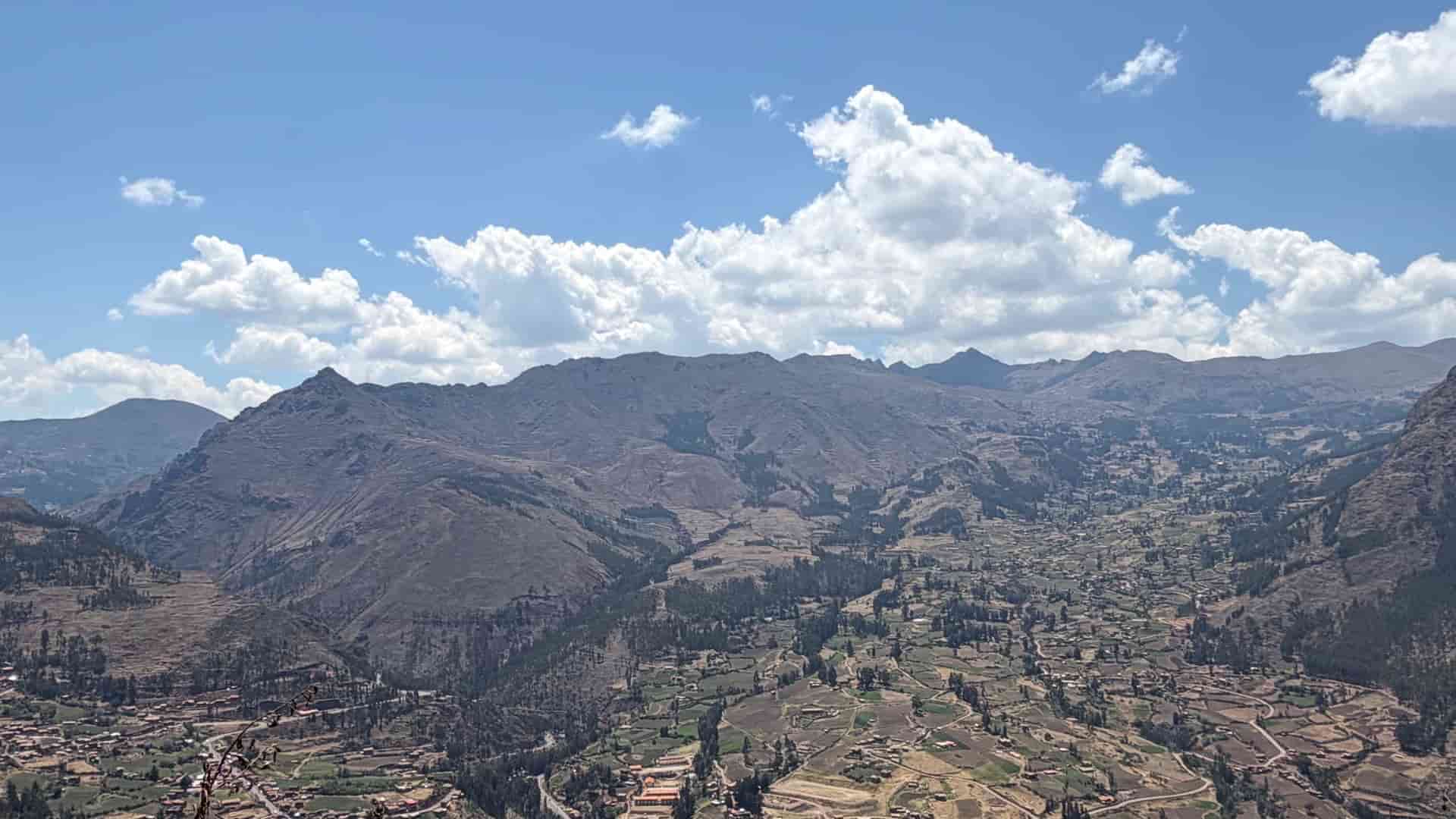
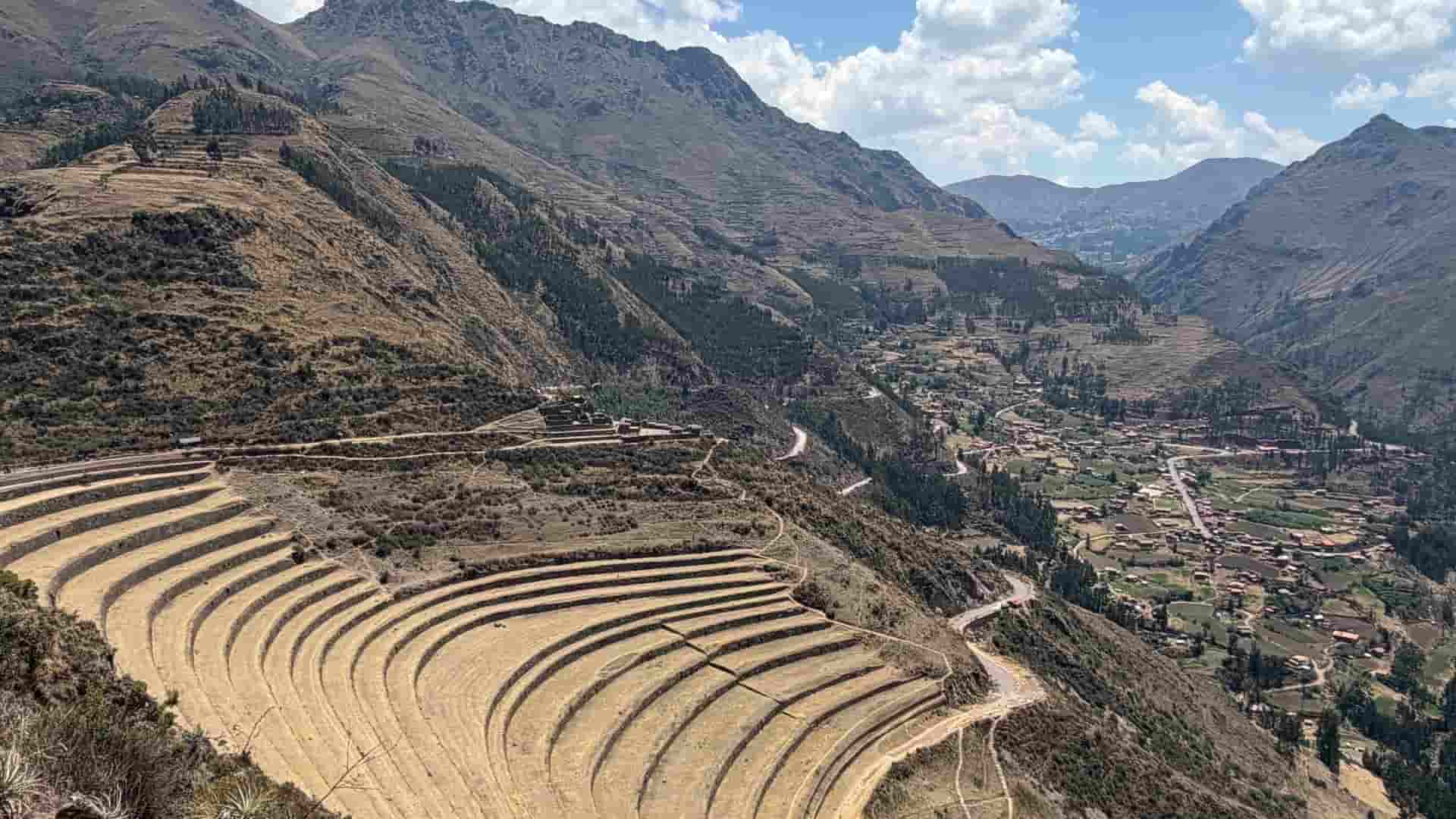
Cold air cuts through worn leather boots. High above the churning gray waters of the Urubamba River, feet grind against coarse slate treads while relentless alpine winds sweep the bitter dust of turned earth across these granite ramparts. Sun-baked stones radiate a fierce dry heat into the thin blue atmosphere, warming the terraced slopes that climb toward jagged peaks. The mountain wilderness yields to relentless human precision. Across this high terrain, the imperial Quechua state carved its ambition directly into bedrock, turning sheer cliffs into balanced stone microclimates that still hold the heat of midday sun long after dusk falls over the valley.
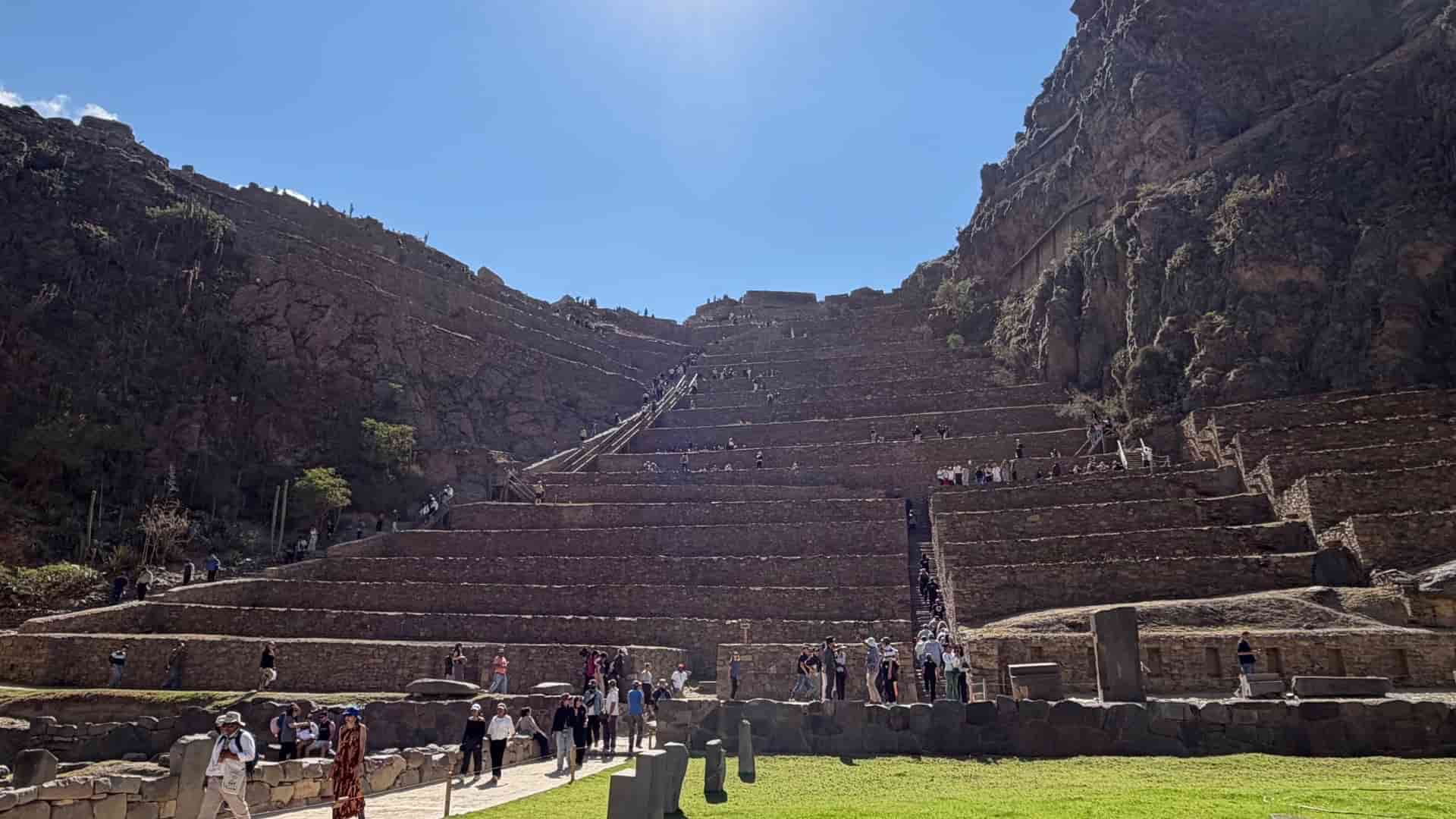
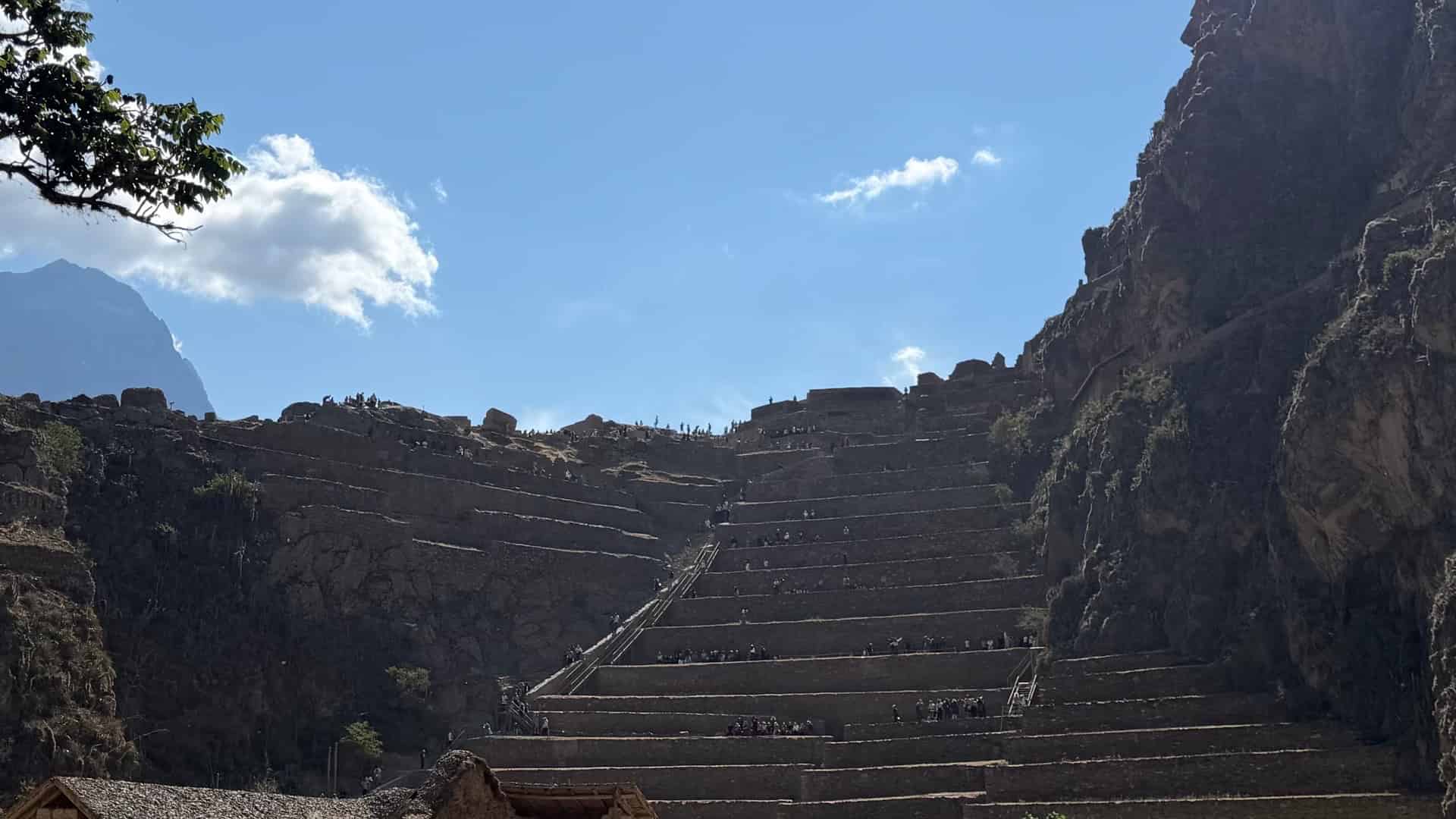
Dust settles into deep stone joints. Around 1440 CE, during the height of Pachacuti Inca Yupanqui’s northern campaigns, state architects reshaped this entire river drainage into a disciplined network of royal estates and fortress choke points. Workers dragged fifty-ton pink granite monoliths across four kilometers of river terrain from the Kachiqhata quarry, raising massive walls atop steep hillsides without draft animals or iron hammers. Deep layers of fieldstone, sand, and rich valley silt filled these broad terraces above 3,000 meters elevation, creating agricultural engines that absorbed solar radiation to defeat night frosts. Mortarless ashlar masonry cushioned every joint against seismic shocks.
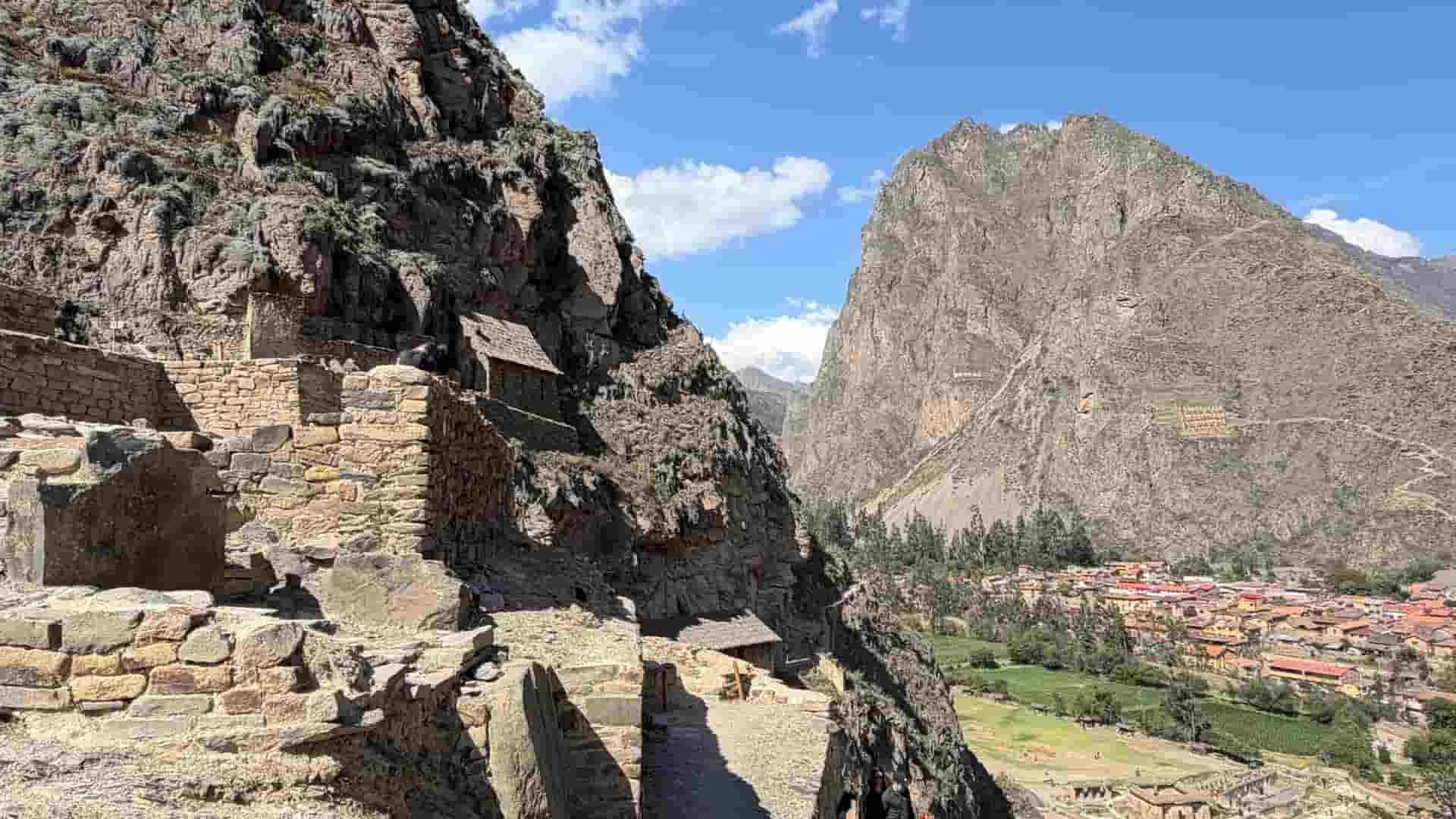
War transformed these agricultural sanctuaries into killing fields. In 1537 CE, during Manco Inca’s desperate anti-Spanish rebellion, the high terraces of Ollantaytambo became a lethal defensive bastion against invading cavalry. Warriors diverted complex irrigation aqueducts to drown the valley floor beneath torrents of mud and water, forcing armored Spanish horses into total retreat. Unfinished stone blocks still lie along the access ramps, abandoned when imperial resistance fractured under siege. The stone town below survived intact, preserving its original residential blocks into our present age.
Reflective Pause
A thin stream of meltwater trickles through a carved granite stone spout, cold enough to numb exposed skin instantly. The polished stone groove shines under the harsh mountain sun, smooth as glass from centuries of rushing water. High overhead, a solitary hawk circles quietly against the shadow of the mountain peak.
Close your eyes for sixty seconds on the high ridge of Pisac, and the visual chaos fades into a singular image of mountain light piercing through trapezoidal stone doorways. The Incas did not merely build upon the land; they sculpted the Andes into a living astronomical instrument that mirrored the celestial path of the Milky Way. Standing at the Intihuatana, where ancient astronomers tied the sun to bedrock during winter solstices, one grasps the true imperial project. Space, water, and stone worked in absolute concert to assert human order over wild geography.
Night descends swiftly over the Urubamba canyon. Today, local Quechua farmers still clear these lower stone channels and tend native maize on terraces engineered half a millennium ago, even as high visitor traffic wears down ancient slate staircases. Below the citadel, travelers gather in mountain shadows over steaming bowls of quinoa soup and icy bottles of local beer, washing down the dust of high trails. The stone walls remain unyielding, challenging every traveler to contemplate how brief human empires truly are against the granite heart of the mountains.