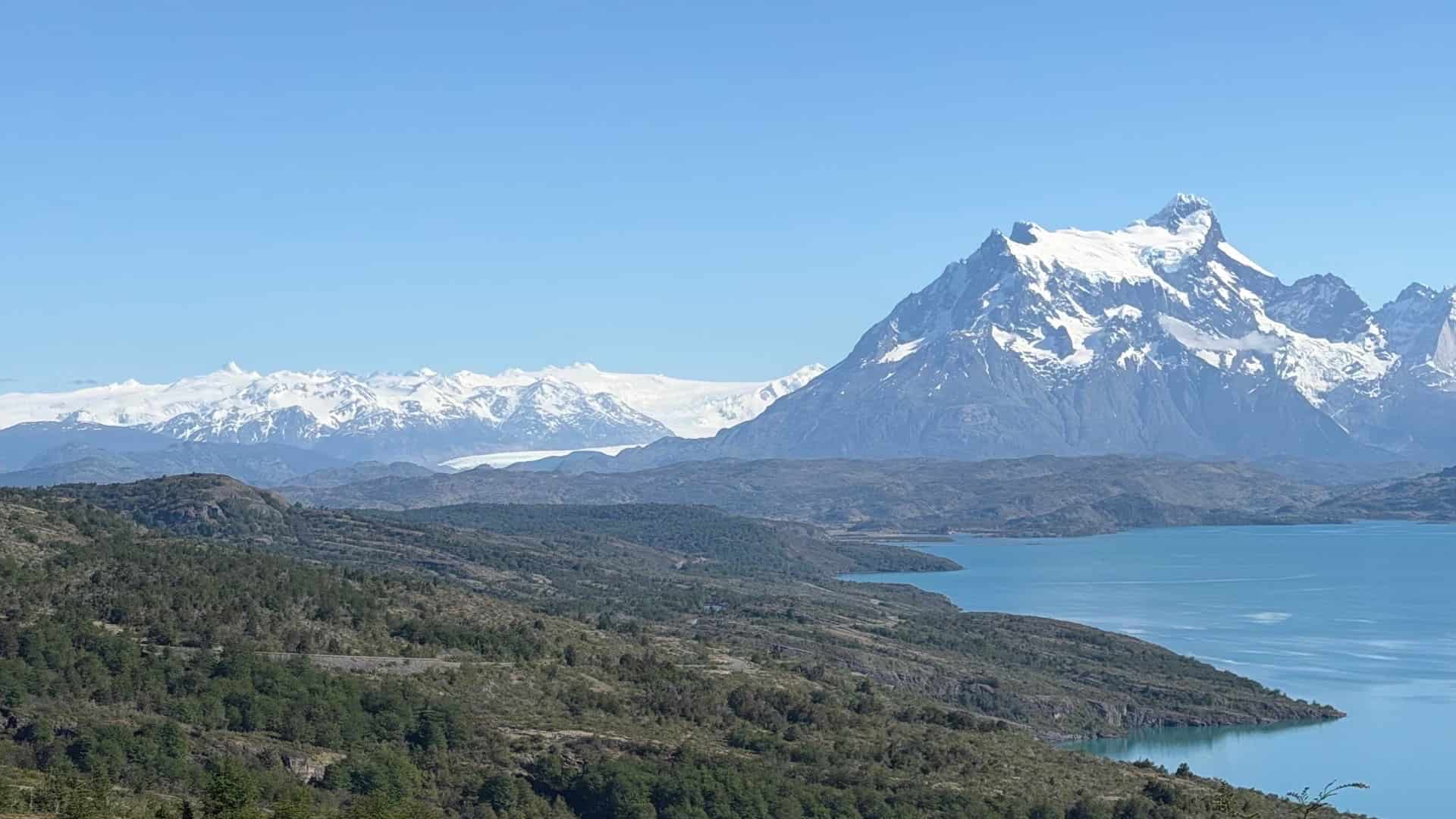
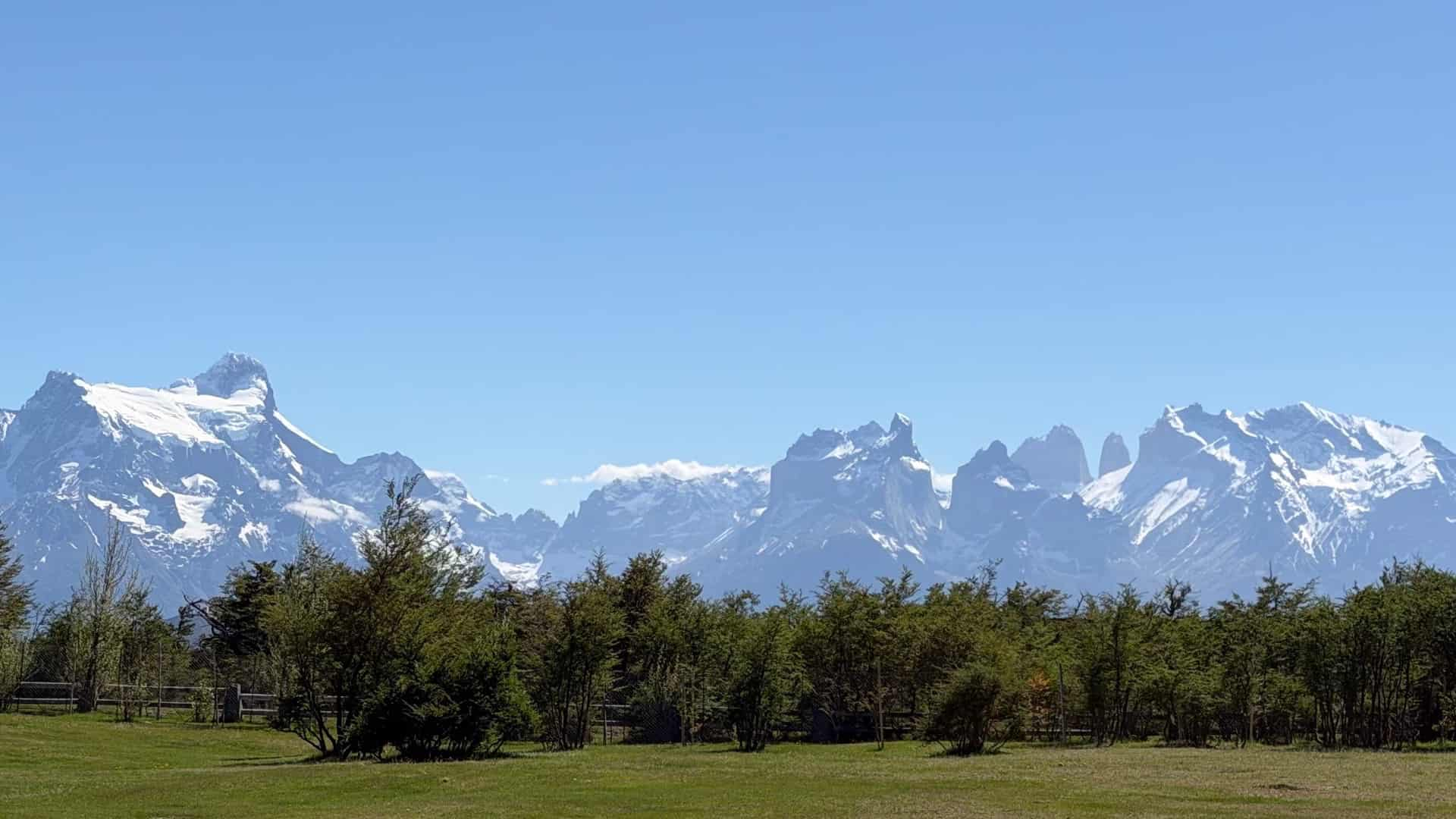
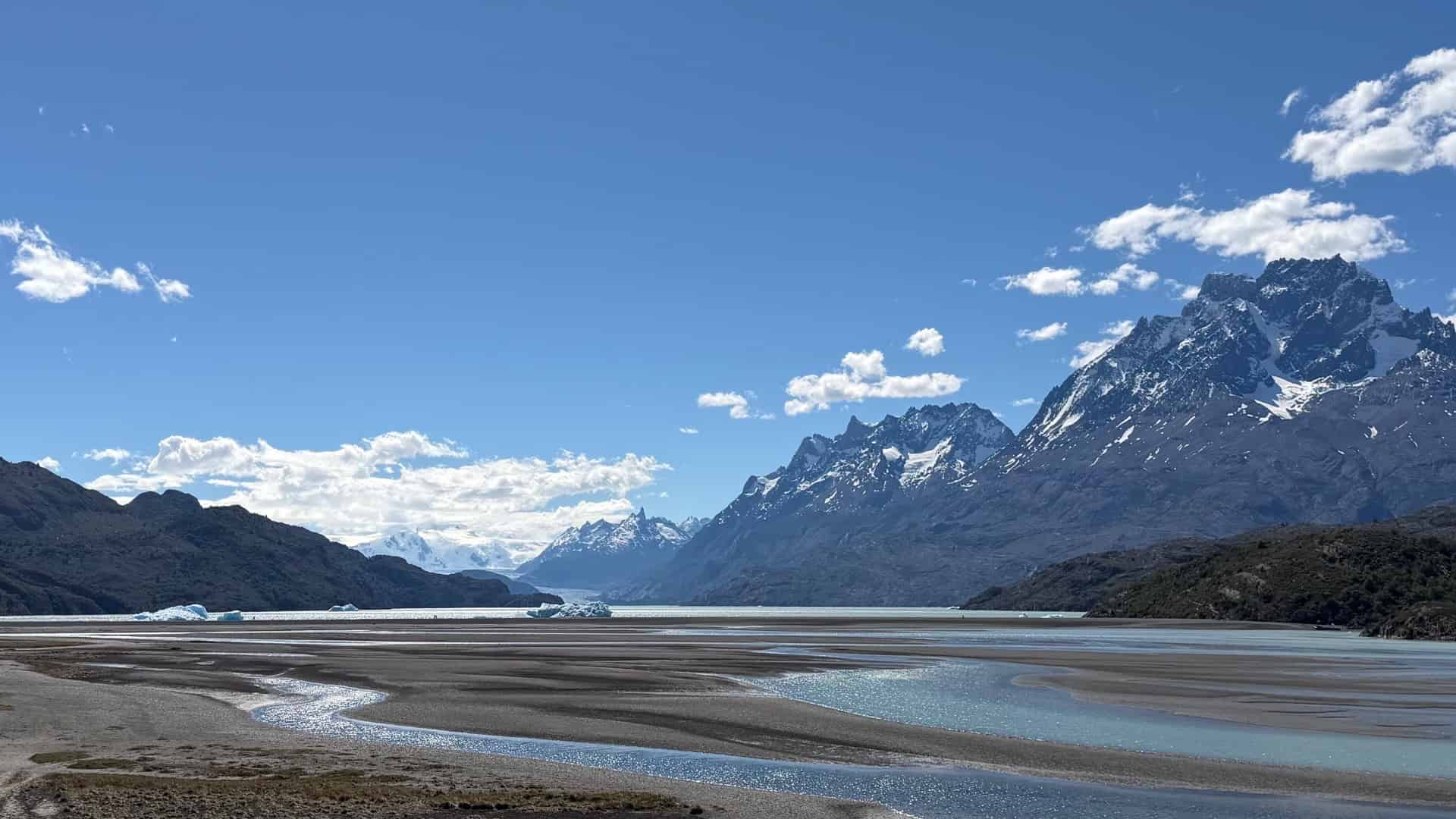
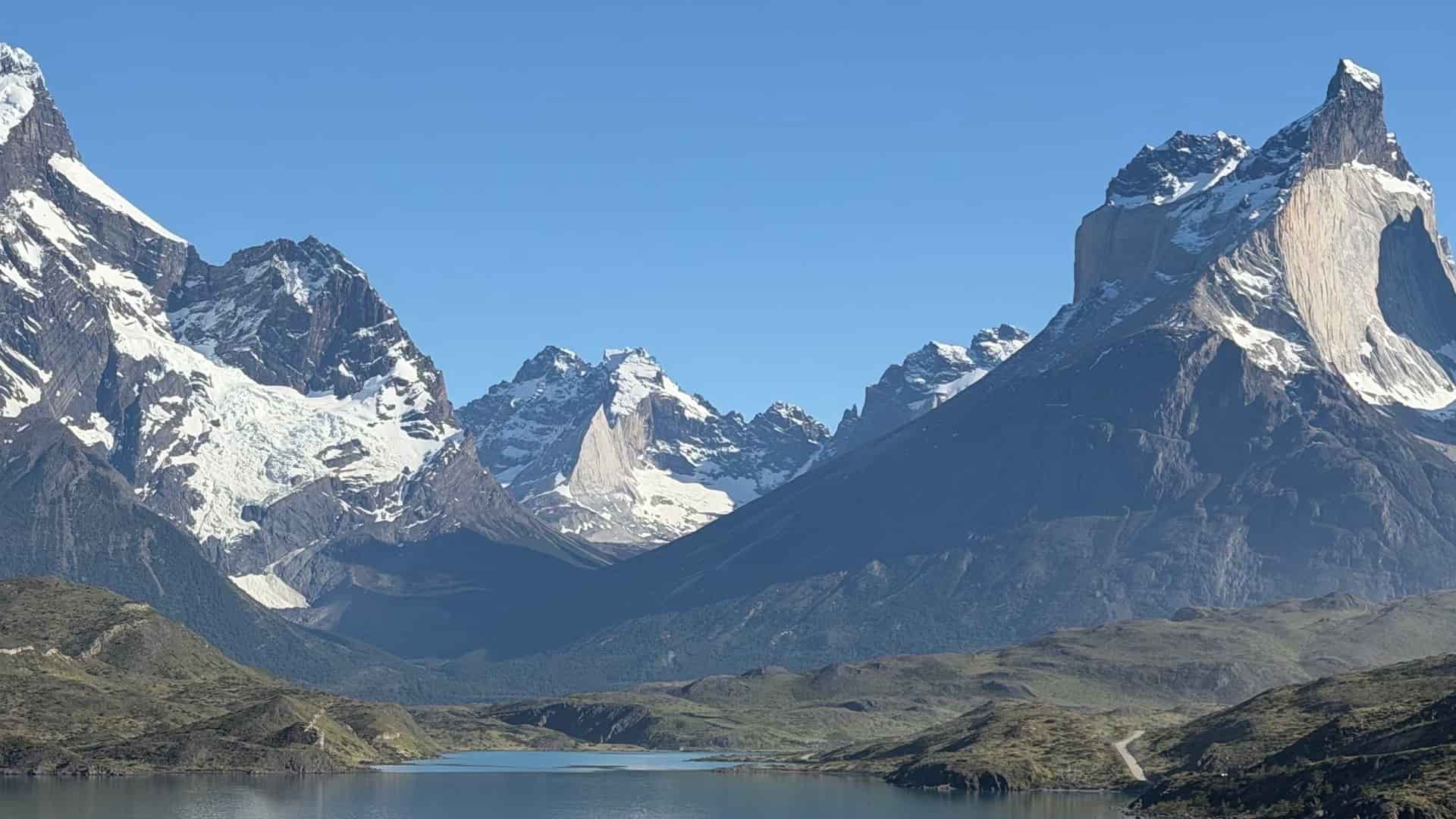
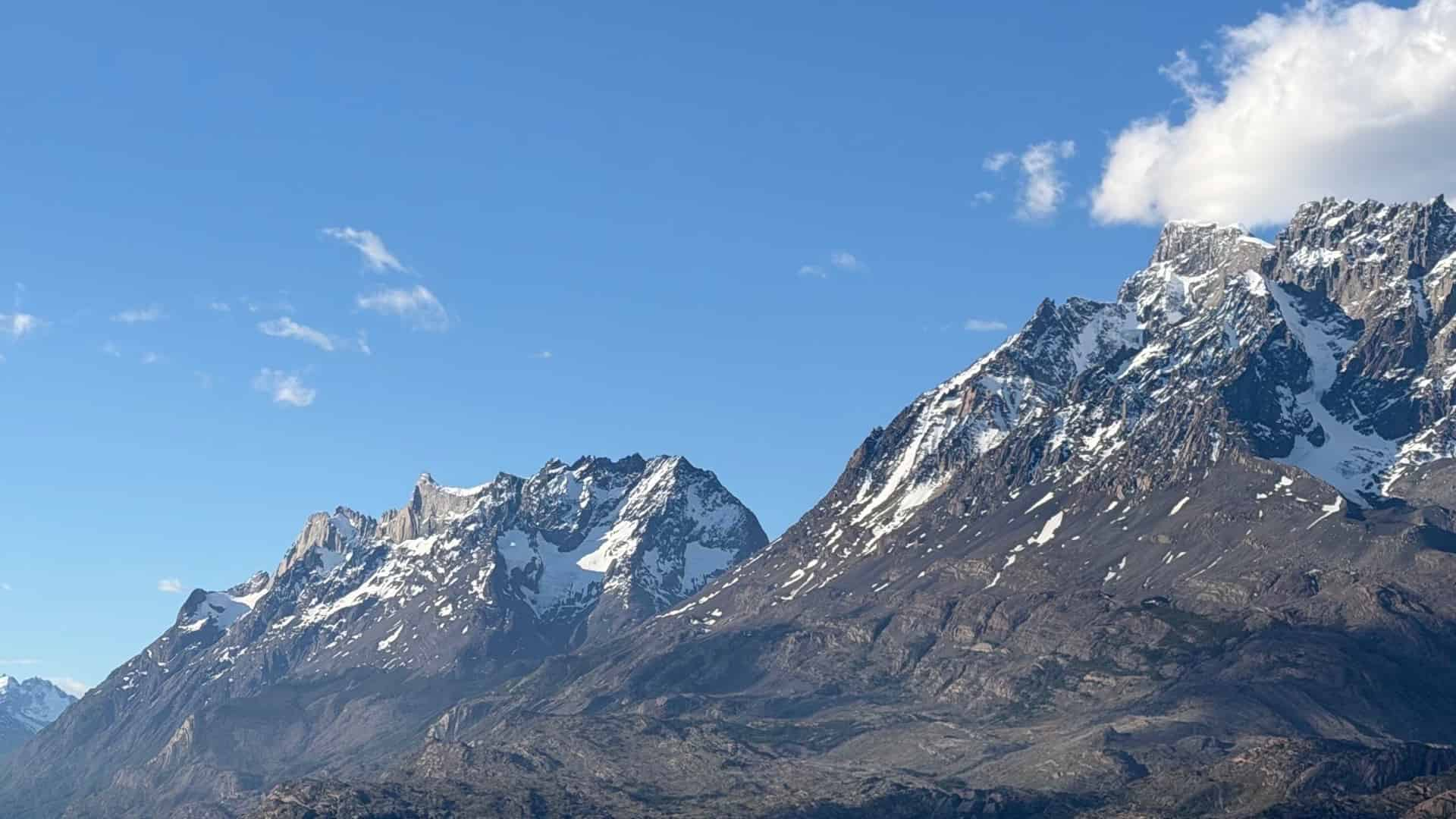
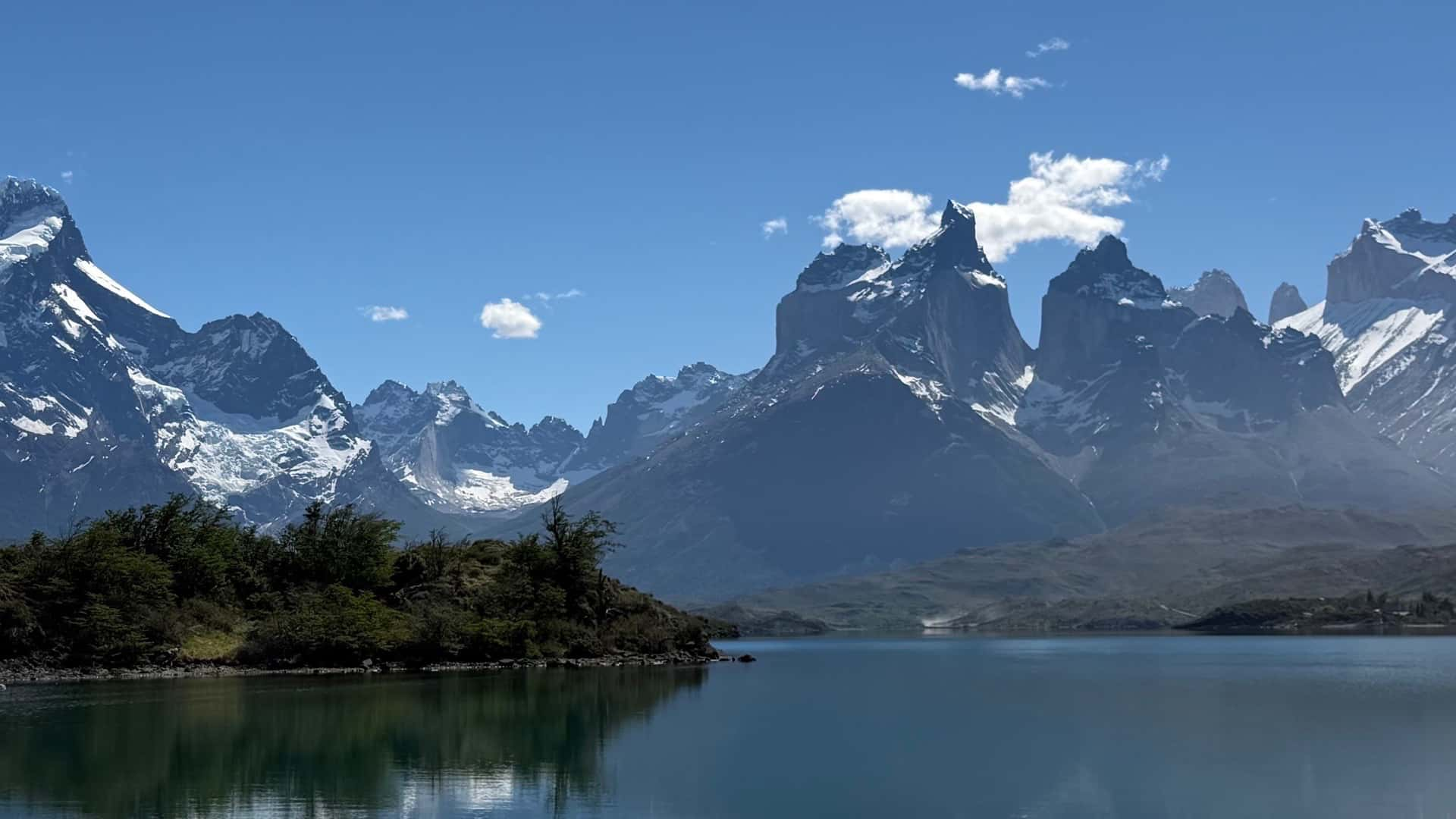
Standing along the shores of Lake Pehoé, a traveler swallows air thick with cold mineral dust ground from deep bedrock by shifting ice fields. Sunlight strikes suspended stone dust and scatters light across the water in brilliant hues of cobalt and sharp green. Raw, sun-bleached solitude.
Fast Facts for the Modern Explorer
- Direct Definition: Torres del Paine is an 181,414-hectare biosphere reserve in Chilean Patagonia defined by the dramatic Paine Massif and glacial lake systems.
- Current Relevance: Managed by Chile's National Forest Corporation (CONAF), it serves as a global model for ecological recovery, puma conservation, and sub-Antarctic forest restoration.
- Practical Duration: Trekkers require four to nine days to navigate the primary mountain circuits, though single-day field surveys illuminate the core geological features.
Fierce winds whip the steppe. Heavy gusts sweep across yellow paramo scrub where native guanacos crop the short grass, their sudden high warning cries cutting through a silence broken only by the distant boom of ice shattering off Glacier Grey. Rain strikes the low branches of southern beech trees, releasing a sharp scent of wet earth, bitter bark, and cold mountain soil into the biting air. You press your boots into damp silt and feel the earth shudder under the weight of passing atmospheric storms. Unforgiving land.
Human feet arrived late here. Nomadic Aónikenk hunters trailed guanacos across these valleys for eight thousand years after the glaciers retreated, reading the sky-blue lakes—which they called Paine—as sacred signposts long before European sheep ranchers sliced the open pastures with barbed wire during the late nineteenth century. Settlers torched thousands of woodland hectares between 1890 and 1920 to clear pastures, scarring native forests and driving away indigenous families. Ruin before recovery. When British traveler Lady Florence Dixie rode into these valleys during the sunset of Queen Victoria's reign in 1879, she marveled at the granite spires, calling them Cleopatra's Needles before the ranching fires began.
Stone holds its own secret. Geologists once believed this giant laccolith cooled slowly over several million years, but recent radiometric dating of zircon crystals reveals that molten granite intruded into dark mudstone with violent speed, freezing within a brief window of roughly ninety thousand years. Today, across one hundred eighty-one thousand hectares protected as a UNESCO reserve since 1978, native lenga trees reclaim scarred mountain slopes while apex pumas hunt once again among the scrub. Deep time laid bare.
Reflective Pause
A single dropped guanaco wool tuft snags on a thornbush, swaying in the freeze. Sunlight catches the fine gray fibers, turning them silver against the dark slate soil. The wind drops for a heartbeat, leaving only the soft click of moving pebbles underfoot.
Close your eyes right now. If you stand silent for sixty seconds amidst the grey dust of the Cuernos valley, you hear no human echo—only the relentless scrape of wind carving pale granite against dark mudstone caps, a sound that has reshaped this continent since the Miocene epoch. The black horns sitting atop pale gray walls mark the exact line where liquid fire met ancient sea beds beneath the earth. You realize that mountains are not static monuments, but frozen motion capturing millions of years of earth-shifting violence. Granite made alive.
Glacial ice melts into light. As sunlight slips behind the three pale towers, shadow creeps across blue waters where mineral dust still floats, carrying the memory of ancient rock ground into turquoise water by crushing ice sheets. The Aónikenk named this land for the color of its water, knowing that human presence fades long before stone yields to wind. We build temporary shelters along the lake edge, but the granite teeth remain, waiting for the next ice age to scour the steppe clean. Cold sky, sky blue water.