Fast Facts for the Modern Explorer
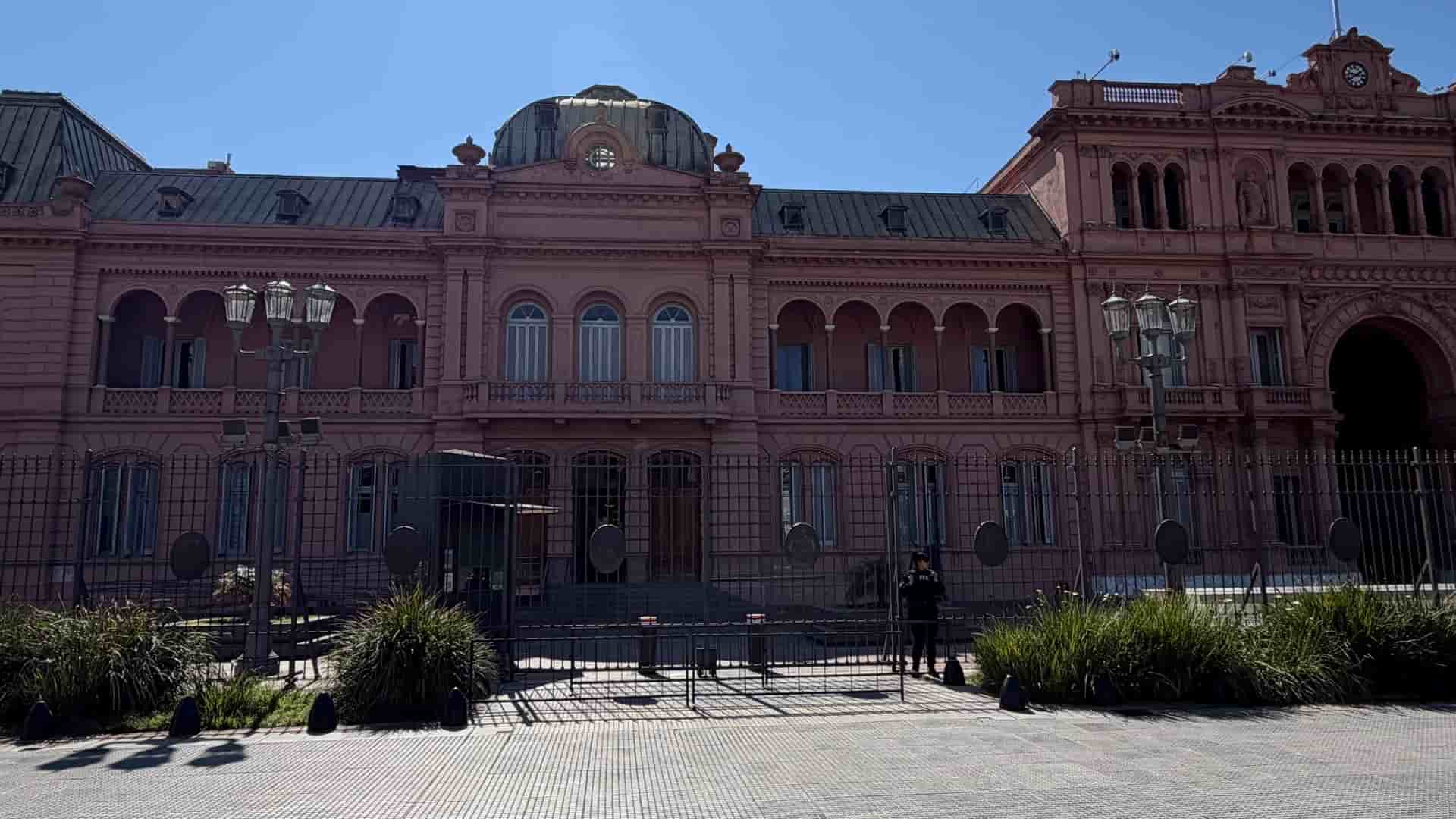
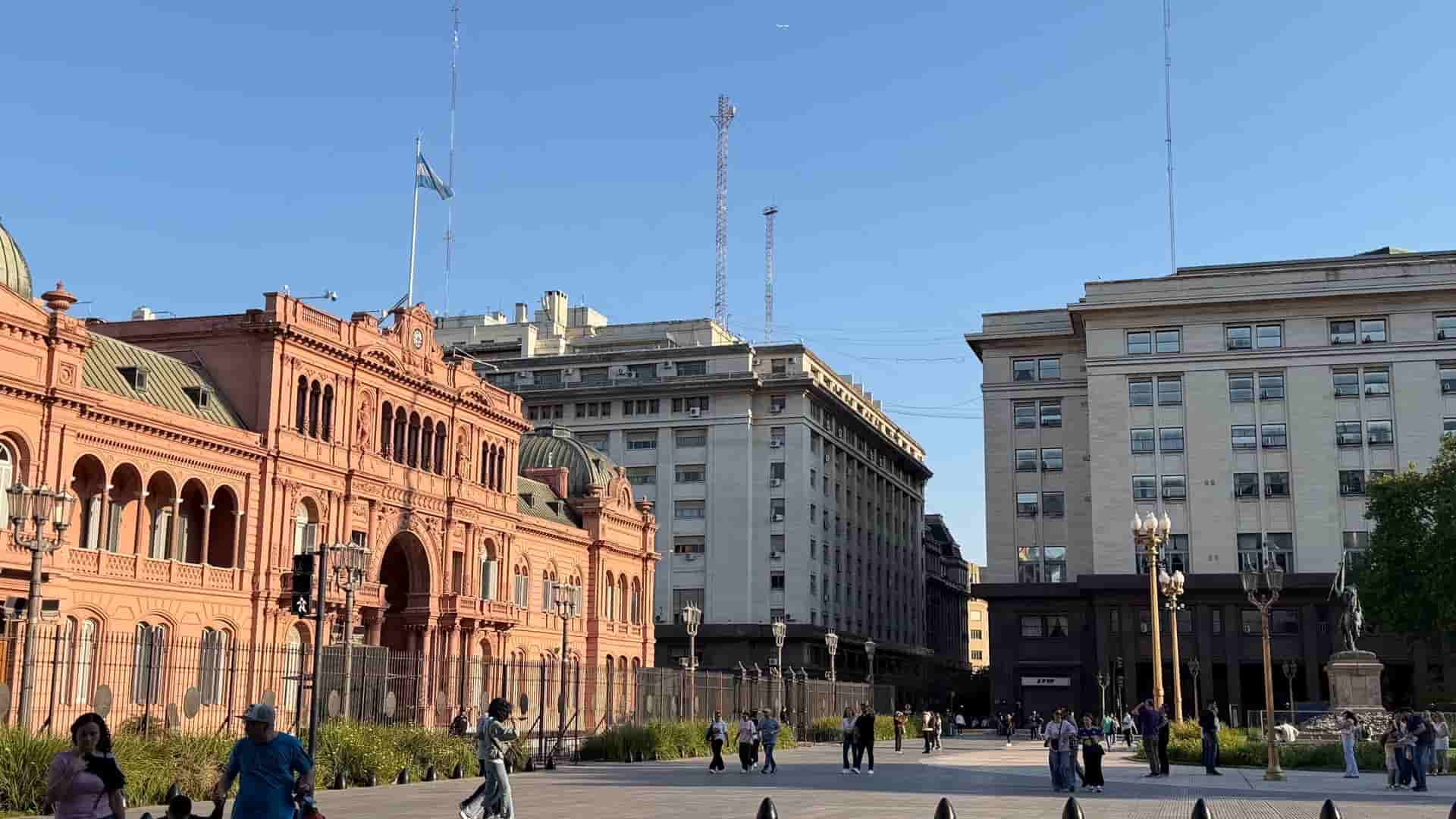
- Direct Definition: The Buenos Aires Metropolitan Corridor is a historic urban axis stretching along the Río de la Plata estuary, encompassing key districts from colonial Plaza de Mayo to Belle Époque Recoleta.
- Current Relevance: Protected under municipal heritage laws, the corridor serves as a living center for Argentine arts, historic café culture, tango preservation, and culinary traditions.
- Practical Duration: Explorers require three to five days to traverse its five core neighborhoods on foot and comprehend its complex architectural stratigraphy.
Hardwood smoke drifts through iron grates. Across eight broad hectares laid out in the 1890s by landscape architect Carlos Thays, giant Moreton Bay fig trees stretch massive roots into paved walkways where yellow streetlamps illuminate the night. A lone musician squeezes a German bandoneón on the corner of Calle Defensa, pulling a sharp, melancholic whine from its leather bellows. The brown current of the Río de la Plata churns beyond the docks, anchoring this sprawl of stone and timber. Every doorstep retains the faint grease of wood-fired grills and dark coffee.
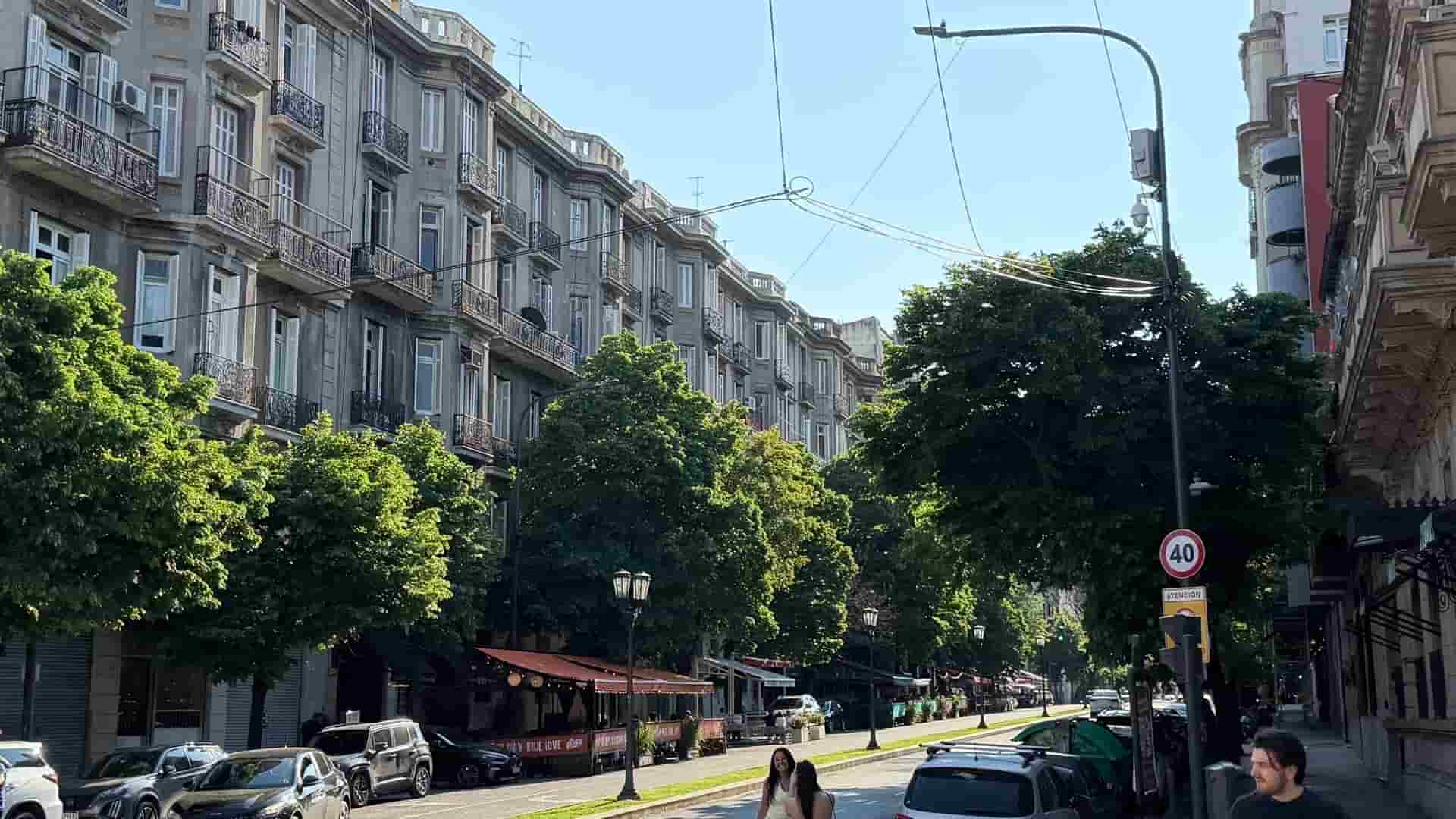
Crisis reshaped this grid. When catastrophic yellow fever swept through the southern working-class tenements in 1871, the ruling elite fled northward to build French Beaux-Arts mansions along Recoleta’s grand boulevards. This sudden migration split the urban geography into wealthy northern avenues and southern tenement houses where European immigrants packed shared courtyards. Long before this rift, Spanish founder Juan de Garay marked out the original grid in 1580 around the central square during the nascent days of colonial settlement. Later, in 1776, the Spanish Crown designated the city as a viceregal capital, forever locking its fortune to transatlantic commerce.
Silence masks deeper demographic shifts. Late colonial censuses showed that people of African descent comprised up to thirty percent of the city population before state-sponsored military recruitment and deliberate census reclassifications concealed their presence. These communities preserved sub-Saharan rhythmic traditions in secret societies, blending candombe beats with European melodies inside southern taverns. Out of this cultural friction emerged the tango, an art form initially shunned by polite society until its melancholic tones conquered international stages. The resulting dance remains a living testament to those erased from official records.
Reflective Pause
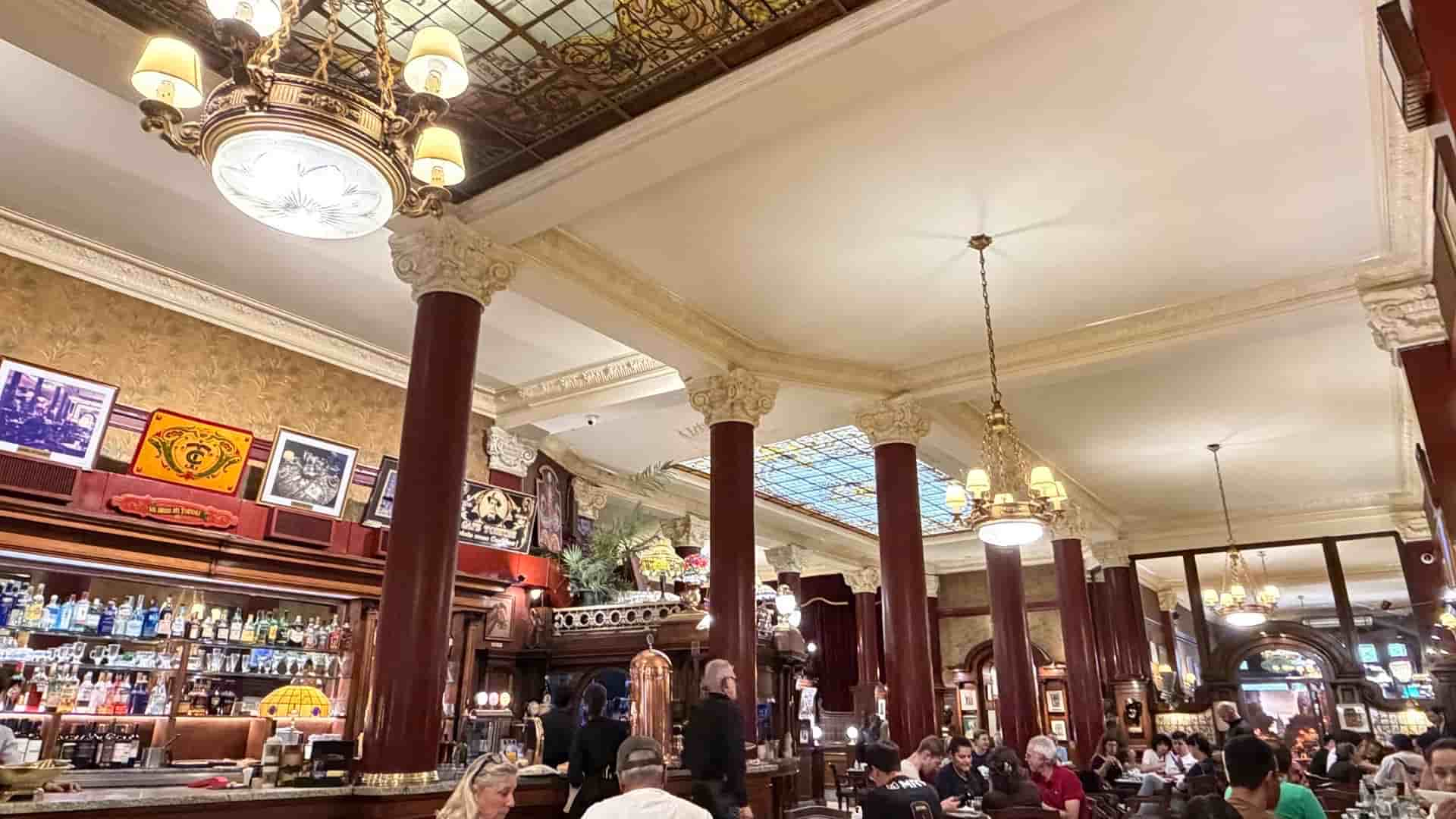
Morning light filters through the cracked glass of Café Tortoni, casting amber squares onto yellowed brass trim. The faint scrape of a silver spoon against heavy porcelain echoes off marble table edges long worn smooth by resting palms. Cold air carries the scent of stale tobacco, damp paper, and burnt sugar beneath high ceilings.
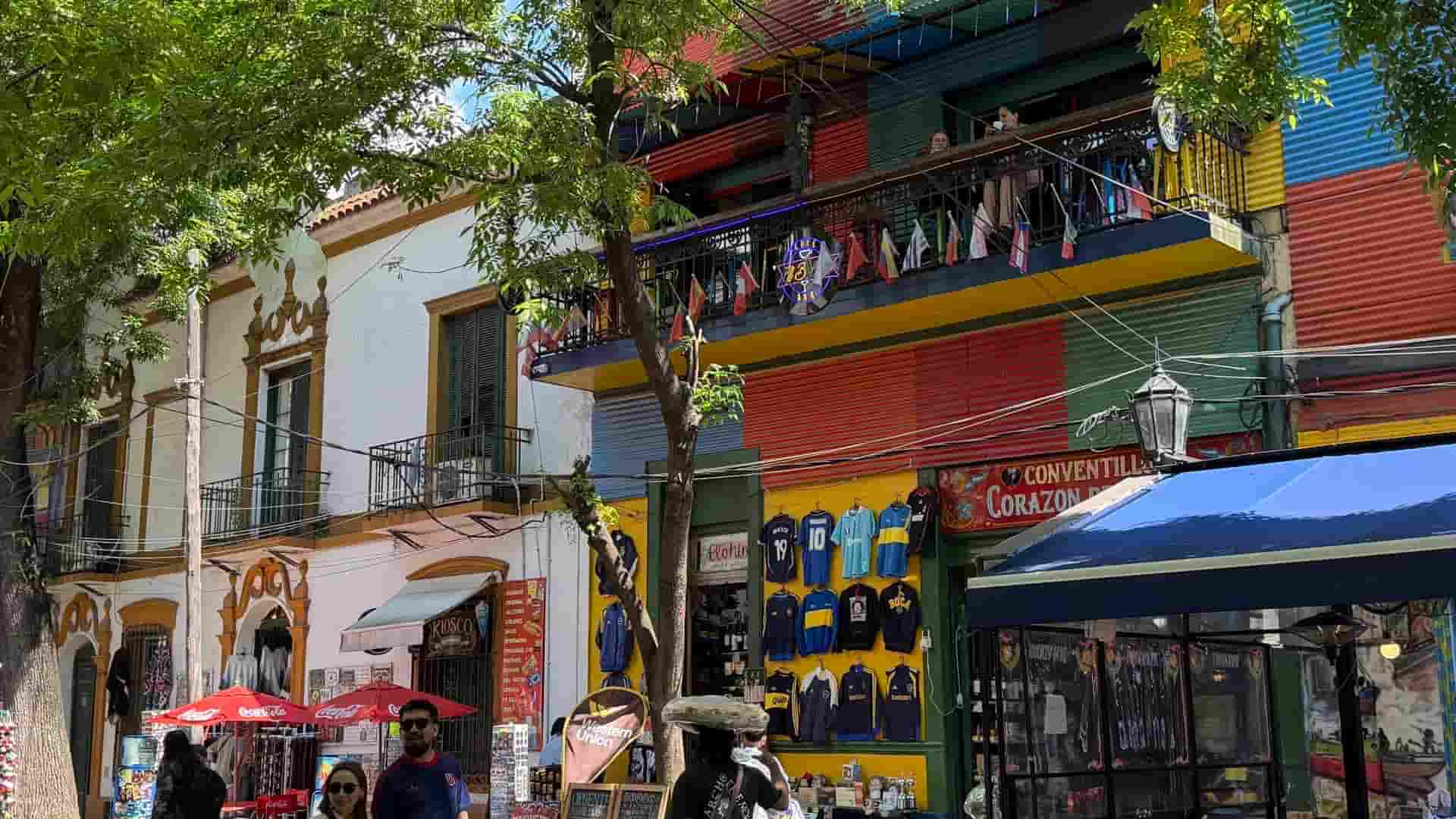
Urban heritage endures through daily practice. If you close your eyes for sixty seconds along Calle Defensa, you see the solitary flicker of a bandoneón player’s polished shoe striking cobblestones beneath peeling whitewashed brick. Preservation laws now protect these nineteenth-century facades from modern demolition, allowing vintage markets and family-run steak houses to thrive side by side. Porteño identity thrives not on polished grandeur, but on the stubborn resilience of its neighborhood traditions. The past remains an active dialogue written across every iron balcony.
Night falls over the estuary port. The dark brown waters of the river continue to lap against stone docks, carrying the drift of roasted fat and hardwood smoke back across the grand avenues. Architects laid out Beaux-Arts palaces and paved squares, yet the real city belongs to the lingering notes of bellows and the scrape of iron chairs on tile. Streetlamps cast long shadows over San Telmo’s ancient brick, holding centuries of conflict, flight, and survival in delicate suspense. We build cities to conquer geography, but only their quiet melodies outlast our ambition.