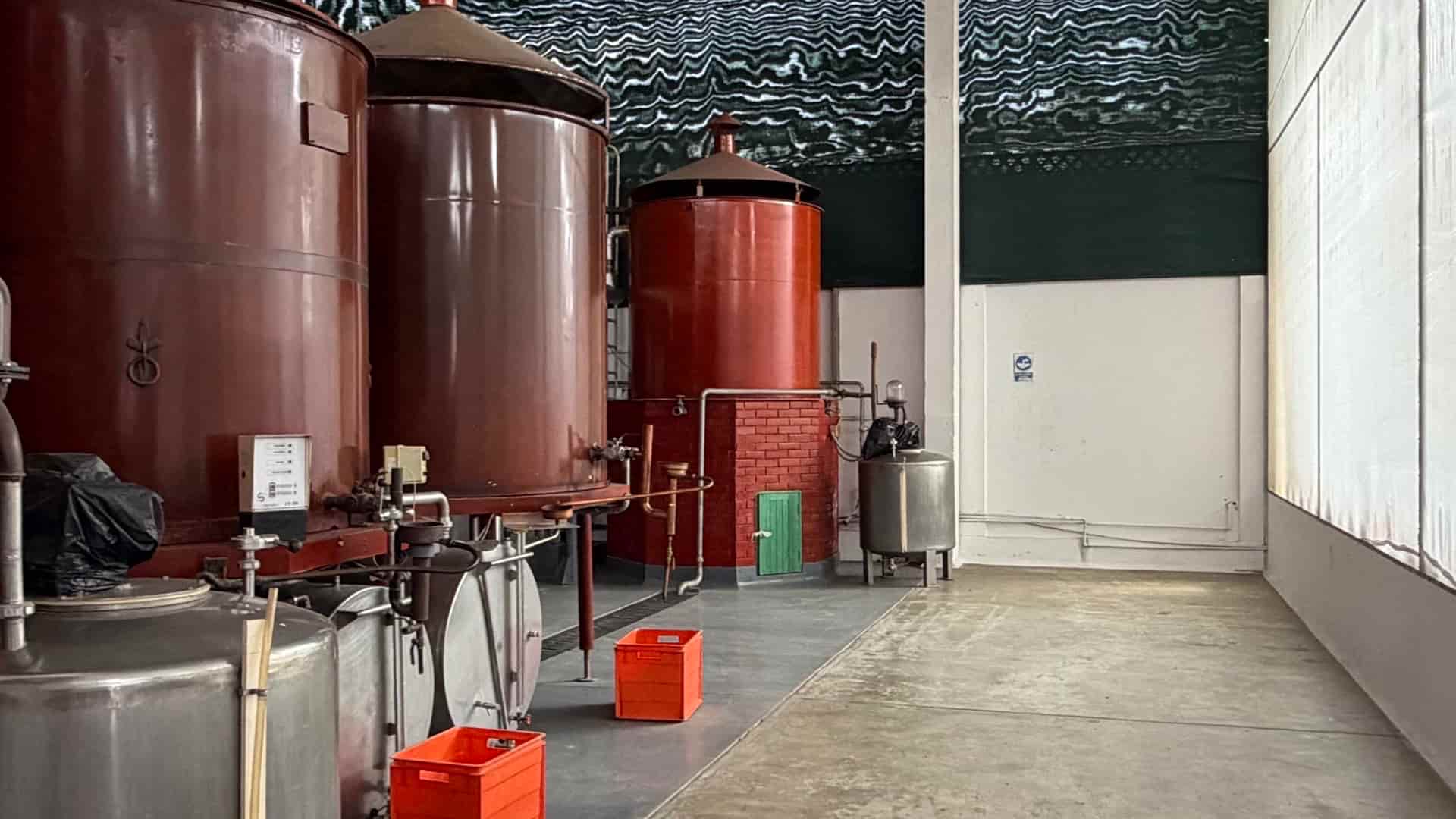
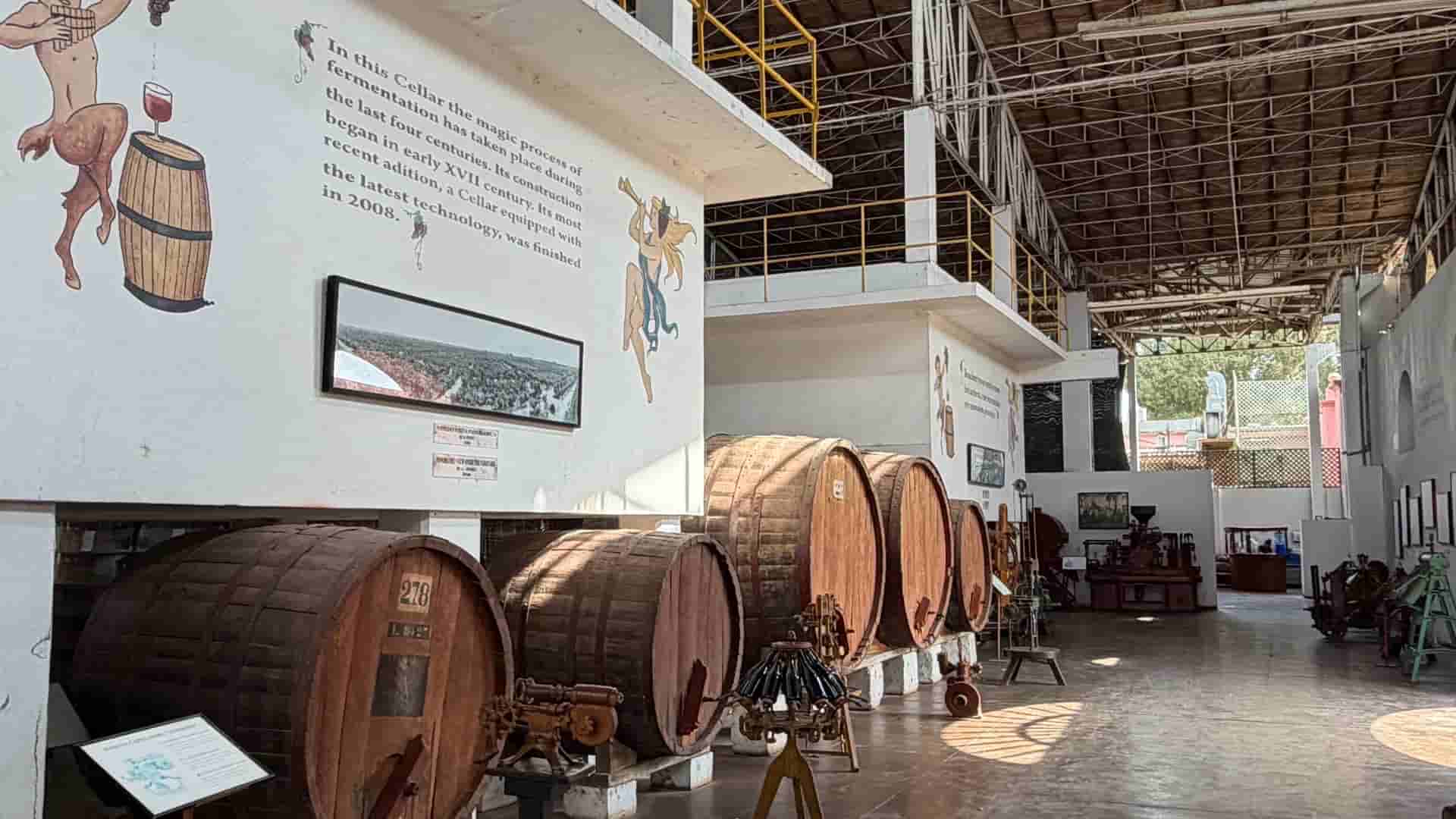
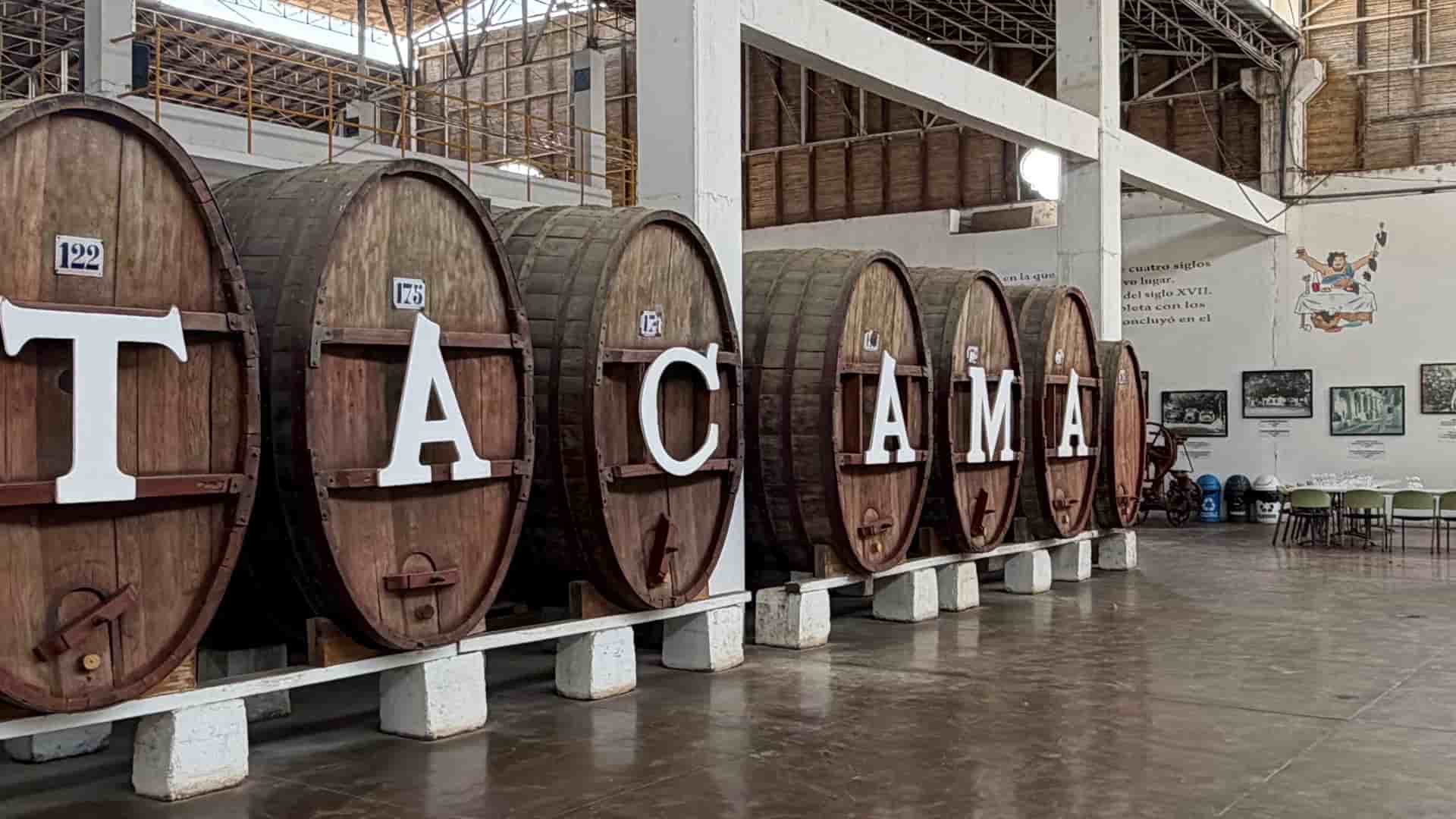
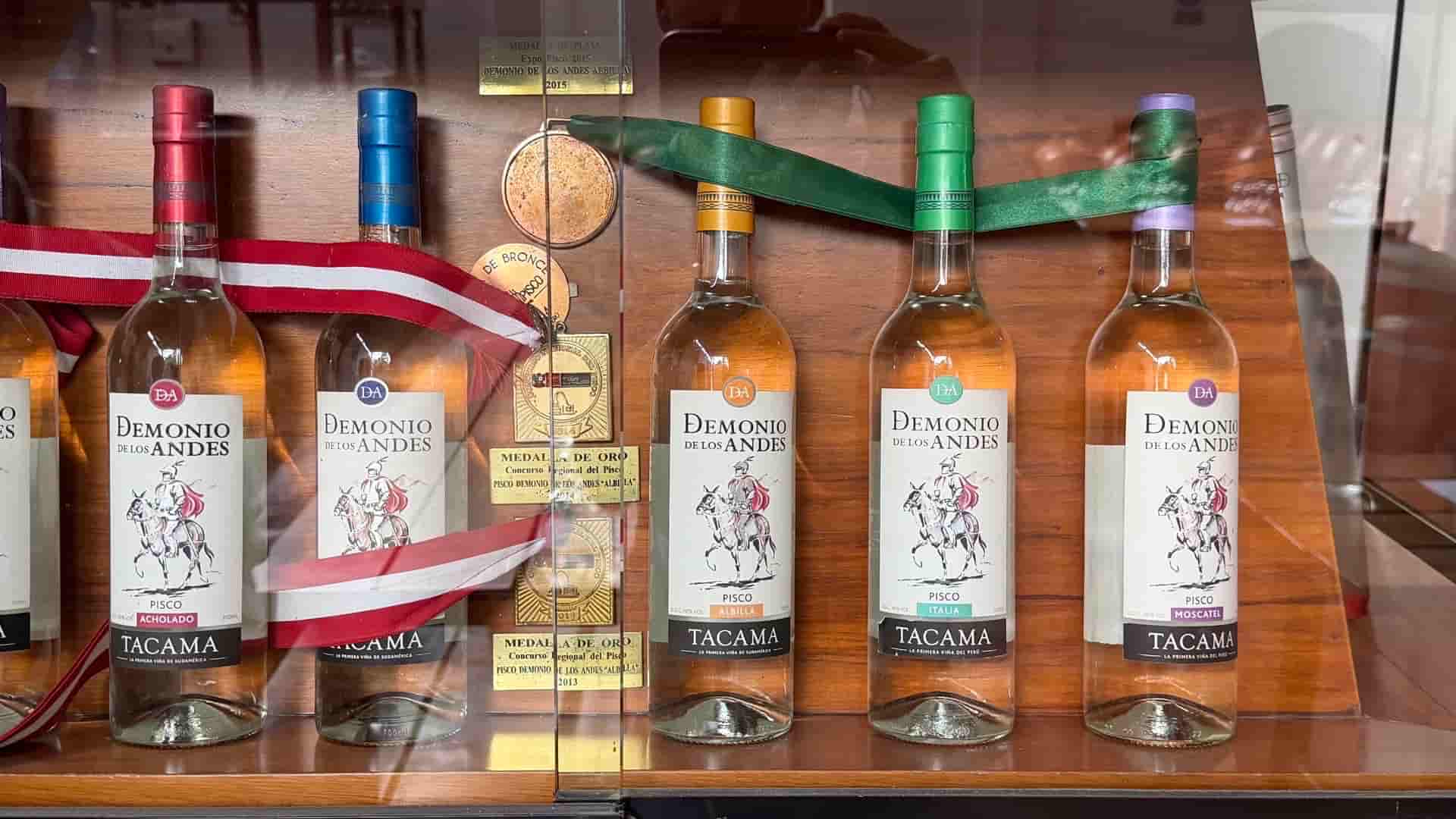
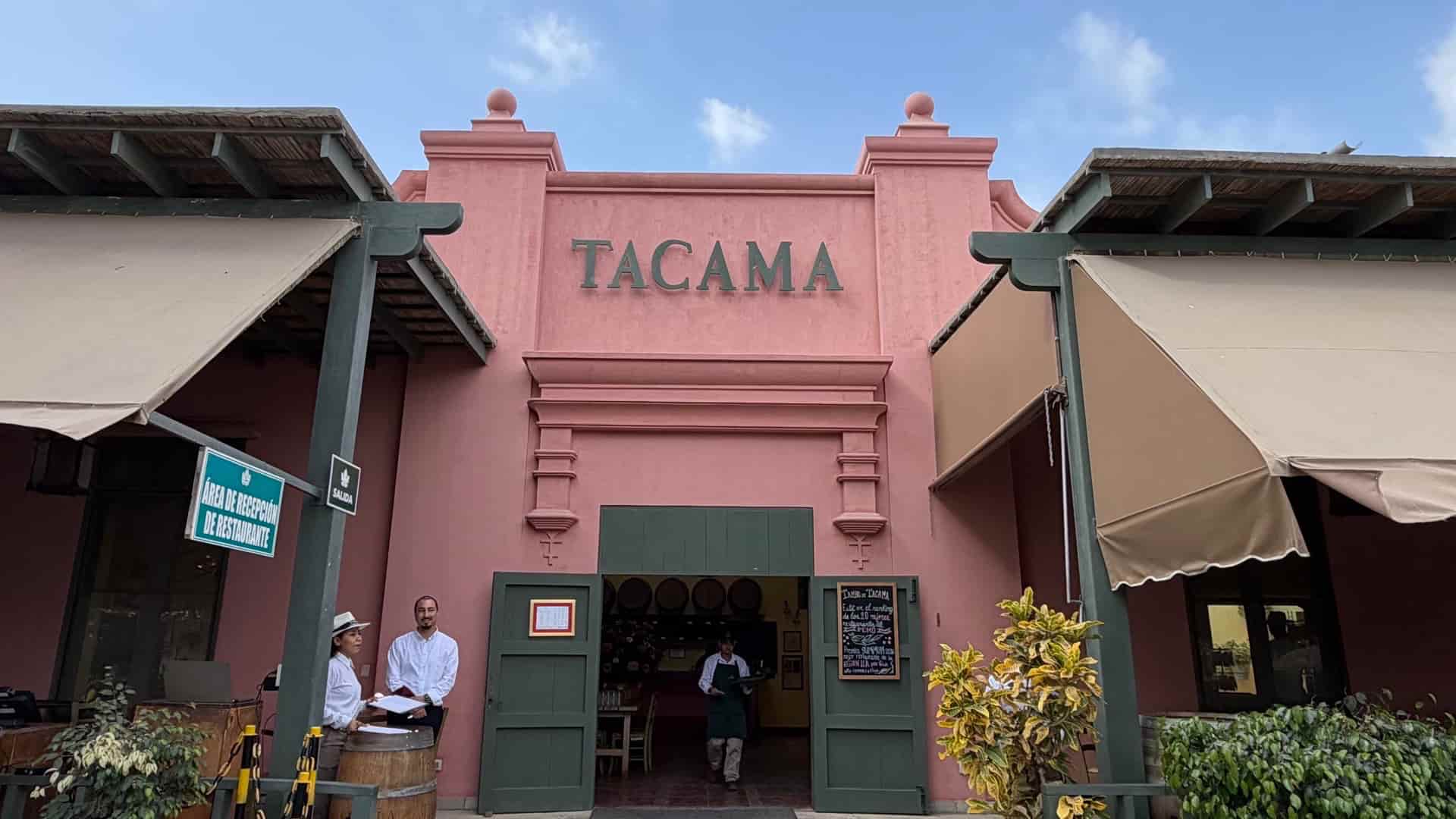
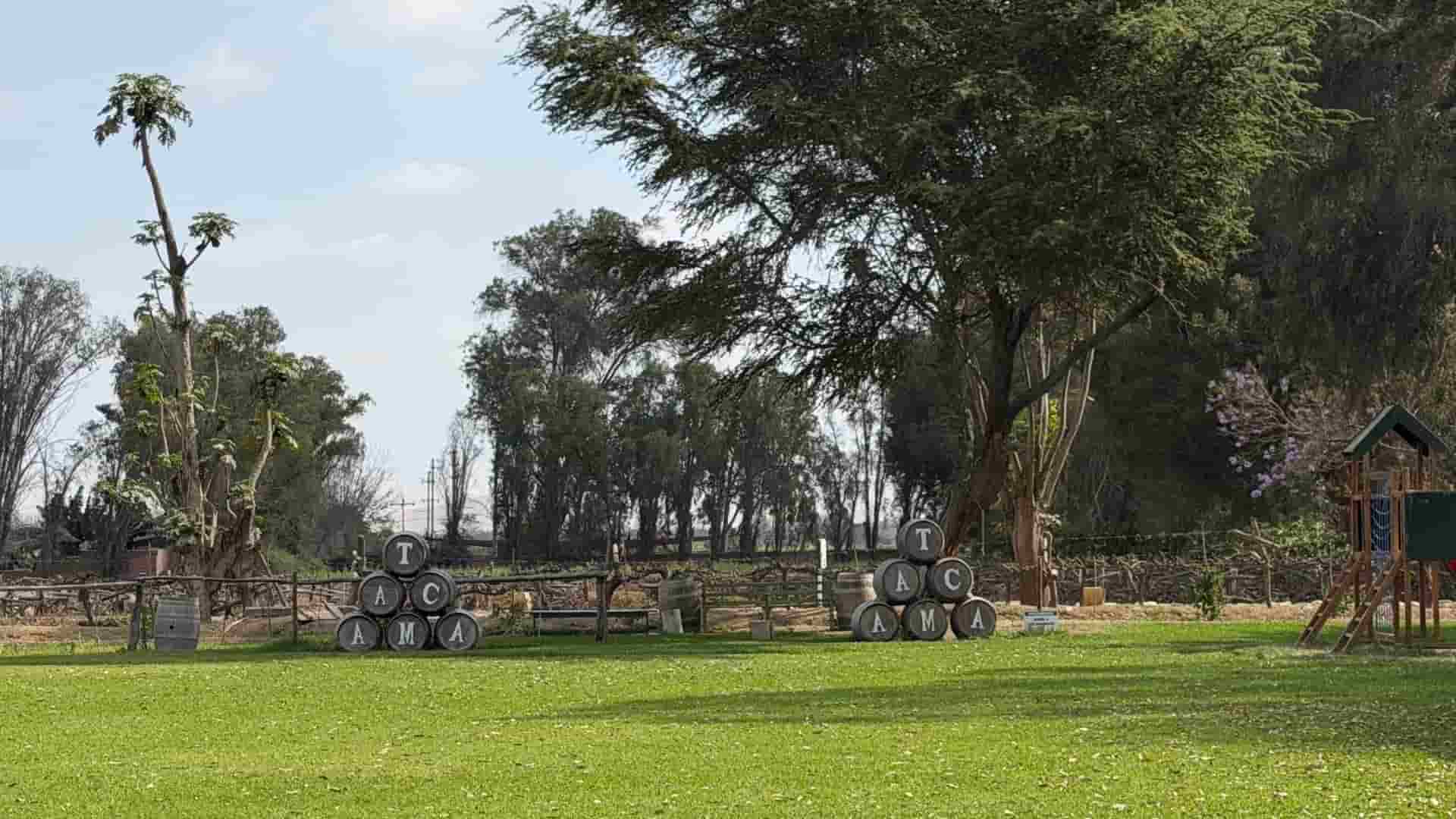
Under this clinical blue sky, the heavy air smells of crushed grape skins and cold stone cellar walls, revealing a five-century struggle of human hands carving wealth out of dust. You feel the cool, wet draft of deep cellars meeting the fierce heat of the coastal dunes. A triumph of pure, sweat-stained grit.
Fast Facts for the Modern Explorer
- Direct Definition: Viña Tacama is South America's oldest continuously operating winery, established around 1540 in Peru's hyper-arid Ica Valley.
- Current Relevance: Today, the estate stands as a pioneering bastion of desert viticulture, successfully combating severe regional water scarcity through ancestral Inca canal systems and modern drip irrigation to produce award-winning wines and heritage piscos.
- Practical Duration: Plan for a half-day exploration (three to four hours) to walk the historic grounds, climb the seismic bell tower, and taste the single-varietal distillates.
The Scene
Clay tiles crunch underfoot. As you walk past the arched gateway of the colonial hacienda, the dry, mineral scent of sun-baked sand gives way to the thick, yeast-heavy perfume of fermenting grape must. The rustle of thousands of green leaves mimics the sound of rushing water, an auditory tease in a basin that receives less than an inch of rain each year. Your fingers trace the rough, cool surface of whitewashed adobe. A shadow falls across the courtyard.
The Conflict
Power demands wine. When Spanish conquerors claimed these dry valleys, they needed sacred alcohol for the Catholic mass and strong spirits to fuel their imperial expansion. By the year 1564, when King Philip II realized that Peruvian vintages threatened domestic Spanish profits, the crown banned the import of these New World wines. This protectionist decree backfired, forcing local growers to distill their excess grape juice into a clear, fiery brandy that they shipped from the nearby harbor of Pisco. A new spirit took flight.
Water flowed through sweat. For over a century, before the Spanish crown expelled the Jesuit order in 1767, enslaved Afro-Peruvian laborers dug deep canals and stomped grapes in massive stone vats. Their heavy rhythms in the pressing troughs birthed the syncopated beats of Afro-Peruvian festejo music, turning labor into art. Today, the estate's high bell tower, which rises exactly thirty meters above the hot clay valley floor, stands as a silent monument to that forced toil. The bronze bell still rings.
Reflective Pause
I watch a single drop of condensation roll down the side of a cold green bottle, catching the fierce glare of the midday sun. The cold water pools on a rough terracotta tile, darkening the dry red clay for a fleeting second before the thirsty equatorial air drinks it dry. In this hot silence, the distant clinking of heavy wine glasses sounds like clear brass wind chimes ringing against the dry, background hum of the Andes.
The Insight
Nature always wins unless countered. During the late 1880s, when the Olaechea family bought the hacienda, they imported French vines and enologists to transform these colonial fields into a modern laboratory of wine. They fought the dry climate by using ancient canals built during the height of Inca rule, combining historic gravity-fed channels with modern drip lines. This blend of old water and new science allows half a million bottles to leave these gates every year. A green shield against the desert.
The desert never stops waiting. If you close your eyes for sixty seconds beneath the shadow of the bell tower, you do not hear the wind; you see the deep, violet stain of crushed grapes behind your eyelids, pulsing in rhythm with the heat. This terracotta-pink oasis remains a fragile promise kept by centuries of human sweat, a small shield holding back a vast sea of shifting sand. Will the Andean meltwater last another five hundred years to keep this green dream alive?