Fast Facts for the Modern Explorer
- Direct Definition: A geologically mature almost-atoll in French Polynesia, consisting of a subsiding Pliocene volcanic core encircled by a rich barrier reef.
- Current Relevance: A fragile marine sanctuary under active ecological stewardship, battling coral bleaching through community-led coral nurseries.
- Practical Duration: A stay of five to seven days allows for the recovery of wartime relics, the mapping of ancient stone temples, and lagoon navigation.
Heat clings to the dark volcanic rock. Along the white curve of Matira Beach, the heavy scent of drying copra drifts through the air, mixing with the sharp tang of salt-crusted ironwood leaves under a white-hot tropical sun. You feel the damp weight of the southern sky press against your skin like a wet sail, a thick warmth that slows the pulse and demands quiet. A sudden flash of silver in the shallows where reef sharks hunt.
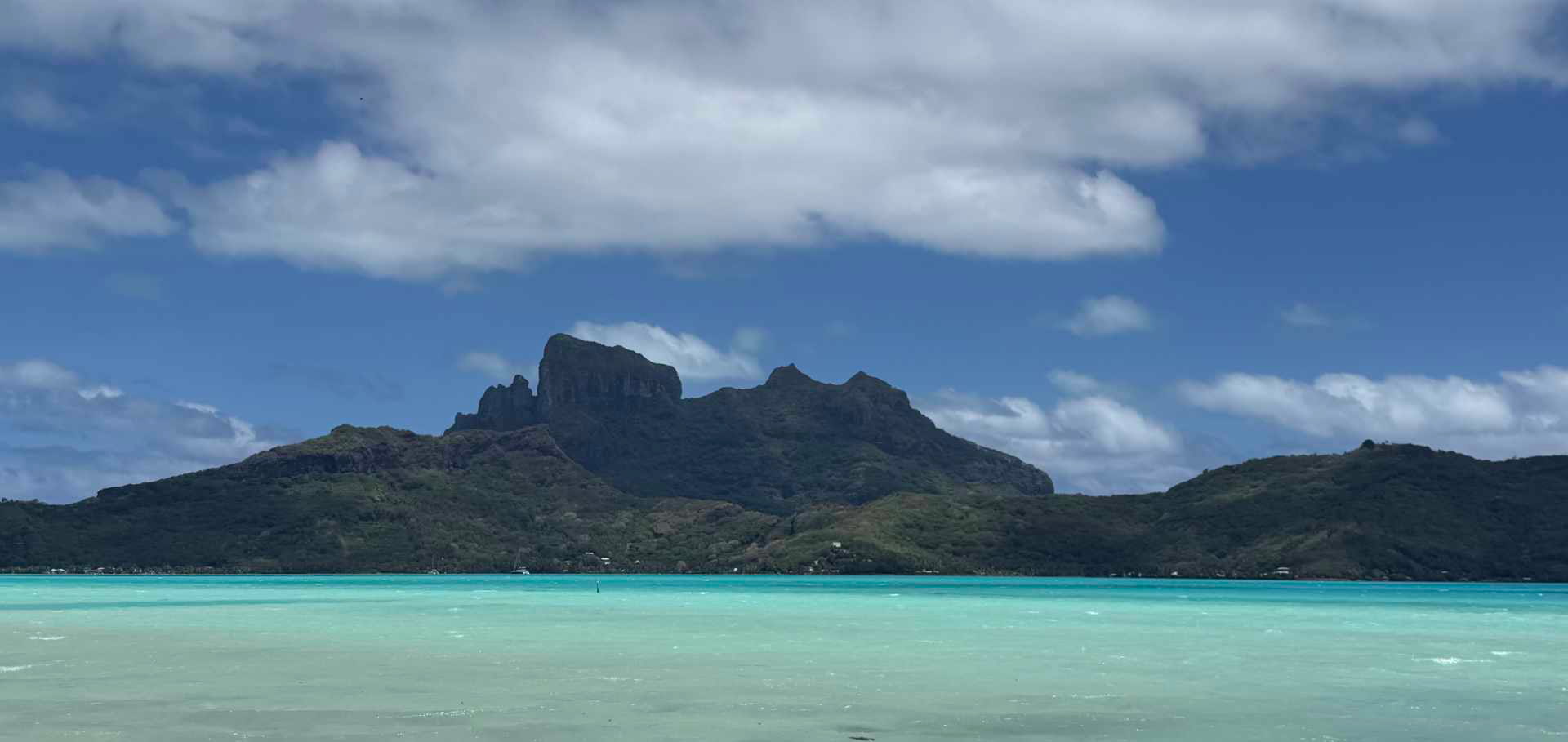
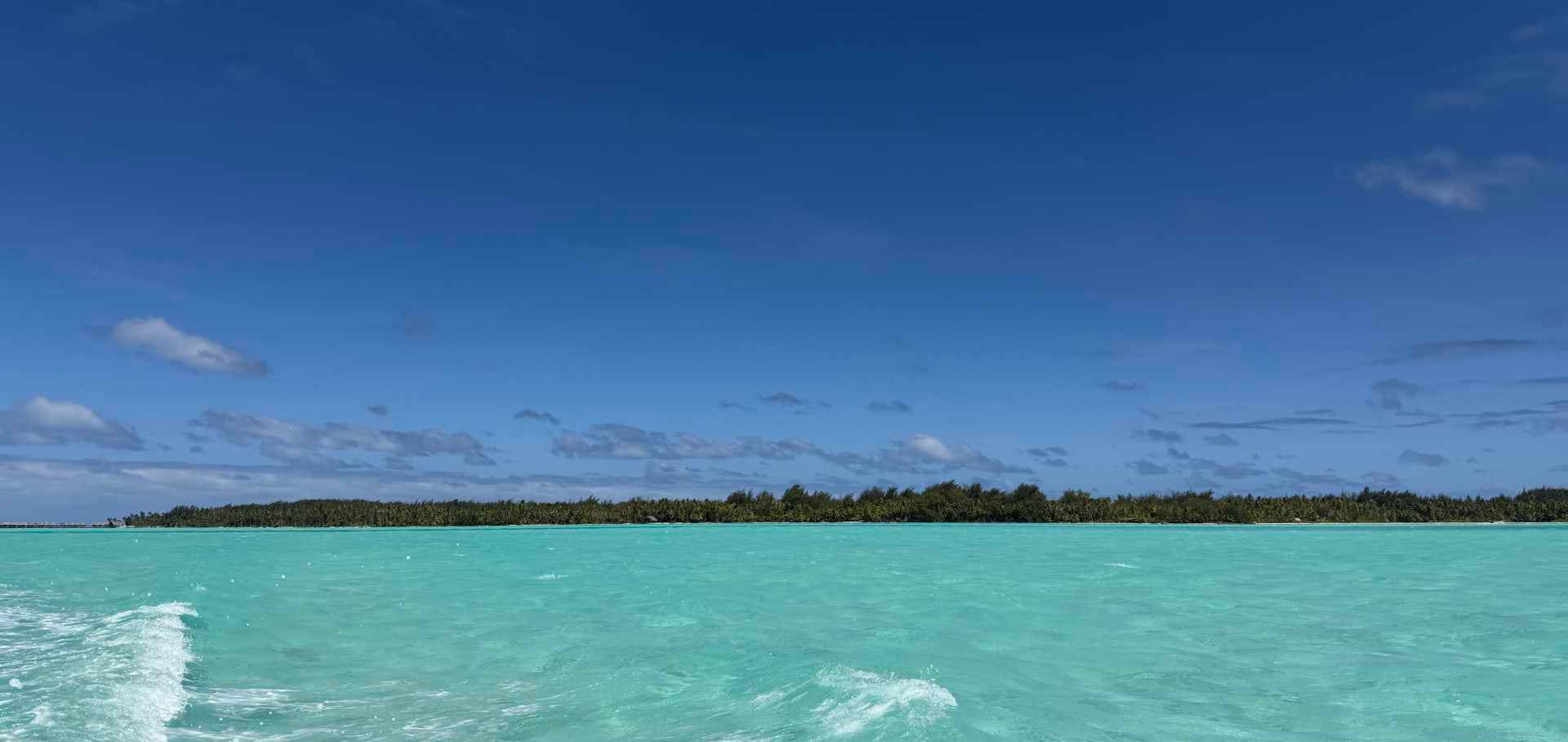
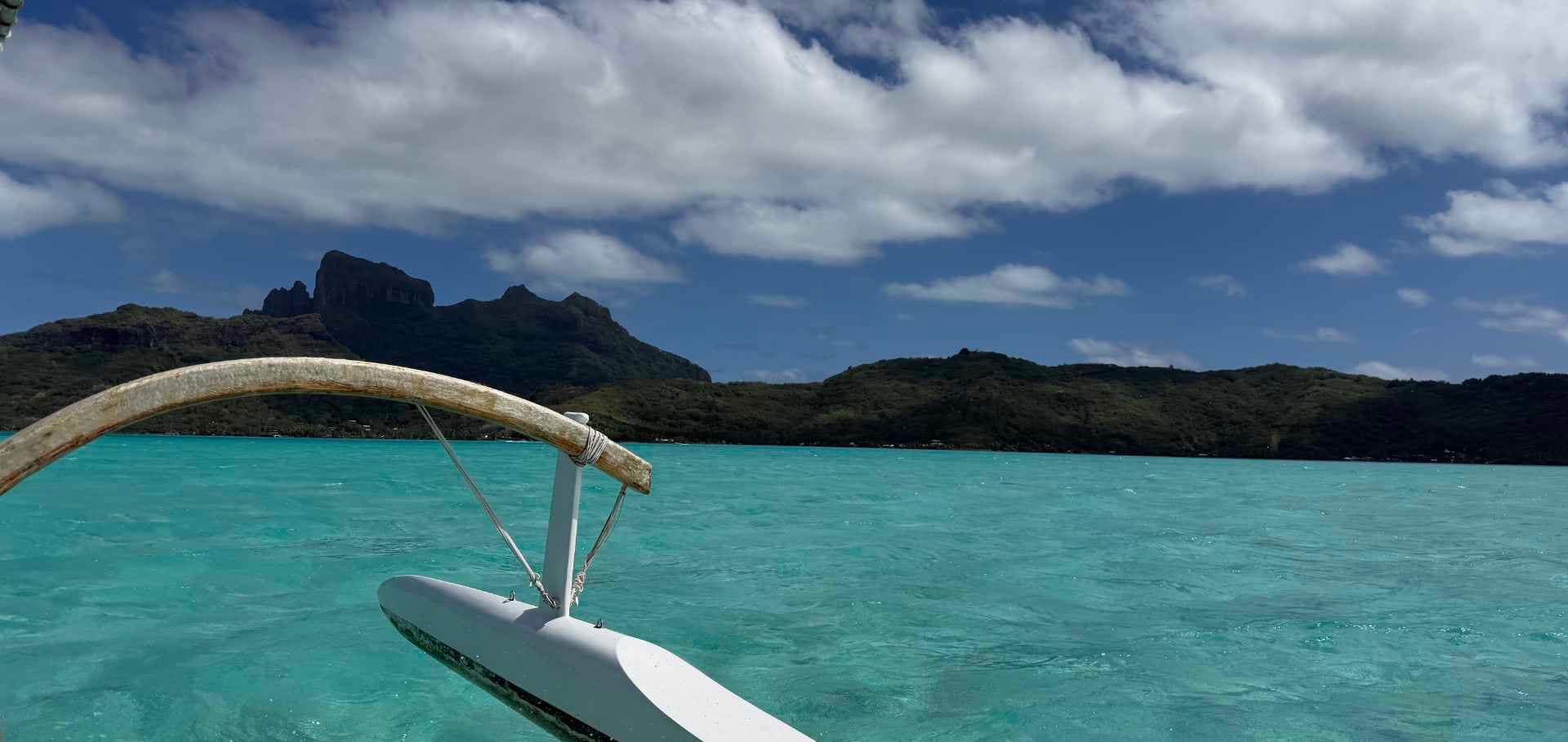
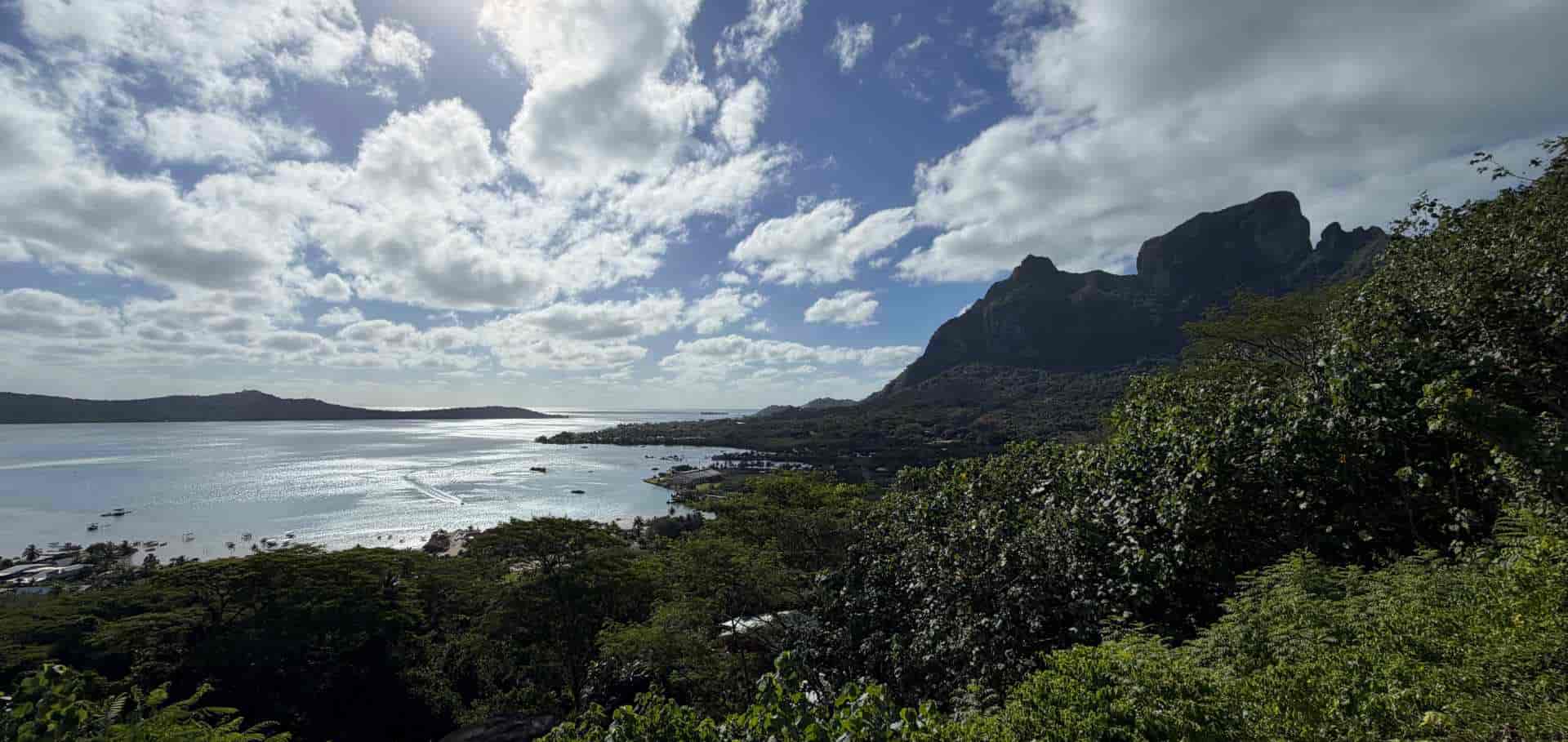
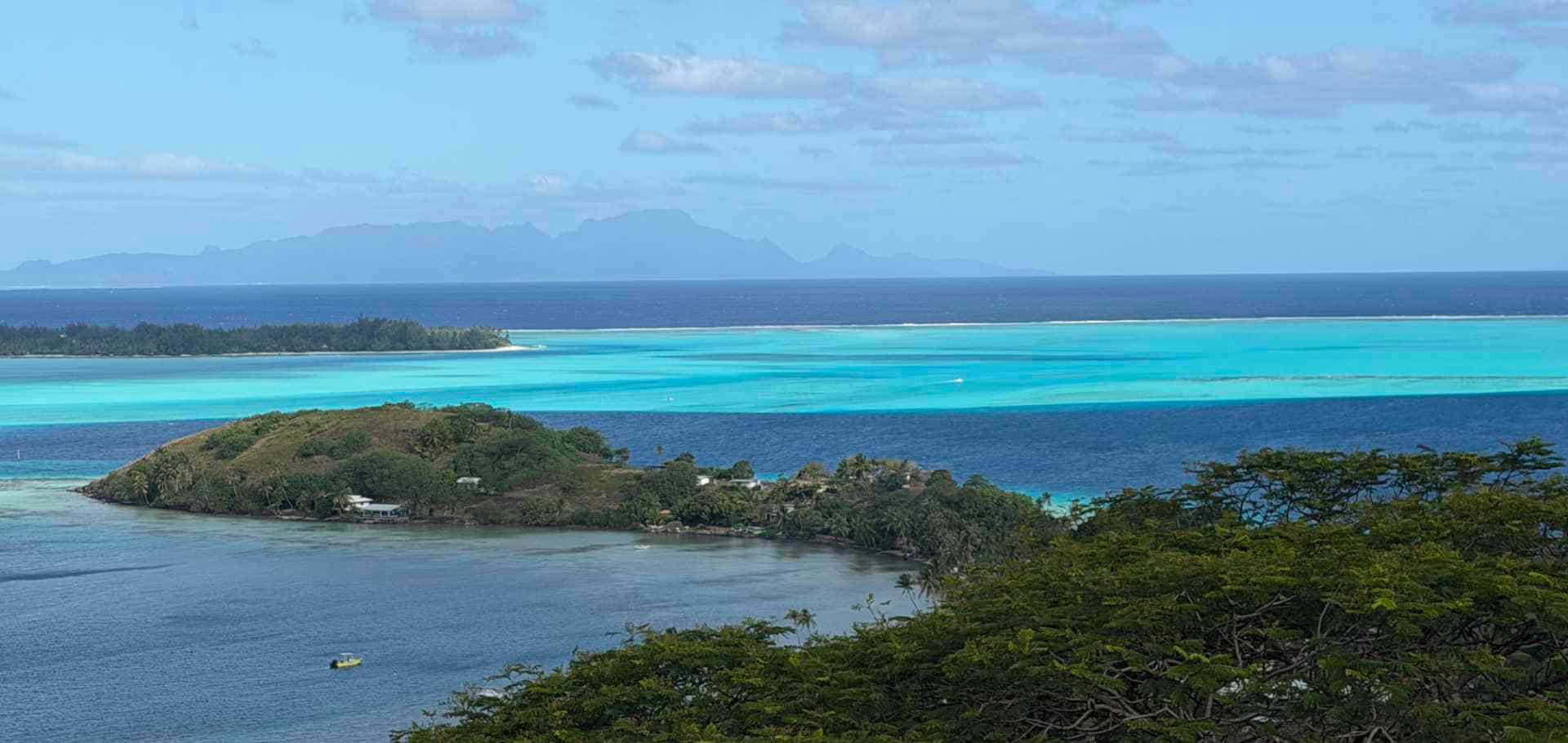
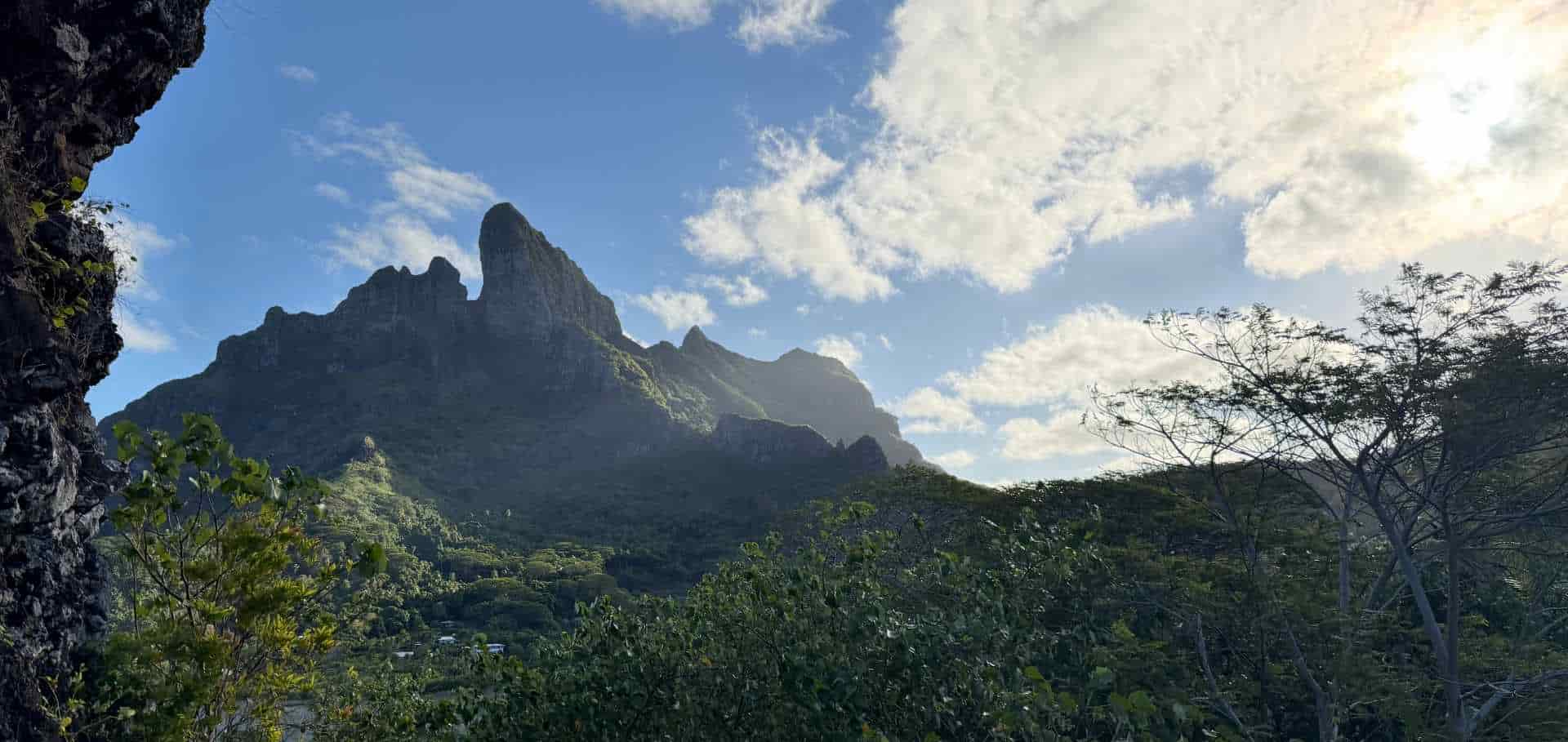
The green peak dominates the sky. Mount Otemanu rises seven hundred and twenty-seven meters into the trade winds, its vertical basalt walls scarred by over three million years of tropical rain and sliding earth. Below this dark volcanic tooth, the lagoon spreads out in a wide sheet of clean glass, shifting from pale jade to deep indigo where the barrier reef yields to the open sea. A fragile ring of white sand holding back the vast wildness of the Pacific.
The first voyaging canoes cut the water. Guided only by the stars and the flight of birds, daring Polynesians crossed the empty ocean to settle this lagoon between the years 900 and 1000 of the common era, long before western navigators mapped the Pacific. They built open-air temples, called marae, along the water's edge, using heavy basalt blocks and white coral slabs to ground their chiefs in the sacred earth. Monuments to the ancient war god 'Oro who demanded devotion.
War shattered this isolated island peace. In February of 1942, during the anxious days after Pearl Harbor, the United States military rushed four thousand soldiers to this quiet outpost to secure the shipping lanes to Australia. They blasted roads through the thick jungle, laid down the island's first airstrip on the outer reef of Motu Mute, and dragged eight massive seven-inch naval guns up the muddy volcanic ridges. Cold American iron left to rust in the damp tropical canopy.
Reflective Pause
The afternoon light catches the orange crust on the barrel of a silent naval gun, where a wild orchid has found a foothold in the corroded iron. I touch the rough, flaking metal and feel the trapped heat of the midday sun radiating against my palm. Below, the wind carries the faint, steady rattle of palm fronds rubbing together like dry paper.
The island changed once more. In 1961, when developers built the first overwater bungalows on wooden stilts over the shallow flats, they transformed ancient communal fishing grounds into high-end real estate, forever altering how we live alongside the ocean. Today, modern travelers float above the blue lagoon on expensive pine legs, looking down through thick glass floor panels at the silent, ghostly drift of spotted eagle rays. A gold-plated isolation from the sea we came to find.
Close your eyes here. If you close your eyes for sixty seconds in the shadow of the peak, you see only the dark outline of Otemanu burned onto your retinas, accompanied by the deep, rhythmic roar of the Pacific ocean crashing against the outer barrier reef. You realize that this island is not a static resort postcard, but a living, sinking mountain of basalt that invites us to witness its slow, beautiful decay into the blue. A wild volcanic soul drowning in light.
The rust and water remain. As those old American naval guns crumble into bright orange powder on the ridges, the turquoise tide below continues its patient, relentless work, washing over the black basalt roots of the mountain. We are merely brief, quiet visitors on this sinking volcanic shield, clinging to a coral reef that will one day be nothing but a lonely circle of sand in a vast blue desert. A fleeting shelf of white salt.