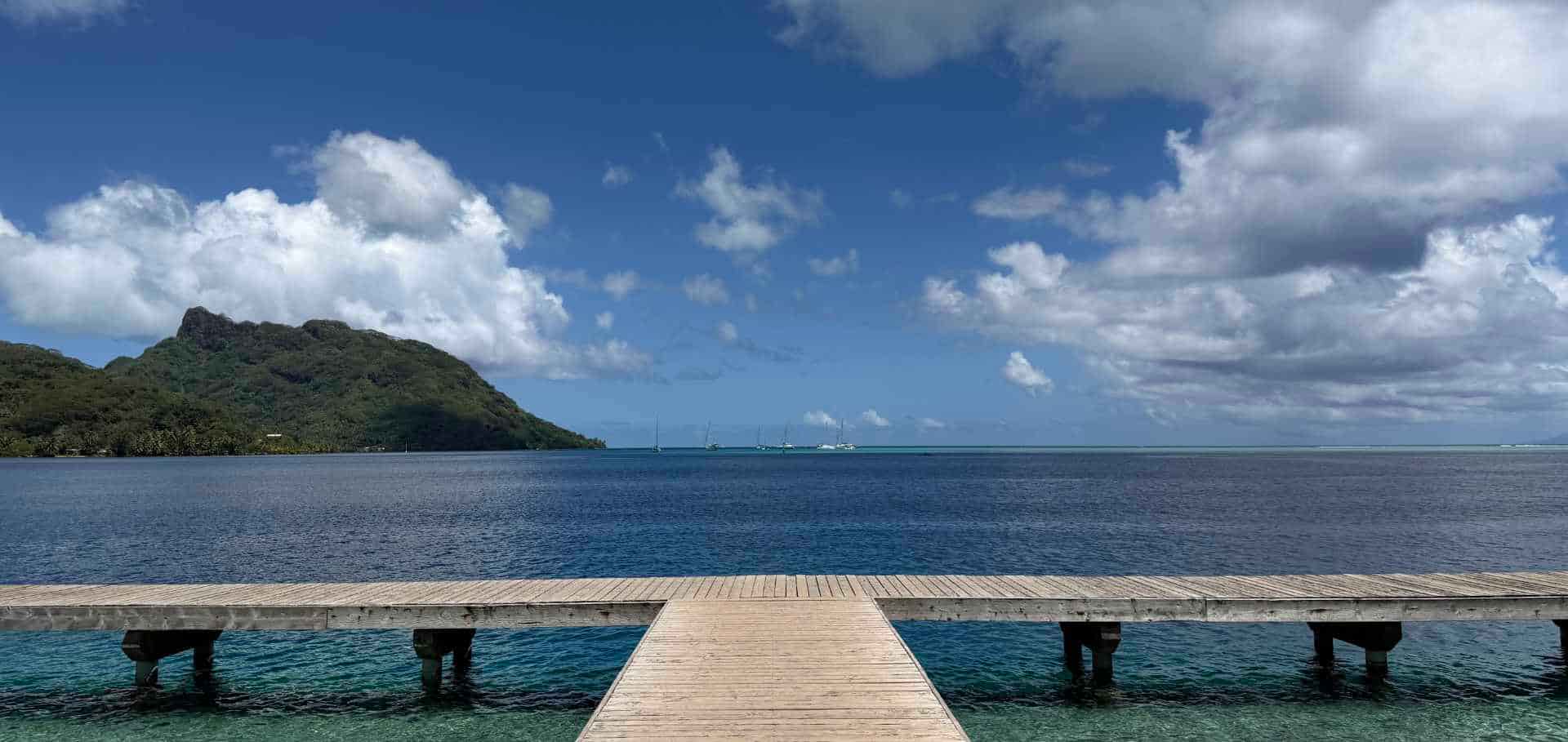
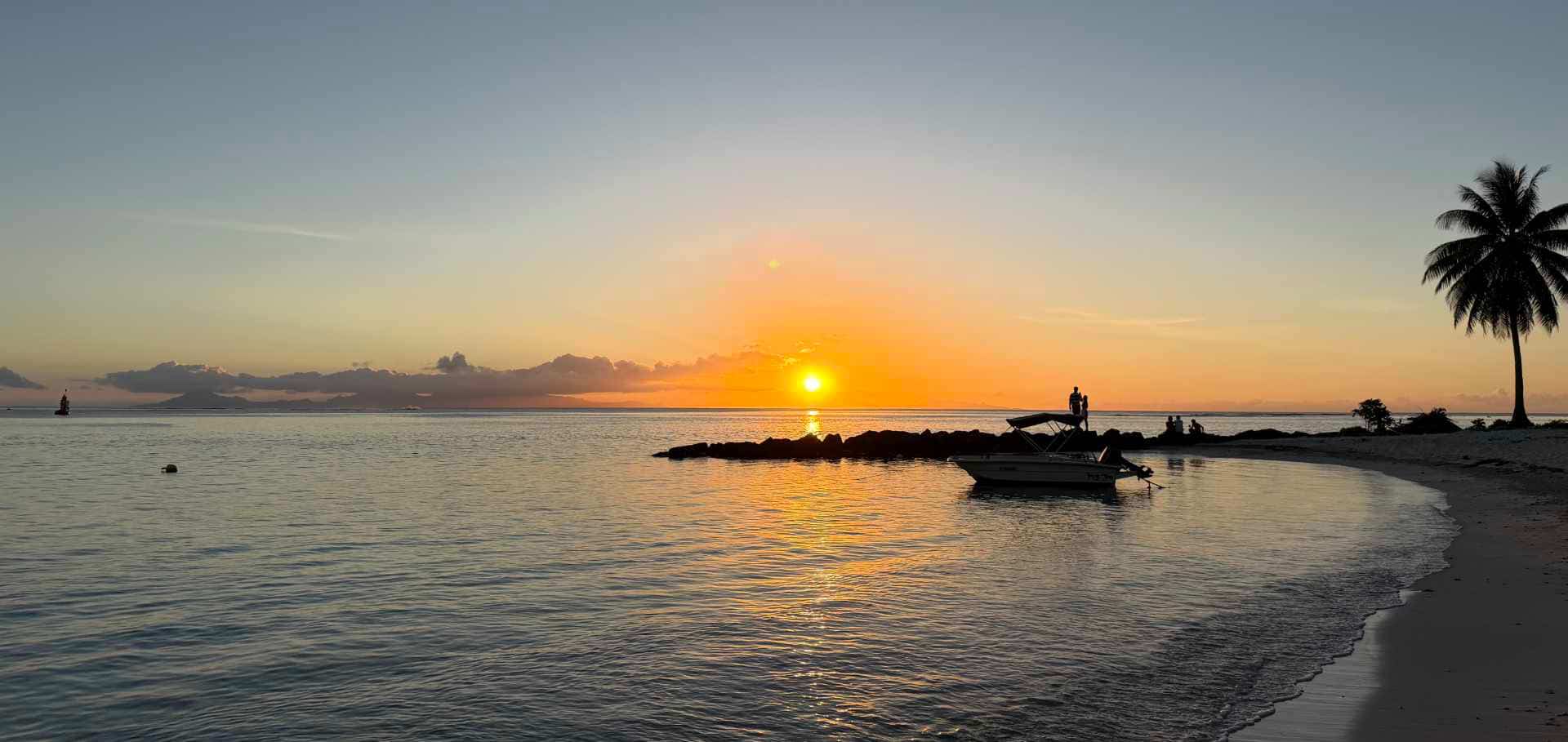
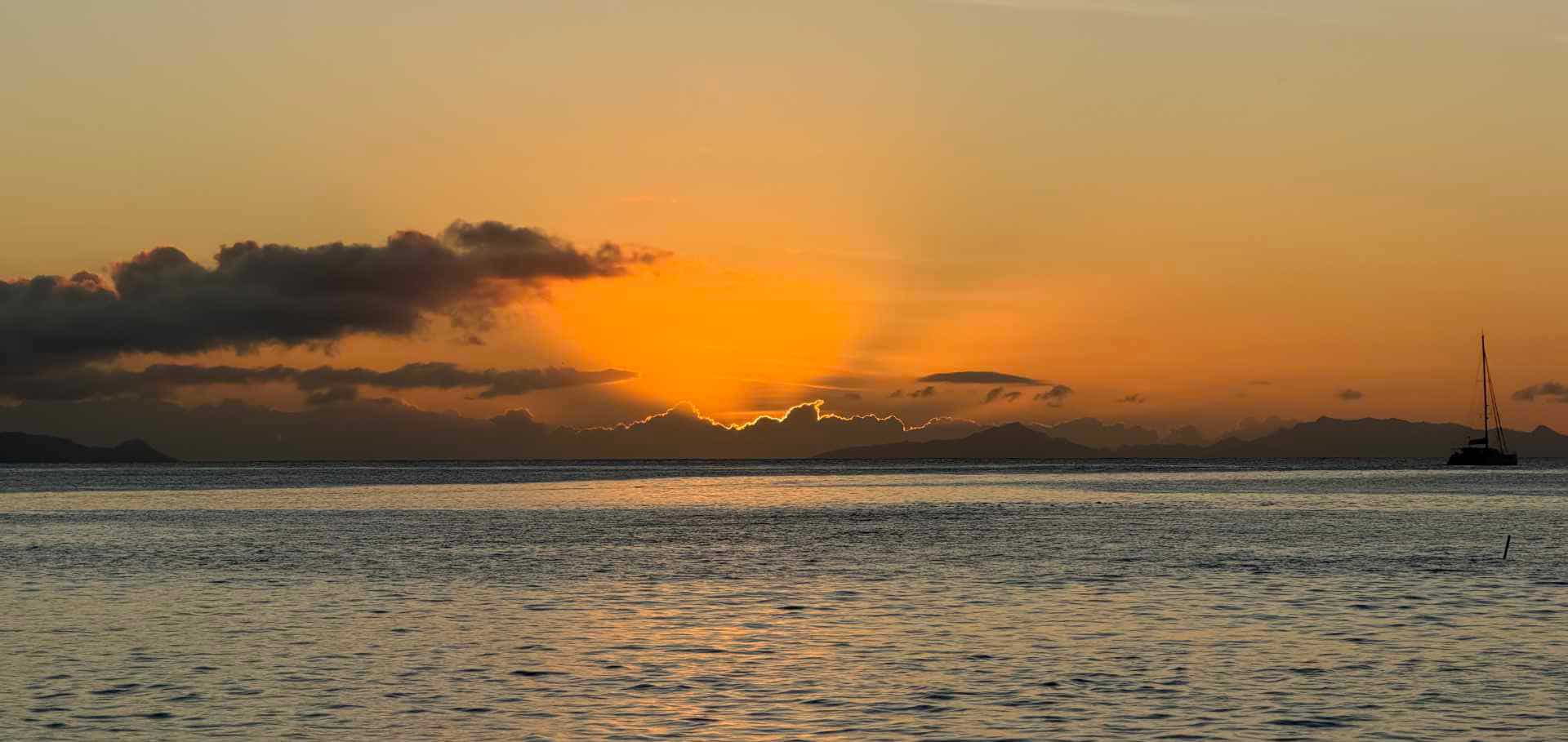
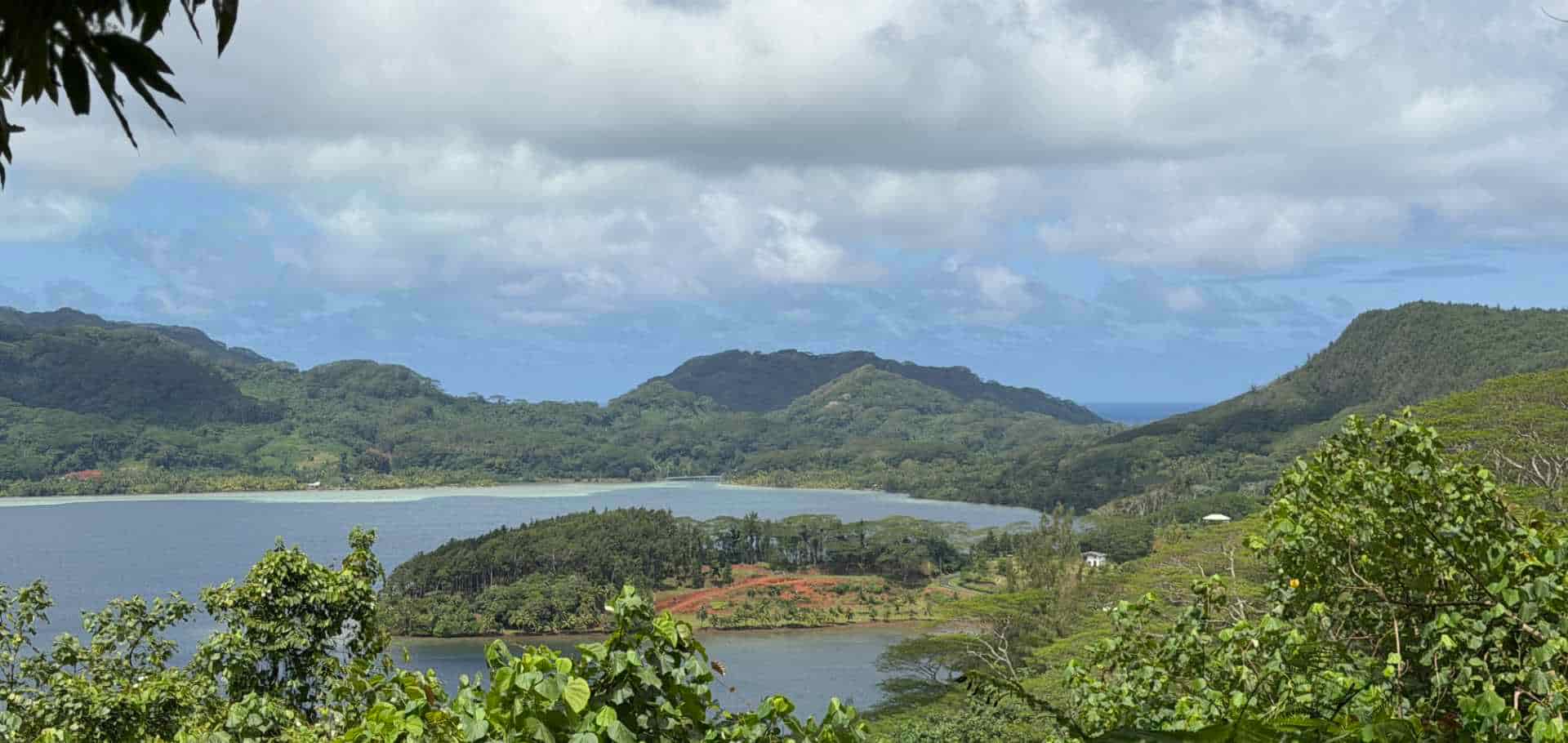
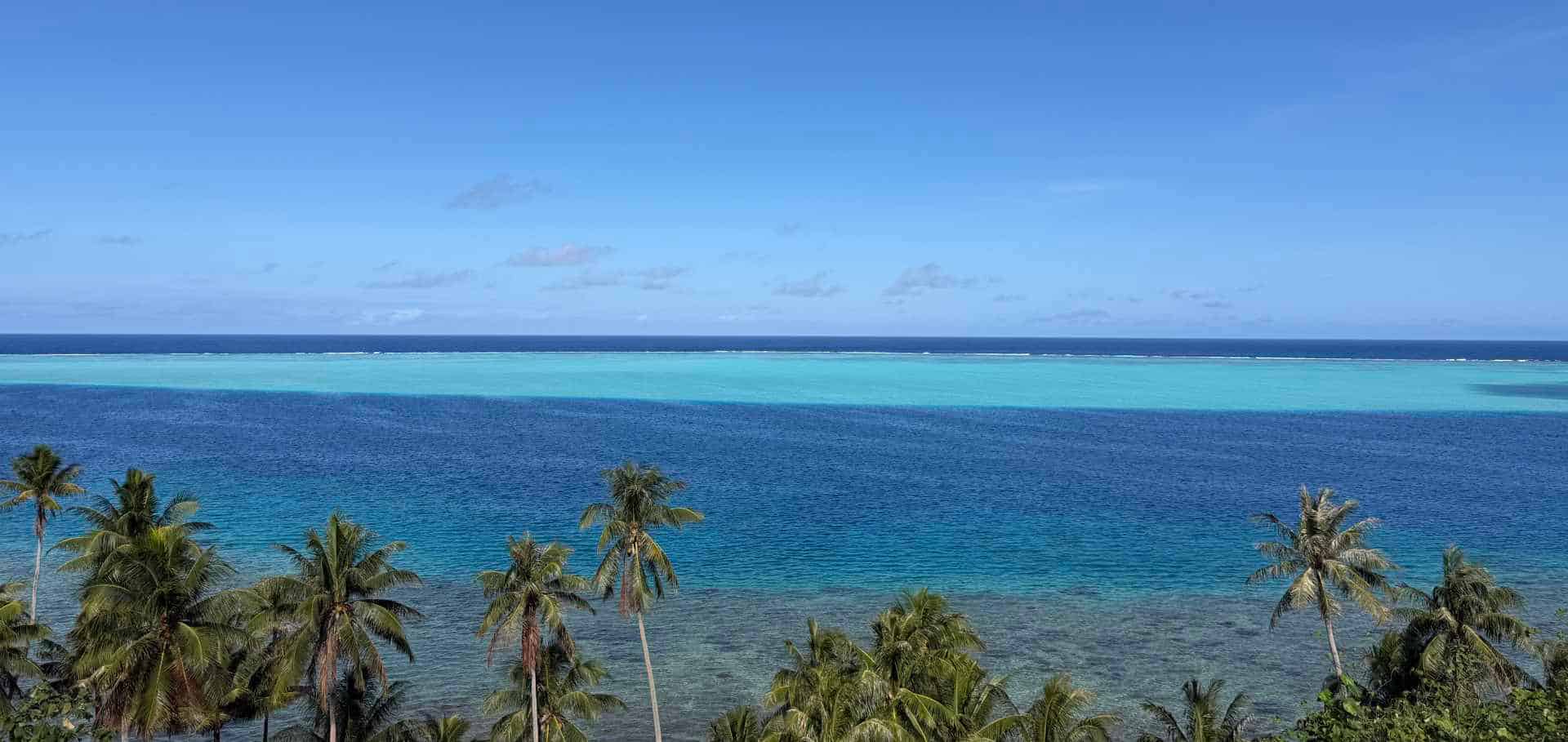
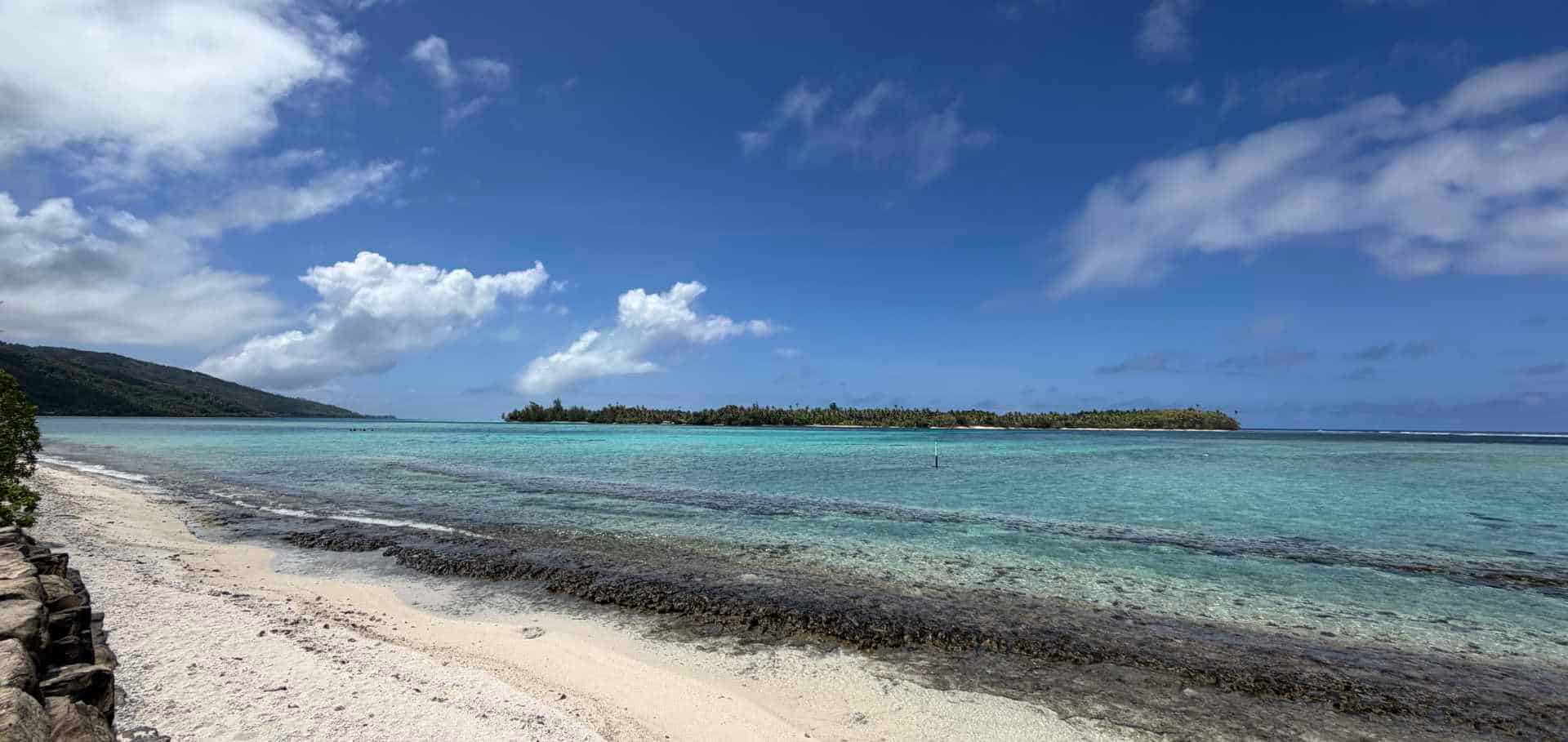
Along the shallow, sun-warmed lip of Lake Fauna Nui, the warm Pacific tide slides through V-shaped walls of dark volcanic rock, where local families still scoop up silver mullet using stone traps carved into the island's memory during the dawn of Polynesian voyaging. This wet basalt maze does not stand as a dry, forgotten monument to the past, but thrives as a living larder of water, tide, and collective hunger. An ancient, functional covenant written in rock.
Fast Facts for the Modern Explorer
- Direct Definition: Huahine is a dual-island volcanic sanctuary in French Polynesia's Leeward group, historically called Mata’irea, bound by a single protective barrier reef.
- Current Relevance: The island remains a vital cultural fortress protecting functional pre-contact archaeological sites, active stone fish traps, and the authentic Ma'ohi way of life.
- Practical Duration: Spend four to six days to slow your pulse, trace the stone ruins, and absorb the quiet rhythms of the lagoon.
Heavy green air fills the lungs. In the mountain shadow of Faie village, giant blue-eyed freshwater eels twist through the cold creek bed like thick silk ropes, waiting for children to drop small bits of fish into the tea-colored water. Elders watch from wooden porches while their skin, mapped with deep indigo ink, tells of old ocean paths and families rooted to this damp volcanic soil. A quiet, daily communion under the shade of heavy breadfruit palms.
The Shield of Mata’irea
The past here has teeth. In the late 1970s, while bulldozers cleared sand for a beach hotel, the waterlogged soil of Fa’ahia yielded massive three-meter steering paddles and double-hulled canoe planks dating back to 950 CE, a time when Western navigators still hugged the coastlines of Europe in fear of the open sea. These preserved wooden relics proved that the early islanders possessed unmatched maritime skill, carving their way across thousands of miles of wild blue ocean with nothing but stars to guide them. Iron-hard wood saved by damp mud.
Stone outlasts the colonial sword. At Maeva, the political heart of the island, over 30 sacred stone marae platforms sit shoulder-to-shoulder along the lake, reminding visitors of a time when eight independent chiefs ruled in a rare, cooperative peace instead of fighting for absolute power. Even in 1846, when French warships threw cannon fire at these shores during the height of the Franco-Tahitian War, the local warriors stood their ground and drove the invaders back into the surf to keep their home free. A fierce, quiet victory carved in basalt.
Reflective Pause
A dry leaf of the breadfruit tree scrapes against the rough basalt of the altar, making a sound like paper drawn across coarse sand. The afternoon light filters through the green canopy, casting dappled, golden coins onto the dark volcanic rock. A low hum of the outer reef rolls across the lagoon, steady as a heartbeat in the warm air.
The Whispering Forest
We seek lost worlds in vain. Walking through the ruins of Mount Mata’irea, where the forest has slowly swallowed the ancient steps of highland temples, you realize that the old gods never left this place; they simply changed their names to survive the coming of the white sails and the black bibles. The communal warmth of the old stone temples lives on inside the timber walls of the local Protestant churches, where voices blend in deep, rhythmic hymns that sound like the ocean itself. A beautiful, stubborn survival.
Salt-air whispers through the palms. If you close your eyes for 60 seconds on this quiet shoreline, you do not see the blue water, but the dark, wet shape of a giant eel slipping through mountain cold, the rough texture of ancient basalt beneath your fingers, and the heavy mist rolling off the high green peaks. Huahine remains wild because its people guard the boundary between the sacred past and the modern tide, refusing to sell their quiet inheritance for quick gold. A rare, unbroken edge of the world.