Fast Facts for the Modern Explorer
- Direct Definition: Raiatea and Taha‘a are sister volcanic islands in French Polynesia, linked by a single continuous barrier reef and home to the sacred Taputapuātea marae.
- Current Relevance: Inscribed as a UNESCO World Heritage site, this system serves as the spiritual heart of the Polynesian voyaging renaissance.
- Practical Duration: Spend four to six days navigating the lagoon, vanilla plantations, and stone shrines to grasp their deep heritage.
The Scene
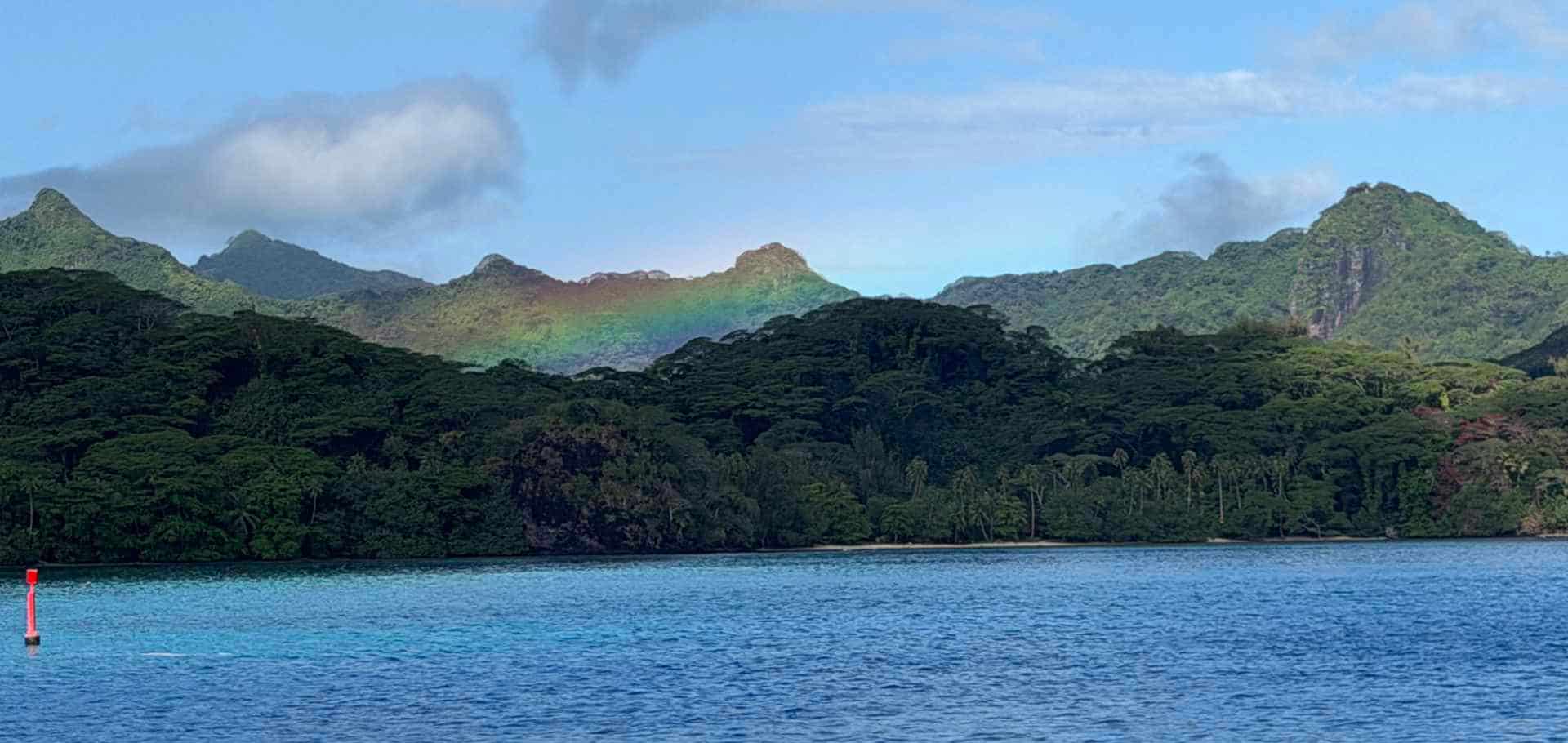
Sweet vanilla hangs over the warm water. Across the green channel on Taha‘a, patient farmers use tiny bamboo splinters to marry the male and female organs of the wild orchids before the hot equatorial sun burns the yellow blooms to grey ash. This thick, sugary grease mingles with the sharp, mineral sting of wild Pacific spray throwing itself against the outer reef with tireless force. We breathe in the rich memory of ancient crossings. A heavy draft of salt and sugar.
Basalt blocks rise from the dark ground. These massive, water-worn volcanic stones form the sacred paved courtyard of Taputapuātea, where ancient kings stood shoulder-to-shoulder to face the red glare of the rising sun while priests chanted the names of the dead. Under bare feet, the sun-bleached coral slabs of the courtyard feel rough, porous, and intensely warm. We feel the heavy weight of old kingdoms pressing against our heels. A threshold of bone-white stone.
The Conflict and the Covenant
The settlement began long ago. Around 1000 CE, when Norman knights first crossed the English Channel to claim Saxon lands, bold voyagers from the west sailed their double-hulled canoes into this calm lagoon to build a new home. These sailors founded Havai‘i, which quickly grew into the spiritual axis of the South Seas, drawing navigators across thousands of miles of trackless ocean. We touch the cold basalt and feel their massive journey. A cradle of deep ocean travel.
Power shifted in the fourteenth century. While the Black Death ravaged the walled cities of medieval Europe, the blood-red cult of ‘Oro rose to dominance at Taputapuātea, binding distant islands in a tight, sacred web of ritual tribute and geopolitical command. Priests erected massive coral limestone uprights standing over two meters high to serve as physical seats for the fearsome war god. These stones held the ocean-going alliance together with terrifying force. An empire built on faith and stone.
The world changed in 1769. Just as industrial chimneys began to spit coal smoke into European skies, the HMS Endeavour dropped anchor in these clear waters under the command of James Cook. Cook relied on Tupaia, a brilliant Raiatean high priest and master navigator, who mapped over seventy islands using only his ancestral knowledge of wind, currents, and stars. This fateful meeting of two worlds changed the Pacific forever. A collision of sails and stars.
Reflective Pause: A yellow hibiscus leaf floats face-down in the salt water, its edges curling like burnt paper. The midday heat coaxes the sharp, oily scent of wet basalt from the paved courtyard. In the stillness, the small scratch of a hermit crab across a dried leaf sounds like a sudden intake of breath.
The Living Insight
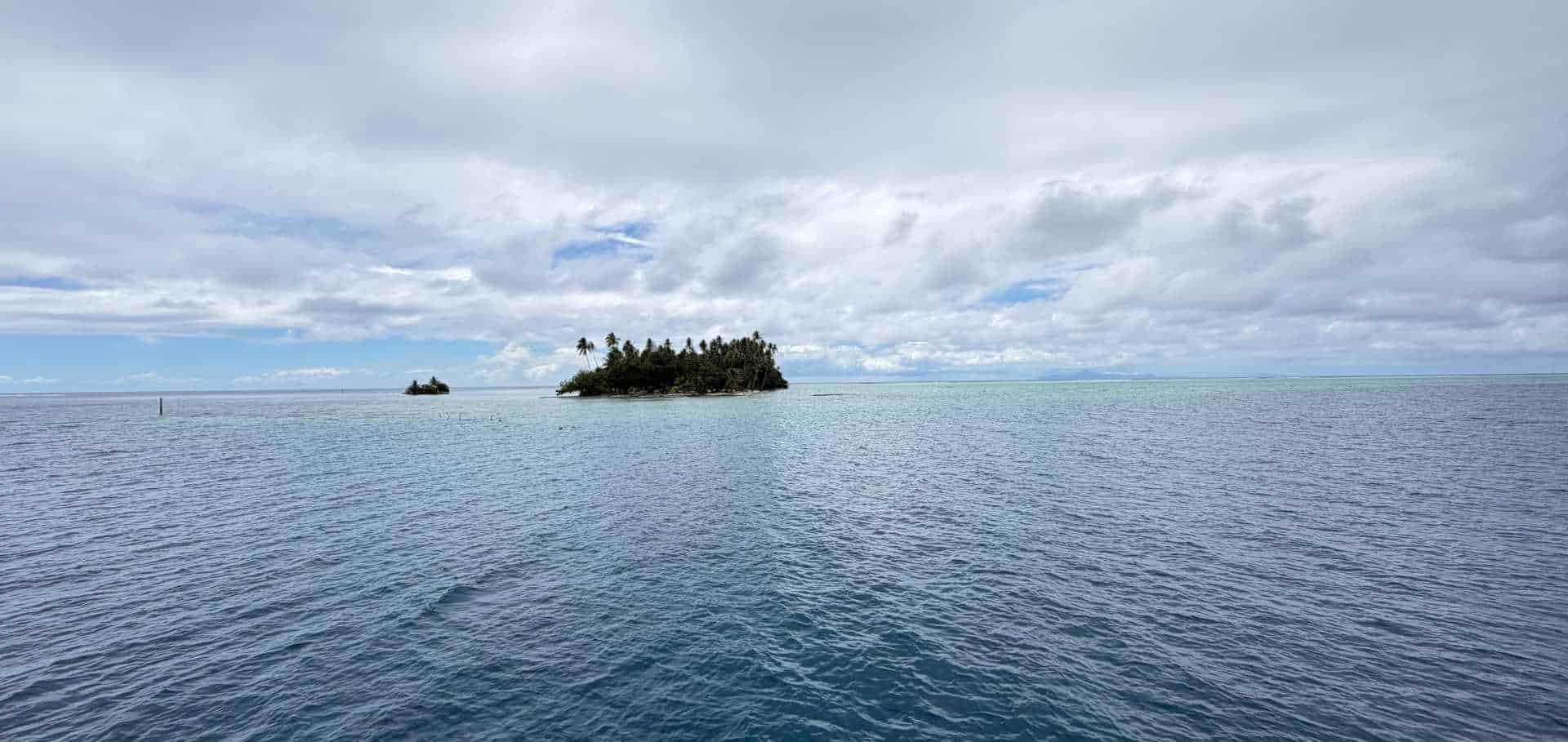
The lagoon yields a different wealth today. Inside the deep, cool passages, black-lipped oysters cling to long ropes, turning grit into dark, shining pearls that mirror the peacock-green depths of the shared sea. Artisans nucleate each shell with patient hands, grafting a tiny bead of Mississippi mussel shell into the living flesh of the oyster. This delicate, slow work requires deep quiet and clean water to succeed. A harvest of light and water.
The sacred pass still beckons us. In 2017, when UNESCO inscribed Taputapuātea on its world heritage list, the global community finally recognized what the islanders always knew: this water is a highway, not a barrier. Today, modern double-hulled canoes sail through Te Ava Mo‘a to test their hulls against the open sea, guided only by the swell and the birds. They find their way home by the stars. A living map of the sky.
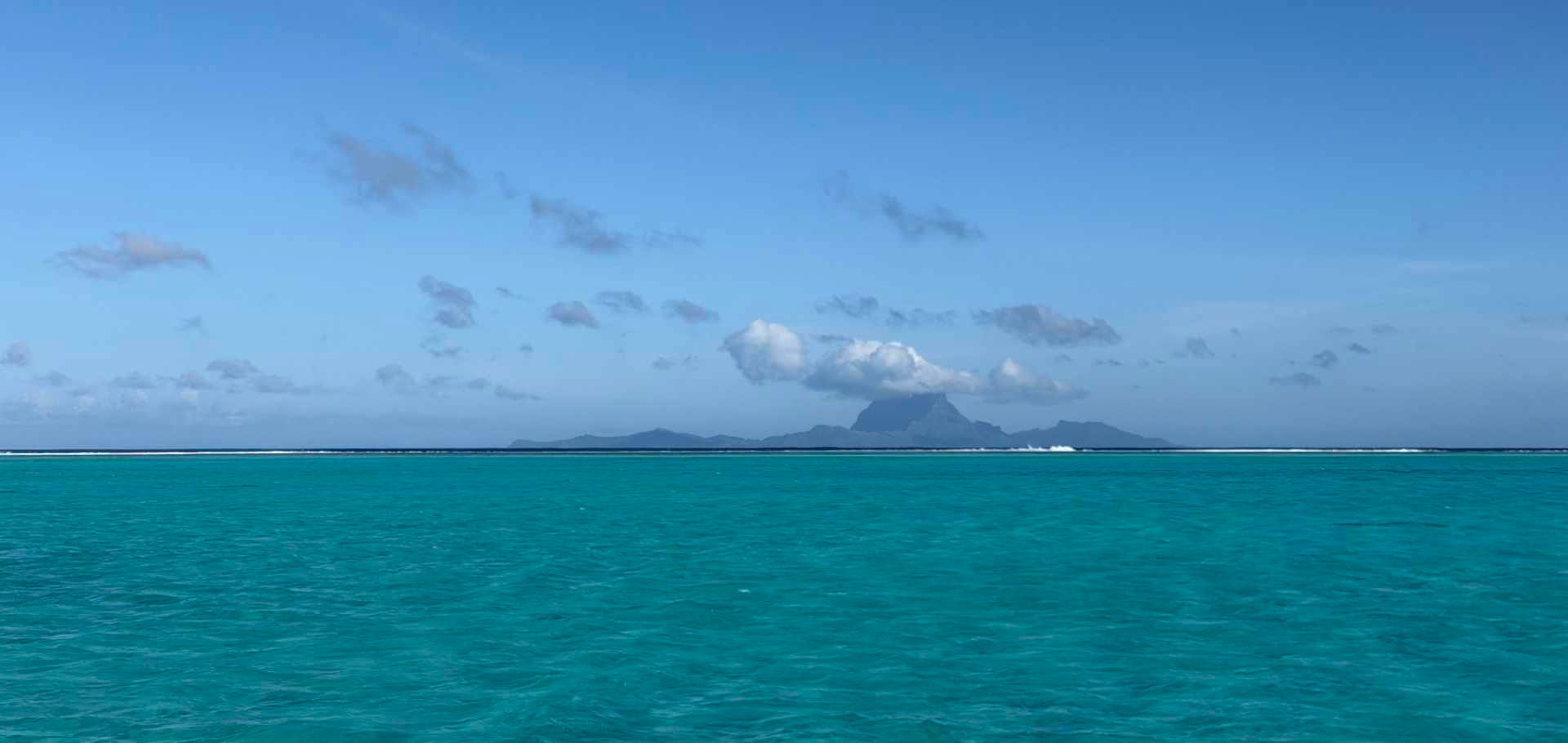
We return to the shore. The salt still stings our lips as the wind carries the smell of sweet, curing vanilla over the ancient, water-worn basalt stones of Opoa. This landscape demands that we look beyond our own small horizons to see the world as a single, connected ocean. If you close your eyes for sixty seconds on this shore, you see only the clean, blinding flash of white sails against the dark, humped silhouette of the sacred island. The water waits.