Fast Facts for the Modern Explorer
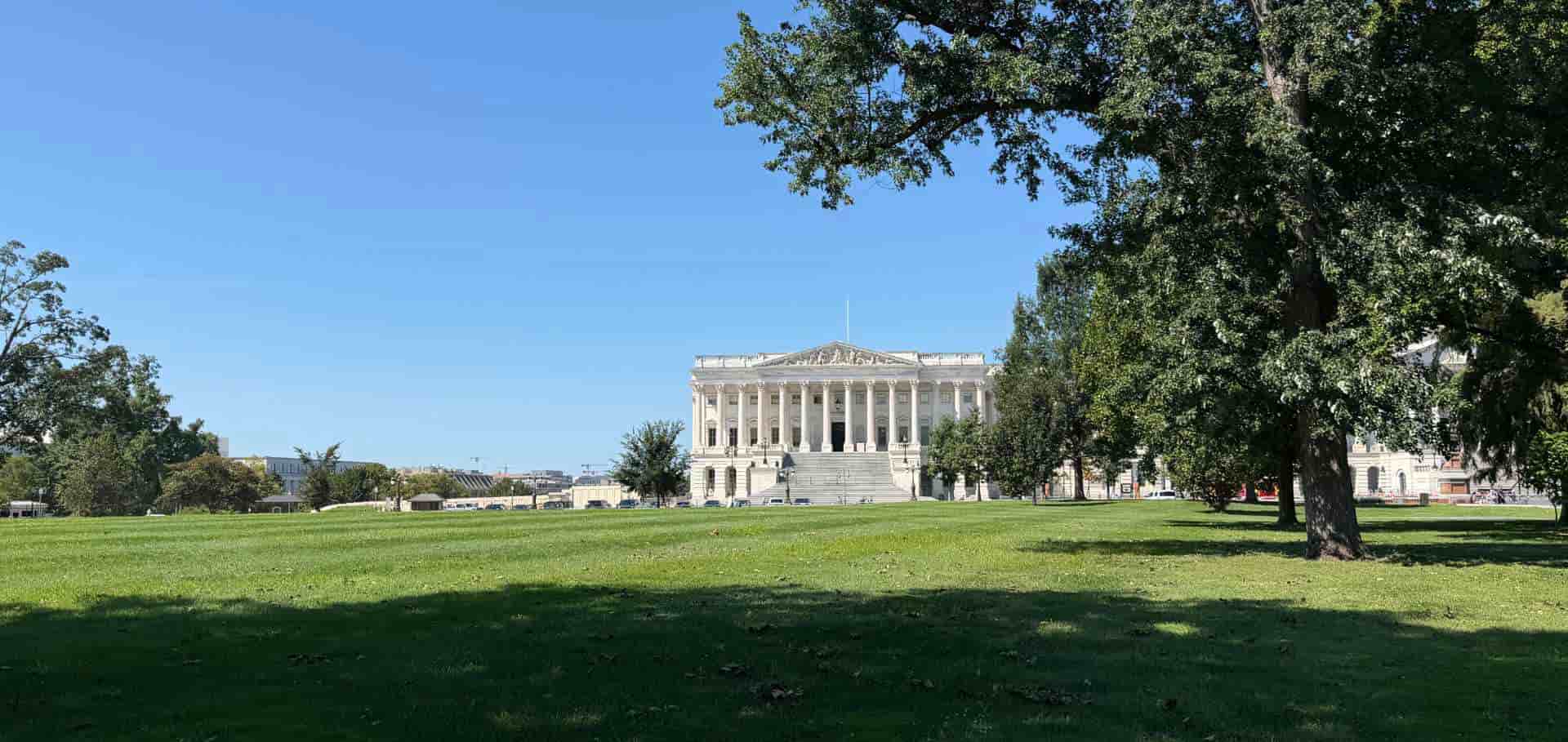
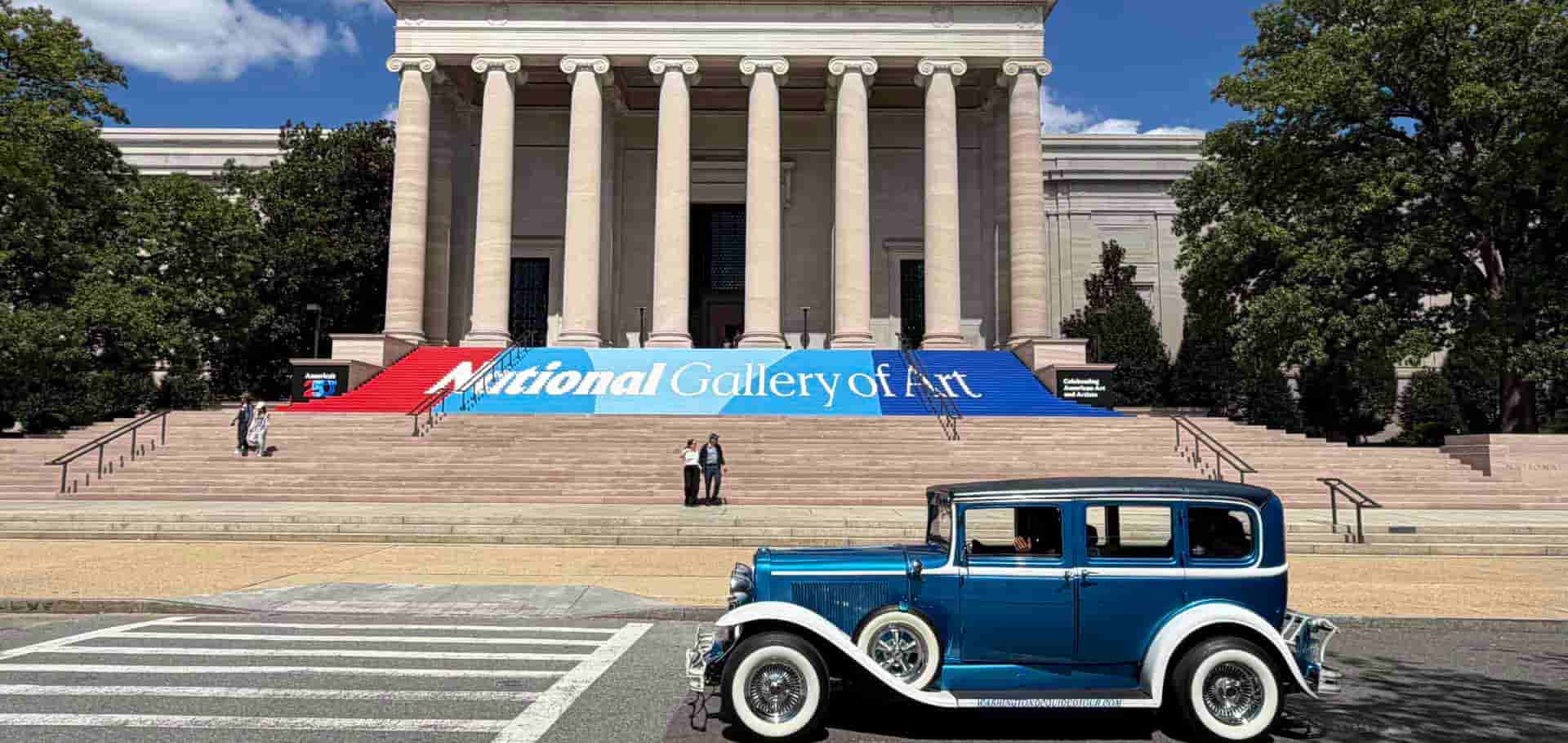
- Direct Definition: The monumental core of Washington, D.C. is a highly structured federal parkway and civic landscape, designed in 1791 to project the democratic ideals of the American republic through neoclassical and gothic architecture.
- Current Relevance: Today, the National Mall serves as both the premier national stage for civic protest and a vulnerable ecological zone facing severe tidal flooding from the rising waters of the Potomac basin.
- Practical Duration: Exploring the full architectural sweep from the marble temples of the Mall to the soaring heights of the National Cathedral requires three full days of slow, walking exploration.
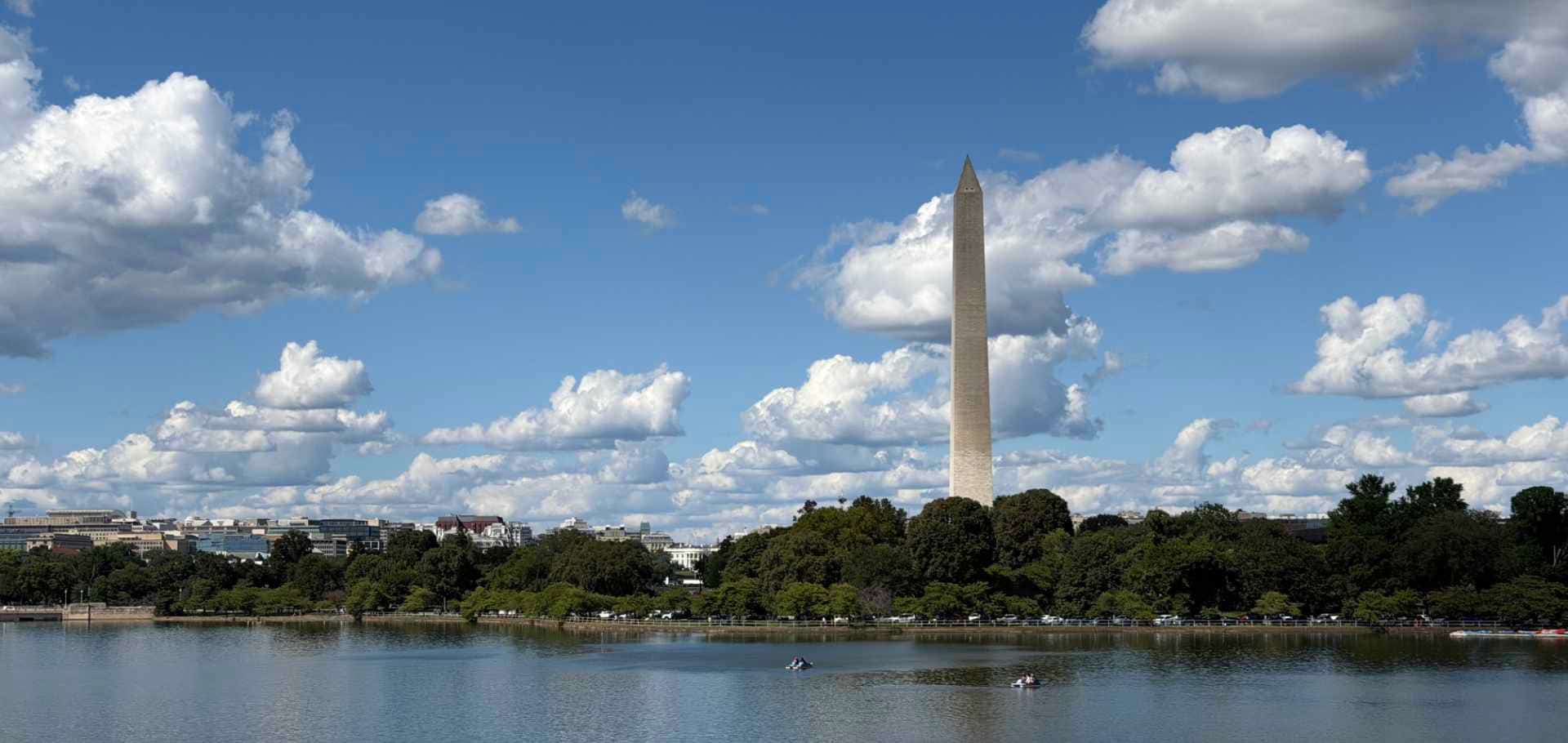
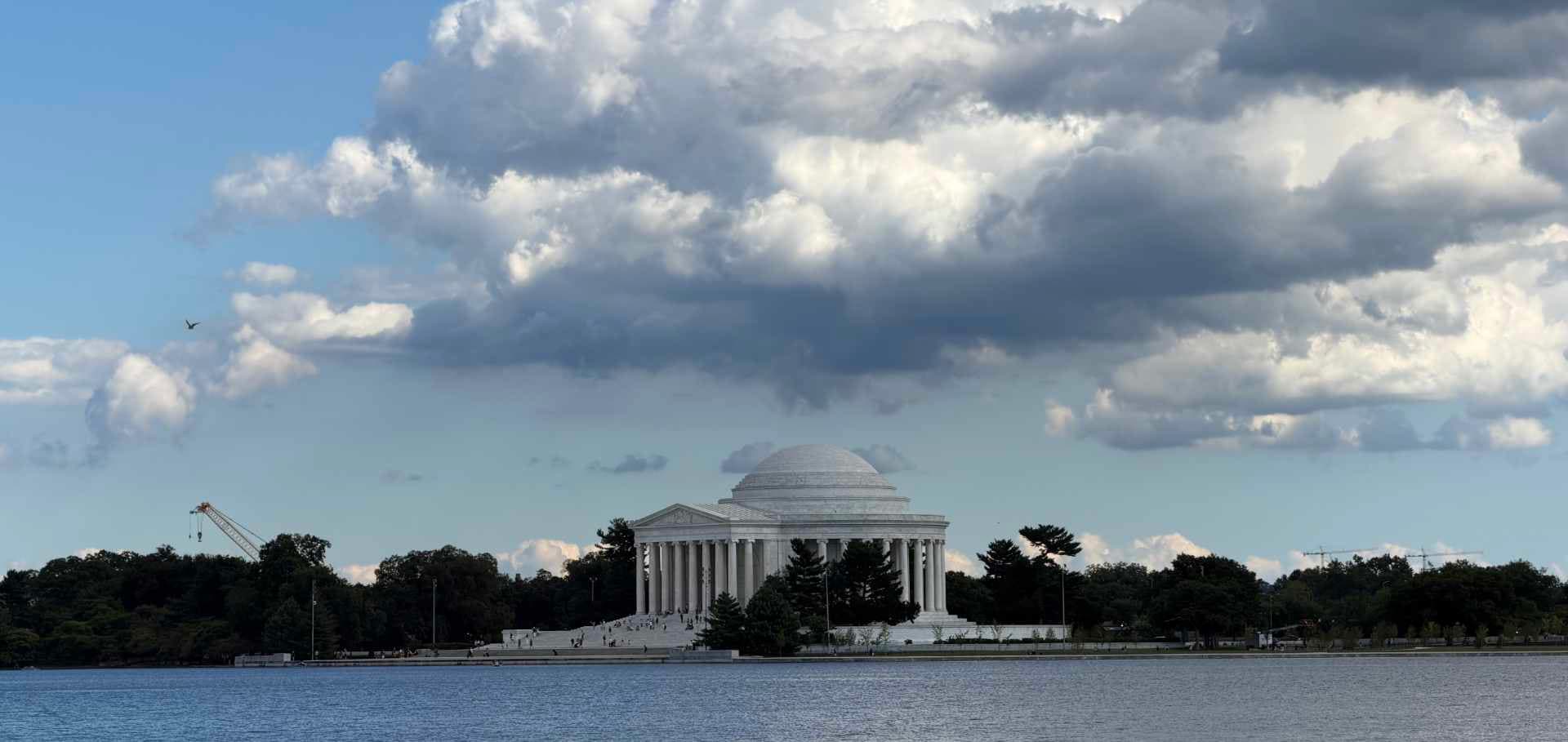
The air smells of hot, wet stone. Standing at the edge of the Tidal Basin, where the brackish water laps persistently against cracked concrete barriers, one feels the heavy weight of an imperial city built on shifting, reclaimed ground. The grand white monuments do not float in some clean, untouchable heaven; instead, they sink slowly into the low-lying mud of the Potomac River with every passing season. We trace the green patina of copper domes under a harsh, yellow sun. It is a quiet, physical struggle against gravity.
Train tracks hum underfoot. Step inside the colossal cavern of Union Station, completed in 1907 during the peak of the Beaux-Arts revival, where the soaring barrel vaults glow under the light of sixty-foot-high arched windows. Here, the hurried clatter of thousands of daily commuters echoes against cold granite walls that mimic the grand public baths of ancient Rome. This space does not merely welcome visitors; it humbles them with the sheer scale of national confidence. It is a theater of motion and stone.
Power demands a stage. When the Residence Act of 1790 established this federal territory, signed during the fragile infancy of the American presidency, a French engineer named Pierre L’Enfant drew a bold baroque grid directly onto the agrarian landscape of the American South. He envisioned wide avenues cutting through fields of tobacco, creating grand vistas designed to project the strength of a young, self-conscious republic. Yet this grand vision lay unfinished for over a century, stalled by political bickering and muddy realities.
The stone holds dark secrets. While the McMillan Commission of 1901 resurrected L'Enfant's plan to sweep away Victorian slums and railroad tracks, they built upon a foundation laid by enslaved hands. Records show that both the Capitol and the White House rose from the earth through the forced labor of men who cut timber and quarried sandstone while denied the very freedom they carved. We cannot separate the beauty of these white pillars from the sweat of the people who raised them.
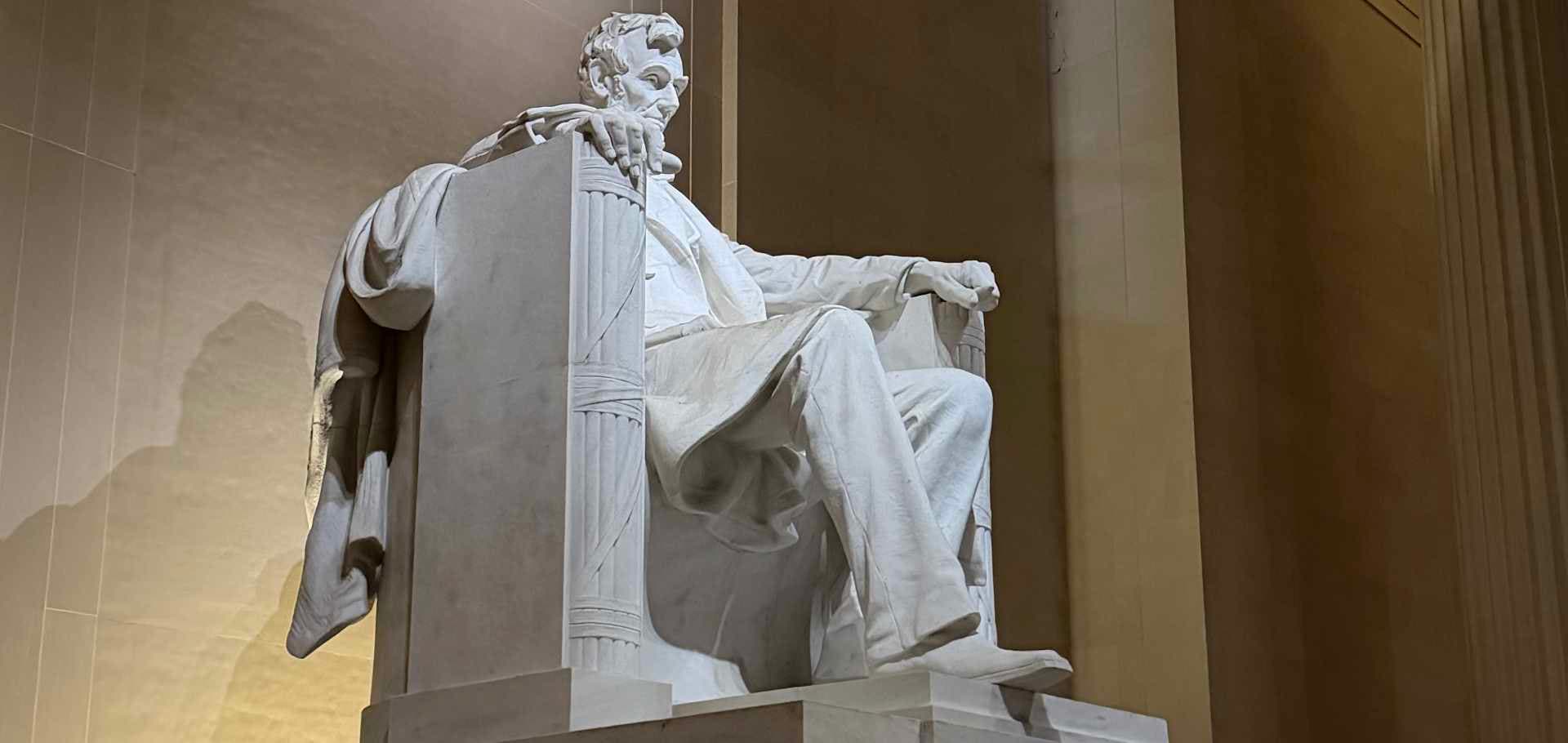
Reflective Pause: A single yellow leaf drifts across the cold marble steps of the Lincoln Memorial, scraping softly against the stone in the quiet morning air. The distant hum of highway traffic fades into the background as the first pale light of dawn catches the rough chisel marks left by long-dead stonecutters. In this brief, silent moment, before the crowds arrive to claim the concrete plaza, the monumental weight of the nation feels fragile, like dry autumn leaves scraping against the earth.
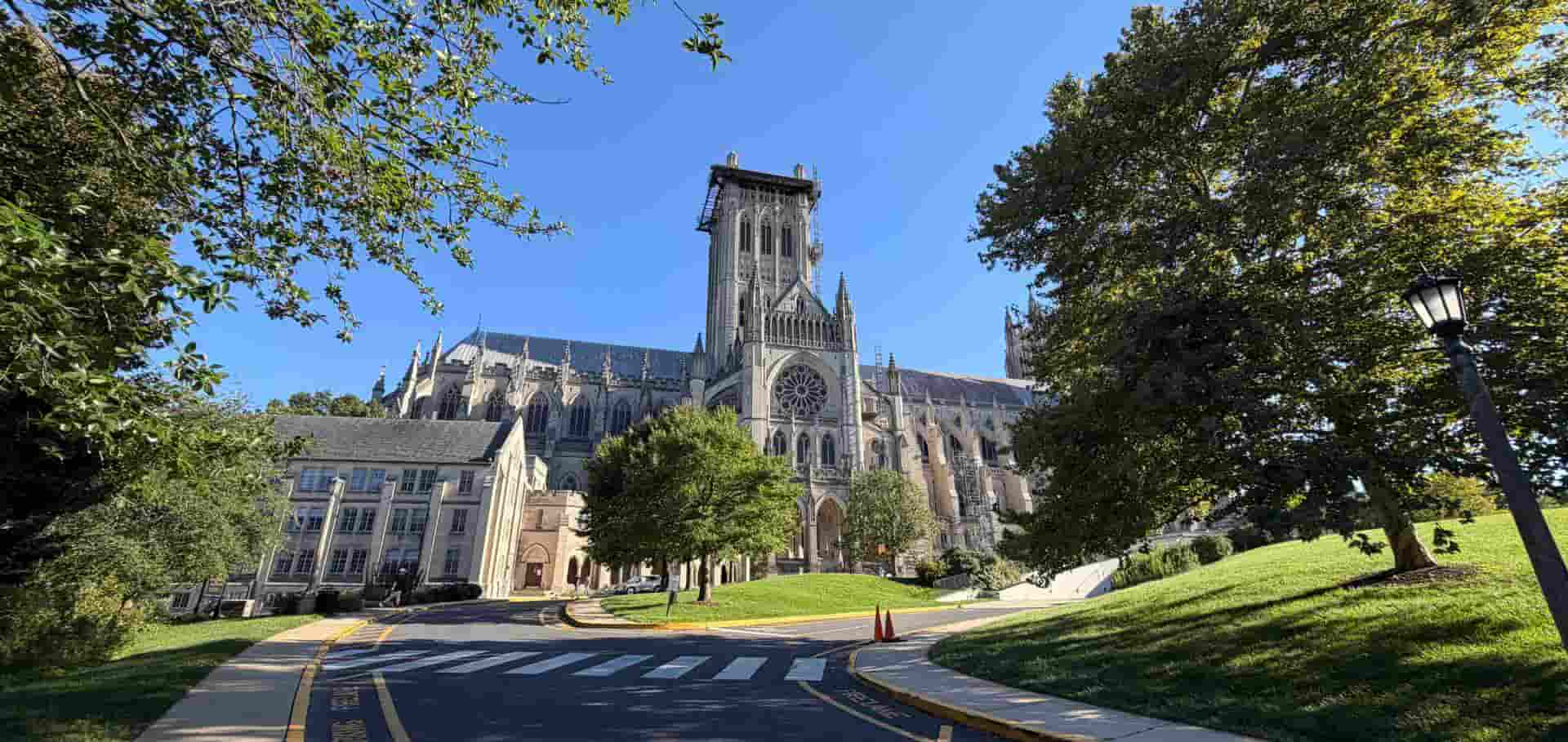
We climb toward the sky. On Mount Saint Alban, far above the neoclassical lowlands of the Mall, the Washington National Cathedral stands as a massive limestone mountain completed in 1990 after eighty-three years of meticulous stonecraft. Here, the soft, warm light of the late afternoon sun pours through stained glass, painting the cold, hand-carved stone arches in deep, bleeding shades of crimson and violet. This sacred space offers a quiet, necessary sanctuary from the brutal, transactional politics of the federal city below. It feels like a prayer carved into the ridge.
Close your eyes and the cold stone vanishes. You see only the warm, shifting shadow of an outstretched hand—belonging to the millions of citizens who gathered on this wide plaza in 1963 to demand a promise of basic human equality. This is the true monument of Washington, a sacred space defined not by its heavy imperial facades but by the diverse voices that have reclaimed it over the centuries. It lives eternally in the warm, loud breath of the gathered crowd.
The river keeps flowing. Below the grand neoclassical monuments, the sluggish Potomac still winds its way through the humid southern flats, carrying the heavy silt of an unfinished nation that continues to build, tear down, and redefine its core. We leave the marble steps with sweat on our skin and the echoes of old struggles in our ears, wondering if a republic built on such deep compromise can ever truly find its peace. The stone remains silent, but the dark water never stops moving.