Fast Facts for the Modern Explorer
- Direct Definition: The Midtown Manhattan Architectural Grid is a historic, three-dimensional urban grid that charts the evolution of modern construction from early Beaux-Arts ornament to minimalist glass curtain walls.
- Current Relevance: Under the climate mandates of Local Law 97, which took effect in 2024, owners are actively retrofitting these iconic glass facades with high-efficiency vacuum insulation.
- Practical Duration: Set aside four hours to walk the two-mile historic core, beginning at the vaulted concourse of Grand Central and ending in the quiet galleries of MoMA.
The concrete pavement hums. Deep beneath your boots, the low rumble of the steel subway train vibrates through vaults carved out when coal still choked the cold winter air. This rigid, unforgiving design forced a wild, rocky island to strip away its natural contours and grow straight toward the heavy clouds. We walk northward through a deep, sheer canyon of granite and glass where winter light pools only at the wide, stone crossings. A kingdom built on commerce.
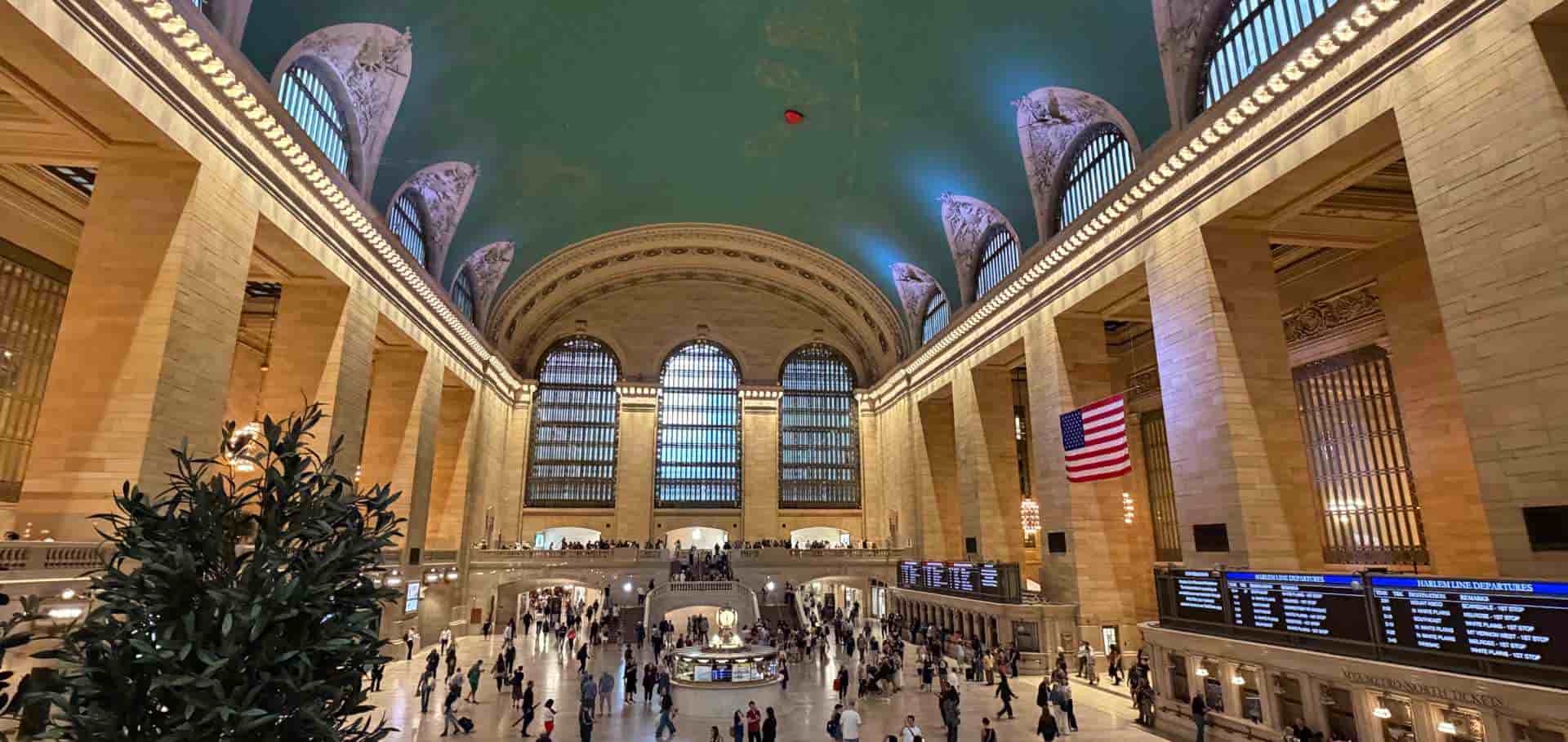
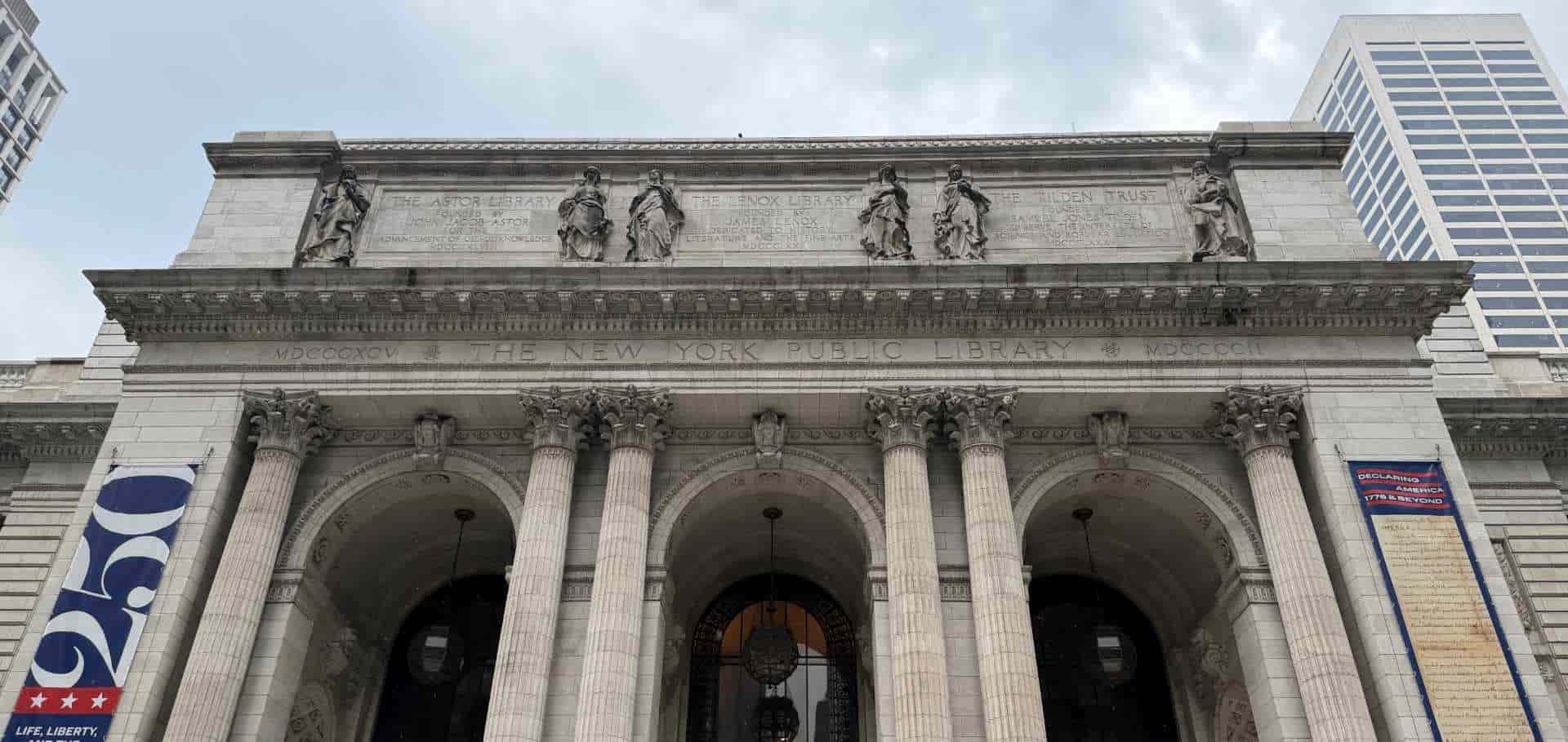
We touch raw history. At Forty-Second Street, the New York Public Library and Grand Central Terminal stand as grand monuments of the Beaux-Arts style, completed in 1911 and 1913 respectively to civilize a rough-edged city. Inside the great terminal, your eyes drift up to the vast, green-painted astronomical ceiling, but the real genius lies directly beneath your feet in the warm, interlocking terracotta tiles of the Guastavino vaults. These self-supporting, fireproof arches curve with organic grace.
The sky had limits. When the landmark Building Zone Resolution of 1916 passed to prevent rising towers from choking out the sun, architects had to carve away the sheer vertical faces of their structures. This legal constraint gave birth to the iconic "wedding cake" silhouette of the Chrysler Building, completed in 1930 during the desperate onset of the Great Depression. William Van Alen crowned this tower with a sunburst of brilliant, corrosion-resistant steel. A monument to speed and power.
High steel demanded fearless men. Up on the narrow, freezing, wind-swept beams of these rising giants, Mohawk ironworkers from the Kahnawake and Akwesasne reservations walked without safety nets to rivet the heavy metal skeletons of Midtown together. These Indigenous laborers navigated the thin air hundreds of feet above the stone pavement, transforming their ancestral trade paths into vertical pathways of steel and sweat. Their sheer courage built the iconic skyline we now take for granted. We walk daily in their silent shadow.
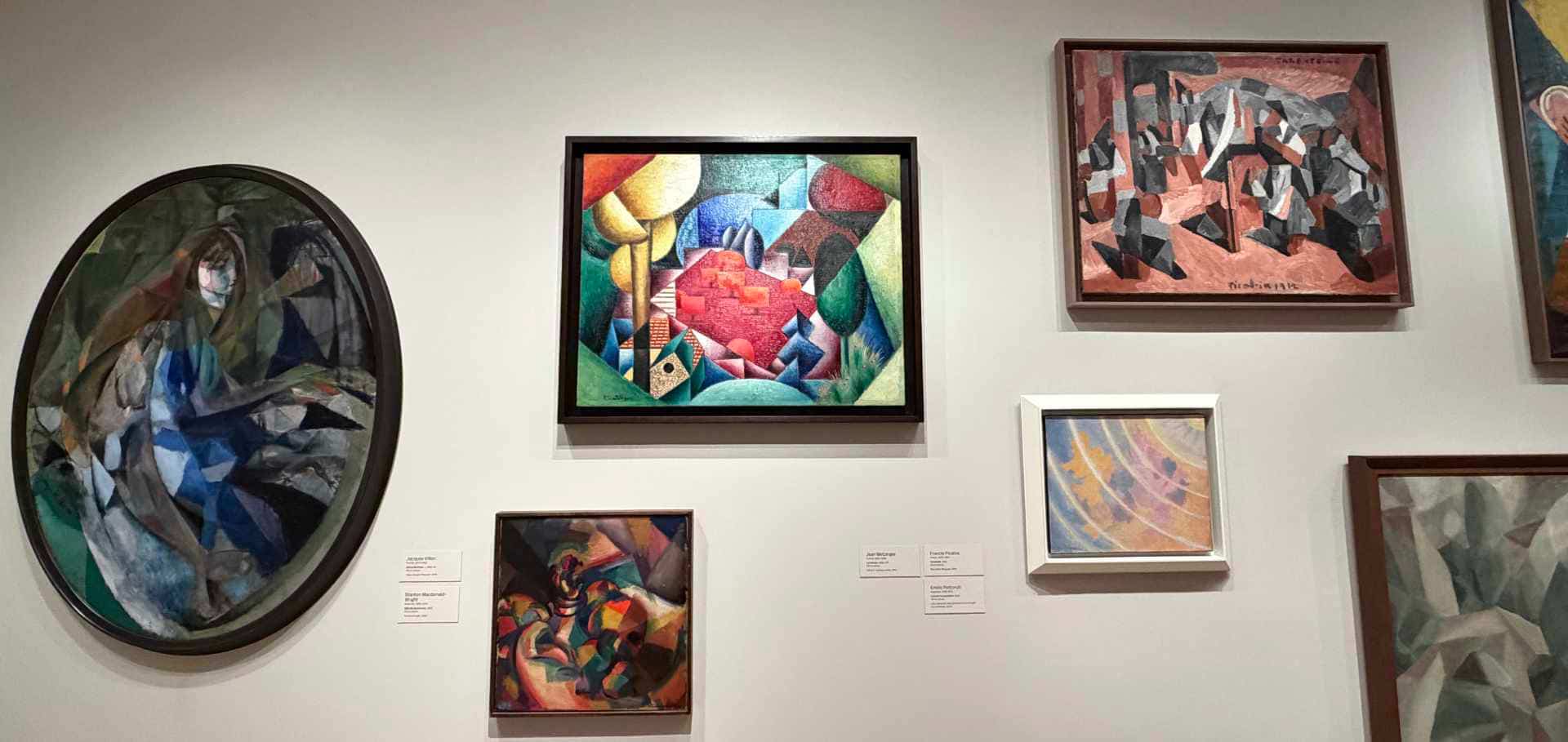
Three women rewrote the rules. In 1929, just as the stock market crashed, Abby Aldrich Rockefeller, Lillie P. Bliss, and Mary Quinn Sullivan bypassed the conservative art establishment to champion the radical, living art of the modern age. Their bold vision eventually found its permanent anchor on West Fifty-Third Street inside a ground-breaking building designed by Goodwin and Stone in 1939. They boldly traded the heavy, historical limestone of the past for light, steel-framed glass curtain walls. A clean, intellectual break.
Reflective Pause: The late afternoon sun strikes the edge of a steel window frame, casting a sharp, silent needle of light across the concrete floor. A single grain of dust dances in the quiet beam, suspended between the roar of the street outside and the cool silence of the gallery. We breathe in the faint, dry scent of aged paper and floor wax.
We enter the quiet box. Inside Yoshio Taniguchi’s 2004 minimalist expansion of MoMA, the chaotic roar of Midtown dissolves into soaring, white-walled galleries where masterpieces hang in serene, climate-controlled isolation. This transition from raw, industrial construction to clean, intellectual abstraction finds its ultimate, physical expression at the kitchen table of The Modern, the acclaimed restaurant overlooking the sculpture garden. Here, the silent kitchen team translates the sharp geometry of the surrounding museum directly onto your plate. Art becomes edible.
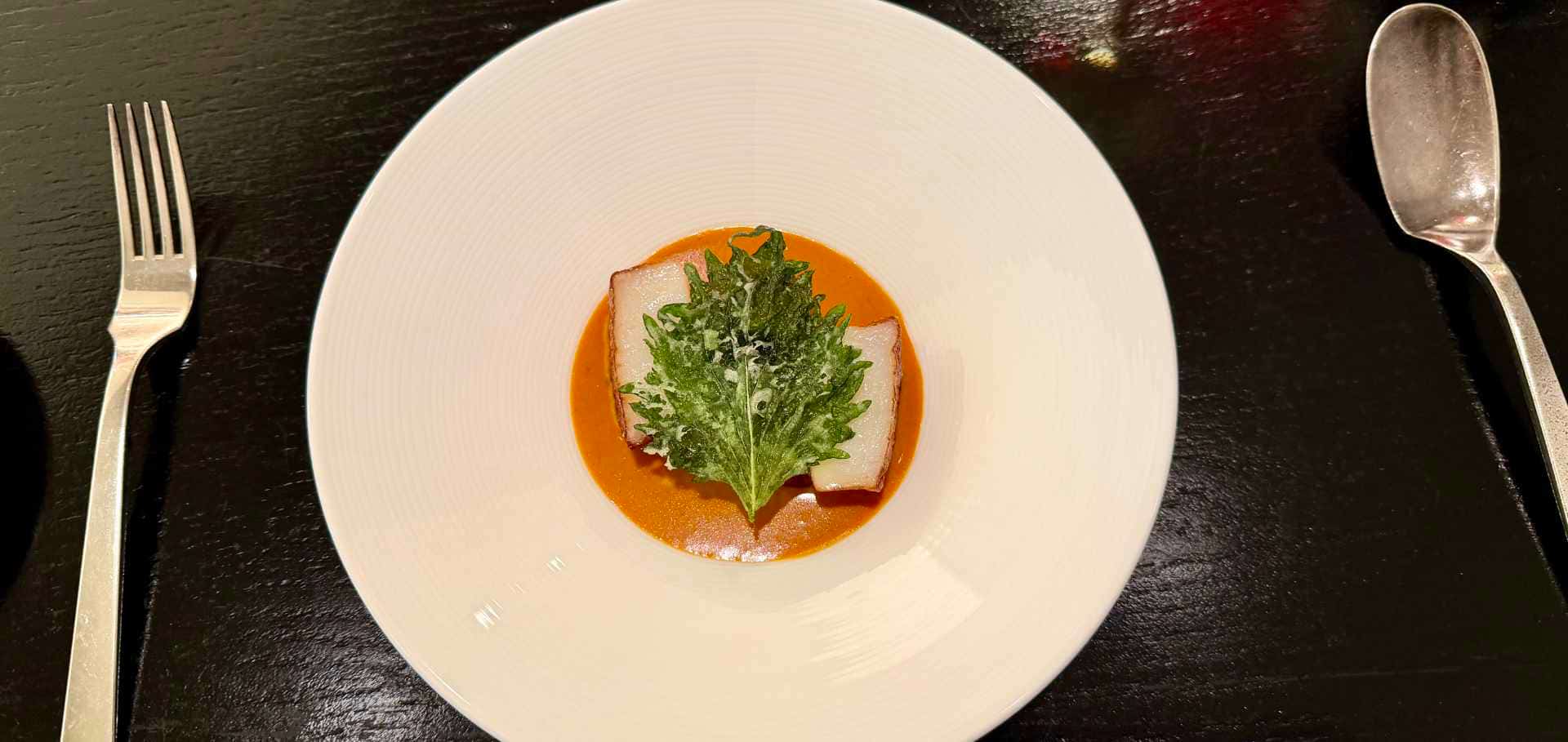
Taste mimics the architecture. A pristine dish of pan-seared scallops served with summer squash and sharp, mineral-rich goat cheese mirrors the clean, deliberate lines of a modernist canvas. The meal ends with a deconstructed New York cheesecake, where the heavy, historicist block of traditional diner cake is broken into light, geometric shards of sweet meringue, tart fruit gelée, and rich cream. This sweet dish mirrors the way the modernist avant-garde broke down old representations into pure, emotional form. The city, beautifully digested.
The grid remains restless. As you close your eyes for sixty seconds amidst the hum of West Fifty-Third Street, you do not see the towering steel, but rather the warm, lingering red glow of tail lights burned onto your eyelids. This transient spark reminds us that beneath the glass facades and the strict zoning laws, the city is a living, breathing beast of collective energy. Will we continue to refine this vertical landscape into pure, cold glass, or will the raw, human hunger that built it always break through the clean lines? The street steam rises, waiting.