Fast Facts for the Modern Explorer
- Direct Definition: The Empire Stores is a late nineteenth-century brick warehouse complex in Dumbo, Brooklyn, beautifully repurposed into a bustling market and cultural hub.
- Current Relevance: Reopened in 2016 alongside the 2017 NYC Ferry launch, the site connects urban commuters to historic waterfront commerce through culinary and public spaces.
- Practical Duration: Spend two hours exploring the wooden beams, tasting local foods, and walking the rooftop terrace.
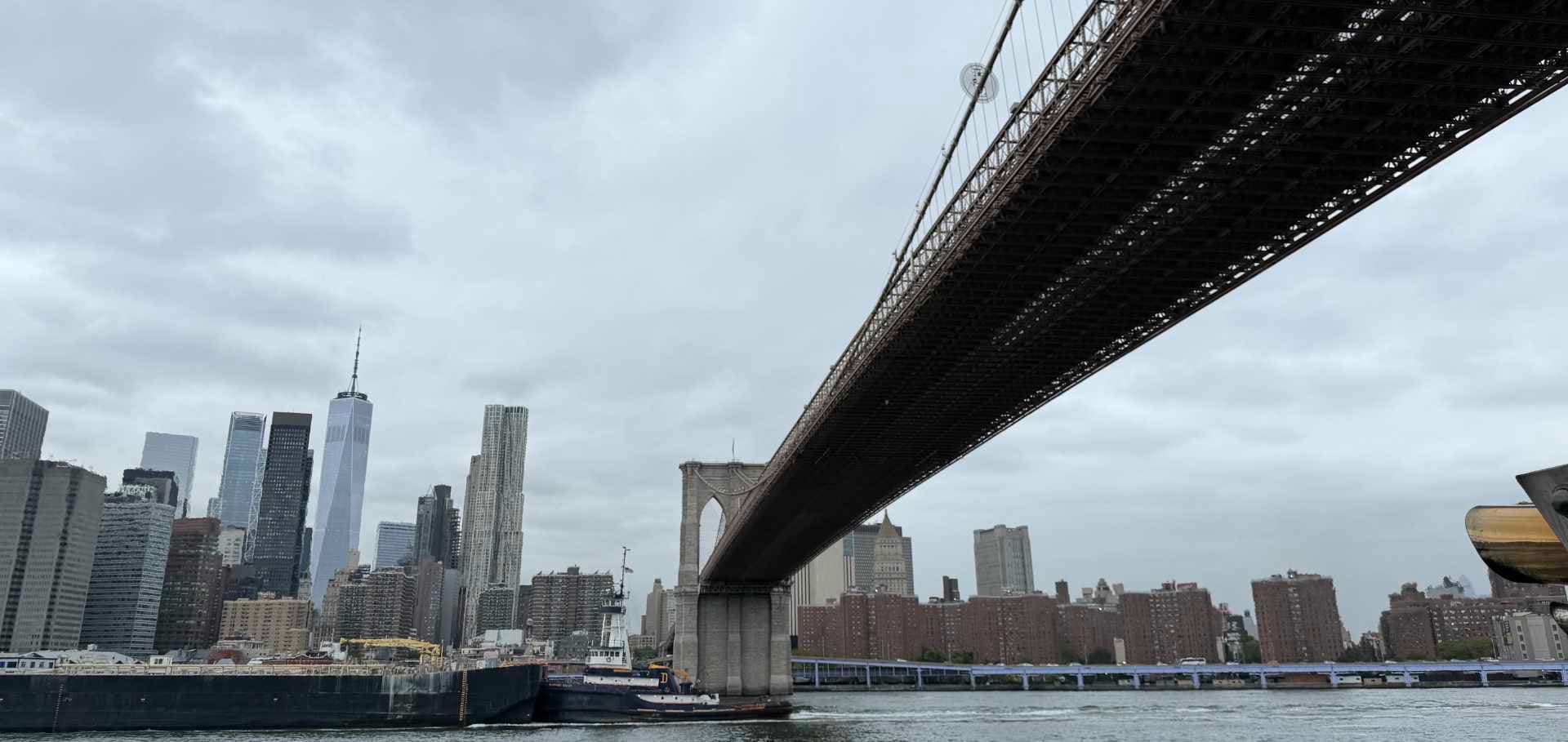
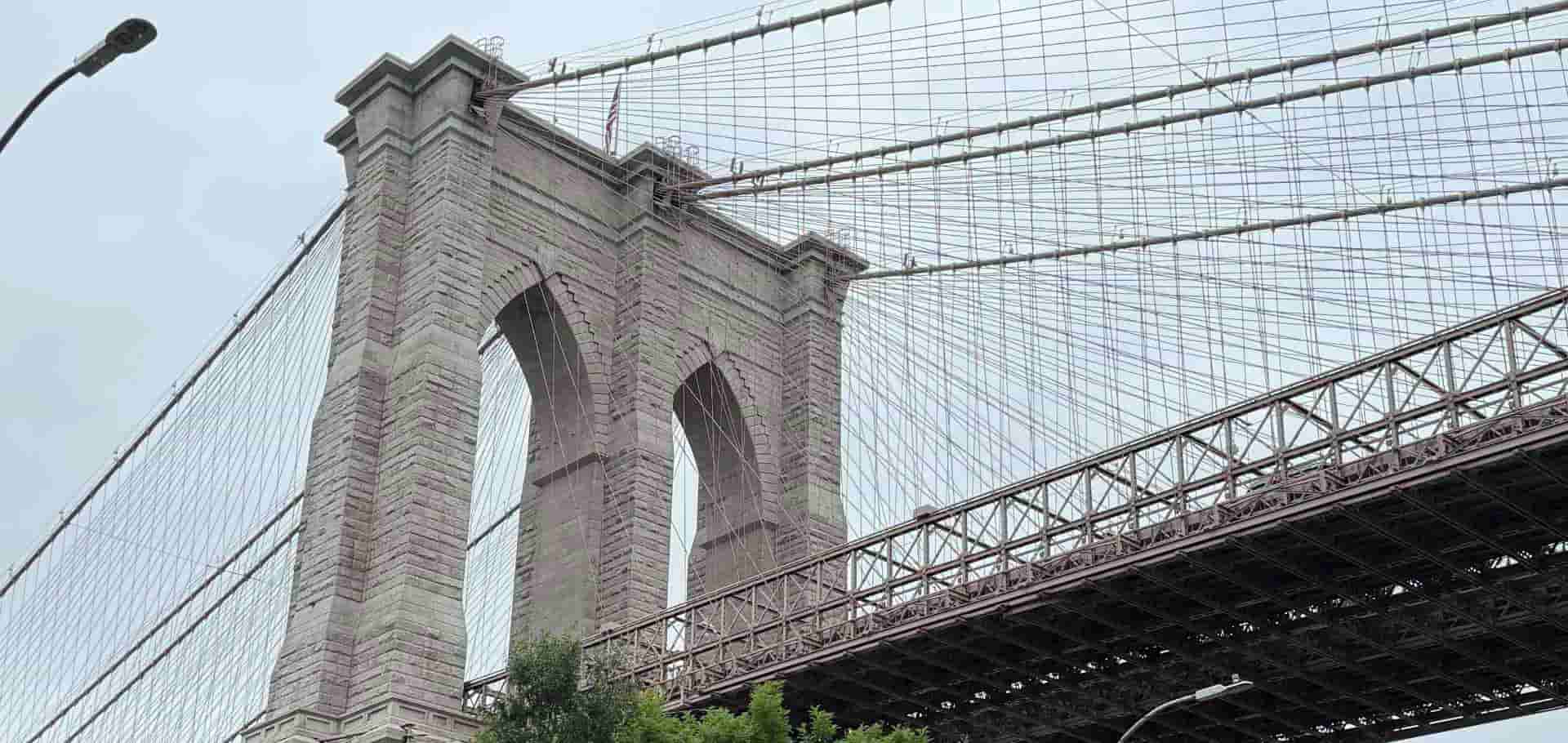
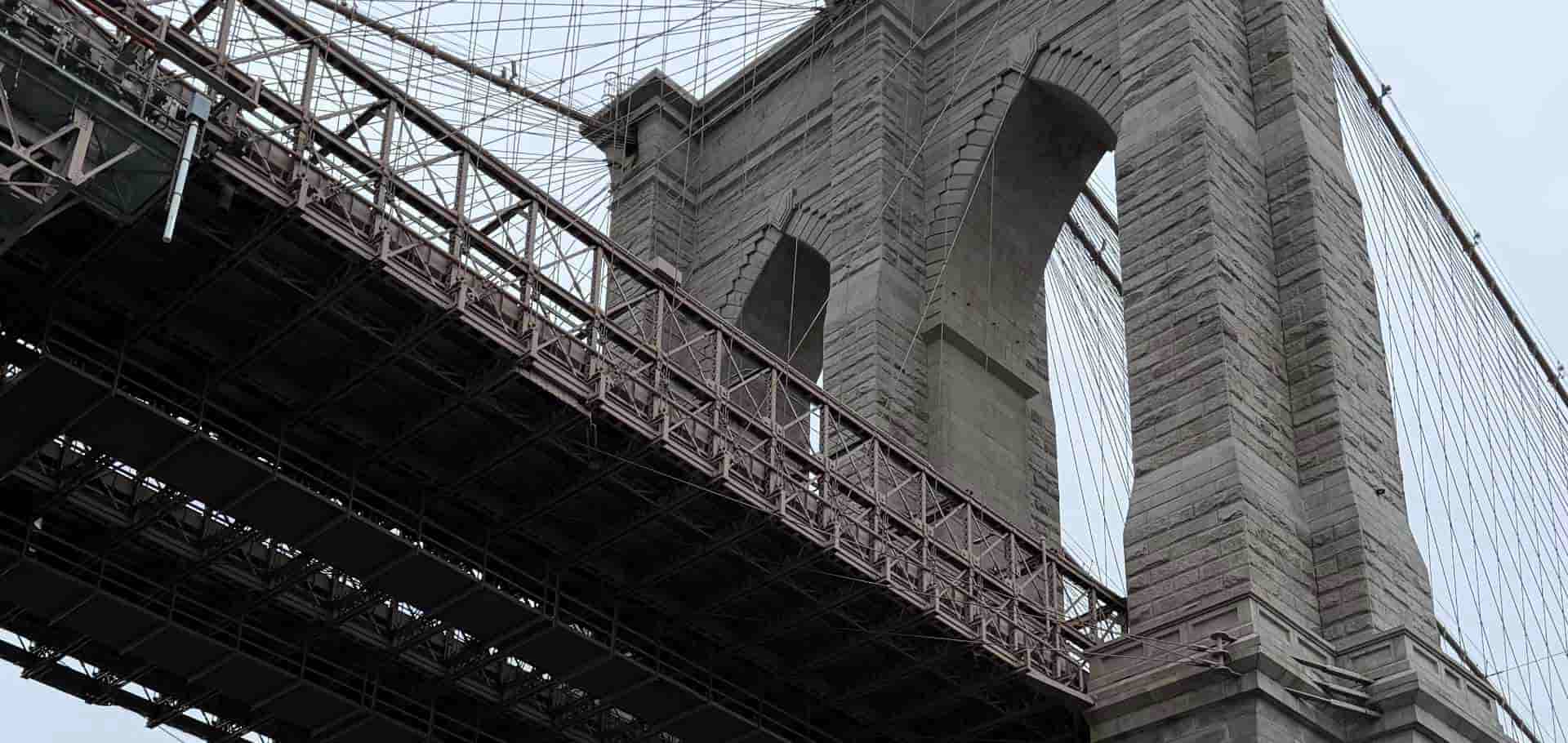
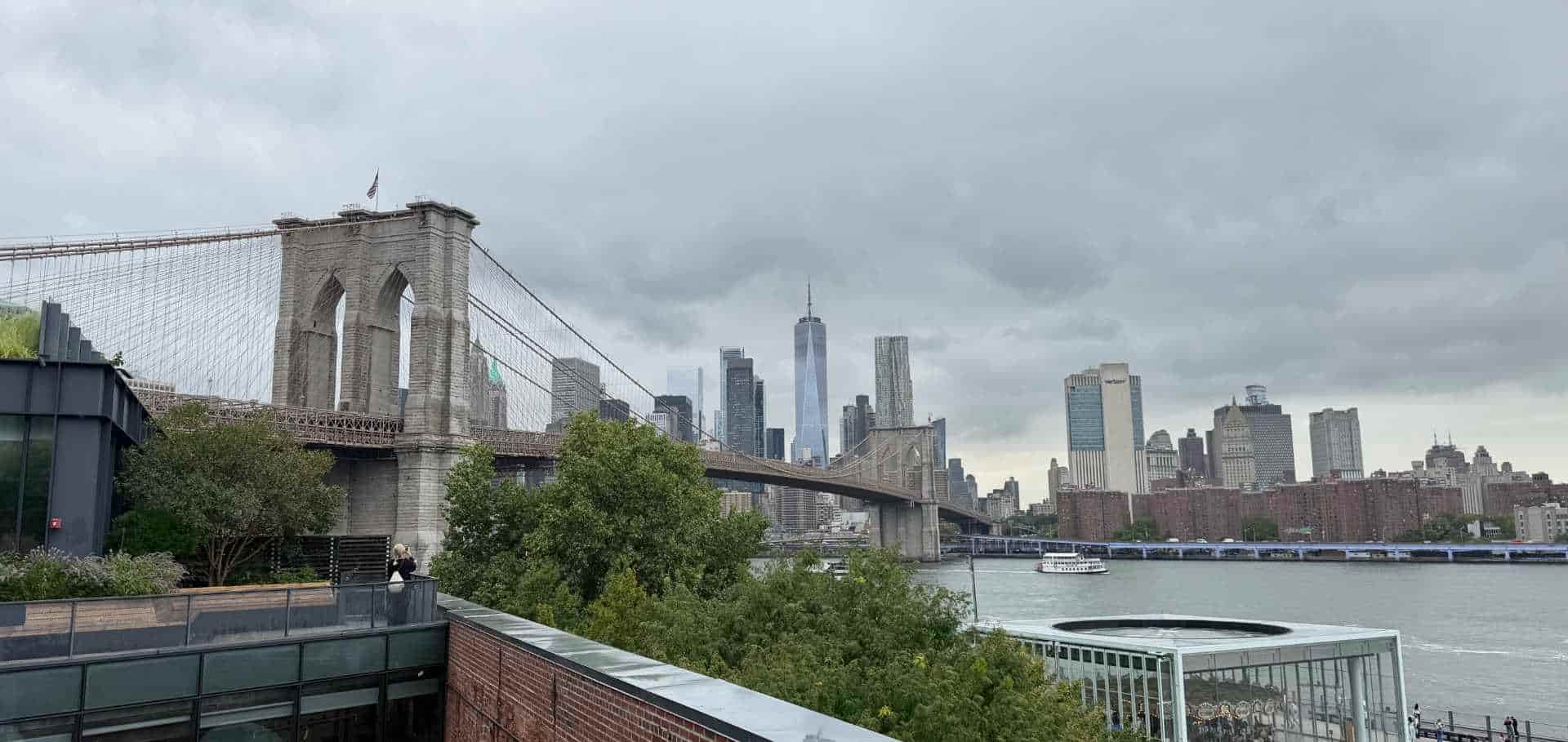
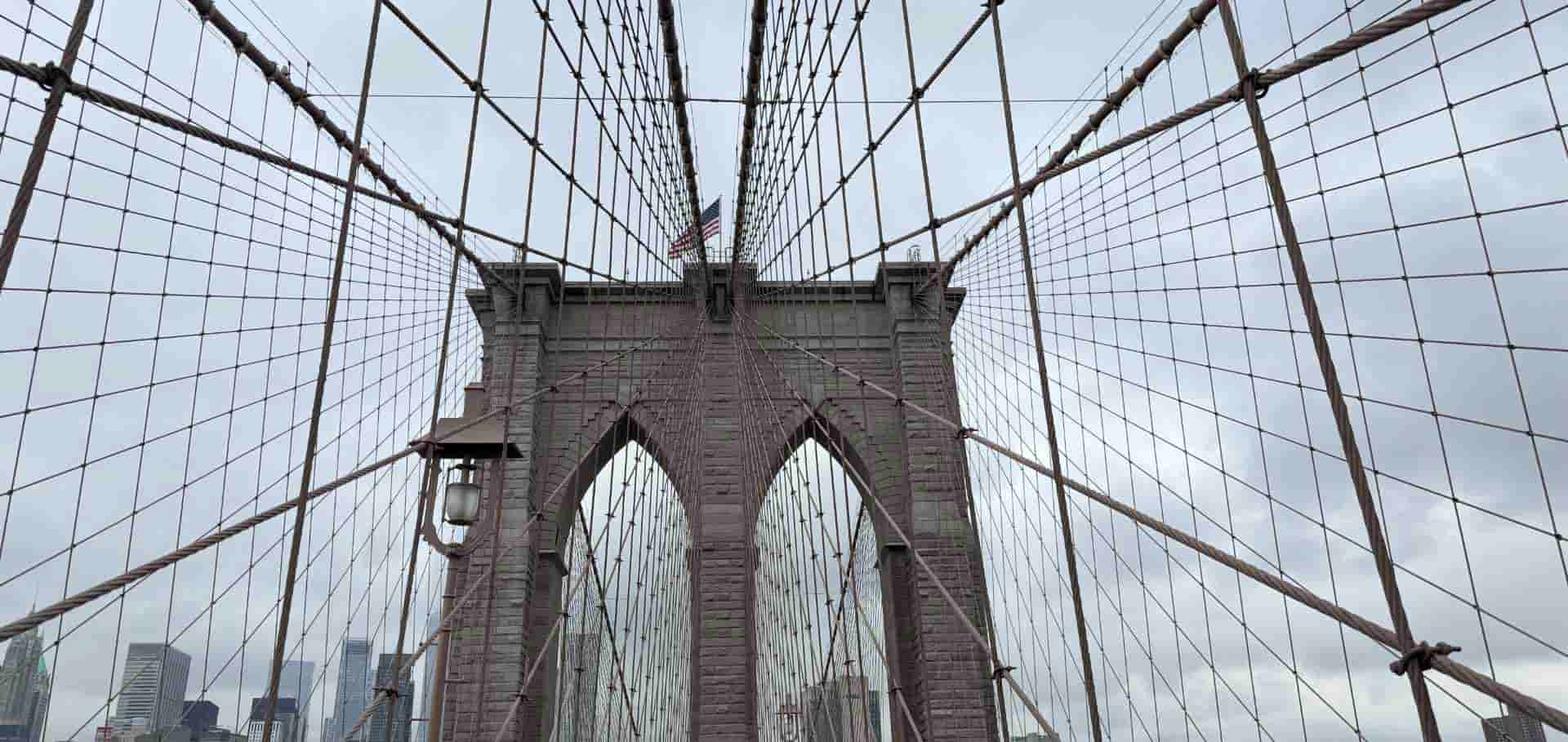
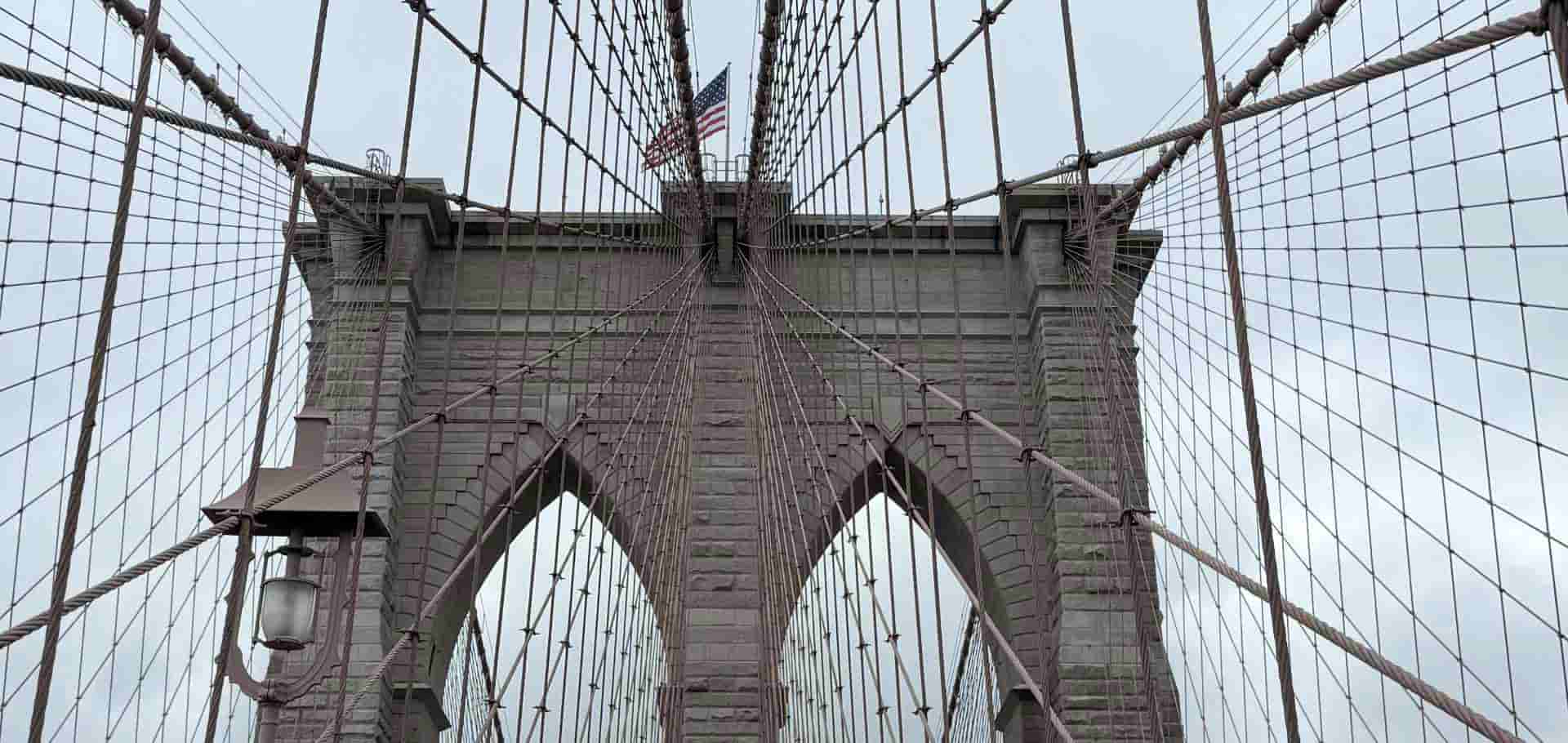
The river cold bites deep. The diesel catamaran thrums beneath your boots as the vessel slices through the green-grey swell of the East River, steering past Manhattan’s sheer wall of rising steel that climbs directly from the undulating tide. This wind carries a heavy maritime scent of wet timber, river silt, and raw diesel. We watch the dark water churn. The massive catenary arches of the Brooklyn Bridge soon rise to frame our harbor landing, welcoming us to the stony shoreline of Brooklyn.
Brick walls stand solid here. Stepping onto the Dumbo bulkhead, the vast sky closes down into the warm, red-brick embrace of the Empire Stores, a seven-story fortress guarding the wealth of nineteenth-century trade. The sharp smell of salt-rimmed wind yields to roasting coffee beans, wood-smoke, and rich international spices drifting from the busy stalls inside. Wood and stone hold the cold. This place does not merely host visitors; it holds the memories of global shipping in its heavy pine bones.
The water once carried everything. Long before Robert Fulton launched his steam-powered Nassau Ferry in 1814, during the optimistic dawn of the American canal boom, the Lenape guided their dugout canoes through these same treacherous, swirling tides. The shoreline grew into a dense forest of iron masts and brick warehouses. Work on the Empire Stores began in 1869, just as the nation bound its wounds after the Civil War, and ended in 1885. This seven-story giant stored the sweet, heavy cargo of a growing republic.
Iron and stone tell secrets. The building sits on heavy foundations of local Manhattan schist, while red-brick walls rise high, secured with star-shaped iron anchors that hold the internal tie-rods tight. Immigrant hands hoisted heavy sacks of coffee that enslaved workers had harvested under the Brazilian sun, their sweat soaking the tough, old-growth Southern yellow pine beams. These laborers gathered on the stone bulkheads daily, hoping the bosses would select them for a day of grueling work. We still feel their quiet presence in the cool shade of the brick arches.
Change comes like a flood. After container shipping fled to New Jersey, leaving the complex abandoned in the 1960s during a time of municipal decline, the waterfront decayed until its dramatic rebirth in 2016. Some scholars warn that this polished marketplace sanitizes the raw, grueling history of working-class struggle into a playground for the wealthy. Yet, the return of the municipal ferry system in 2017 proves that the city cannot easily sever its ancient, liquid connection to the sea. The river remains our most democratic highway.
Reflective Pause: My fingers trace the rough face of a star-shaped iron anchor, cold from the river wind. A thin shaft of amber afternoon light cuts through the glass passageway, illuminating centuries of dust dancing over the pine timbers. Below, the quiet slap of the tide against the stone bulkhead sounds like a heartbeat.
The water calls us back. Close your eyes for sixty seconds on the open wooden rooftop deck, and you will see the ghostly outline of nineteenth-century masted ships unloading heavy coffee bags into the cool safety of the brick vaults. The deep aroma of roasting beans still lingers in the mind, fighting the sharp, cold, salty tang of the East River tide. We build over our past, yet the water always remembers our labor and our journeys. Will we listen to the secrets the river whispers to the shore?