Fast Facts for the Modern Explorer
The Corridor: The Southern Dalmatian Channel Route is a historic marine highway threading through the Elaphiti Islands to the shores of Korčula.
Current Relevance: Today, it remains a supreme test of blue-water seamanship, where modern sailors navigate the same complex microclimates that challenged Greek settlers.
Practical Duration: Allow five days to sail these fifty nautical miles of channel, fjord, and bay.
Act I: The Fjord of the Poets
We slip into the cold shadow.
The Ombla River pours ice-cold mountain water into the salt sea, creating a churning, brackish tongue of water that fights our wooden hull. This steep-sided fjord acts as a giant funnel for the mountain winds, which scream down the bare limestone cliffs without warning. A hard, physical entry to a coast of stone.
The stone ruins stand silent.
Built in 1521, during the intellectual dawn of the Ragusan Republic, this grand manor once housed poets who fled the summer heat of Dubrovnik to write of sea-gods. Now, wild figs split the dry mortar of the private boat landing, their sweet sap mixing with the smell of diesel and rotting kelp. A forgotten sanctuary of the mind.
Act II: The Contract on the Hill
The wind carries us west.
Here, the stone speaks in a democratic tongue, telling a story of survival that has outlived the empires that followed. On the hill of Koludrt, high above the shallow sandy flats of Lumbarda, Greek colonists carved their laws directly into a limestone block. A testament of peace in a sea of war.
The stone records a rare peace.
Found in 1877 by a peasant clearing dry brush on the hillside, this block of limestone details how Greek settlers negotiated with local Illyrian chiefs instead of fighting them. The contract carved into the stone is clean and remarkably fair. A shared dream of soil and vine.
Each of the 150 citizens received a town lot and 1.5 plethra of fertile soil to grow their grapes.
Reflective Pause
My thumb traces the rough, sun-warmed grain of the limestone replica in Korčula town, feeling the deep grit of ancient chisel marks. The air smells of salt-crusted pine needles baking in the midday heat, a scent that has not changed since the first Greek sail broke the horizon. Somewhere in the dry grass below, a single cicada clicks, its dry rhythm matching the slow pulse of the tide.
Act III: The Viper's Teeth
The blue water runs deep.
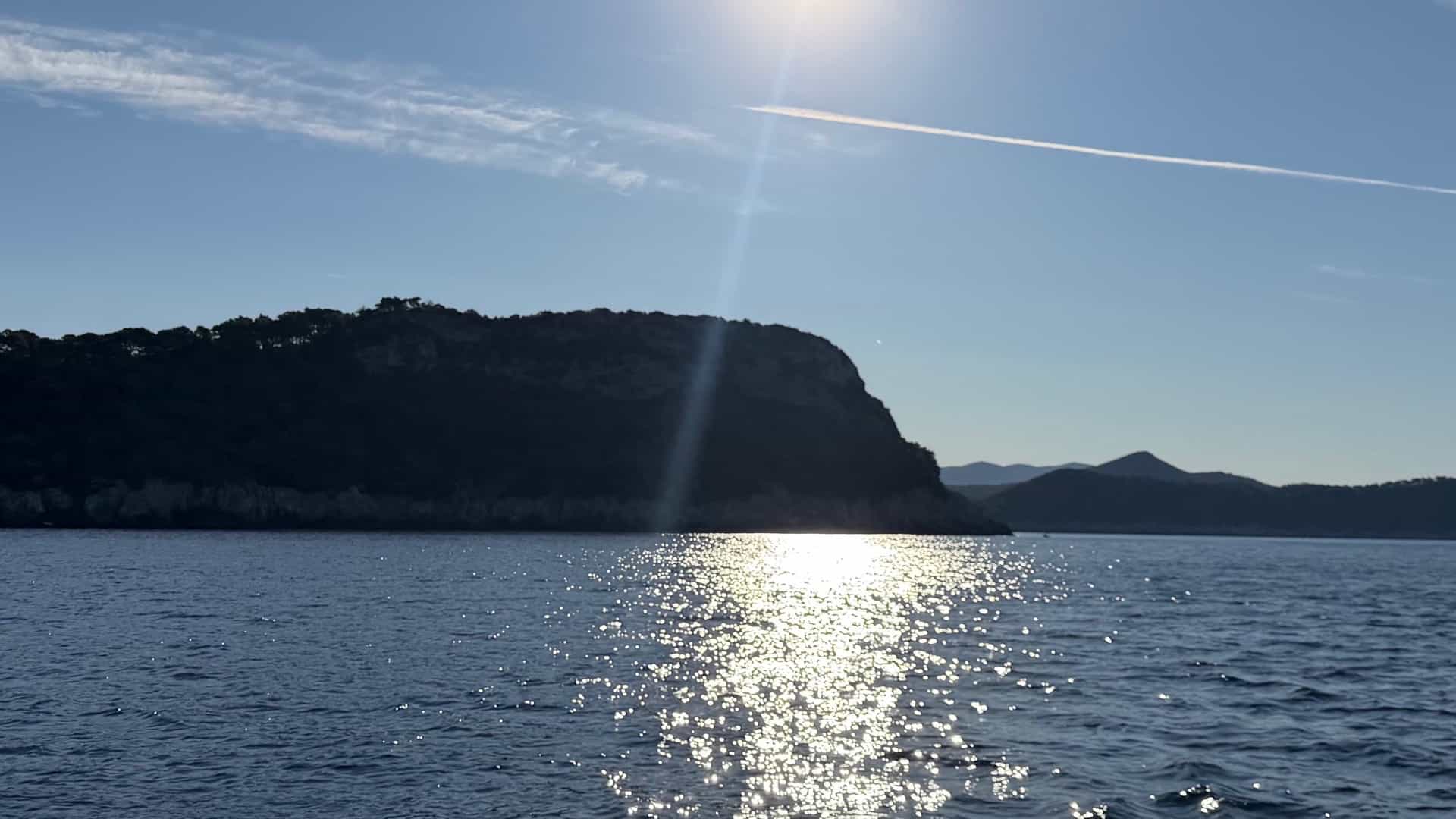
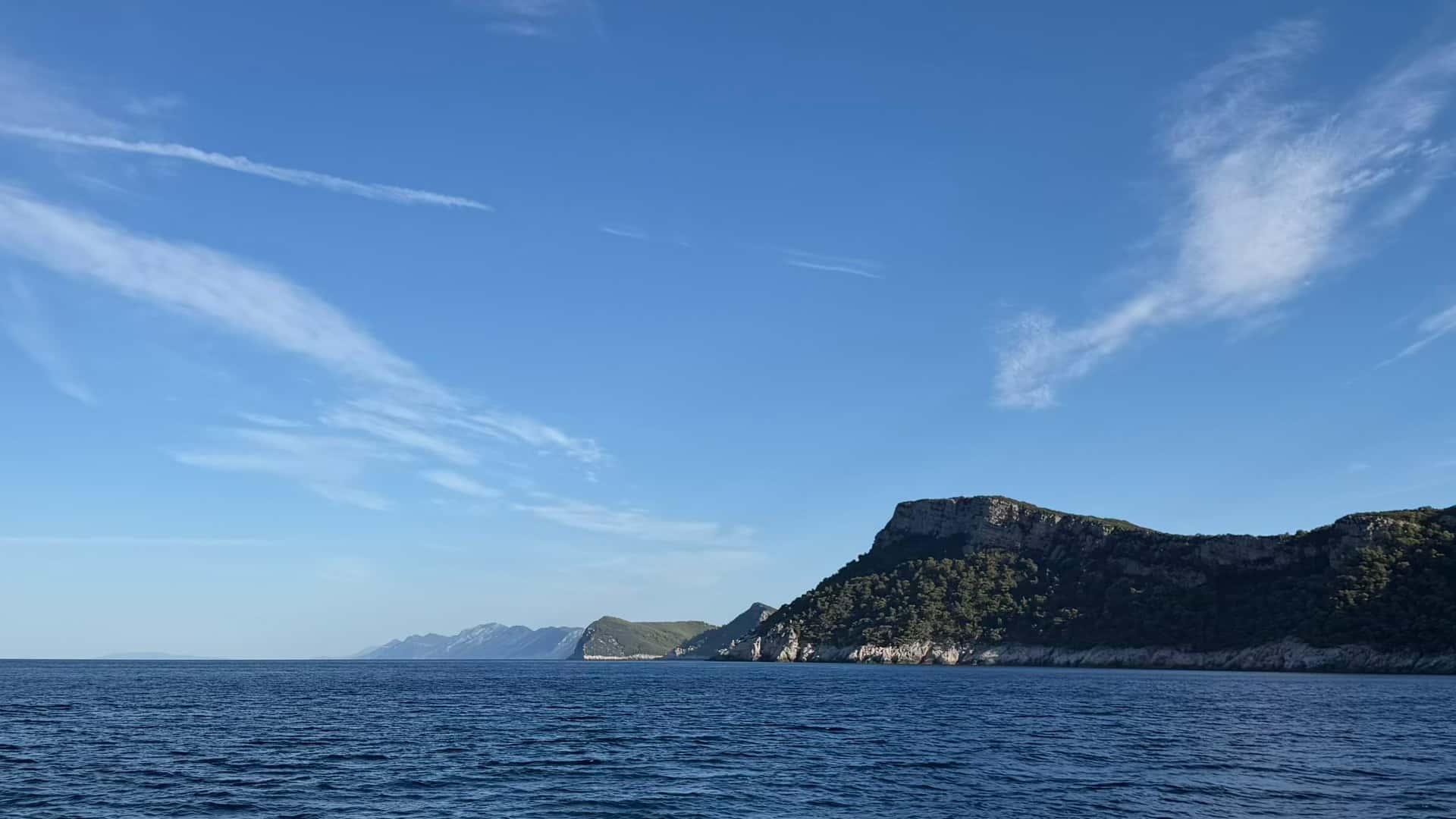
We push into the Mljet Channel, where the cold northeast wind known as the Bura regularly traps ships in this steep trench of sea. While Malta claims Saint Paul's shipwreck, these wild waters offer a more raw, convincing truth. Stone, salt, and venomous vipers.
Close your eyes for sixty seconds.
You will see the black silhouette of Aleppo pines burnt against the inside of your eyelids while the cold spray bites your lips. The channel does not offer easy comfort; it demands undivided attention. A silent dialogue with the deep.
We drop our anchor now.
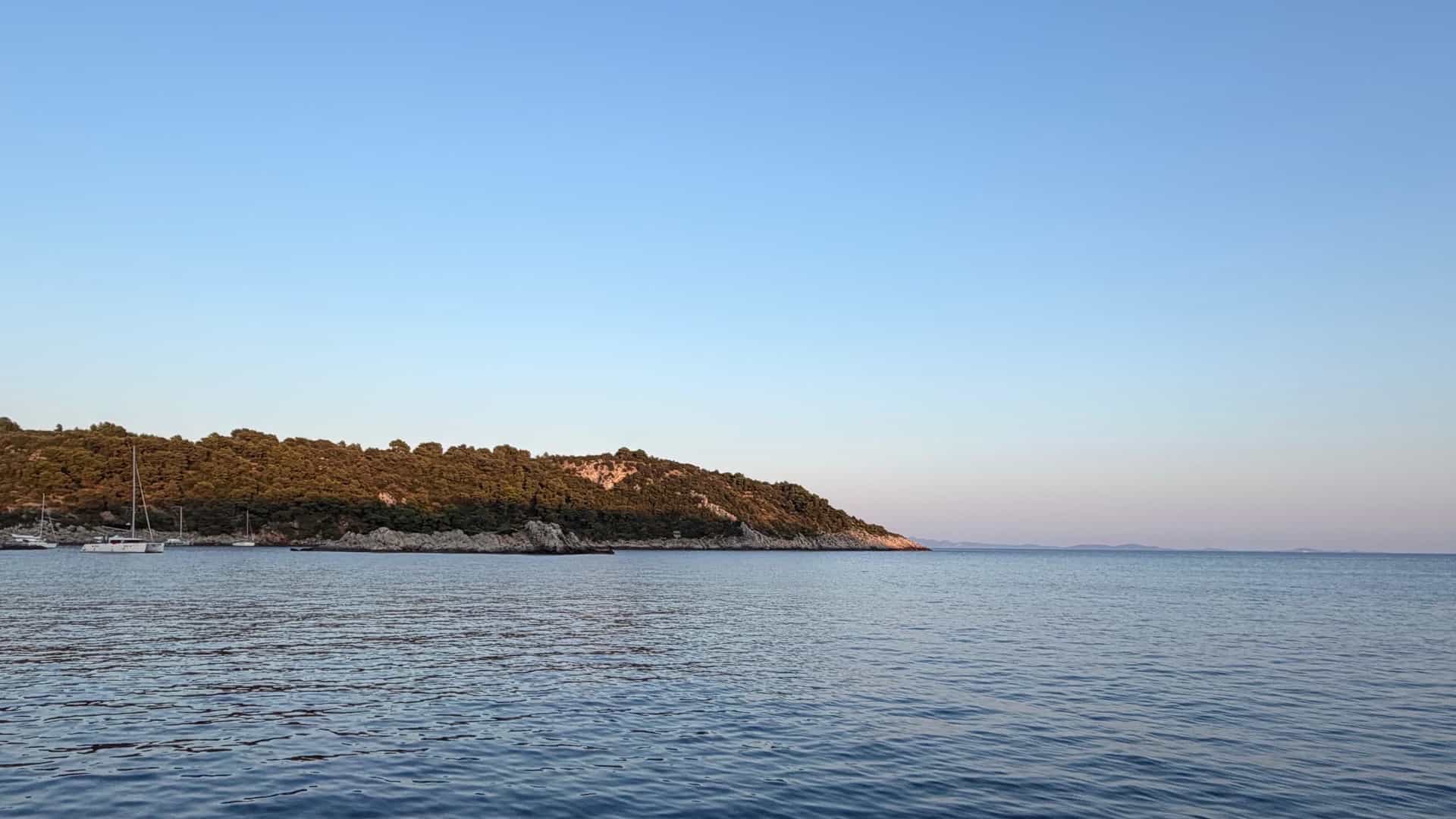
The shallow, green waters of Lumbarda Bay hold us safe, sheltered from the channel’s teeth by a low spit of pale sand. It is the same sand that the Greeks walked on twenty-three centuries ago, their feet sinking into the cool, damp earth. Safe harbor at last.
The Lingering Mark
The wild wind drops now.
As darkness falls, the scent of wild sage clings to our damp rigging while the dry, white hills of Dalmatia fade slowly into the night. We are merely temporary guests on this ancient highway, charting our lives by the same stars that guided the first Greek hulls home. Will our own contracts leave so deep a mark?