Fast Facts for the Modern Explorer
- Definition: Vela Luka is a deep volcanic harbor at the western tip of Korčula Island, serving as a maritime refuge since the Stone Age.
- Current Relevance: The state-of-the-art Marina Korkyra preserves this tranquility by operating as a non-charter sanctuary for long-distance cruisers.
- Practical Duration: Spend forty-eight hours to explore the prehistoric cave of Vela Spila and anchor in the quiet bay.
Act 1: The Scene
The wild sea demands. After a grueling 3-hour passage from Vis, your hull fights the choppy head seas of the Central Adriatic while the diesel thrums at a steady 2,100 RPM. Deep peace waits for you behind the jagged volcanic headland of the island. A harbor of stone.
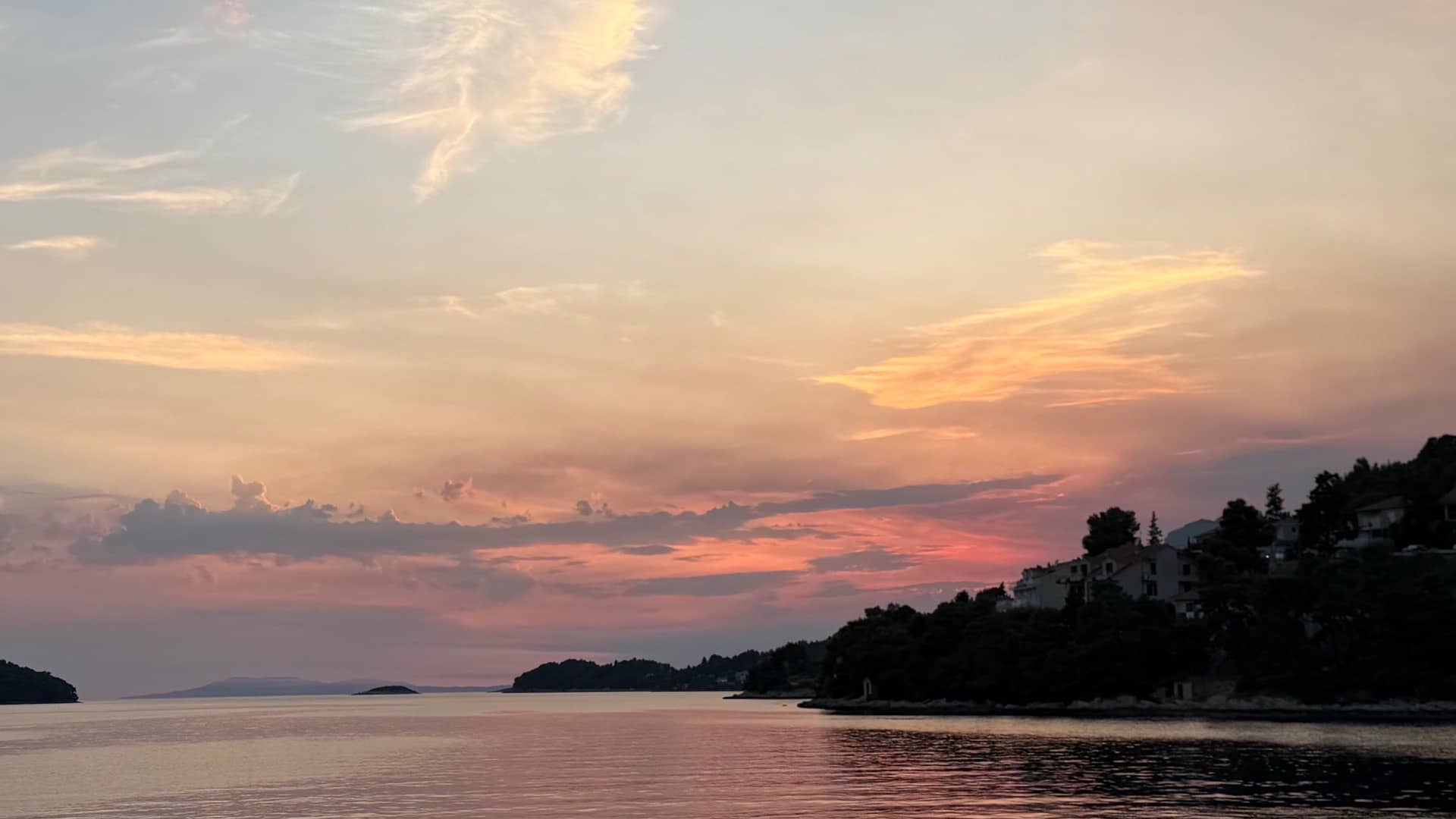
Rounding the western spit of Korčula, the violent chop dies instantly. You back the sloop into a concrete berth at Marina Korkyra, which workers completed in 2020 to shield long-distance travelers. On deck, you slice a fuzzy crimson peach, its sweet syrup cutting through the brine on your lips.
Act 2: The Conflict and History
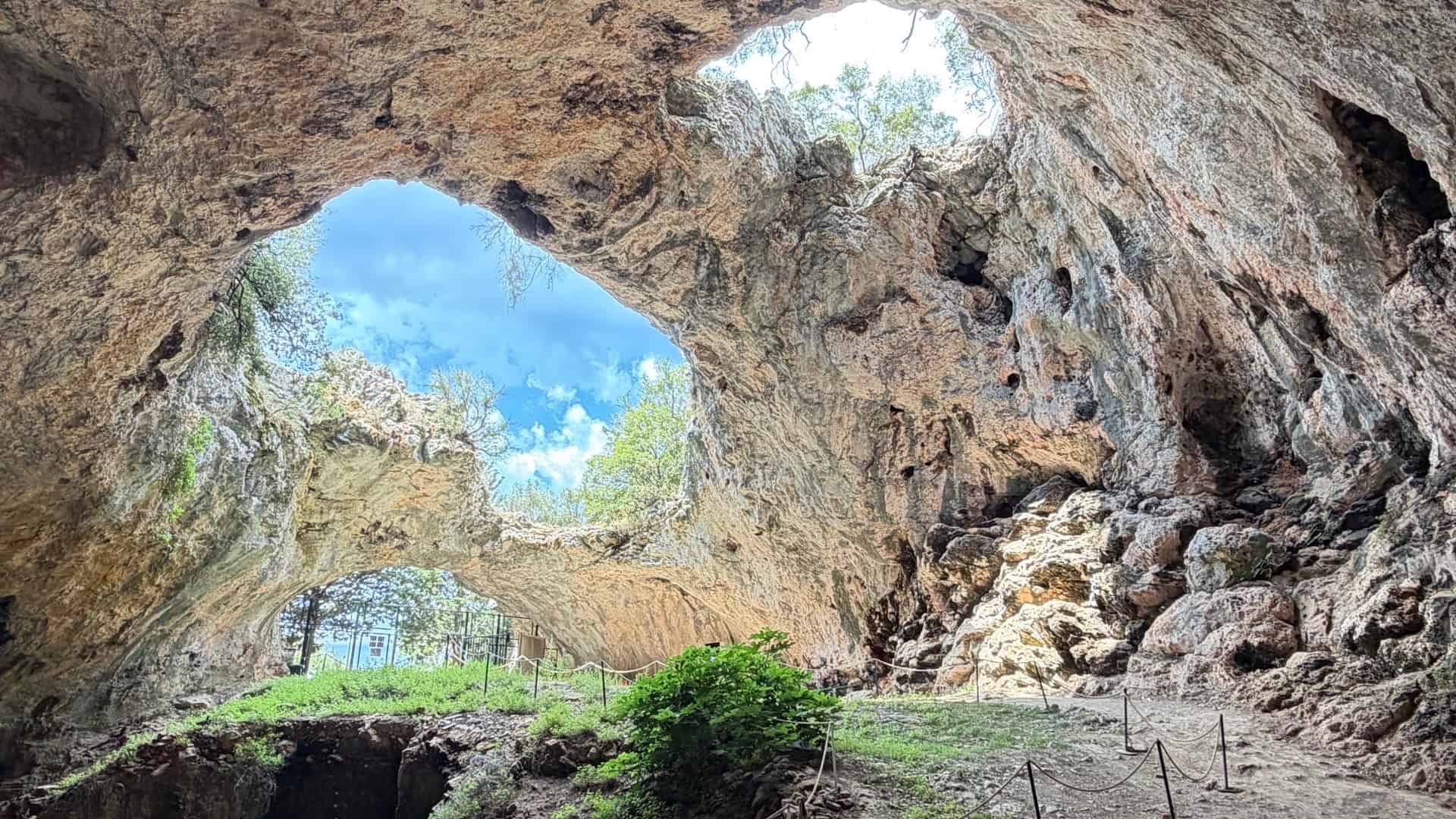
The heights hold secrets. Climbing the steep path of Pinski Rat, you find the dark mouth of Vela Spila cavern yawning 130 meters above the modern stone waterfront. Here, prehistoric families huddled together when glaciers locked up the world’s water. A sanctuary of bone.
Women shaped these ancient vessels. Osteological analysis of female skeletons reveals the deep wear of kneading cold clay, proving women made Europe's oldest ceramic art. Centuries later, when Cnidian Greeks fled Persian expansion in the 6th century BC, they saw these dark ridges of holm oak and named the place Korkyra Melaina. Venetian masters then logged those same oaks to build the war galleys of the doges.
Reflective Pause
My fingers trace the cool, rough flank of a dry-stone wall near the harbor. A pale green lizard freezes in a pocket of shade, its tiny flanks pulsing with the rhythm of the midday heat. Somewhere up the ridge, a single cicada clicks, then stops.
Act 3: The Insight
Shelter is a human right. We build modern docks and scrape out prehistoric caves for the same raw reason, which is to escape the sudden storms of a volatile world. By closing its concrete piers to the loud chaos of weekly charter fleets, this harbor keeps faith with its oldest ghosts. A quiet refuge.
Close your eyes for sixty seconds on the stone pier. You see the slow, amber drip of wild pine resin falling onto dry earth, a tiny golden clock ticking across millennia. The ancient woods still watch the harbor.
The sun dips behind the volcanic ridge, leaving the harbor in a cool, lavender dusk. Your skin still tightens with the salt of the outer sea, but the yacht rests motionless in the dark water. The sweet scent of sliced peaches lingers on the cabin table. Will we, too, leave behind artifacts that prove we knew how to craft beauty in the face of the storm?