Fast Facts for the Modern Explorer
- Direct Definition: The trans-Kvarner corridor is a historic thirty-one-mile maritime passage connecting the limestone cliffs of Cres Island to the sheltered salt basins of Uvala Soline in southern Istria.
- Current Relevance: Today, the route preserves critical Posidonia oceanica seagrass meadows through eco-conscious mooring fields, transforming historical extraction zones into sustainable maritime sanctuaries.
- Practical Duration: Traversing the gulf requires a five-hour sail under moderate winds, though a full immersion demands a two-day stay to witness the complete solar cycle.
The diesel engine thrums at dawn. As our fourteen-meter vessel slips from the stone slipway of Cres, the cold smell of wet limestone and diesel exhaust clings to the morning air while the sea remains thick as grease. To the east, the giant rock wall of the island blocks the sun, holding the harbor in a cool, blue shadow that smells of crushed pine and damp rope. We watch and wait for the wild fire of the rising sun.
Suddenly, the high crest blazes. Light spills over the steep six-hundred-and-thirty-nine-meter ridge of limestone like molten copper, striking the cold green water and turning our wide wake into a long trail of gold that cuts straight through the dark, rolling Kvarner Gulf. This sudden warmth hits our salt-encrusted faces, chasing away the damp chill of the night as the morning wind begins to wake and fill our white sails. We welcome a clean, bright heat on our skin.
Sea lanes hold deep memories. Across this thirty-one-mile stretch of grey water, Roman trade ships carrying clay jars of green olive oil and heavy skins of sweet red wine once battled the waves during the golden height of Augustus's peace in the first century. These ancient sailors watched the same white limestone cliffs we sail past today, seeking shelter from the fierce north wind in the deep, pine-fringed bays of the Istrian coast. They knew this wild path by heart.
We steer toward the west. Our target is the shallow, mud-bottomed bay of Soline, where Venetian masters built a vast network of clay and stone salt pans during the rise of Venice’s maritime empire in fourteen hundred and twenty. Back then, salt was the white gold of the sea, harvested by local peasants who sweated under the hot sun and the sharp whip of foreign overseers to fill the private stone vaults of the doge. The bay smelled of sulfur.
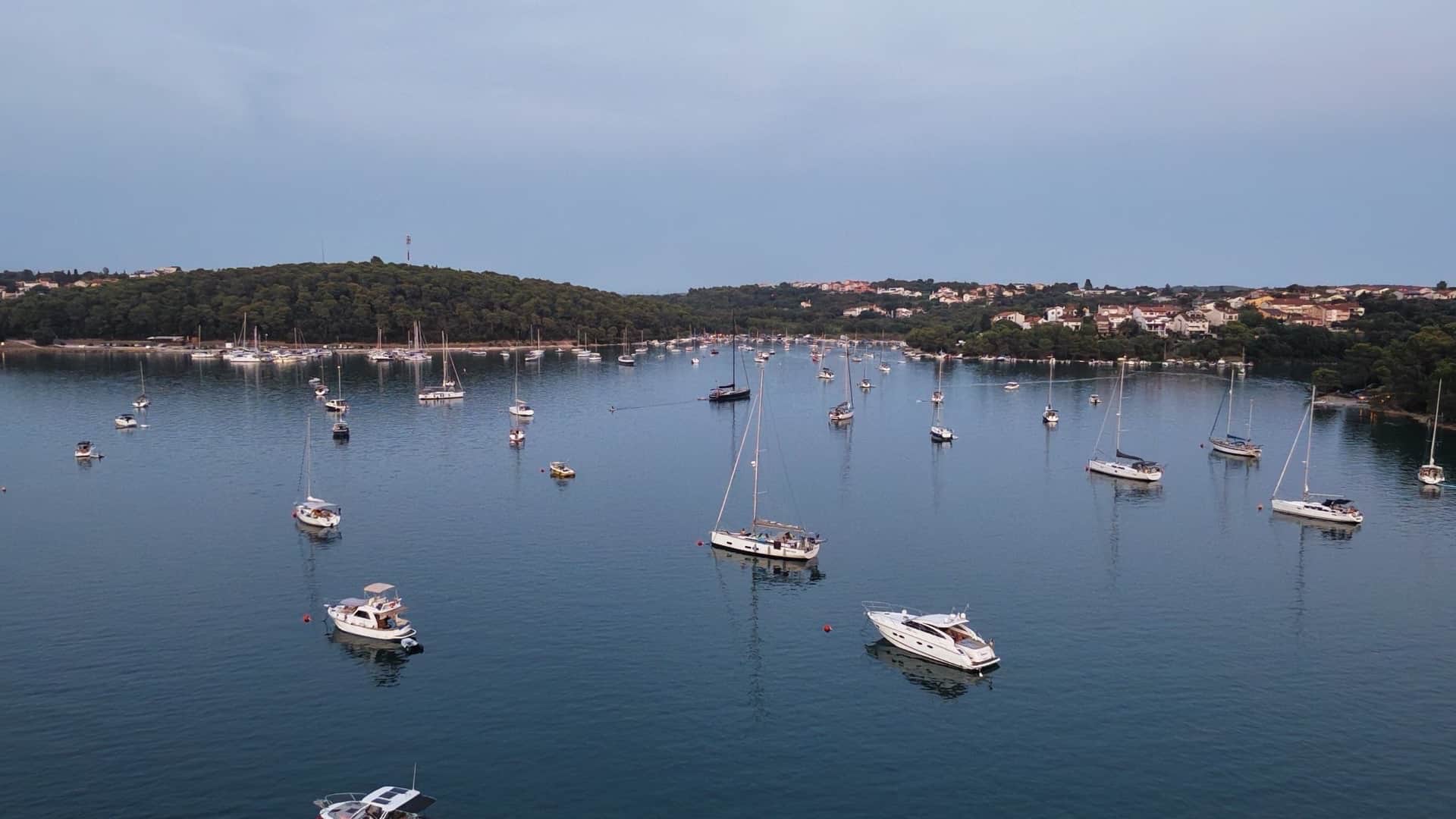
Now, peace fills the bay. As our fourteen-meter vessel drops its heavy iron anchor into the soft mud of the cove, the sharp smell of Aleppo pines drifts across the still water, replacing the historical stink of the salt works with a clean, resinous scent that clings to our skin. Suleiman, a local farmer, guides a small wooden motorboat toward our stern to hand us a wooden basket of warm, sweet peaches and split purple figs. This simple, ancient exchange binds land and sea together.
Close your eyes here. If you shut out the bright blue sky for sixty seconds, you do not see darkness, but instead the dancing red glow of the hot sun pressing through your eyelids while the quiet, rhythmic lap of the sea beats like a slow heart against our fiberglass hull. This ancient water has washed the bloody shores of fallen empires, yet it returns every single evening to this same quiet shore to wash away the scars of the day. We are merely temporary guests.
Reflective Pause
The salt dries on my bare forearm in fine, white crystals that catch the low, golden evening light as it filters through the open hatch. Each tiny grain feels like a rough speck of warm glass against my sun-reddened skin, a physical remnant of the wide, wild sea we just crossed together. In the quiet cabin below our feet, the heavy steering chain gives a soft, metallic clink with each passing wave like a clock ticking in an empty room.
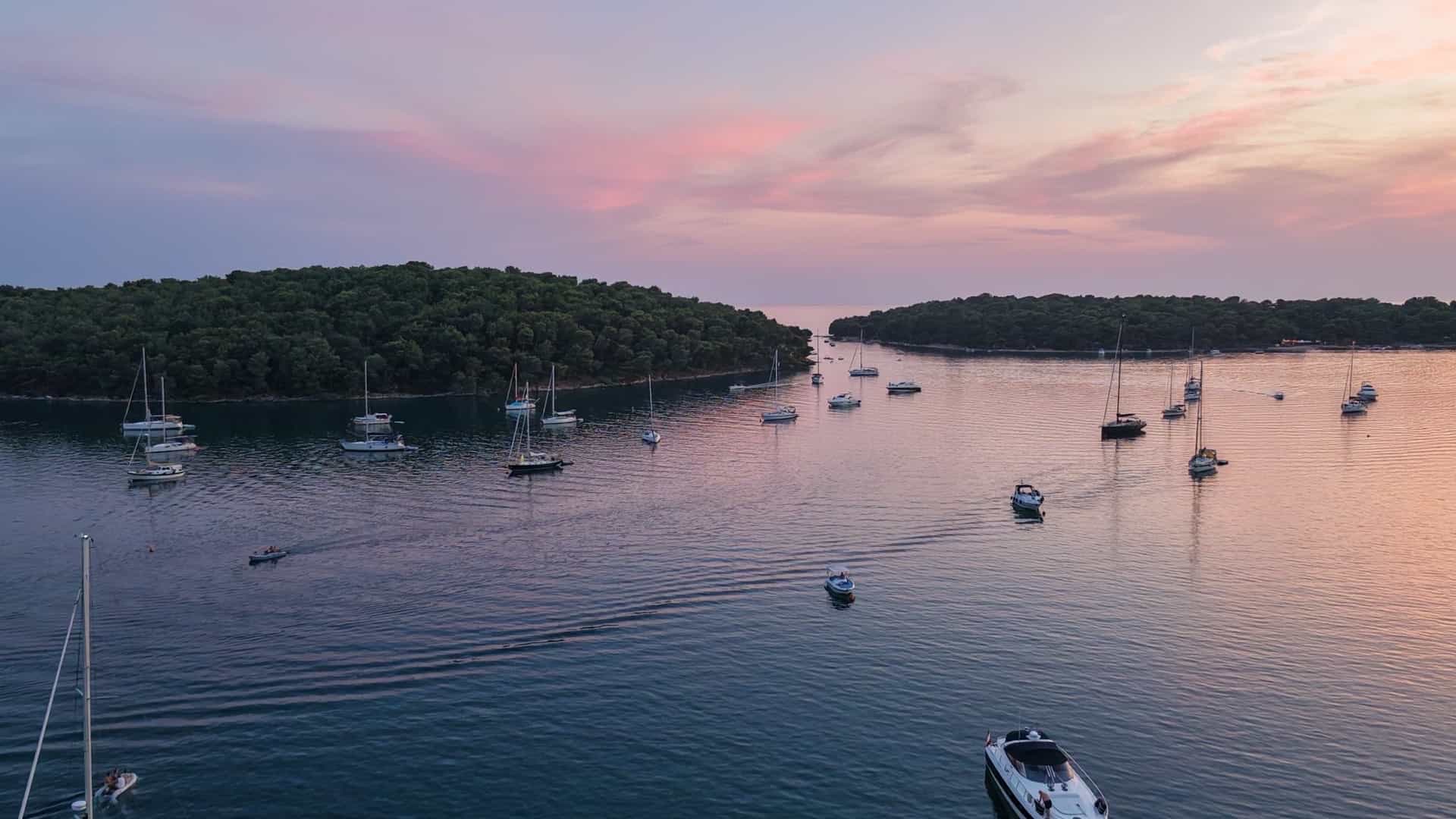
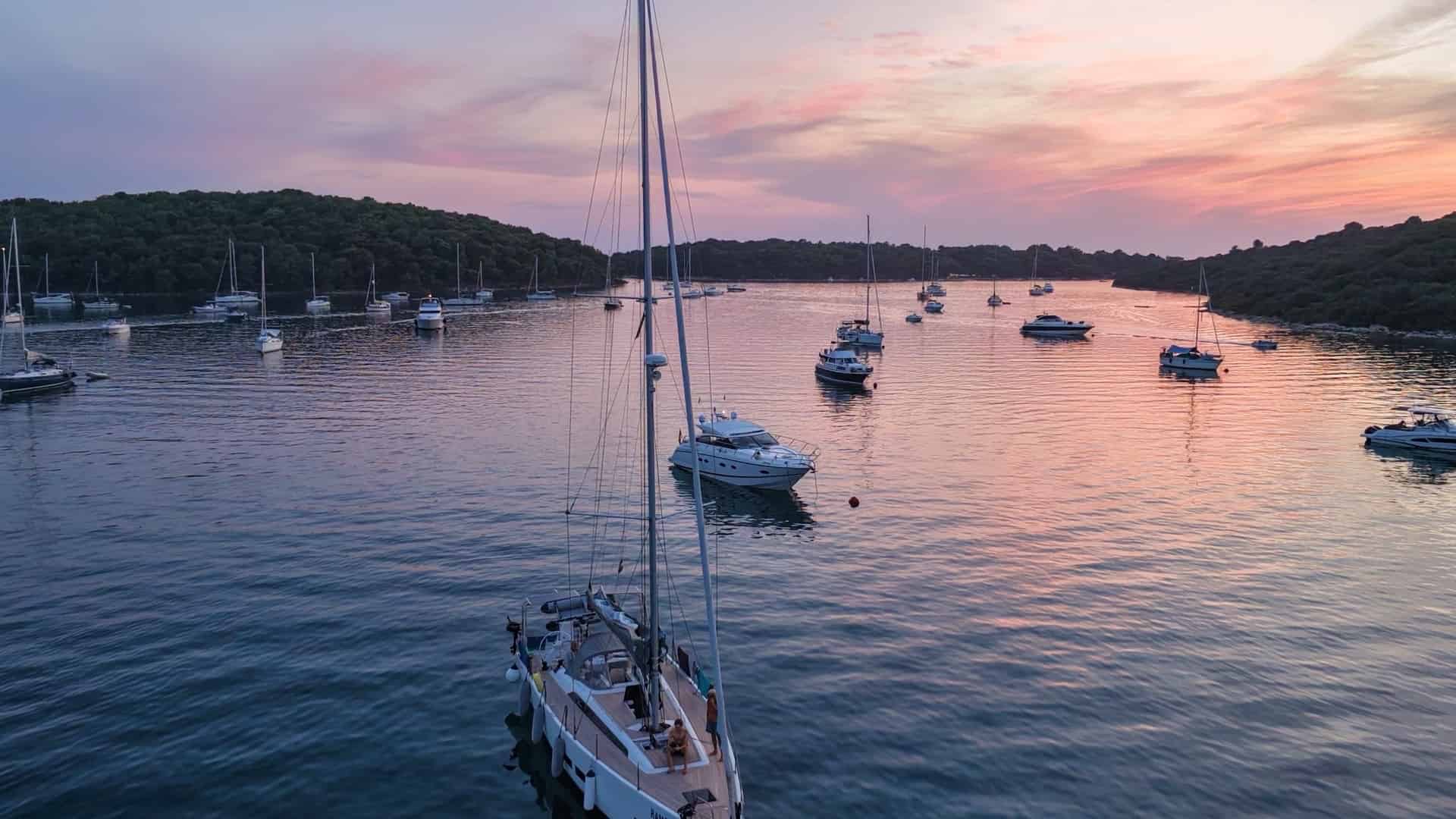
The warm light fades now. As the copper sun sinks behind the low Istrian hills, we look back across the dark, cooling waters of the gulf toward the distant, purple wall of Cres where our journey began in the cold dawn. This great solar cycle is complete, turning the white gold of Venetian salt pans and the old Roman routes into a quiet pool of shadow that heals the tired soul. What will the next tide wash up on these ancient, silent shores when the sun rises once more?