Fast Facts for the Modern Explorer
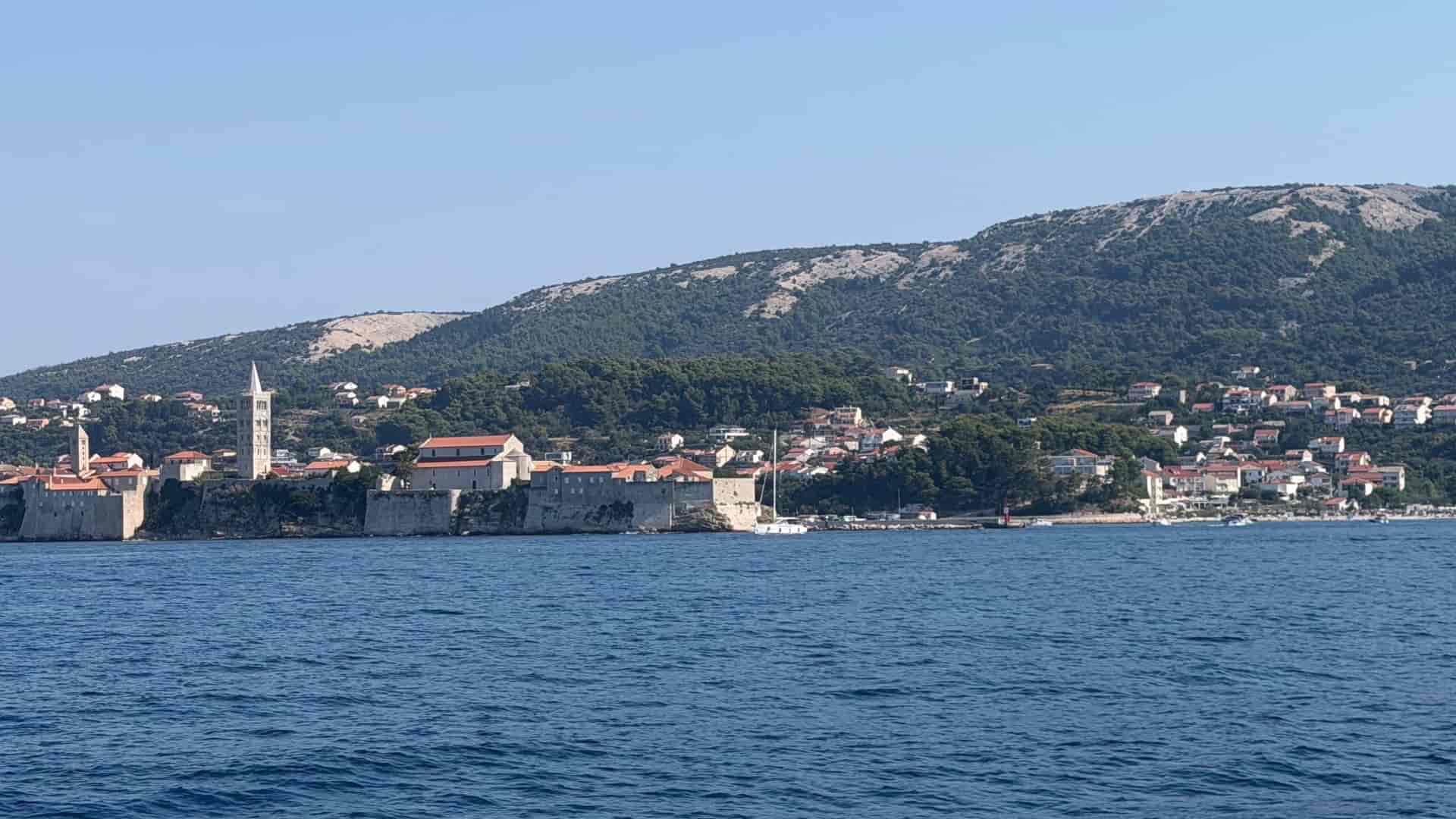
- Direct Definition: Rab Old Town is a medieval stone peninsula in Croatia's Kvarner Gulf, crowned by four iconic Romanesque bell towers that rise like stone sentinels above the sea.
- Current Relevance: Today, conservationists battle haloclasty—salt crystallization within the porous Kalifront limestone—to prevent the slow disintegration of these 12th-century structures.
- Practical Duration: Spend two days walking the parallel medieval streets, climbing the 26-meter bell tower, and wandering the plague-struck ruins of the northern Kaldanac quarter.
The stone beneath your boots feels slick. Here on the high spine of the peninsula, where the Kvarner Gulf whips salt against the cliffs, the scent of crushed rosemary mixes with the damp, fish-cold breath of the harbor. To look down from these medieval ramparts is to feel the weight of centuries of sailors who watched this same horizon for the sails of Venetian warships. A silent limestone hull forever anchored in the deep, tide-swept blue of the Adriatic.
Limestone holds the town’s memory. During the golden twilight of Augustus’s imperial reign in 10 BC, the Roman state crowned this natural harbor with the proud title of Felix Arba, transforming a wild Liburnian stronghold into a thriving, tax-exempt municipal hub. The Romans recognized that whoever held this narrow spine of rock commanded the critical trade routes of the northern Adriatic, securing the flow of grain and wine. An imperial shield of limestone against the sea. Centuries later, Byzantine builders and Venetian governors added their own layers of masonry, leaving a complex architectural puzzle.
The towers rise like stone masts. When Pope Alexander III fled a roaring Adriatic gale in 1177, he stepped onto these docks to consecrate the Cathedral of Saint Mary, whose freestanding bell tower still climbs 26 meters into the salt air. The masons carved wider windows as the tower rose, letting the fierce winter wind blow harmlessly through the crown. A cage of wind and stone. Polished marble columns snatched from ancient Roman temples now hold up the heavy wood of the Christian roof.
Death also sailed into this port. When the black death ravaged the northern Kaldanac quarter in 1456, terrified city rulers built heavy stone walls to seal off entire streets of infected homes, leaving them to rot in the sea wind. Today, wild fig trees burst through the empty windows of these roofless shells, their sweet summer scent mixing with the damp smell of old mortar. A quiet, green graveyard of empty doorways. This sudden ruin shifted the heart of the town southward, leaving the north to the lizards and the wind.
Reflective Pause
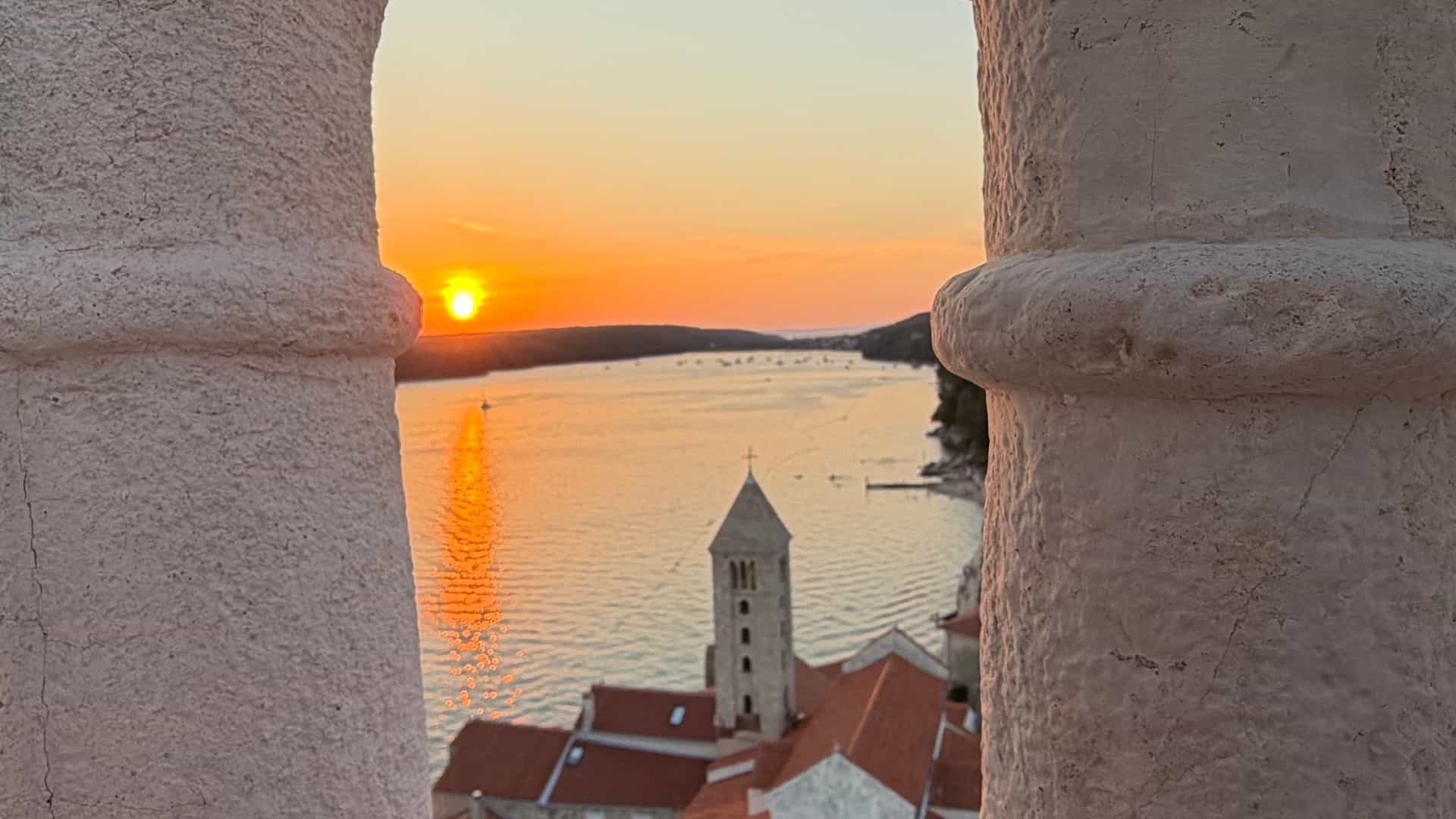
The rough, salt-crusted limestone of the parapet rasps against my palm like dried sharkskin. In the quiet gap between the tolling bells, I hear only the dry hiss of pine needles brushing against the medieval wall below. A single, amber beam of late sun catches a spiderweb spun across a Romanesque arch, turning the silk to liquid gold.
The island’s soul lives in a pastry. To taste the golden Rabska Torta, baked in a slow, snail-like spiral by the Benedictine nuns since the Pope’s cold storm in 1177, is to eat the true map of medieval commerce. The heavy blend of sweet local almonds, sharp orange zest, and fiery Maraschino liqueur speaks of a time when these towers ruled the shipping lanes. An empire of stone and sugar. Each bite carries the heat of the terraced hillsides and the wealth of Venetian merchant ships.
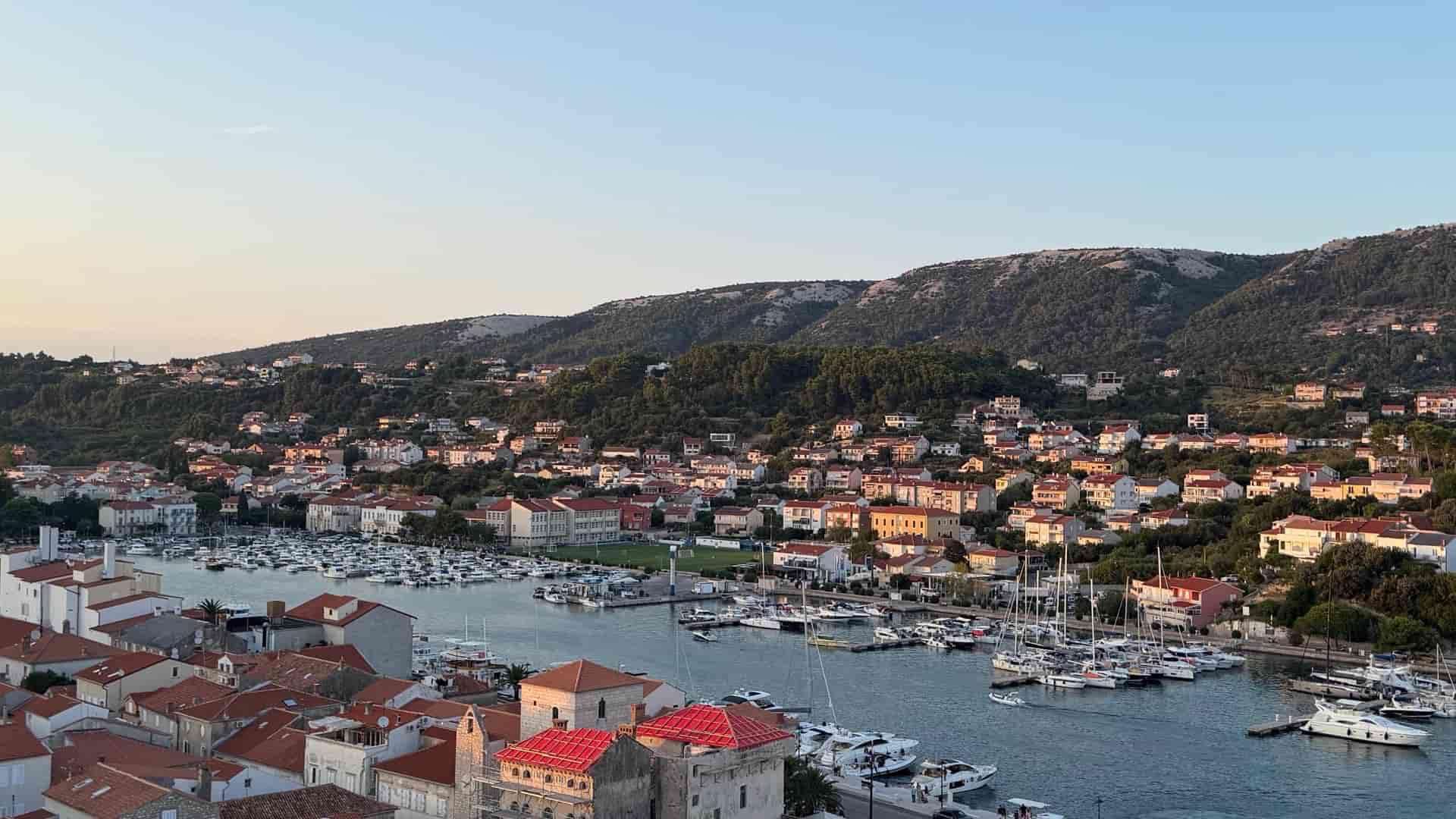
Close your eyes for one minute. Behind your lids, the white glare of the noon sun on Kalifront limestone fades into a warm, pulsing red, while the rhythmic slap of the harbor water against the yachts in the marina beats like a slow tide. You no longer see the stone spires; instead, you feel the invisible cloud of salt-spray that drifts from the waves to settle in the pores of the ancient masonry. The tiny, sharp teeth of the sea. This salt-decay, or haloclasty, is the silent enemy that modern hands work to wash away with wet poultices.
The four sentinels still watch. They stand tall on their narrow finger of limestone, enduring the fierce Adriatic gales and the slow wash of time, while the sweet scent of almond cake still drifts from the Benedictine walls to meet the cold sea. We build our grandest monuments in stone to outlast our own small histories, yet we must watch as even these giant towers slowly soften under the salt's quiet, daily bite. A proud, slow surrender to the tide. One wonders what these white towers will look like when the next Pope sails into this bay.