Fast Facts for the Modern Explorer
- Definition: Polače Bay is a protected maritime sanctuary on Croatia's southern Adriatic coast, dominated by the towering limestone ruins of a fifth-century Roman imperial palace.
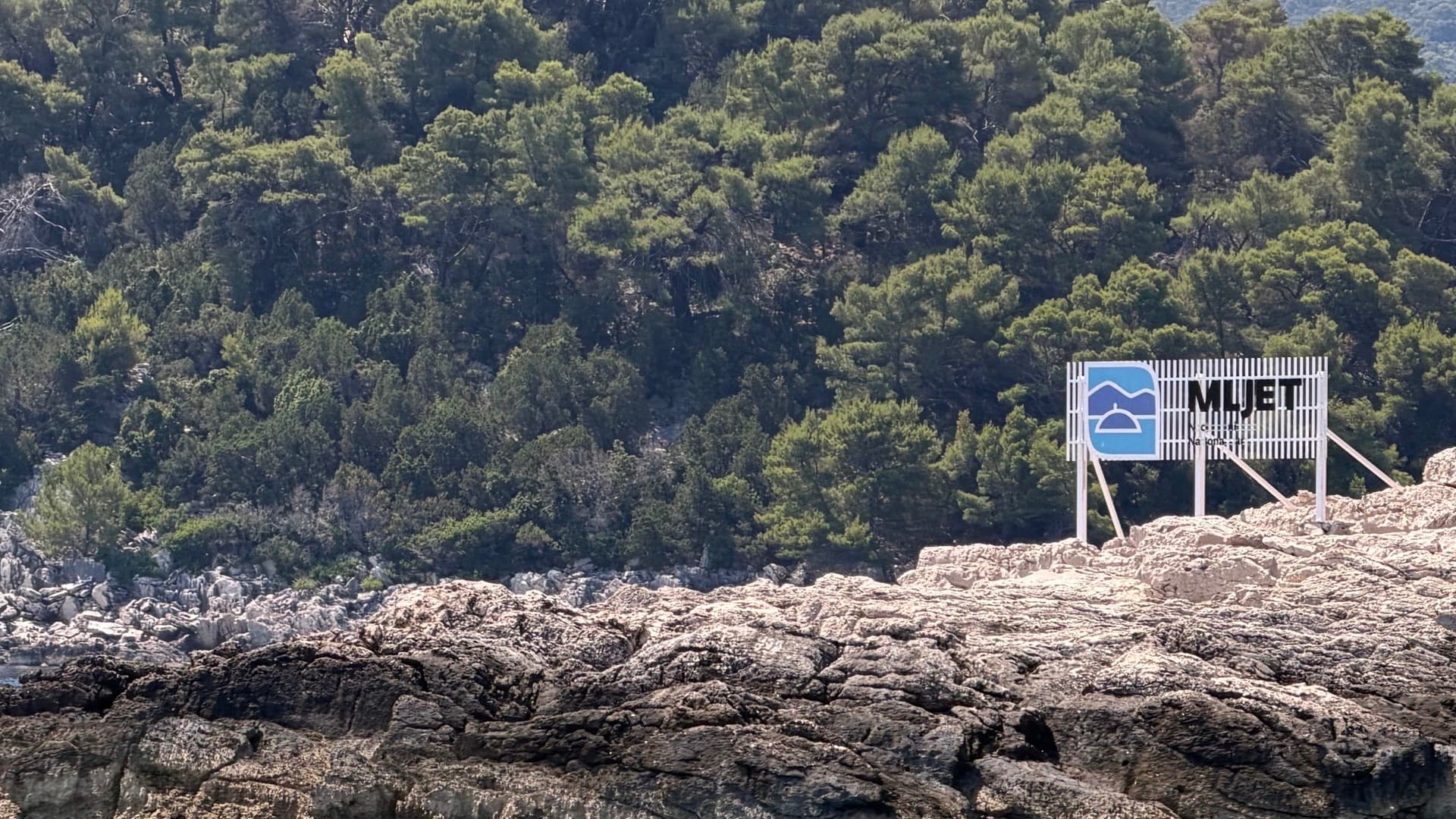
- Current Relevance: Today, it serves as a highly regulated yacht anchorage within Mljet National Park, balancing cultural heritage preservation with marine ecosystem defense.
- Practical Duration: Spend forty-eight hours to anchor, explore the forest-shrouded ruins, and swim the sunken Roman harbor walls.
Act I: The Scene
The sea goes still.
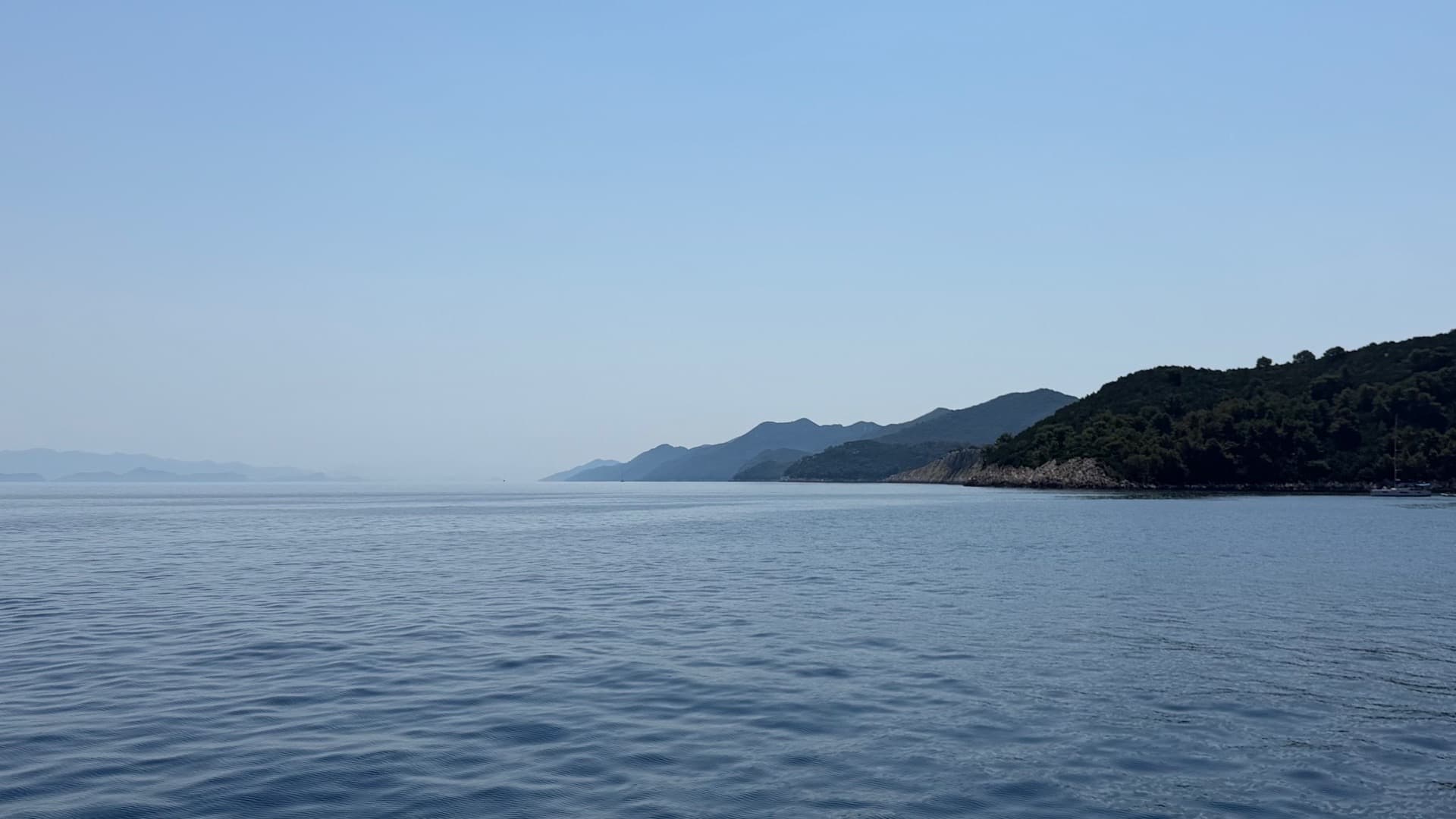
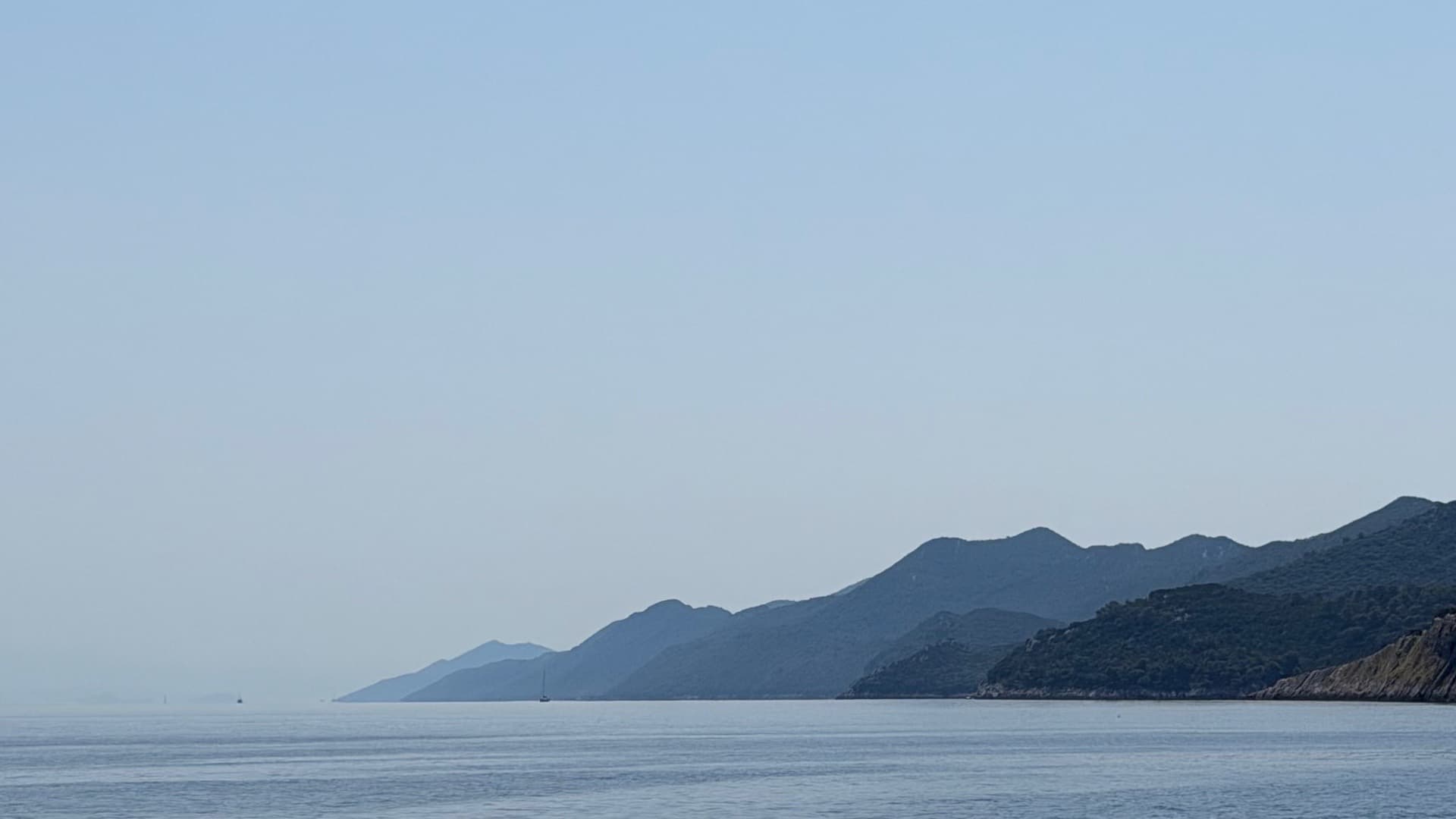
Our diesel engine thrums at two thousand one hundred revolutions per minute as we glide past the emerald shields of Moračnik and Tajnik, slipping through a narrow passage where the wild Adriatic salt gives way to the thick, resinous perfume of Aleppo pine. We drop thirty meters of galvanized chain into the pale sand.
A silent sanctuary.
The anchor snubber stretches to absorb the shock of the tide. Cold mineral water washes down our throats, cutting the brine of the galley. Ahead, the massive limestone walls of the Palatium rise directly from the water's edge, their dark arched windows staring like empty eyes. We dive from the transom. The splash echoes off the cliffs before the deep silence of the forest swallows it whole.
Reflective Pause
The wet anchor chain smells of iron and cold silt as it dries under the high noon sun. I trace a single bead of condensation tracking down the side of my sweating glass. Somewhere in the green canopy above, a lone cicada clicks, stops, and starts again.
Act II: The Conflict and the Clay
Power leaves its mark in stone.
During Octavian’s bloody pacification of the Illyrian tribes between thirty-five and thirty-three before Christ, Roman legionaries seized this deep-water fjord to secure Adriatic shipping lanes against local raiders. Later, during the Severan dynasty around two hundred after Christ, the Emperor Septimius Severus banished a wealthy official named Agesilaus to these shores. Exile turned to art.
The current ruins date to the fifth century after Christ, when Byzantine builders erected a massive defensive palace to shield imperial fleets from the barbarian raids tearing Rome apart. By the twelfth century, Benedictine monks ruled this coast, turning the grand Roman residential halls into simple storehouses for wine and salted fish. The great towers of the Palatium, built with thick lime mortar and local limestone, survived both Christian conversions and pirate raids.
In nineteen sixty, when the state declared this western third of Mljet a national sanctuary, the era of resource extraction finally ended. Now, we protect what the empire built and what the forest reclaimed. Rangers patrol the shallows in quiet electric boats, guarding the fragile seagrass from dragging anchors.
Act III: The Sunken Pier
We swim over the sunken Roman pier, our masks revealing stone blocks laid by builders fifteen hundred years ago. The ancient hydraulic concrete, mixed with volcanic ash to harden underwater, still holds.
If you close your eyes for sixty seconds on this deck, you do not hear the modern world; you hear only the slow, rhythmic lap of water against the limestone foundations of an empire. You see, in the dark behind your eyelids, the ghostly white wakes of imperial galleys slipping home.
The realization hits you under the warm sun. This harbor survives because it was designed to isolate, first as a prison for a Roman exile, then as a fortress against a crumbling world. Today, that isolation remains its greatest shield.
Closing
The green islets still stand guard, keeping the restless Adriatic at bay. We watch the sun slide behind the multi-angular towers, casting long, dark shadows across the pale-sand bottom. The salt air cools, carrying the sharp scent of pine over the quiet water. What empires will we build, and what will remain when our own engines fall silent?