Fast Facts for the Modern Explorer
- What: Dubrovnik Old Town, a resilient Adriatic stronghold carved from karst limestone.
- Relevance: A living monument to diplomacy and meticulous post-conflict reconstruction.
- Duration: Spend two full days to match the slow, ancient rhythm of the stone.
Act I: The Mirror of the Placa
Heat rises from the stone.
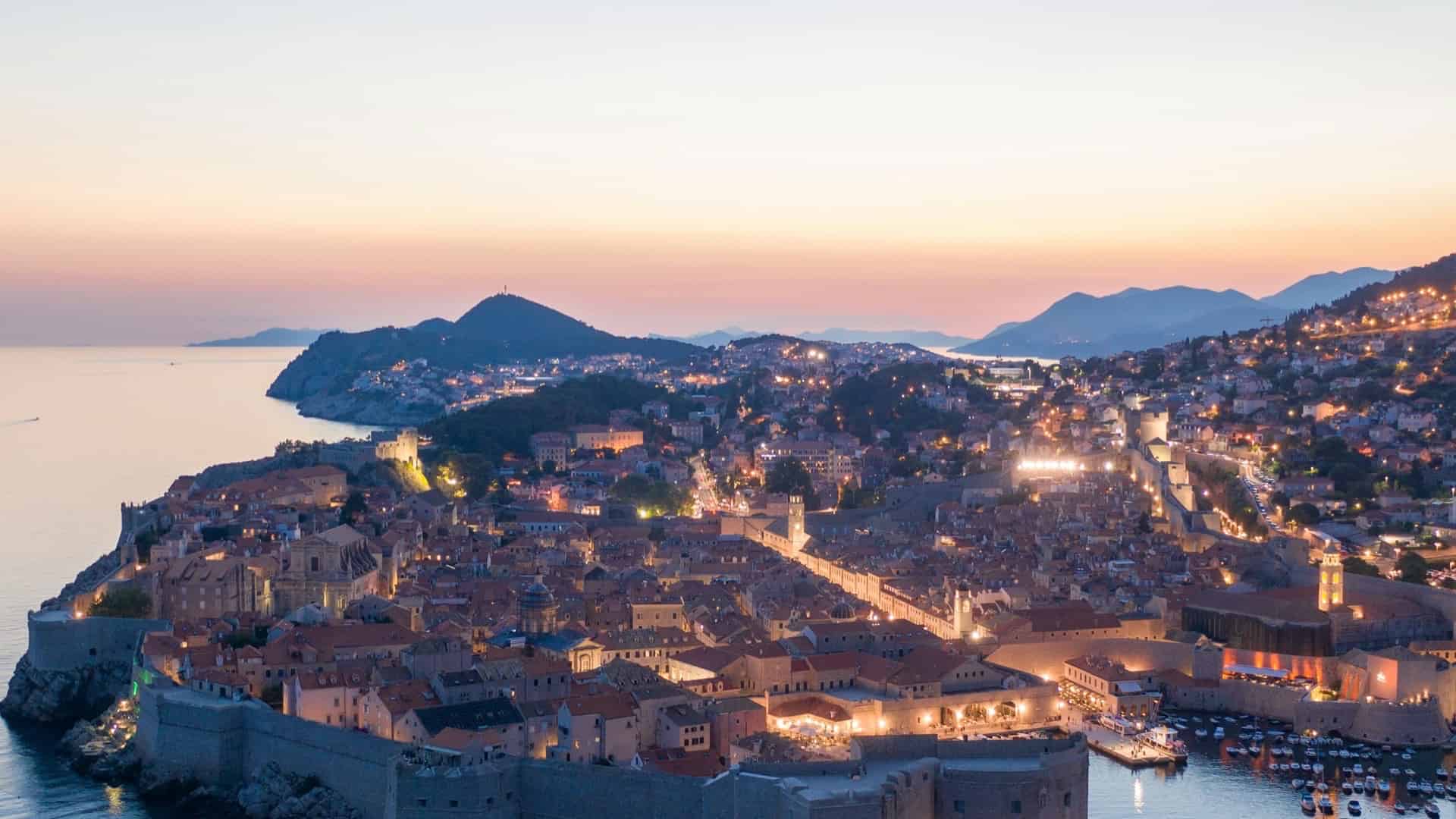
Under the violet dusk of Dalmatia, the Stradun glows like a frozen river of milk, its limestone blocks ground smooth by the soles of fugitive Romans, proud senators, and the endless tread of modern feet. The salt air clings to the Baroque facades, carrying the scent of rosemary and roasted almonds from the dark alleys. A kingdom built on bone.
If you close your eyes for sixty seconds here, you do not see the dark; you see the stubborn glare of white light burned onto your retinas, a ghost of the sun-baked limestone that refuses to fade.
Act II: The Iron and the Clay
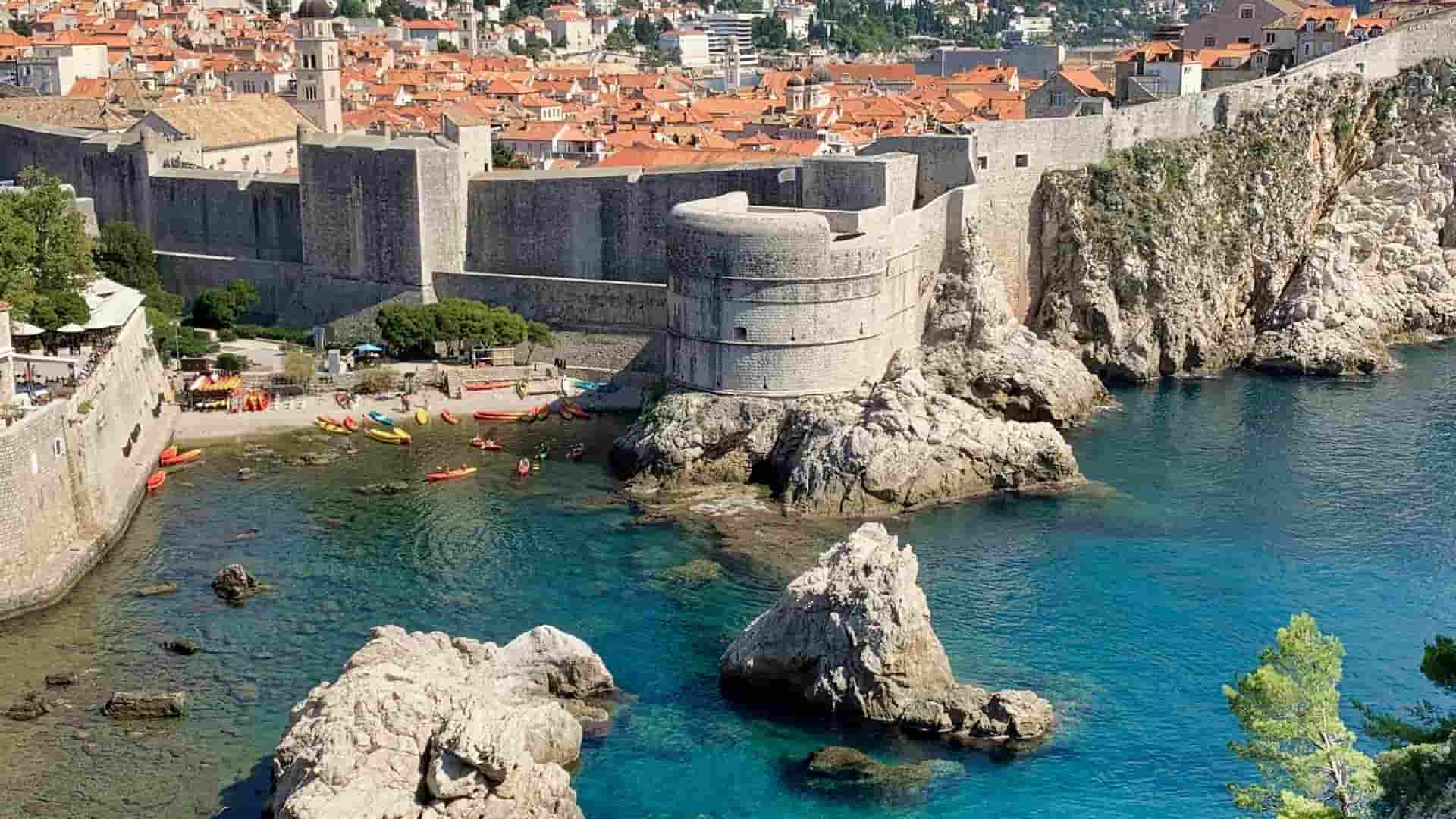
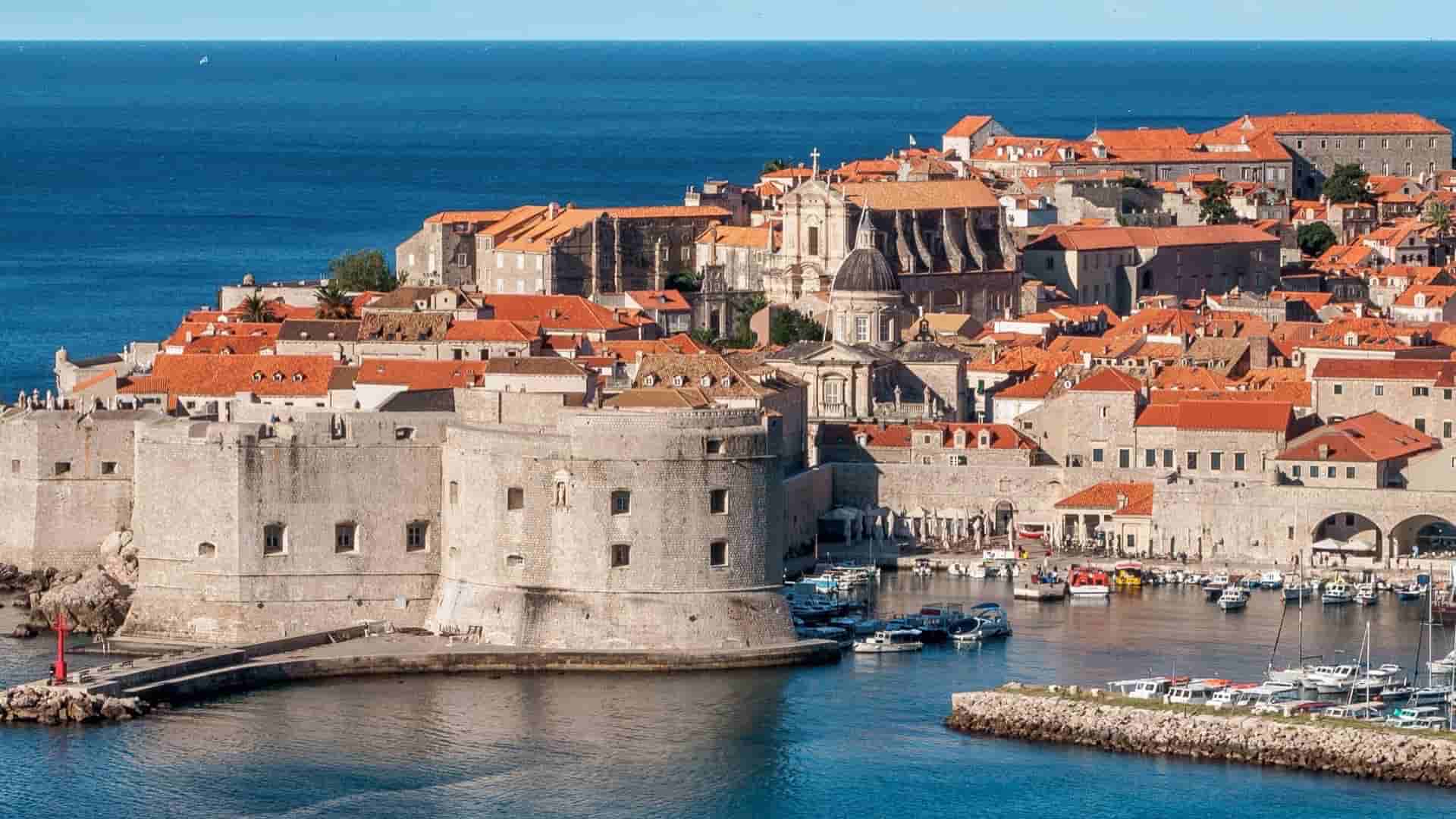
When Venice seized the harbor in 1205, during the chaotic aftermath of the Fourth Crusade, the locals dug in. They built walls of thick karst limestone to shield their wealth. On April 6, 1667, when the earth buckled and crushed the Gothic city, the survivors did not weep; they rebuilt in sober, stone-faced Baroque. Survival was always their trade, fueled by diplomatic gold paid to the Ottoman court.
The republic thrived on isolation, keeping the world at arm's length since the dark winter of 1377 when the city invented quarantine to fight the black death. During the bitter siege of 1991, as the Yugoslav federation collapsed, two thousand artillery shells scorched these streets. Yet the stones remained. Today, the scars are gone, replaced by pristine red clay tiles baked in local kilns. We see no ruins here, only the sharp lines of a fortress that refused to die.
Reflective Pause
My fingers trace the cold iron of a hand-rail in a steep alleyway where the light never fully lands. The metal feels thin, worn flat by centuries of anxious palms seeking balance on the slick stairs. A distant radio plays a slow, dry melody that hangs in the cool, damp draft of the stone corridor.
Act III: The Sanctuary of the Grape
We scale the steep stairs of the northern wall to find shelter. In a narrow, shadowed passage, Restaurant Marco Polo offers a different kind of survival. Here, the heavy karst walls hold the cool air of the morning. On the table, a glass of Dubrovačka Malvazija catches the amber glow of a low lantern.
This wine belongs to the soil. For centuries, the peasant farmers of the Konavle Valley grew this grape to fill the silver cups of the ruling class. Now, it belongs to everyone who seeks refuge from the sun. We taste the dry stone, the salt wind, and the long labor of the hills.
A bowl of chilled orange soup arrives, crowned with crisp, white popcorn. It is a playful, sharp shock to the palate, breaking the heat of the day. Beside it, warm bread smelling of roasted almonds and wild thyme sits on an olive-wood board. The four red Michelin plaques on the stone wall behind us do not boast; they simply mark a quiet triumph of craft.
The Lingering Light
As midnight nears, we return to the Stradun. The crowds have gone, leaving only the white mirror under the stars. We walk on the polished bone of the city, our steps echoing like old gossip. If we must live in an age of shifting empires, let us build with stone that remembers the sun, and drink the gold that outlasts the kings.