Fast Facts for the Modern Explorer
- Definition: A tectonic ria—a drowned river canyon—cutting deep into the Dinaric Alps of southwestern Montenegro.
- Current Relevance: A fragile UNESCO World Heritage site balancing massive cruise-ship pressure with luxury yacht moorings.
- Practical Duration: Three days of slow sailing or coastal driving to absorb the defensive fortifications and historic stone towns.
Act I: The Dark Gate
The water turns to slate.
Past the broken headlands of Cape Oštro, the wild swells of the open Adriatic die away, replaced by a silent, shadow-choked trench where the mountains plunge straight into the tide. The air grows cold and thick with the smell of wet limestone and diesel. A sudden, clean trap.
At the customs dock in Zelenika, the heavy scent of raw fuel and rusted iron clings to the wool of my jacket. The engine of our boat thrums against the stone dock, its sound echoing off the sheer walls that rise nearly one thousand meters into the grey sky. When the dry Bora wind sweeps down from Mount Orjen, the rigging lines hiss. We slide forward into the gloom of the inner basin, where the sea becomes a dark, glassy floor.
Act II: The Iron and the Altar
Geologists correct the old travel guides that call this water a fjord. This is a ria, a river valley drowned when the Earth’s crust cracked and the sea rushed in to fill the limestone void. Humans turned this geological crack into a fortress. At the narrowest point, the 250-meter-wide Verige Strait, medieval sentinels stretched massive iron chains across the water to rip the hulls from invading warships.
History here belongs to the water. In 809 AD, when Byzantine trade routes still bound these coasts, local sailors formed the Boka Navy guild to guard the relics of Saint Tryphon and train young pilots. While the men sailed the world, the women stayed behind on these narrow stone ledges, ruling the grand villas and navigating the complex bureaucracies of the Venetian Republic. They were the widows of the wind, watching the horizon for sails that often took five years to return.
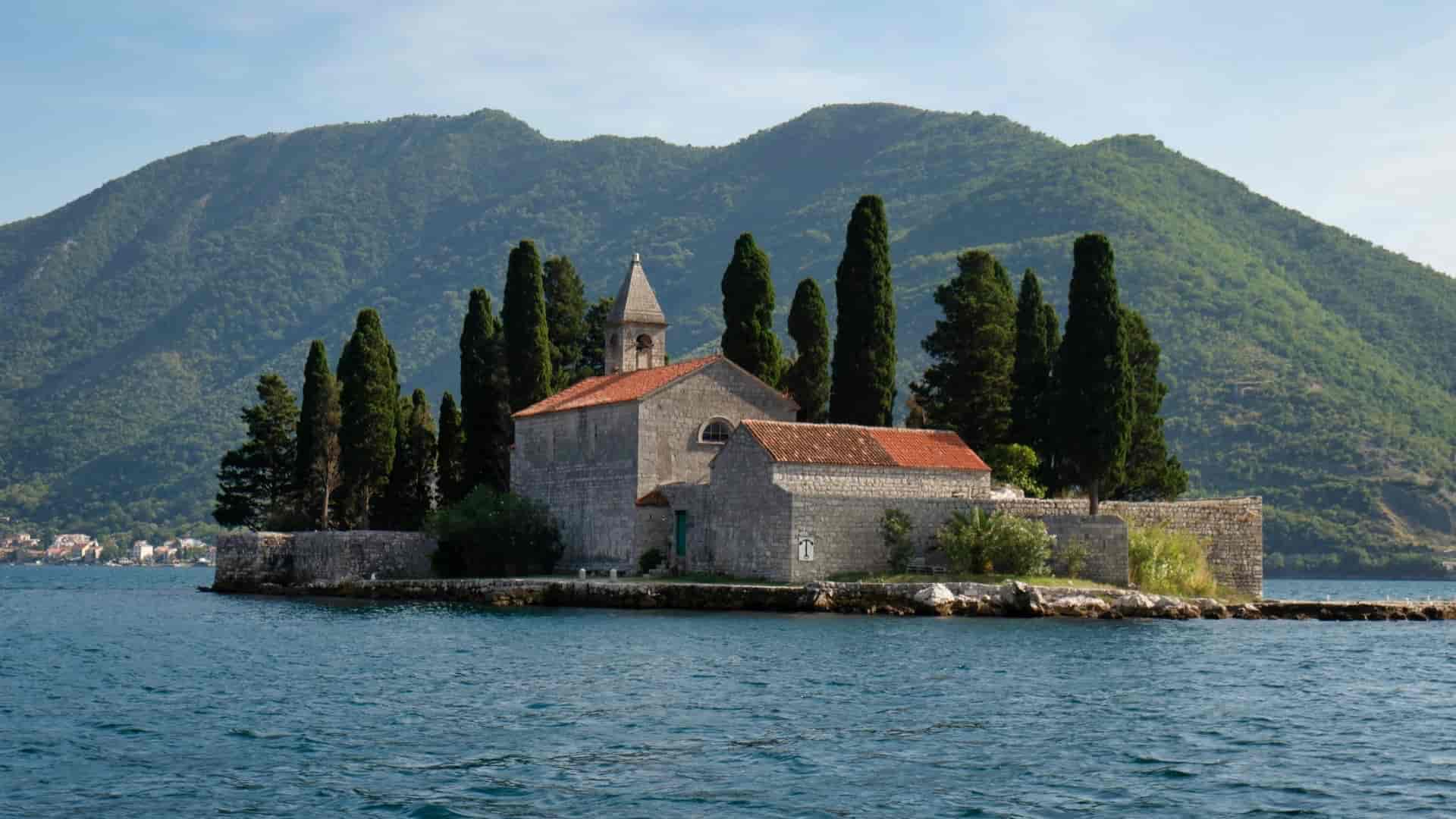
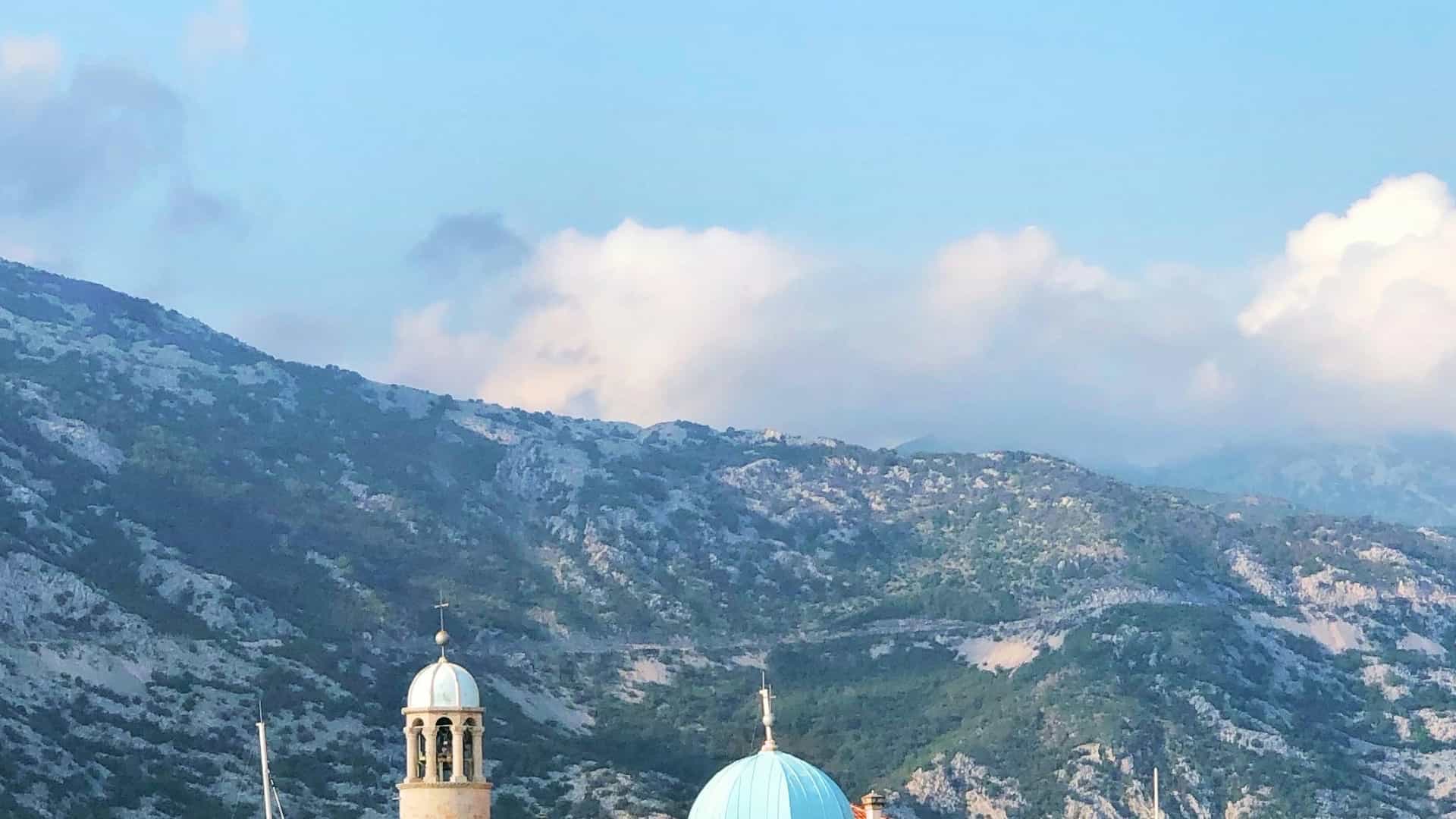
Further in, two islets float like stone ships. In 1452, when local fishermen found an icon of the Virgin on a jagged reef, they began dropping rocks and sinking seized pirate vessels to build an artificial island. Today, the church of Our Lady of the Rocks rests on that silent heap of sunken timber and stone, its walls holding thousands of silver votive plates left by sailors who survived the storms of the Atlantic.
Reflective Pause
My fingers trace the cold, salt-bitten stone of the quay, worn smooth by three centuries of mooring ropes. A single pine needle floats in the green water below, spinning slowly in the wake of an unseen boat. The wind carries the faint, dry scent of wild sage baking on the cliffs high above.
Act III: The Shadow of the Cranes
The old world does not vanish; it merely changes its flag.
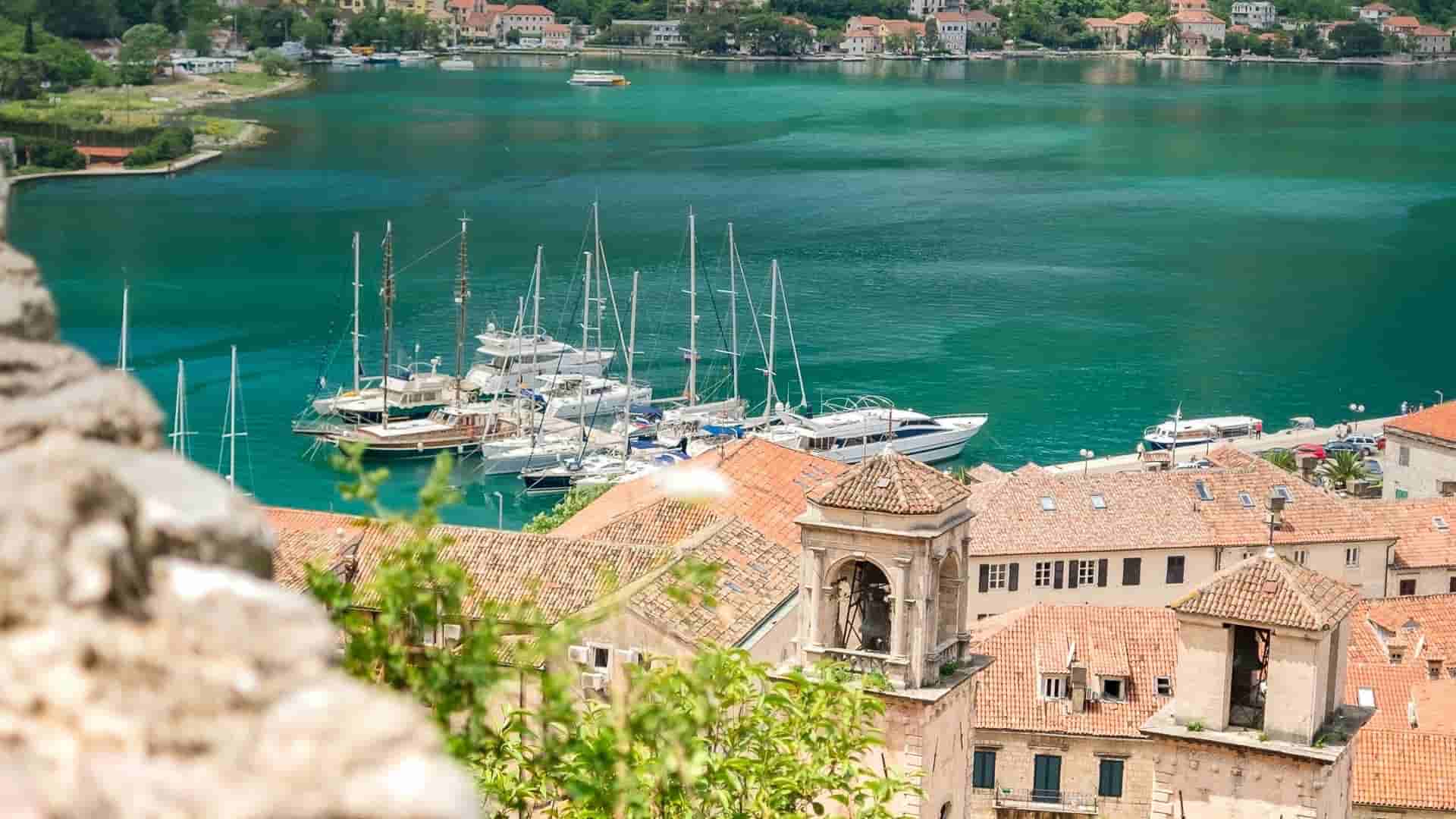
Where Austro-Hungarian sailors built a massive naval arsenal in 1889 to service imperial battleships, superyachts now tie up to custom concrete docks. The giant cranes that once hoisted grey Yugoslav diesel submarines now lift pristine hulls for billionaires in Porto Montenegro. This shift from naval sovereignty to private wealth has changed the face of the shore, yet the great limestone walls of the mountain still dwarf every human ambition.
Close your eyes for sixty seconds on the stone pier at Perast, and the modern world slips away. You hear only the rhythmic, hollow lap of cold mountain water against the ancient foundations. You feel the cool, damp breath of the stone walls behind you, and you realize that this deep trench has always belonged to the mountains, and we are merely passing through.
We leave the bay as we entered, with the taste of salt on our lips and the dark shadow of the cliffs looming behind us. Queen Teuta’s ghost still watches from the high rocks of Risan, reminding us that no empire, whether Roman, Venetian, or corporate, can ever truly tame this wild crack in the earth.