Fast Facts for the Modern Explorer
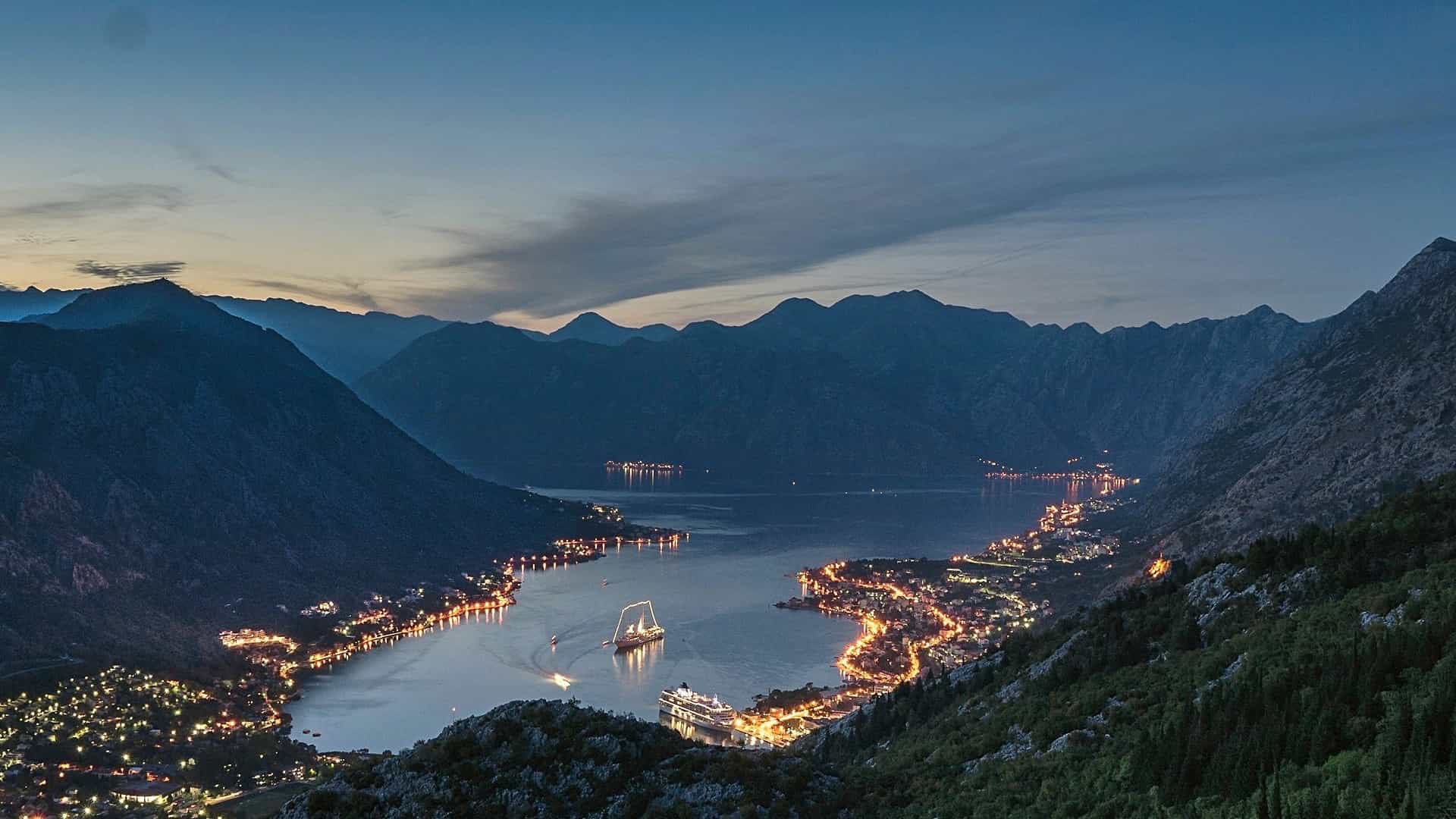
- Definition: A fortified medieval redoubt in Montenegro, wedged between sheer karst cliffs and a deep Adriatic inlet.
- Current Relevance: Now protected by UNESCO, it stands as a living testament to Venetian military defense and shared maritime devotion.
- Practical Duration: Spend two full days to climb the high ramparts and trace the quiet, shadowed alleyways.
Act I: The Scene
Shadows pool in the piazza.
As the afternoon sun slips behind the towering limestone mass of Mount Saint John, the sheer vertical walls cast a cold, protective gloom over the maze of red-tiled stone roofs below. Walking here feels like pacing the bottom of a deep geologic well where the sea has pooled. A sanctuary carved from raw anxiety.
The air smells of salt.
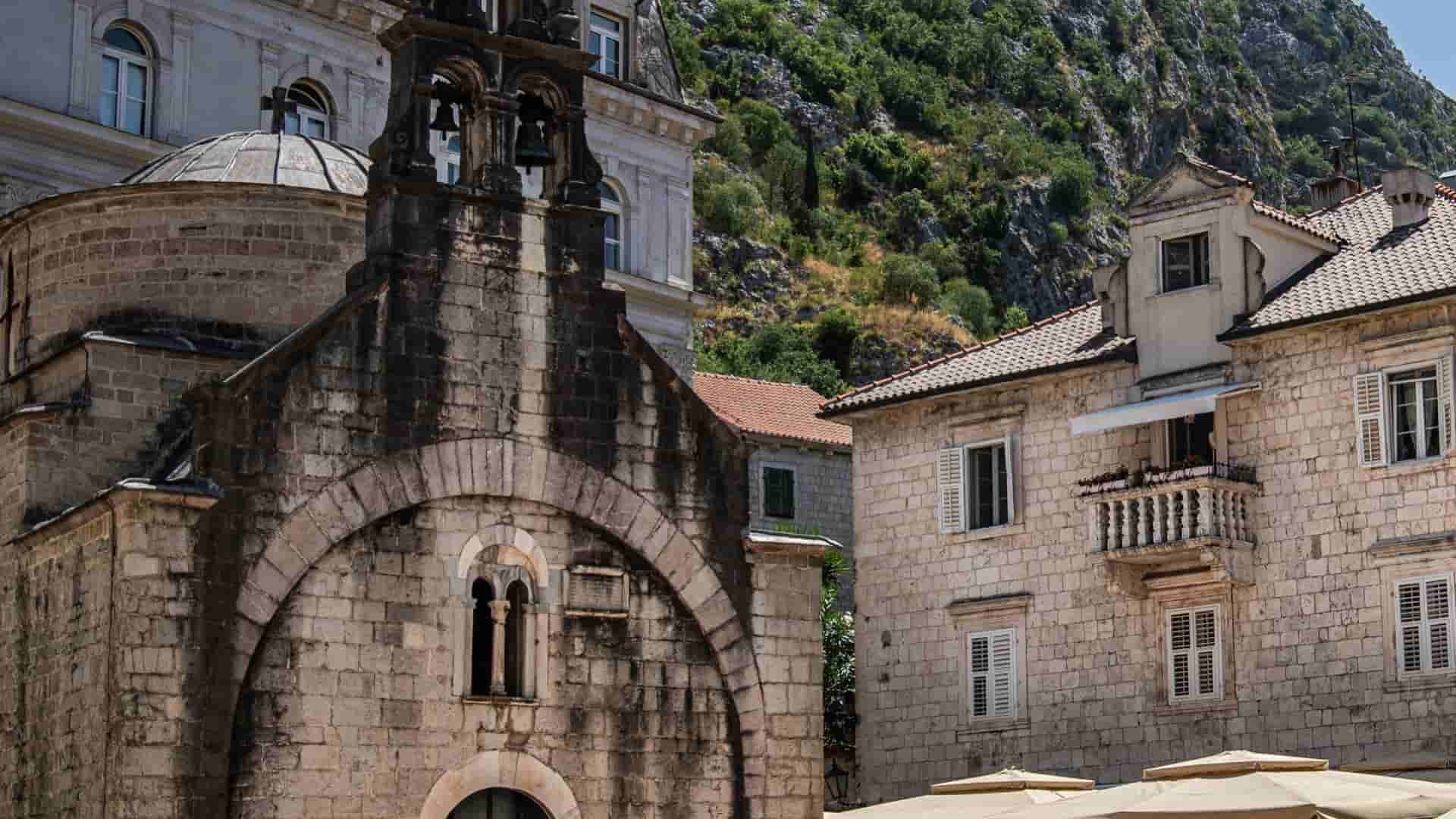
Your shoes grip flagstones worn smooth by seven centuries of boots, while the sharp tang of drying sea nets fights the cold, damp draft of mountain caves. High above, the bells of Saint Tryphon strike their heavy notes, the bronze clang bouncing off sheer rock faces before dying in the narrow alleys. Pure stone theater.
Act II: The Wall and the Relic
Walls do not lie.
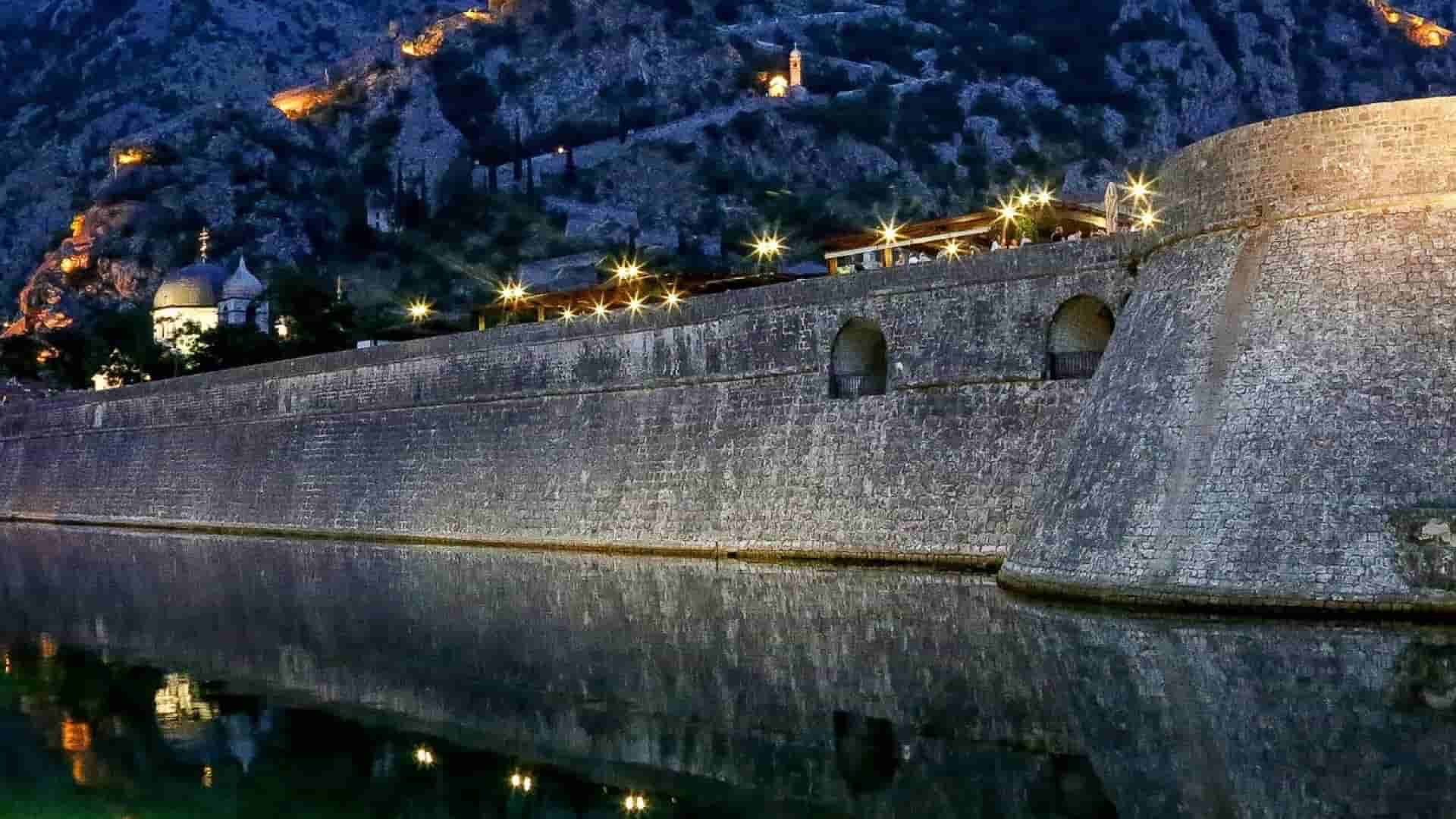
When the citizens of this bay voted to hand their keys to the Republic of Venice in 1420, they traded absolute freedom for the shield of Saint Mark against the surging Ottoman armies. The resulting shield took the physical form of a four-and-a-half-kilometer ribbon of limestone wall, snaking up vertical karst to a fortress perched two hundred and sixty meters above the water. An architectural defiance of gravity.
The cathedral stands as proof.
Consecrated on June 19, 1166, when medieval stonemasons ruled the local Adriatic coast, the Cathedral of Saint Tryphon weathered both enemy siege and the catastrophic shaking of the earth in 1667. Its mismatched Baroque towers, rebuilt in the decades following that great ruin, show how poverty and determination often carve the final shape of sacred places. A lopsided monument to survival.
Reflective Pause
I run my fingertips along the cold, damp mortar of a small archway near the flour square, feeling the grit of crushed sea shells mixed into the ancient plaster. A single shaft of golden light pierces the high gloom, illuminating a small patch of green moss clinging to the carved stone crest of a forgotten captain. In this quiet corner, the restless ticking of the modern world fades into the slow, steady heartbeat of the mountain.
Act III: The Shadow of the Mountain
Survival is an art.
In this stone cradle, where both Roman Catholic and Eastern Orthodox sailors marched together in the ancient fraternity of the Boka Navy, peace was maintained not by sword, but by shared devotion to a single patron. This small town survived because its people knew when to bend to the storm and when to build walls thick enough to absorb the shock of iron cannonballs. Strategy over raw muscle.
If you close your eyes for sixty seconds on the steps of the Church of Our Lady of Remedy, you see the slow, rhythmic crawl of a single white sailboat carving a silent line across the dark glass of the bay below, framed entirely by the black shadow of the mountain.
Open your eyes.
Step down from the heights into a shadowed tavern to taste the salt of dry-cured mountain ham and sip cold, pale wine that tastes of limestone and wind. As you touch the cold stone wall one last time, you realize that Kotor does not belong to the mapmakers or the empires that claimed it. It belongs to the rock itself.