Fast Facts for the Modern Explorer
Definition: Pasadur Bay and Ubli form a multi-layered maritime sanctuary on Lastovo Island, where Roman ruins and Yugoslav naval tunnels carve into the limestone.
Current Relevance: Today, this protected marine park offers yachts rare shelter and Europe’s cleanest dark-sky starlight, free from coastal glare.
Practical Duration: Spend three days navigating the deep bays and hiking the forested military ridges.
Act I: The Anchor Bites
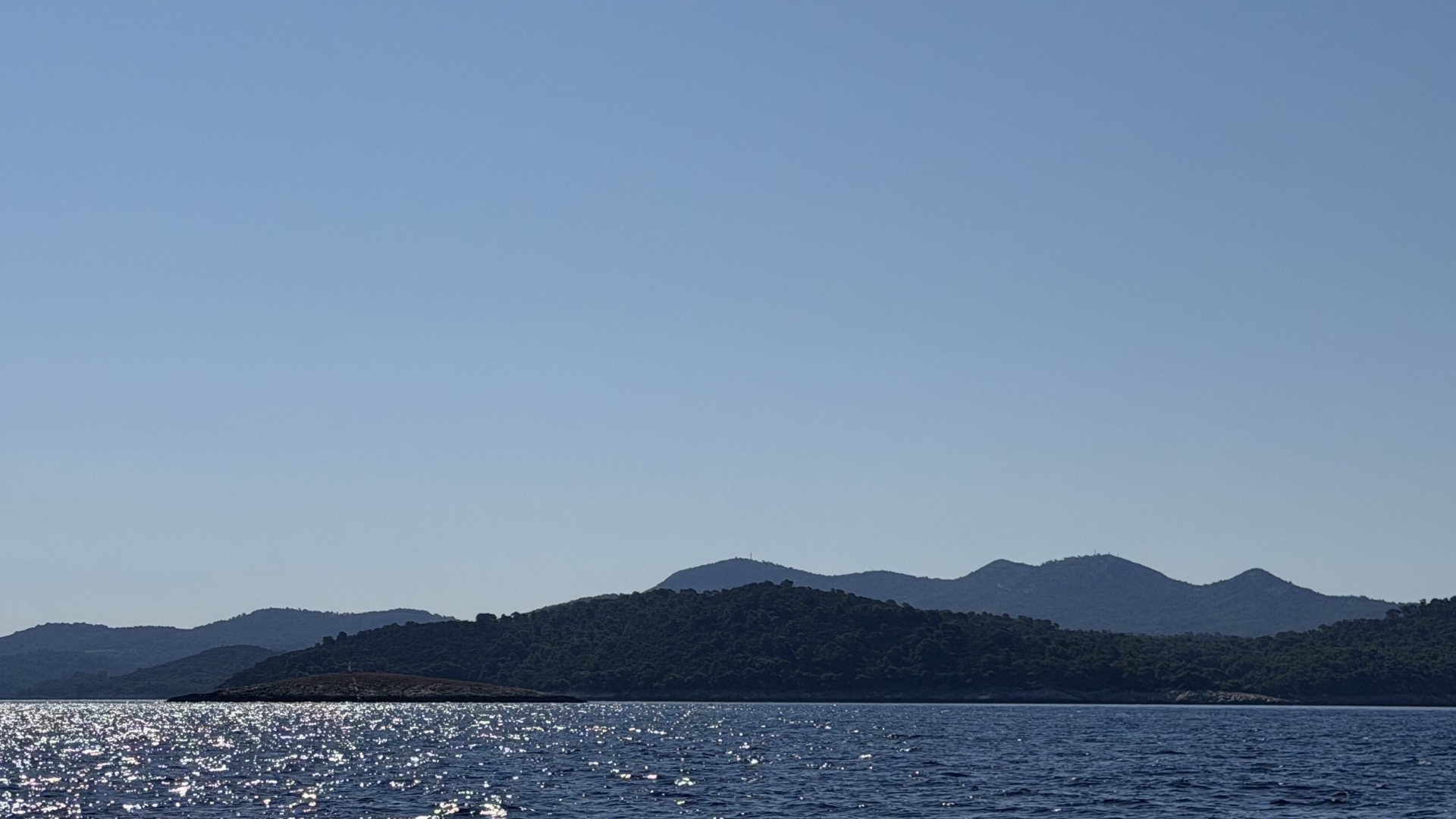
The anchor bites the sand. Outside the narrow throat of Pasadur Bay, charter fleets thrash through the rising chop, but here the dark water settles into a deep, wind-shielded stillness. We slip into a pocket of the coast that has hidden deserters and kings since the first triremes rowed south. A sanctuary of cold stone. The air smells of crushed Aleppo pine and the sharp salt of the open sea.
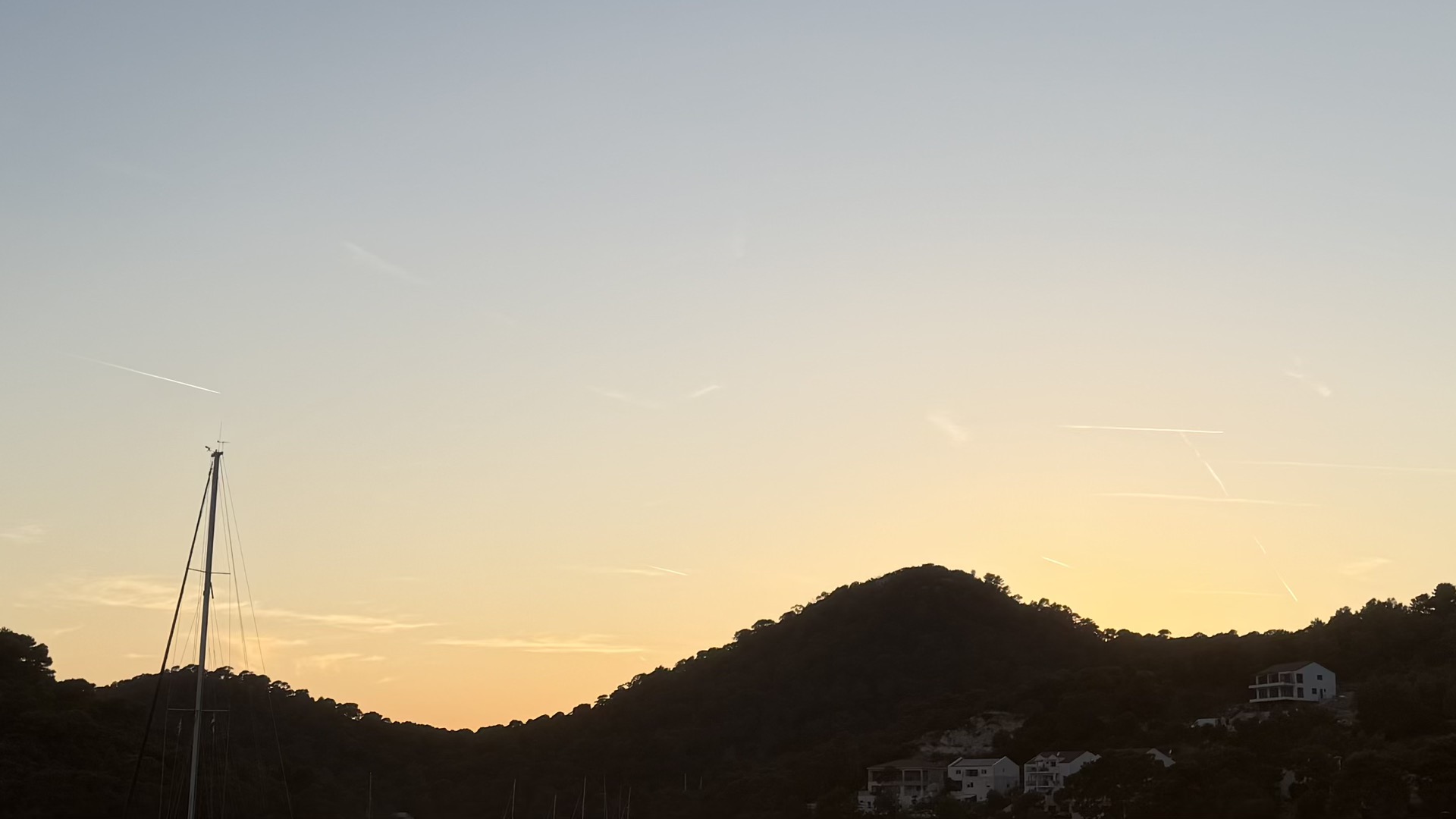
Dusk falls over Ubli. In the shallows, the grey ribs of a fifth-century basilica—built as the western Roman empire crumbled—rest beneath the clear water. My fingers trace the cold, rough limestone of the quay, where Roman galleys once tied up to load amphorae of strong red wine. Only the wind moves through the pines now. At 42°45'N, the limestone cliffs drop into sixty feet of cold water.
Act II: The Price of Freedom
History leaves heavy scars. In 1252, when Venetian sail threatened their shores, the island elders refused to bow and instead bargained for their freedom with the far-off Republic of Ragusa. They signed away their tribute but kept their ancient laws, their communal pastures, and their pride. A masterclass in survival. This legal defiance kept the island whole through centuries of pirate raids and imperial greed.
Then came the iron curtain of the mid-twentieth century. From 1945 to 1992, as the Cold War split Europe, the Yugoslav military barred all foreign eyes from these shores, carving deep berths for warships into the living rock. Soldiers dug three hundred meters of concrete tunnels through the karst, turning the Roman island of Augusta into a silent, heavily armed sentinel. This enforced isolation acted as a strange preservative. While the rest of the Adriatic sold its soul to concrete hotels, Lastovo slept in its green fortress.
Reflective Pause
My fingertips trace the cool, chalky residue left on the abandoned concrete of the submarine pen. Inside this cavern, the slow drip of condensation hits the dark sea with the steady, metallic ring of a dying clock. The world outside disappears, replaced by the damp scent of sleeping stone and ancient iron.
Act III: The Dark Sky Heals
The dark sky heals. Because no neon signs or highway lights pierce this remote corner of the sea, the stars burn with a raw, ancient fire that modern cities have long forgotten. We look up at the same dome that guided Roman captains, feeling our own smallness in the cool night. A map of light. This darkness is not empty; it is a shield that guards the island’s quiet soul.
To walk through Ubli today is to see how communities endure when they refuse to rush. The locals still dance the Poklad, sliding their straw dummy down the cliffs to mock the pirates who never took their home. They do not do this for the cameras. They do it because their grandfathers did, and because the island demands memory.
When I close my eyes for sixty seconds, I see the emerald flash of phosphorescence blooming against the dark hull with every slow lap of the tide. As the morning sun warms the stone, the smell of wild rosemary rises once more to meet the cold concrete of the submarine pens. The scars of the twentieth century remain, but the sea is slowly reclaiming them, turning iron to rust and concrete to dust. Will we find our own fortresses of silence in a loud world, or will we let the noise swallow us whole?