Fast Facts for the Modern Explorer
- What: The urban topography of Seoul's rapid modernization, traced through its towering vertical monuments and raw, horizontal street culture.
- Current Relevance: As Korean culture dominates global screens, these physical spaces preserve the friction between corporate drive and youth rebellion.
- Practical Duration: Three nights of deliberate wandering, split between the southern slopes of Namsan and the western alleys of Mapo.
Act I: The Scene
The pork fat spits. Below the silver ribs of the high towers, blue-collar workers crowd around glowing grills where sharp liquor flows into small glass cups and the steam of fermented chili paste rises into the damp night air. We seek warmth in the shadows of giants, finding our humanity not in the sky but on the grease-stained street. A chorus of laughter.
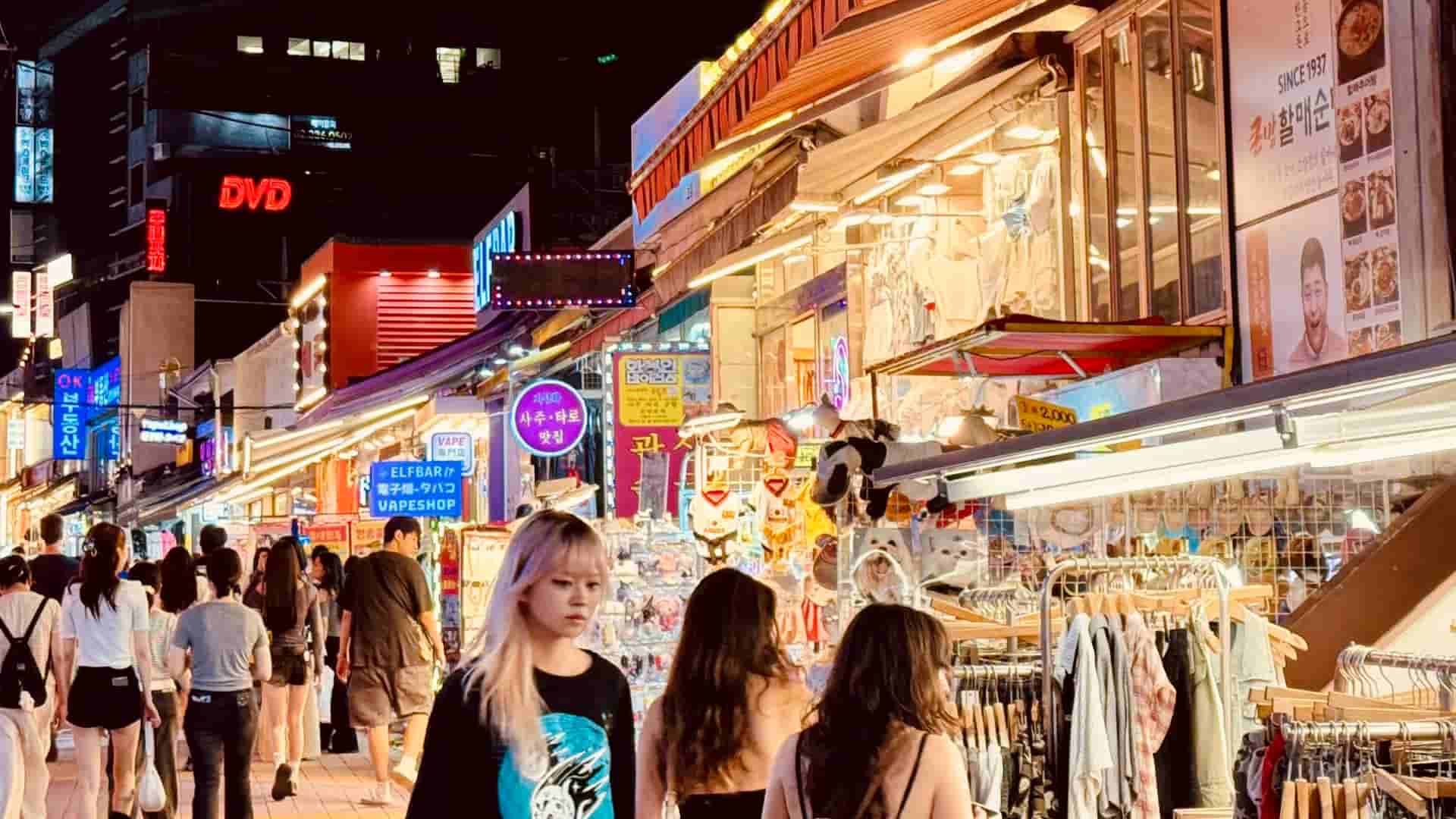
We stand in Hongdae, where the bass from a nearby basement shakes the pavement beneath our boots. Here, the air smells of cheap tobacco and frying oil, a heady mix that draws youth to the cracked asphalt. They gather in tight circles, watching dancers spin under the glare of cheap streetlights. Above us, the sky is a blank canvas, erased by the white glare of commercial billboards.
Act II: The Conflict
In nineteen fifty-three, when the border froze and the guns grew quiet, Seoul lay in ruins. The capital did not walk toward growth; it sprinted. By nineteen sixty-nine, during the first aggressive wave of industrial rebuilding, builders raised the raw concrete core of the N Seoul Tower. The grey needle stood two hundred and thirty-six meters high on Namsan’s craggy peak, a silent watchman over a poor but striving people.
Fast forward to two thousand and seventeen, when Korean pop music swept across the globe. Corporate giants unveiled the Lotte World Tower, a five hundred and fifty-five meter blade of steel and silver glass. It pierces the sky, yet its cold luxury cannot match the warm, messy life that thrives in the alleys below. The high tower demands obedience, while the low streets offer escape.
Reflective Pause
My fingers trace the rough, cold brick of a low-rise alleyway wall in Itaewon, where thirty years of kitchen grease and coal dust have left a dark glaze. From a basement window, the muffled, steady thump of a bass drum hums through the mortar, shaking the tip of my cigarette. A single yellow bulb flickers overhead, casting my shadow long and thin against the wet stone.
Act III: The Insight
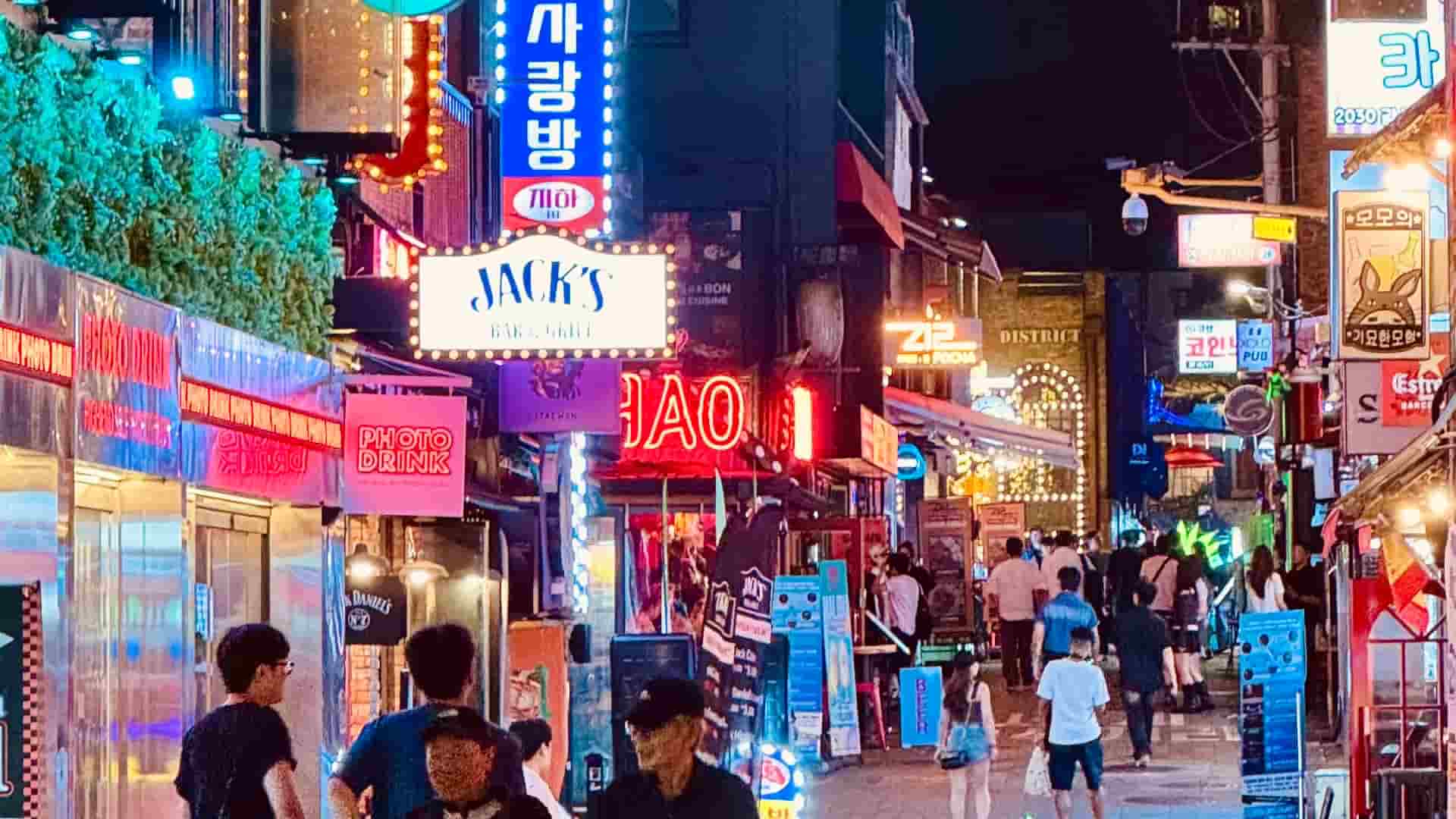
Neon floods the street. In the narrow gaps of Itaewon, where Turkish spice merchants and late-night bars crowd the steep slopes, the old military camp-town has shed its raw skin to become a home for those who do not fit the corporate mold. Here, we find the true genius of the city, born from friction and foreign dust. A sanctuary of the lost.
Yet, this grit fades as wealth moves in. In Hongdae, high rents push the young artists and musicians out of the damp basements they made famous. The corporate machine buys the rebellion, packaging it for mass consumption on bright shelves. Still, the youth find new cracks in the pavement, moving their drums and paint cans to cheaper ground.
If you close your eyes for sixty seconds on the slopes of Namsan, the city's roar fades into a low, rhythmic sigh. You see the faint, orange glow of coal embers burning in a street vendor’s cart, cooking sweet rice cakes for late-night wanderers.
We return to the grill, where the pork fat still spits on the hot iron plates. The Lotte World Tower remains cold and silent in the distance, a high monument to wealth that cannot buy the warmth of this smoke-filled street. Will Seoul let its towers swallow its alleys, or will the hot coal always outlast the cold glass?