Fast Facts for the Modern Explorer
- Direct Definition: The Skeleton Coast and Walvis Bay represent a hyper-arid coastal strip in western Namibia where the cold Benguela Current meets the Namib Desert.
- Current Relevance: Protected by the Ramsar Convention and contiguous national parks, this coastal wilderness acts as a critical sanctuary for millions of migratory birds and massive seal colonies.
- Practical Duration: A comprehensive exploration of the dunes, historical towns, and shipwrecks requires four to six days of rugged travel.
Act I: The Scene
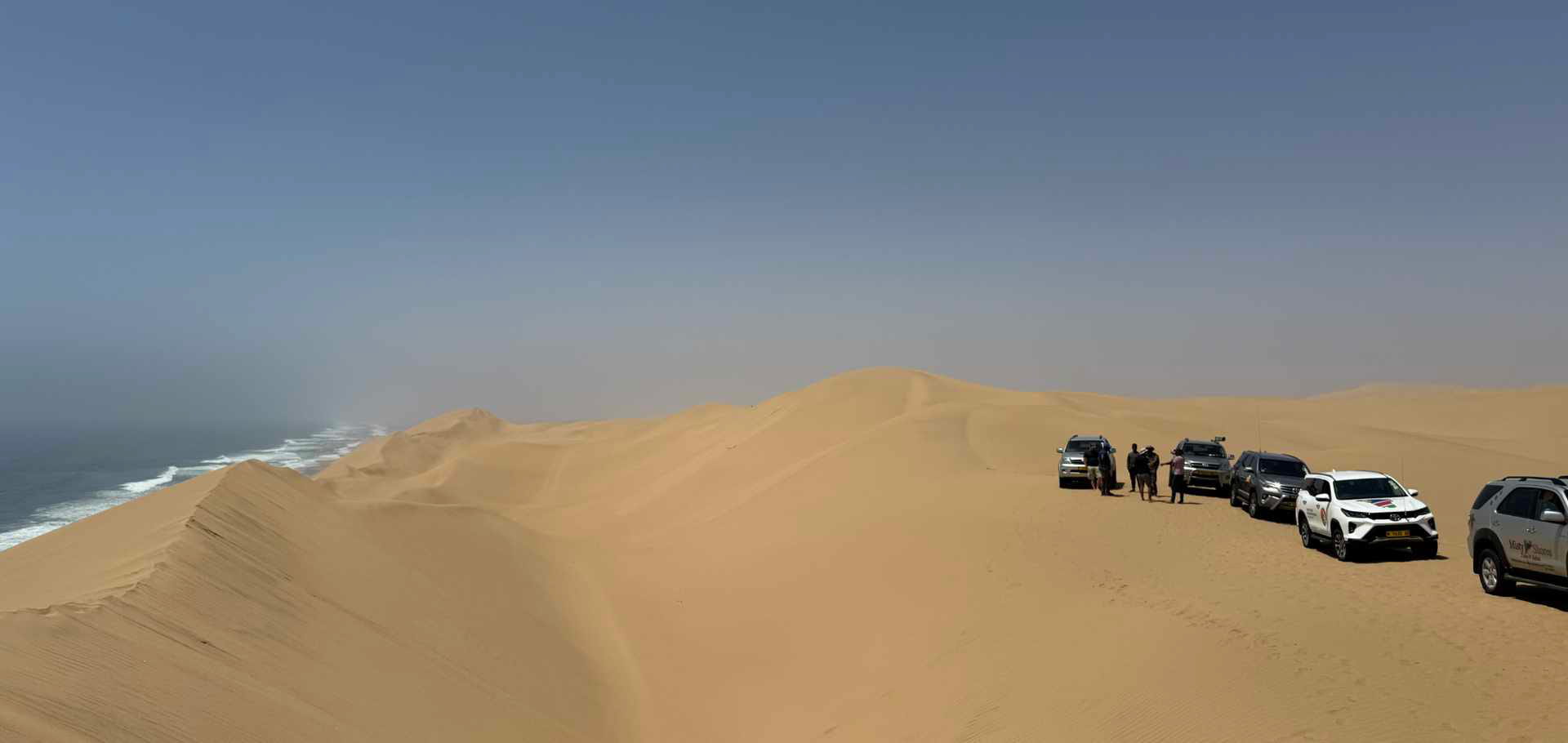
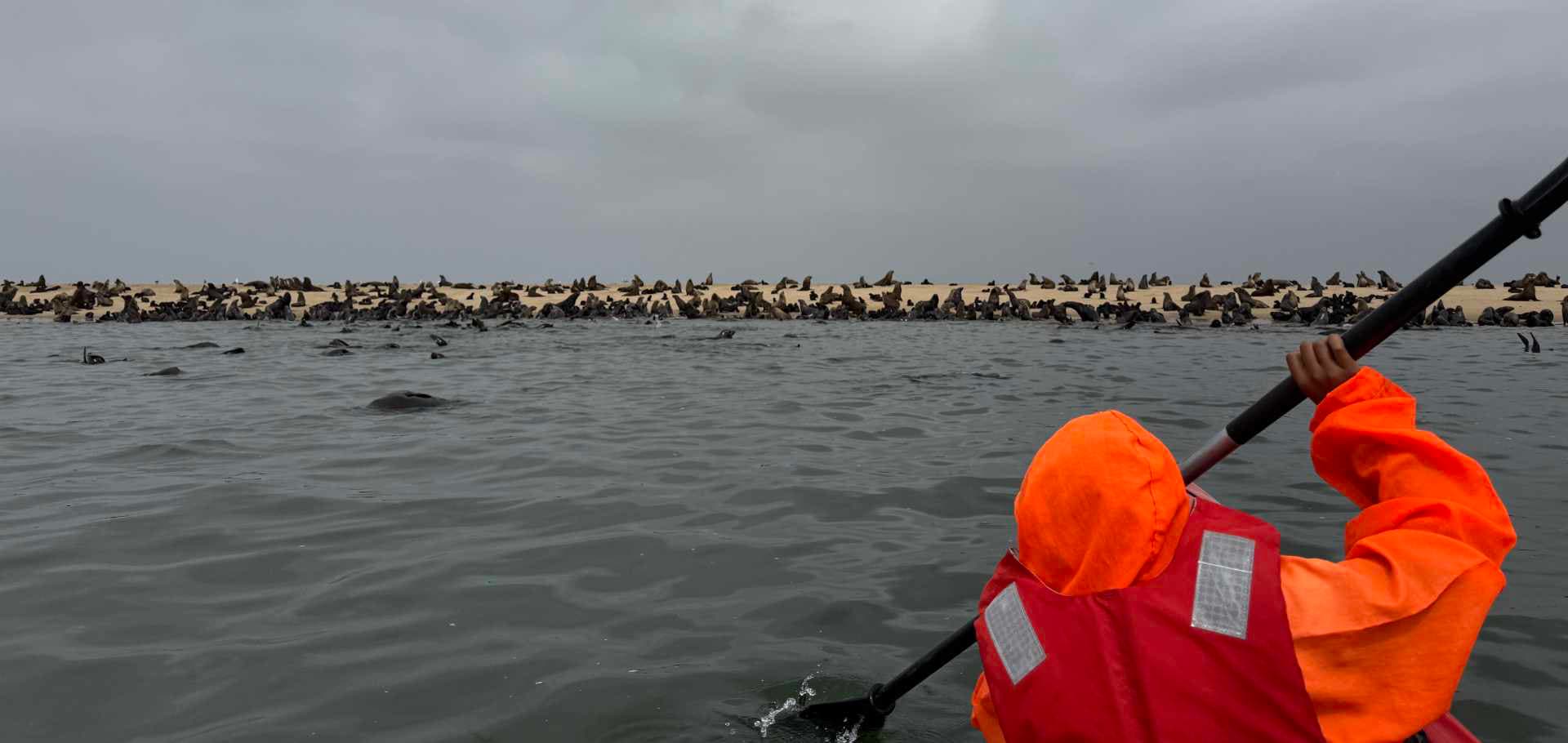
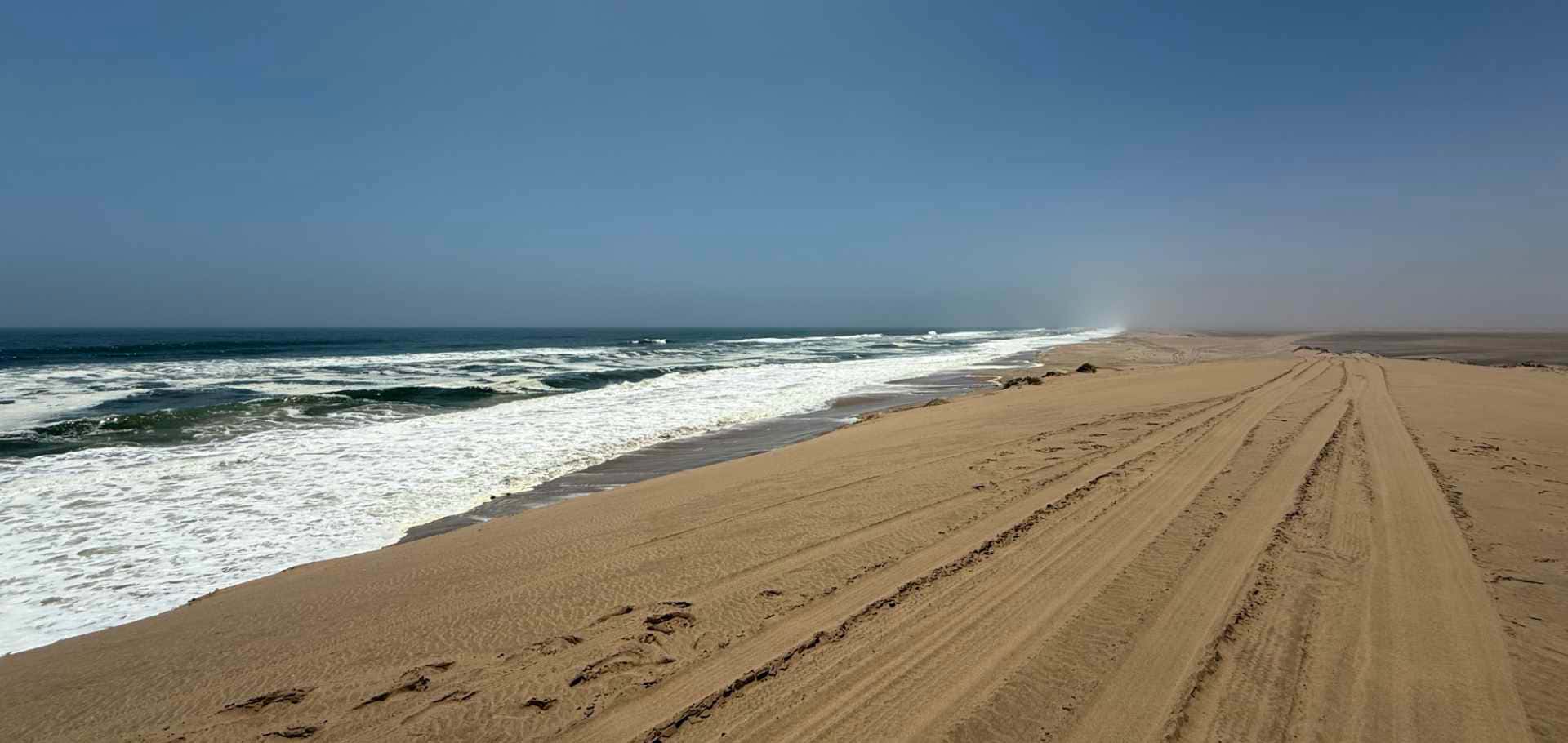
Salt burns the raw throat. Along this desolate shore, massive swells of the cold South Atlantic clash with the towering golden dunes of the Namib Desert, creating a blinding wall of advection fog that chokes the coast in white silence and blinds the voyager. This cold mist conceals the ribs of dead wooden schooners and rusted steamers that ran aground when desperate mariners lost their way in the blinding gloom. We watch the grey waves tooth the shore as Cape fur seals bark into the wind, their musk heavy like copper and rotting kelp. A graveyard of cold iron.
Act II: The Conflict
History here leaves deep scars. Long before German merchants built the red-brick gables of Swakopmund in 1892, indigenous beachcombers harvested the sea and the thorny, nutrient-rich !nara melon along ephemeral riverbeds. Portuguese explorers first felt this isolation when Diogo Cão erected his stone cross at Cape Cross in 1486, marking the edge of the known world. Later, during the global guano rush of the nineteenth century, merchants scraped the offshore islands bare to fertilize European fields, treating this wilderness as a raw quarry. A landscape of pure extraction.
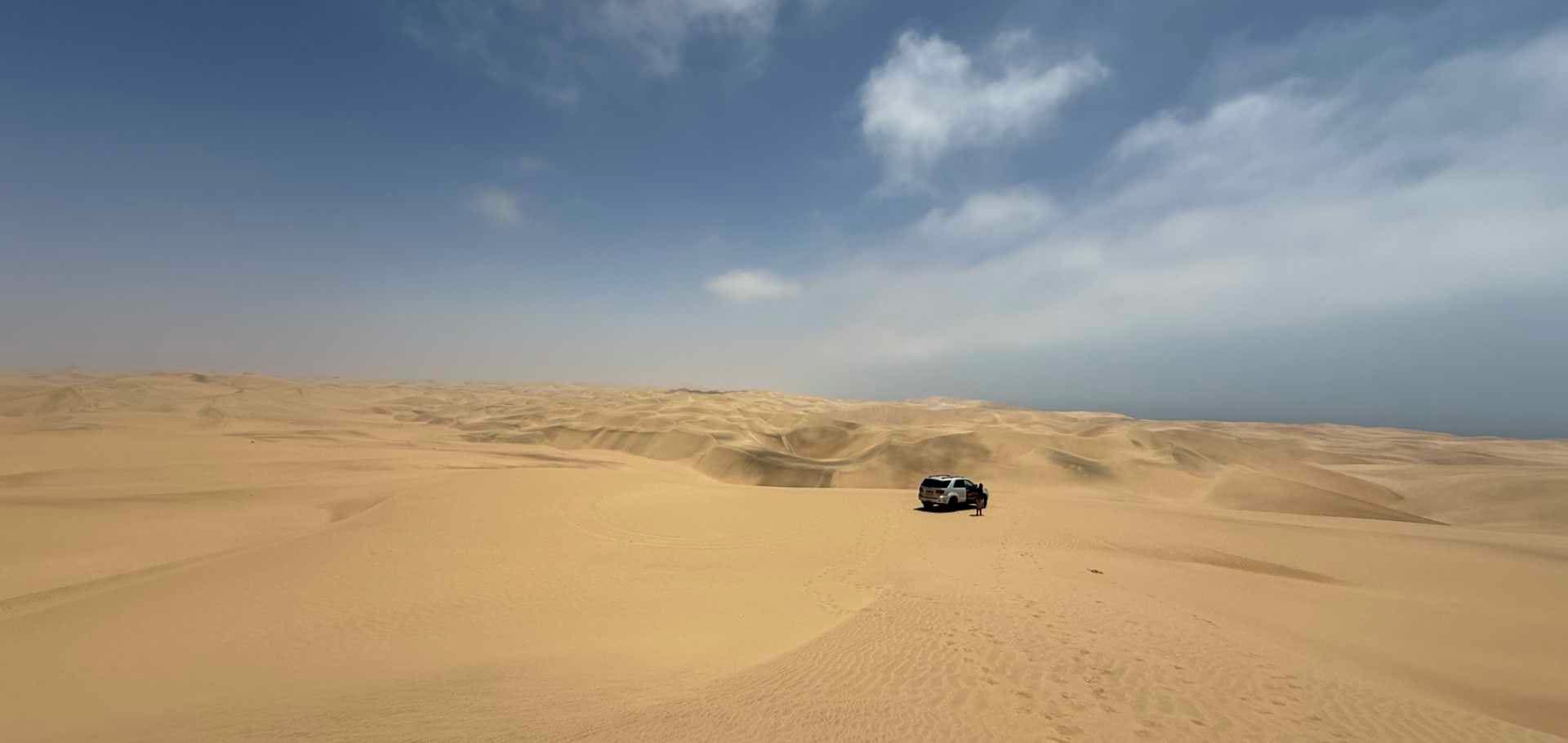
The desert swallows the sea. Consider the broken hull of the Eduard Bohlen, a coal steamer that ran aground in 1909 and now rests four hundred meters inland because the relentless wind piles sand into the ocean. This rusting hulk stands as a monument to the shifting coast, where dry dunes march steadily outward into the territory of the waves. Today, over sixteen thousand square kilometers of this hostile coast remain protected under the park status established during the conservation movements of 1971. Iron bone in dry sand.
Reflective Pause
A single grain of black magnetite sand clings to my thumb, cold and heavy as iron. The wind makes no sound here unless it strikes human clothing, turning our collars into snapping flags. A low, amber light slides off the dune crest, leaving the eastern slipface in total, freezing blue shadow.
Act III: The Insight
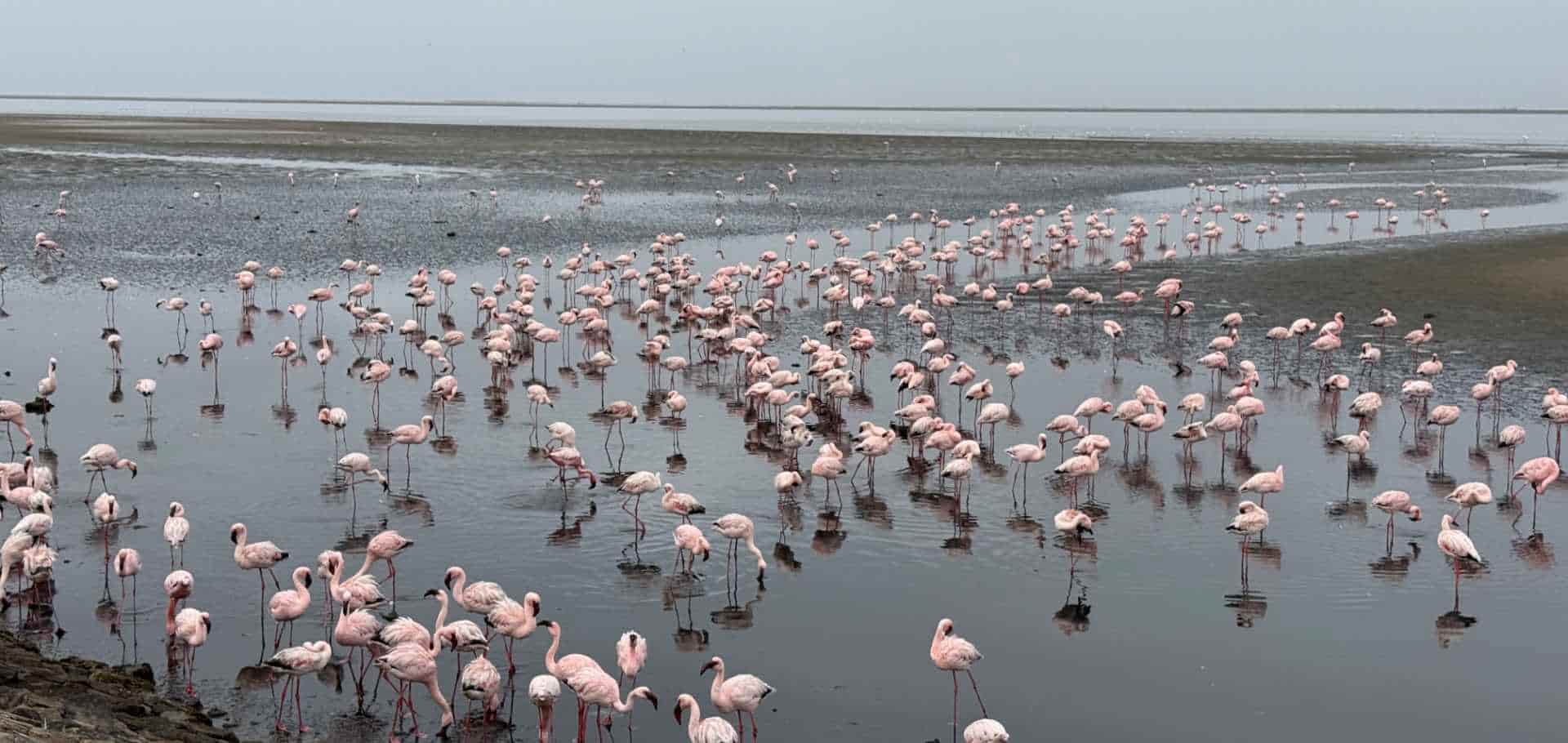
Life thrives in the margins. Southward in the Walvis Bay lagoon, which received international Ramsar protection in 1995, more than two hundred and fifty thousand birds paint the shallow water in strokes of pink and white. These greater flamingos feed on tiny brine shrimp in the shadow of massive salt works, proving that nature finds a foothold even where industry expands. Their high-pitched cries cut through the dense advection fog, linking this barren coast to far-off wetlands across the African continent. A loud, wild orchestra.
Close your eyes here. If you shut out the salt glare for sixty seconds, you do not see darkness but a persistent, blood-red glow of sun filtered through the fine, copper dust of the Namib. You hear the low, rhythmic thrum of the cold Atlantic swell vibrating through the sand beneath your boots like a giant, ancient heartbeat. This deep vibration reminds us that the coast is not dead, but merely waiting under its heavy blanket of salt and time. A living desert.
The Return
The fog always returns. As the cold Atlantic wind pushes the white mist back over the burning dunes, the boundary between land and sea dissolves once more, hiding the rusted skeletons of old ships from our eyes. We leave this empty coast with the taste of salt on our dry lips, knowing that the desert will continue to swallow our proudest monuments. In a world obsessed with leaving permanent marks, perhaps we need this wild margin to quietly erase our hubris. A clean slate.