Fast Facts for the Modern Explorer
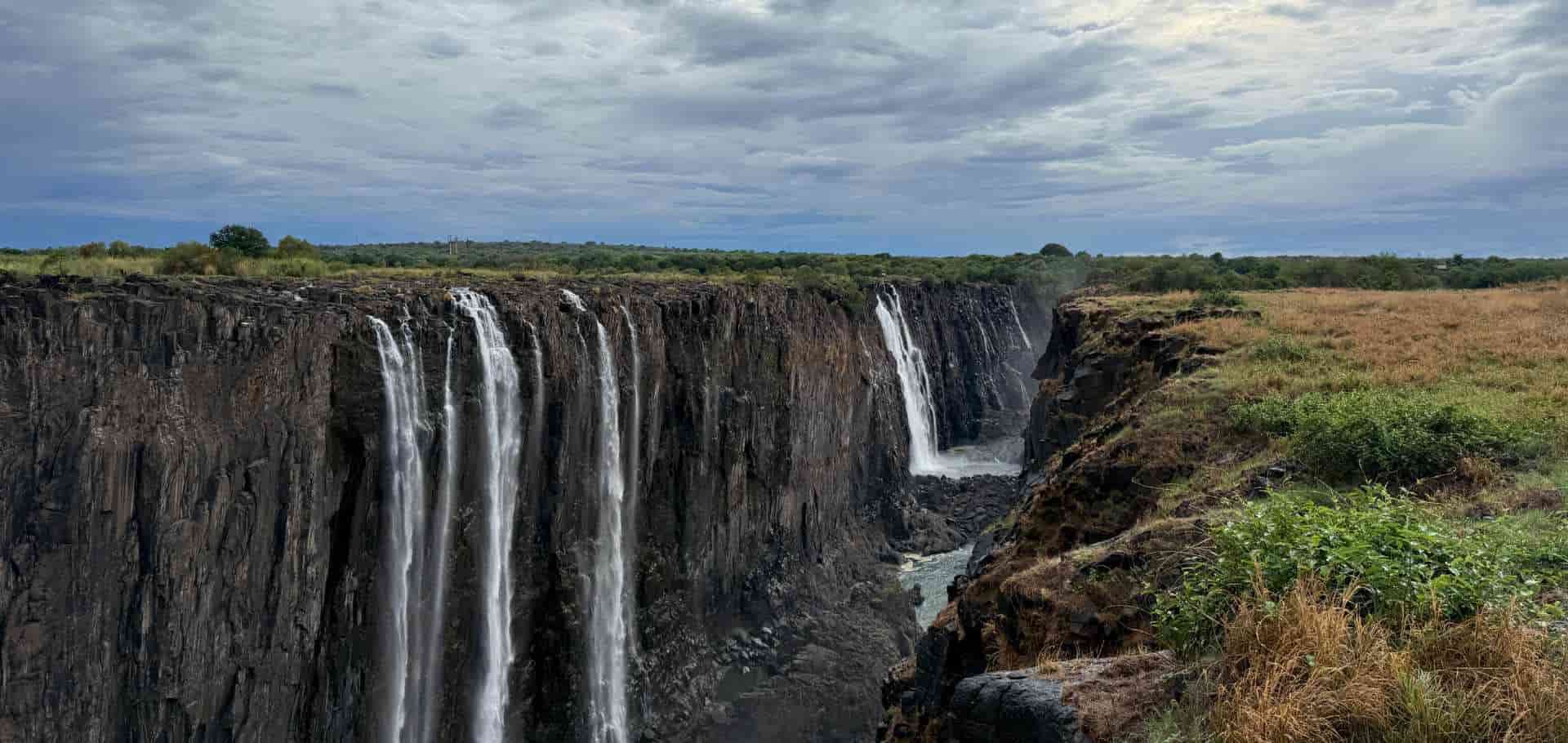
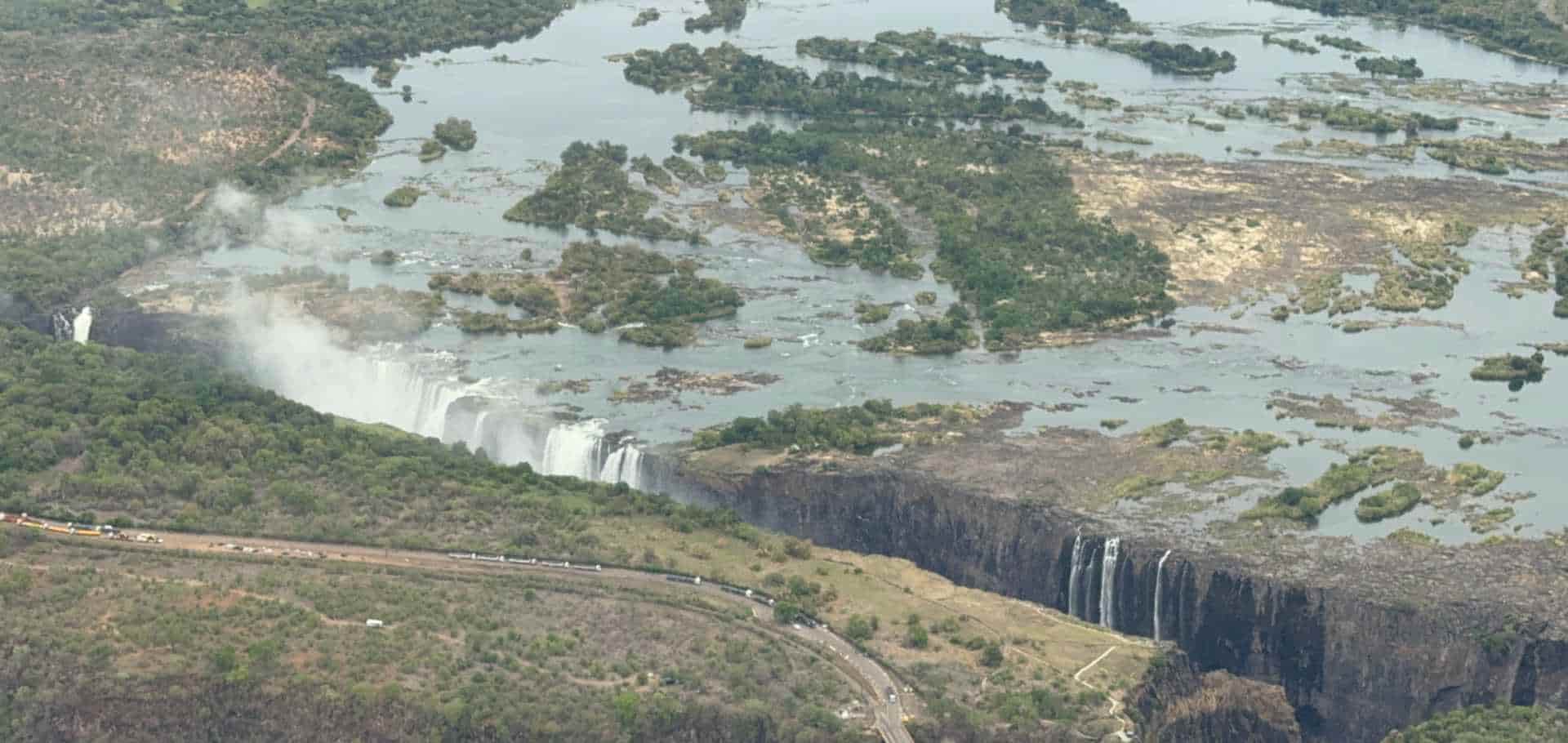
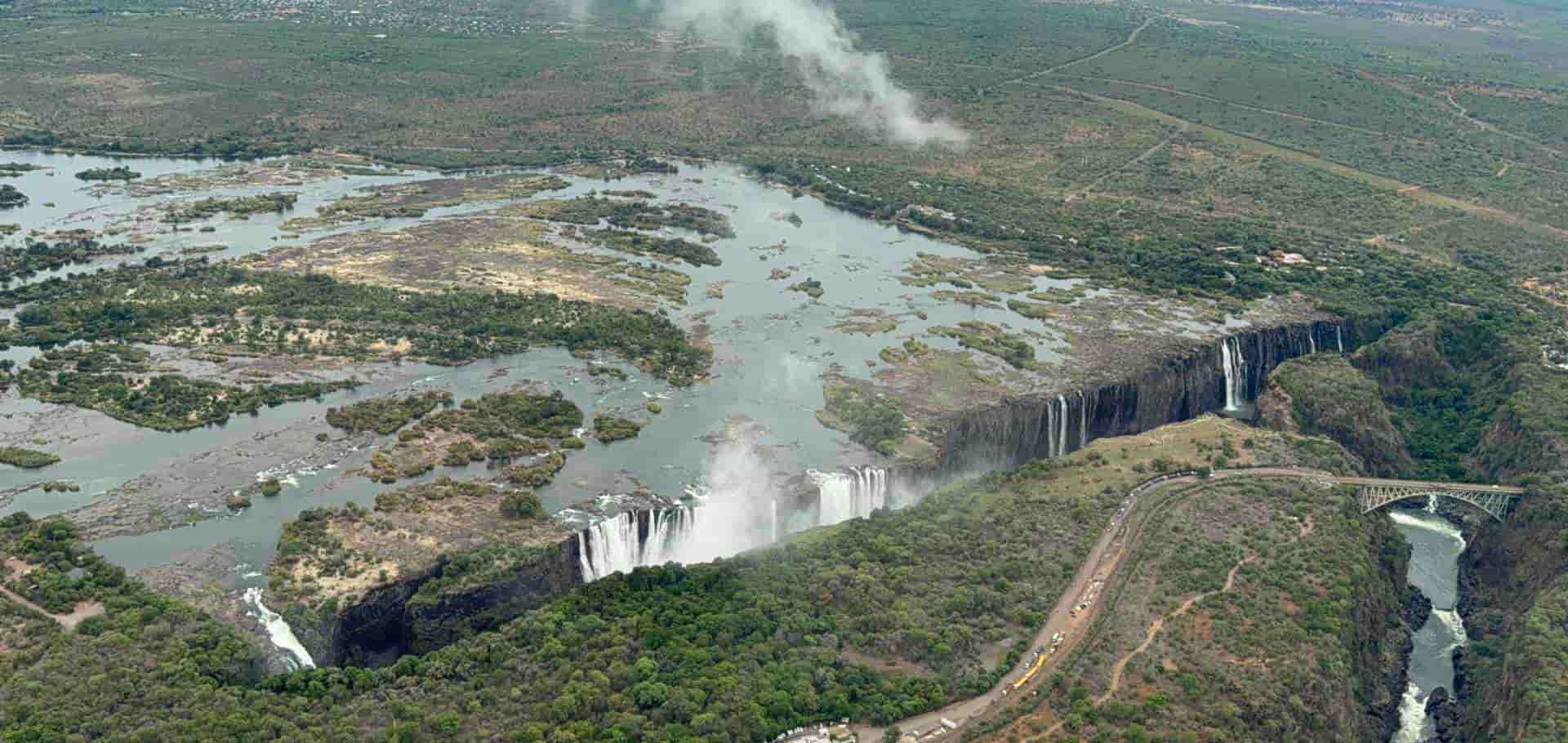
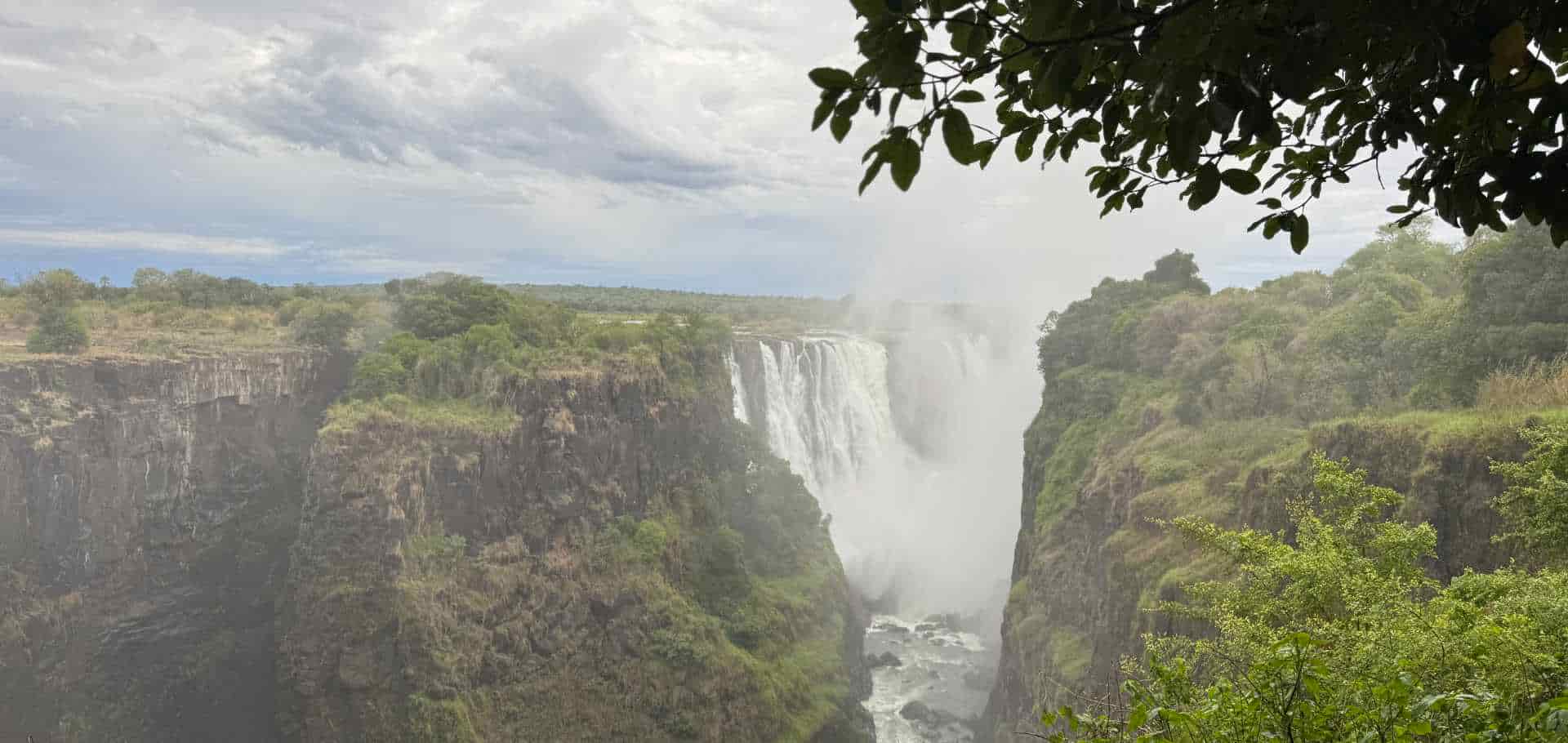
- Direct Definition: Mosi-oa-Tunya, known globally as Victoria Falls, is the world's largest sheet of falling water, formed by the Zambezi River plunging over a hundred meters into a zigzagging system of basalt gorges.
- Current Relevance: Today, the falls serve as a critical ecological anchor for the Kavango-Zambezi Transfrontier Conservation Area while functioning as a sensitive barometer for climate-induced hydrological shifts in Southern Africa.
- Practical Duration: To truly absorb the raw energy of the river, walk the rainforest trails at dawn, and trace the gorges, a traveler needs two full days.
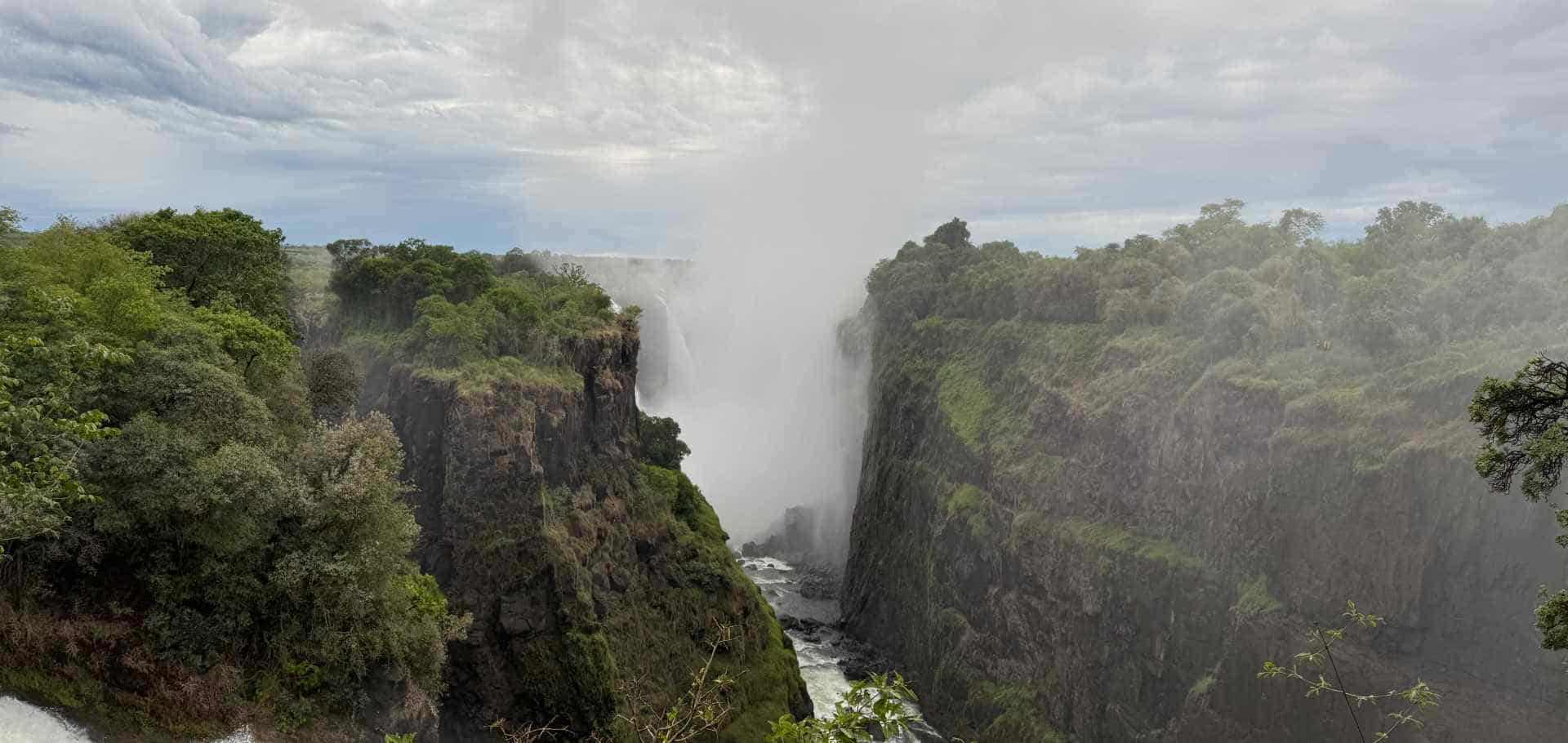
The wet soil yields underfoot. While the surrounding flat savanna parches under a harsh sub-Saharan sun, this strange, self-contained rainforest thrives under a perpetual, heavy downpour generated by the chasm's immense kinetic updraft. Ebony trees, wild date palms, and Cape fig trees crowd the narrow stone path, their dark leaves glistening with a constant, oily sheen of mineral-rich river spray. You feel the cold water seep through your leather boots, a physical reminder of the river's raw and unyielding grip on this fragile landscape. A thick smell of rotting wood.
Reflective Pause: A single drop of water hangs from the tip of a black fern, trembling before it falls. The low, bass hum of the abyss vibrates not in the ears, but directly within the bones of the chest. Here, the gray light of dawn catches the rising mist, turning the air into a wet shroud of liquid silver.
Water carvings tell the truest history. Long before the Scottish missionary David Livingstone stood on the island at the precipice in November of 1855, guided by Tonga and Leya rivermen who knew the waters, local priests worshipped the river as a living god. They called the falls Shungu Namutitima, the boiling water, and saw the rising mist as the breath of ancestral spirits. To these communities, the basalt canyons were not a wild frontier to be tamed, but a holy sanctuary where chiefs performed rainmaking rituals. They lived in deep harmony with the seasonal pulse of the river.
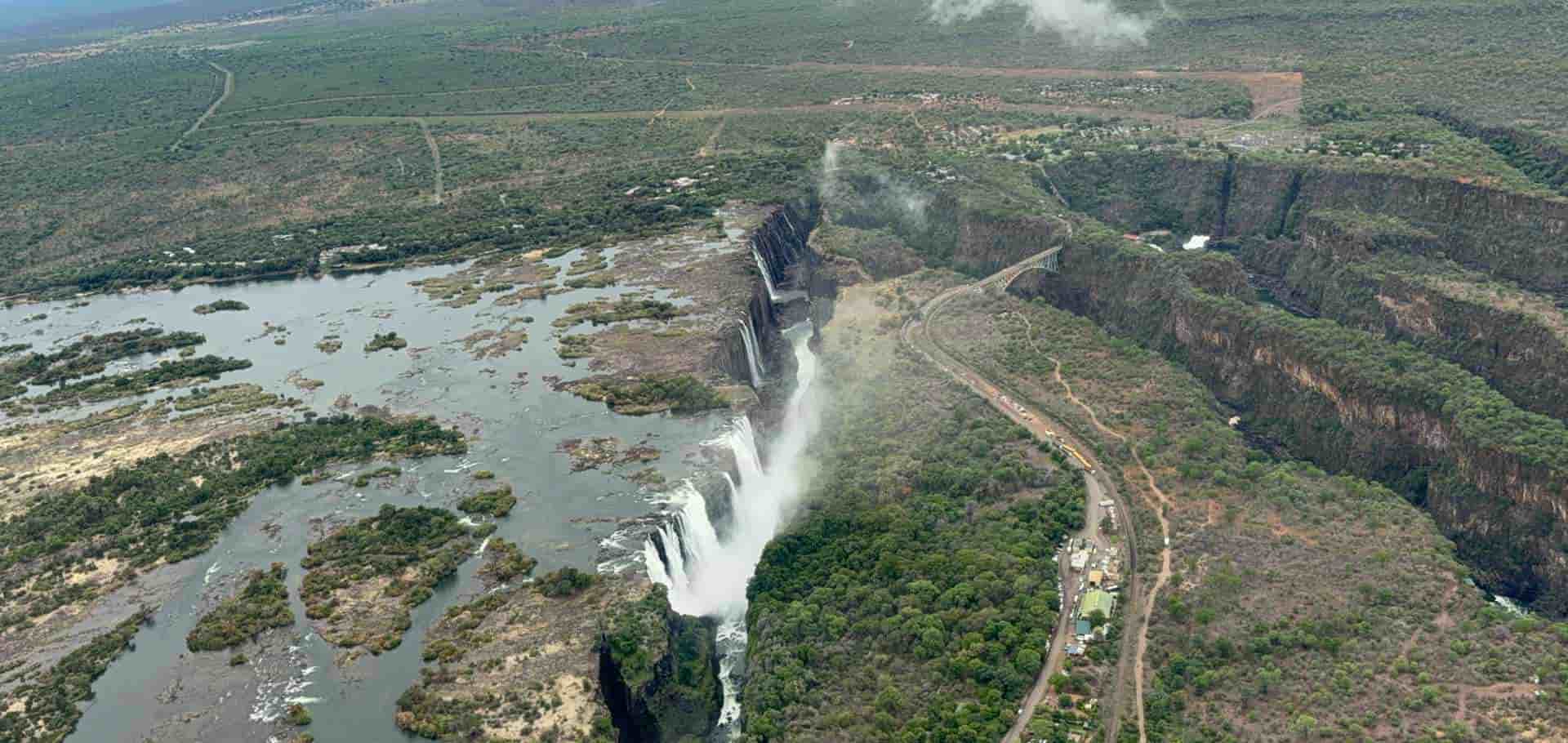
The iron rail brought a different world. In 1905, as British imperialists pushed their Cape-to-Cairo railway across the Zambezi, the steel Victoria Falls Bridge spanned the gorge, forever slicing through the ancient silence of the valley. This colossal structure, hanging more than one hundred meters above the boiling torrent, turned a sacred landscape into a playground for wealthy travelers. Modernity arrived with the screech of steam engines and the clink of gin glasses at the grand Victoria Falls Hotel. The old spirits of the river retreated into the deeper, quieter canyons downriver.
The river still carves its escape. Geologists watch the western edge near Devil’s Cataract, where the Zambezi exploits soft fissures in the basalt to grind out what will eventually become the ninth gorge. This slow, relentless destruction reminds us that the Earth is never finished with its work. While humans fight over borders and build hotels, the water simply continues to eat the stone, indifferent to our empires. It is a slow-motion collapse that mocks the permanence of our brick and steel.
Shut your eyes for sixty seconds. In the darkness behind your lids, you see the ghost of the water, a phantom white wall that continues to fall against a screen of deep red basalt. The scream of tourist helicopters fades, replaced by the ancient, rhythmic throb of the river god Nyami Nyami beating against the stone. You realize then that the falls are not a mere spectacle to be photographed. They are a living, breathing lung of the earth, exhaling the very moisture that keeps this corner of Africa alive.
The mist clings to your skin. Long after you leave the wet paths of Mosi-oa-Tunya, the cold taste of iron and wet basalt lingers on your tongue, a persistent ghost of the abyss. As climate change alters the river’s flow and luxury developments threaten to crowd the banks, we must ask what we will lose when the last quiet sanctuary is paved over. Will we preserve the sacred thunder of the river, or will we reduce this ancient god to a mere trickle in a manicured park? The water keeps falling, waiting for our answer.